
Can Old Wiring Cause Fires in Virginia Beach Homes? Here's What to Watch For
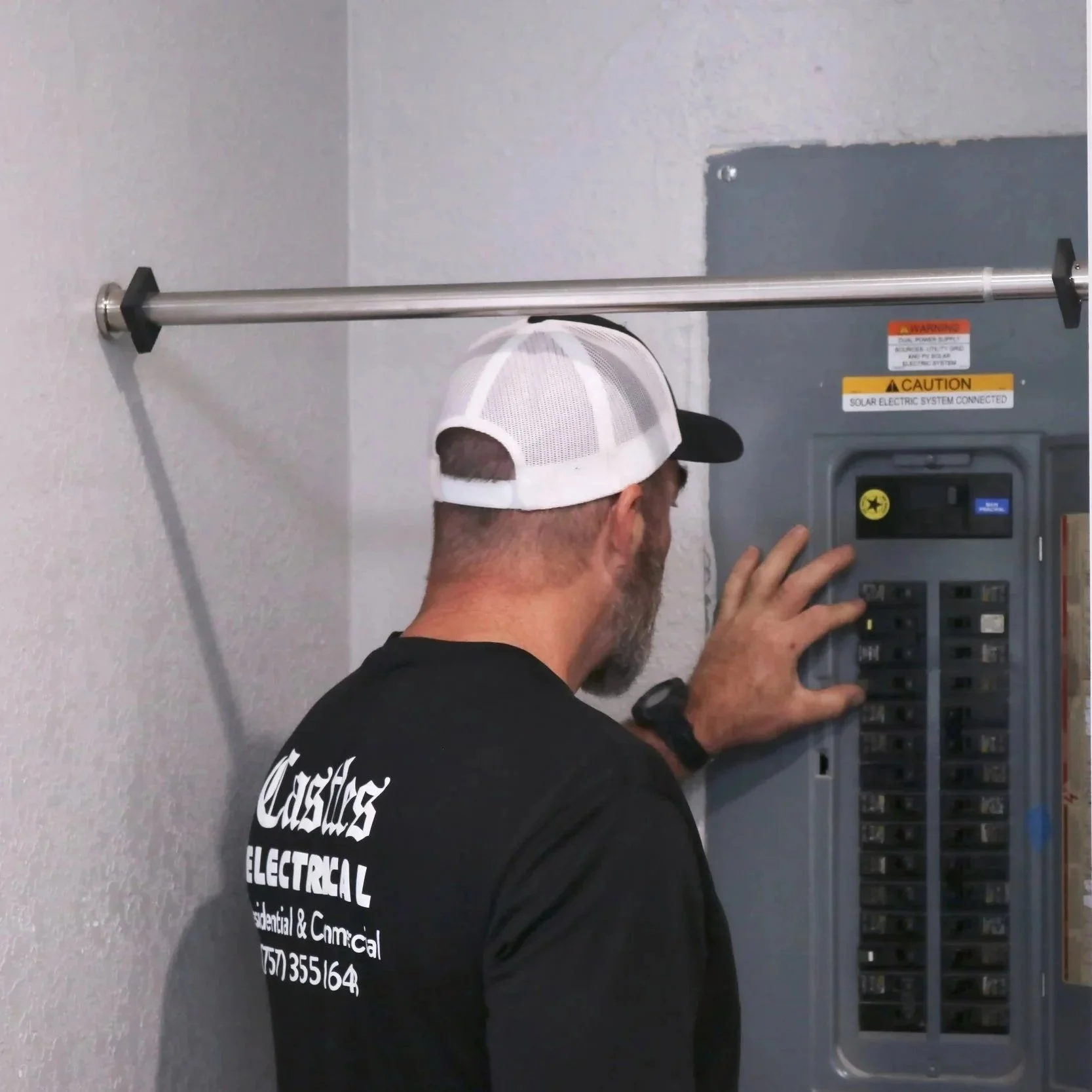
Old wiring in Virginia Beach homes can lead to dangerous electrical fires; regular inspections help identify hazards before they escalate.
Why Aging Electrical Wiring Becomes a Fire Risk Over Time
Electrical wiring does not fail all at once. It degrades gradually as materials respond to heat, load, movement, and environmental exposure. When wiring was first installed, insulation remained flexible, conductors held firm contact at terminals, and connections tolerated small fluctuations without consequence. Decades later, those same materials behave very differently. Insulation dries and cracks, copper oxidizes, and connection points loosen through repeated thermal expansion and contraction. Electricity continues to flow, but it does so under increasing resistance.
In Virginia Beach homes, this aging process accelerates due to coastal conditions. Humidity infiltrates wall cavities and electrical boxes, promoting corrosion and reducing insulation integrity. Salt in the air speeds metal oxidation, especially at terminals and splices. Older wiring systems were never designed to operate under constant environmental stress combined with modern electrical demand. As resistance rises within aging conductors and connections, heat builds silently inside walls and ceilings, setting the stage for ignition long before visible failure appears.
Common Types of Old Wiring Found in Virginia Beach Homes
Many Virginia Beach homes contain wiring systems installed during periods when electrical standards differed significantly from today. Cloth-insulated wiring, early non-metallic cable, and aluminum branch wiring remain common in houses built before the 1980s. These materials functioned adequately when loads were lighter and usage patterns simpler. Modern households place far greater demand on these systems, pushing them closer to failure thresholds.
Cloth insulation becomes brittle and flakes away, exposing conductors that can contact framing or other wires. Aluminum wiring expands and contracts more than copper, loosening connections over time and increasing resistance. Early plastic insulation lacks the heat tolerance of modern materials. Each of these wiring types carries distinct risks, but they share a common vulnerability: they age poorly under modern conditions. Fire risk increases as these systems struggle to deliver power reliably while dissipating heat safely.
How Increased Electrical Demand Stresses Old Wiring
Electrical demand in modern homes far exceeds what older wiring systems were designed to handle. Central air conditioning, kitchen appliances, entertainment systems, and charging devices place a continuous load on circuits that once served lighting and a few outlets. Old wiring experiences higher sustained current, leading to increased heat along conductors and at connection points.
In Virginia Beach, seasonal demand intensifies this stress. Summer cooling systems and winter supplemental heaters extend run times and raise baseline load levels. Old wiring may appear adequate during light use but falter during peak demand. Heat builds gradually at weak points, drying insulation and loosening terminals further. Over time, the system loses its ability to tolerate even routine usage without generating dangerous temperatures.
Why Insulation Breakdown Leads Directly to Fire Risk
Insulation protects surrounding materials from energized conductors and prevents electricity from escaping its intended path. As insulation ages, it loses elasticity and cracks under mechanical or thermal stress. Once compromised, conductors may contact wood framing, metal boxes, or other wires. These unintended contact points create resistance, arcing, or direct heating of combustible materials.
In coastal Virginia Beach homes, moisture accelerates insulation breakdown. Damp conditions allow contaminants to penetrate cracks, lowering resistance across surfaces. Heat generated at exposed conductors carbonizes nearby materials, creating conductive paths that support arcing. Fires linked to old wiring often originate where insulation failed years earlier, allowing slow, repeated heating to dry and ignite surrounding structures without immediate detection.
How Loose Connections Develop in Old Wiring Systems
Connections loosen naturally as wiring ages. Metal expands when heated and contracts when cooled. Over thousands of cycles, screws back out slightly, wire bends relax, and splices lose tension. Old wiring systems often lack modern strain relief and secure termination methods, making them more vulnerable to movement over time.
Loose connections introduce resistance into the circuit. Electricity flowing through a loose joint generates heat at the contact point. That heat further loosens the connection, creating a self-reinforcing cycle. In Virginia Beach homes, corrosion compounds this effect by increasing resistance even when connections appear intact. Many wiring-related fires begin at loose connections hidden inside walls or junction boxes, where heat builds unnoticed.
Why Old Wiring Makes Arcing More Likely
Arcing occurs when electricity jumps gaps rather than traveling through solid conductors. Old wiring systems create ideal conditions for arcing due to cracked insulation, loose connections, and contamination from dust or moisture. Each arc produces intense heat capable of igniting nearby materials quickly.
Older wiring lacks the arc-resistant materials and protective devices common in modern installations. Once arcing begins, it often repeats at the same location, carbonizing insulation and framing. Carbonized material conducts electricity, making future arcs easier and more intense. In Virginia Beach homes, humidity lowers resistance across surfaces, allowing arcing to persist longer and spread more easily within wall cavities.
Why Breakers Do Not Always Protect Against Old Wiring Fires
Circuit breakers respond to excessive current, not localized heat or arcing. Old wiring failures often generate dangerous heat without increasing amperage beyond breaker limits. Electricity continues flowing while temperatures rise at specific weak points. Breakers remain set, giving homeowners a false sense of security.
Grounding deficiencies worsen this problem. Many older Virginia Beach homes contain outdated or degraded grounding systems. Without effective grounding, stray energy from arcing or leakage remains concentrated rather than clearing quickly. Fires that originate from old wiring frequently occur without any prior breaker trips, making them especially dangerous and difficult to predict.
How Old Wiring Hides Fire Risk Behind Normal Operation
Old wiring can function for years while deteriorating internally. Lights turn on, outlets work, and appliances run as expected. Homeowners associate safety with functionality, assuming that working systems pose no threat. In reality, old wiring often operates at the edge of its tolerance, absorbing stress until it cannot.
Warning signs appear subtly. Flickering lights, warm outlets, buzzing sounds, or faint burning odors may occur intermittently. These symptoms often get dismissed as quirks of an older home. In Virginia Beach houses, environmental factors mask early signs by spreading heat and moisture effects over time. Fire risk grows quietly until ignition occurs during routine use rather than a dramatic event.
How Renovations Can Increase Fire Risk With Old Wiring
Renovations frequently expose the limitations of old wiring. Adding fixtures, outlets, or appliances increases the load without upgrading conductors or connections. New devices may connect to old wiring through splices that introduce additional resistance points. Walls get closed with wiring stressed beyond its design limits.
In Virginia Beach homes, renovations often prioritize appearance over electrical infrastructure. Old wiring remains buried behind new finishes, carrying a greater load and heat. Without proper evaluation and upgrades, renovation work accelerates deterioration. Fires linked to old wiring frequently follow remodels where electrical demand increased without addressing the underlying system age and capacity.
How Old Wiring Interacts With Moisture And Coastal Conditions
Moisture represents one of the most aggressive accelerants of old wiring failure, especially in coastal regions like Virginia Beach. Older wiring insulation was never engineered to withstand prolonged humidity exposure. Over time, moisture migrates into wall cavities, electrical boxes, and conduit runs, settling against insulation and bare conductors. Damp insulation loses its dielectric strength, allowing electricity to leak or track along surfaces rather than remaining contained within the conductor.
Salt carried in coastal air worsens this degradation. Salt residue settles on exposed metal and inside boxes, increasing corrosion rates at terminals and splices. Corrosion raises resistance, which converts electrical energy into heat. That heat dries the surrounding wood and insulation unevenly, creating ignition-ready conditions. Old wiring systems in Virginia Beach homes face a constant environmental assault that quietly pushes them closer to failure even when electrical usage remains modest.
Why Aluminum Wiring Presents Unique Fire Risks
Aluminum branch wiring, common in homes built during certain decades, behaves differently than copper as it ages. Aluminum expands and contracts more dramatically with temperature changes. That movement loosens connections over time, even when installed correctly originally. As connections loosen, resistance increases and heat builds at terminals, outlets, switches, and panel lugs.
Oxidation compounds the issue. Aluminum forms an oxide layer that resists electrical flow. Without proper termination methods, that layer increases resistance further. Many Virginia Beach homes with aluminum wiring were never retrofitted with modern connectors or treatment compounds. Heat generated at aluminum connections can damage nearby materials long before visible failure occurs. Fires linked to aluminum wiring often originate at device connections rather than along the conductor itself.
How Old Wiring Affects Modern Safety Devices
Modern safety devices depend on predictable electrical behavior. Arc fault and ground fault protection respond to specific electrical signatures. Old wiring systems often behave erratically, producing unstable voltage, leakage, or arcing that falls outside ideal detection thresholds. While modern devices improve safety, they cannot compensate fully for deteriorated conductors and insulation.
In Virginia Beach homes where old wiring remains in place, adding modern devices without upgrading wiring may reduce some risk but not eliminate it. Old insulation breakdown and loose splices continue generating heat even when protective devices remain quiet. Fire risk persists when underlying wiring conditions remain unchanged. Effective safety requires addressing the source of degradation rather than relying solely on downstream protection.
Why Old Wiring Fires Often Start In Concealed Spaces
Old wiring fires frequently originate inside walls, ceilings, or junction boxes where heat accumulates unnoticed. Wiring buried behind finishes experiences limited airflow, allowing temperatures to rise steadily. Combustible framing and insulation surround these conductors, responding poorly to prolonged heat exposure.
In Virginia Beach homes, attic wiring faces additional stress from seasonal temperature extremes and moisture intrusion. Old wiring routed through attics or crawlspaces experiences accelerated aging. Fires starting in these concealed areas often spread extensively before detection, making them especially destructive. The hidden nature of old wiring failures explains why many fires occur without obvious warning signs beforehand.
How Electricians Evaluate Fire Risk In Old Wiring Systems
Professional evaluation focuses on identifying degradation rather than waiting for failure. Electricians assess insulation condition, conductor integrity, connection tightness, grounding continuity, and load distribution. Thermal imaging reveals hotspots where resistance generates abnormal heat. Load testing shows how wiring behaves under realistic demand rather than idle conditions.
In Virginia Beach homes, inspections often uncover multiple overlapping issues. Aging insulation, corrosion, loose connections, and increased demand combine to elevate risk. Addressing these findings may involve partial rewiring, connection remediation, or targeted upgrades. Fire prevention improves when electricians treat old wiring as a system-wide concern rather than isolating individual symptoms.
Why Rewiring Or Upgrading Reduces Long-Term Fire Risk
Replacing or upgrading old wiring restores predictable electrical behavior. Modern insulation tolerates heat and moisture more effectively. Improved termination methods maintain tight connections over time. Proper grounding and bonding allow faults to clear quickly rather than lingering as heat.
For Virginia Beach homeowners, upgrading wiring addresses both age-related degradation and environmental exposure. Fire risk decreases not because usage changes, but because the system regains its ability to manage electrical stress safely. Upgrades often reduce nuisance issues like flickering or warm outlets while addressing the deeper causes of fire potential.
How Old Wiring Fits Into A Broader Home Safety Strategy
Old wiring represents one of several interconnected safety factors within a home. It interacts with appliances, fixtures, grounding systems, and environmental conditions. Addressing wiring age improves the effectiveness of every other safety measure. Fire prevention strengthens when wiring integrity matches modern living demands.
Virginia Beach homes benefit from proactive evaluation that considers construction era, environmental exposure, and electrical usage patterns. Old wiring does not automatically mean imminent danger, but it requires informed assessment. Understanding how aging materials behave over time allows homeowners to make decisions that reduce fire risk before conditions escalate.
FAQs
Yes. Old wiring can generate heat and arcing inside walls without affecting visible operation, leading to fire without obvious warning signs.
Coastal humidity and salt exposure accelerate insulation breakdown and corrosion, increasing fire risk in older wiring systems.
Aluminum wiring poses a higher fire risk due to expansion, oxidation, and loose connections when not properly upgraded or maintained.
Replacing devices may address surface issues, but underlying wiring degradation often remains and continues generating heat.
Signs include flickering lights, warm outlets, buzzing sounds, frequent breaker trips, or homes built during earlier wiring eras. Professional inspection provides the clearest assessment.