
Our Electrical Blog
✓ Locally-Owned
✓ Straightforward Pricing
✓ Full-Service Solutions
✓ Customer-First Service
Aluminum Wiring in Older Homes: Is It Dangerous and Can It Be Fixed?
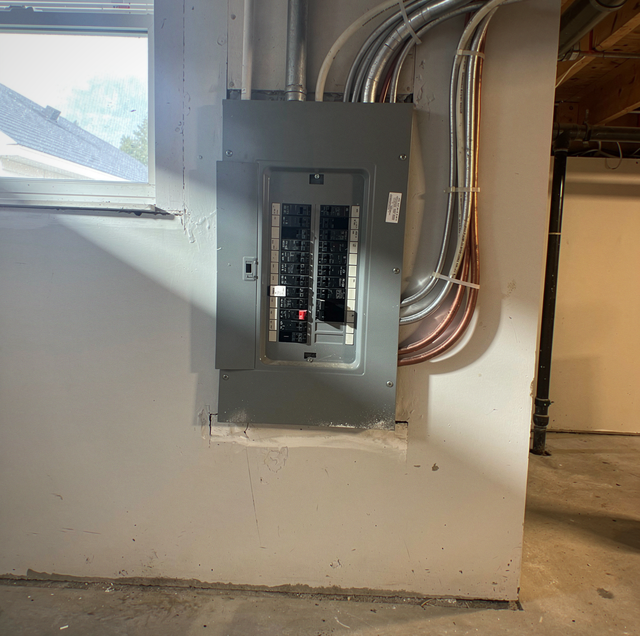
Copper prices spiked sharply during the late 1960s and early 1970s, and builders looked for a cheaper substitute for the branch-circuit wiring that feeds outlets, switches, and lighting throughout a house.
Do You Need 200-Amp Service for an EV Charger and Heat Pump?
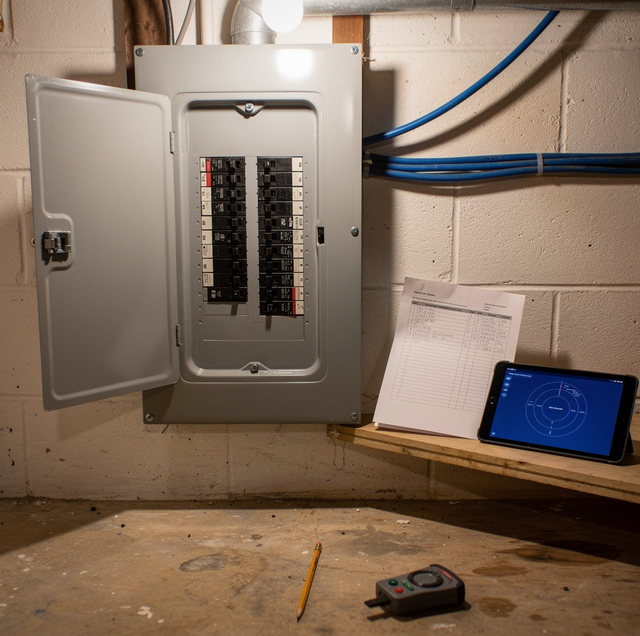
A homeowner planning an EV charger usually has a rough idea of what that project involves.
Level 1 vs. Level 2 EV Charging: Which One Actually Fits Your House
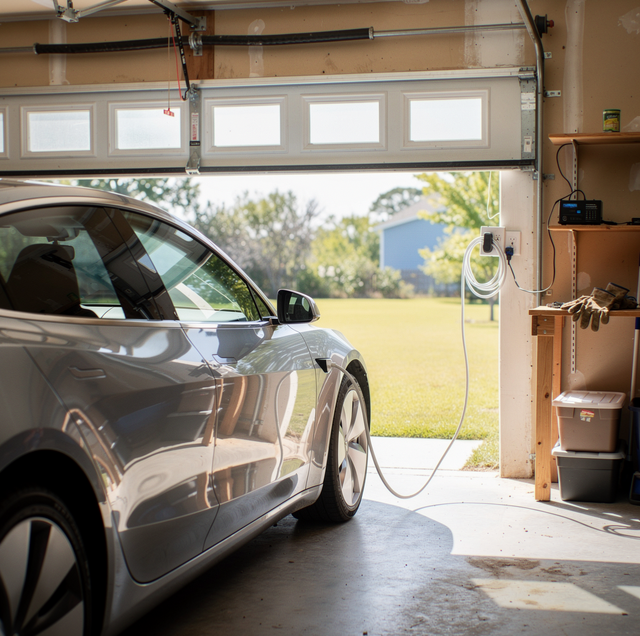
You bring the new EV home, plug the factory cord into the outlet in your garage, and go to bed feeling pretty good about the whole thing.
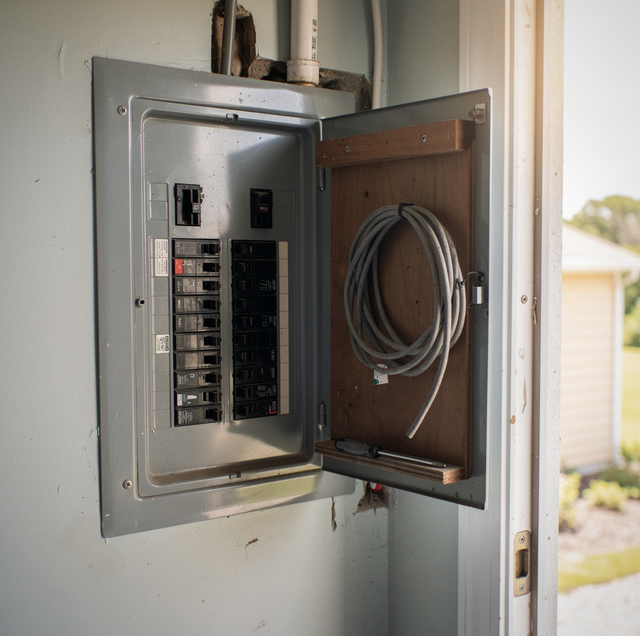
Why Does My Breaker Keep Tripping in the Summer?
The air conditioner kicks on, the pool pump is already running, and somewhere in the panel a breaker snaps off mid-afternoon for the third time that week.
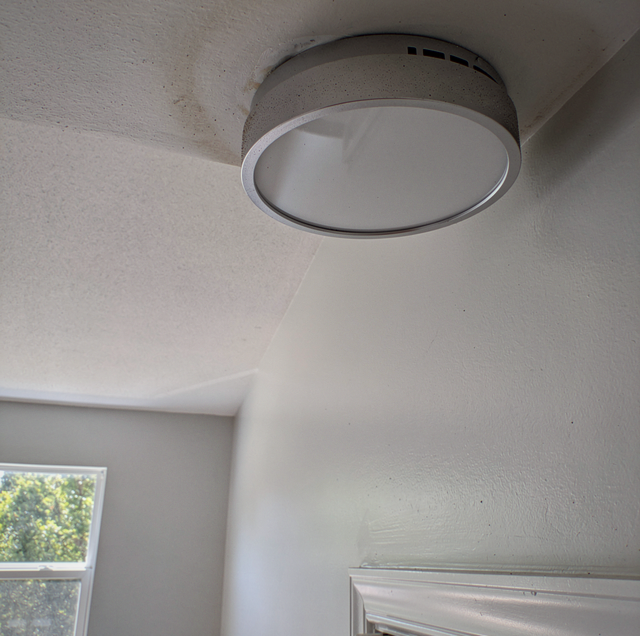
Why Do My Lights Flicker or Dim — And When It’s Serious
Flickering lights sit on a wide spectrum. On one end is a nuisance you can fix in a minute with a stepstool.
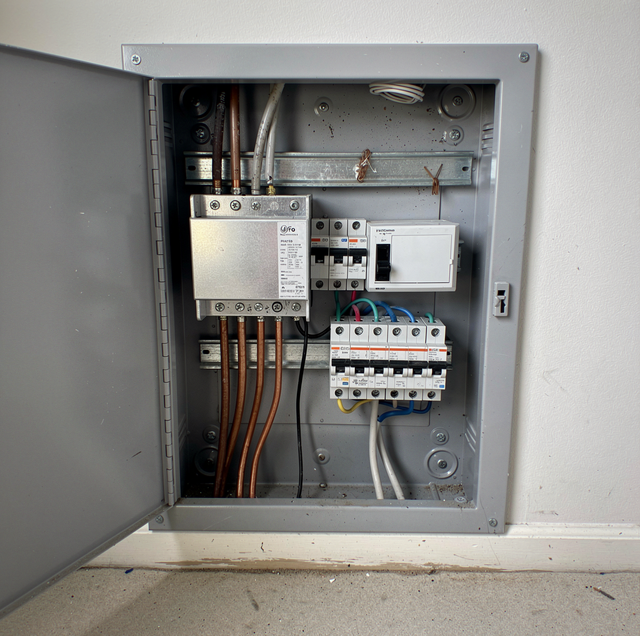
Whole-House Surge Protector: Is It Worth Installing?
A surge is a fast, sharp jump in voltage on your home's wiring. Instead of the steady 120 volts your outlets normally hold, the line briefly spikes to hundreds or even thousands of volts, sometimes for less than a millisecond.
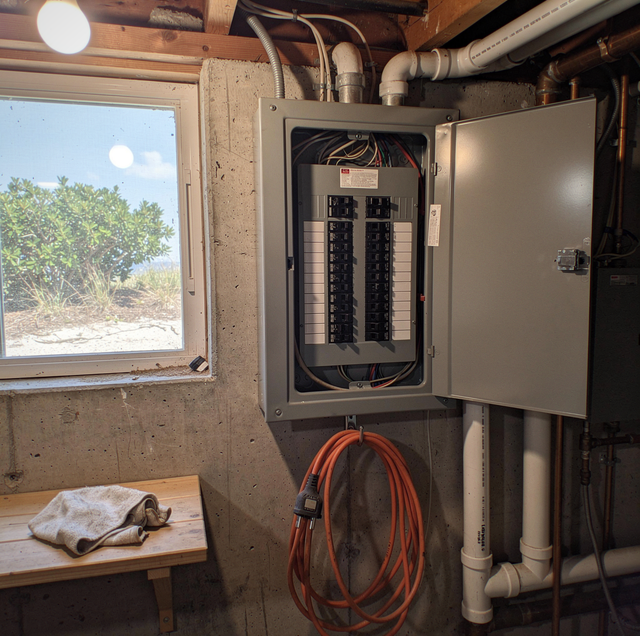
Fuse Box vs Breaker Panel: When Replacement Pays Off
If your home still has a fuse box, you are not automatically living with a hazard.
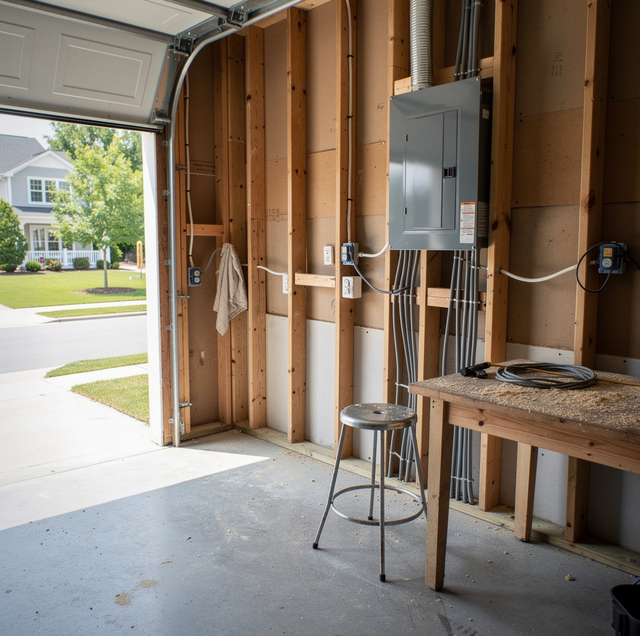
Do You Need a Subpanel for Your Garage or Shop? 5 Signs
You added a workbench with a dust collector, a compressor, and now a welder, and every time two of them run together a breaker in the house trips.
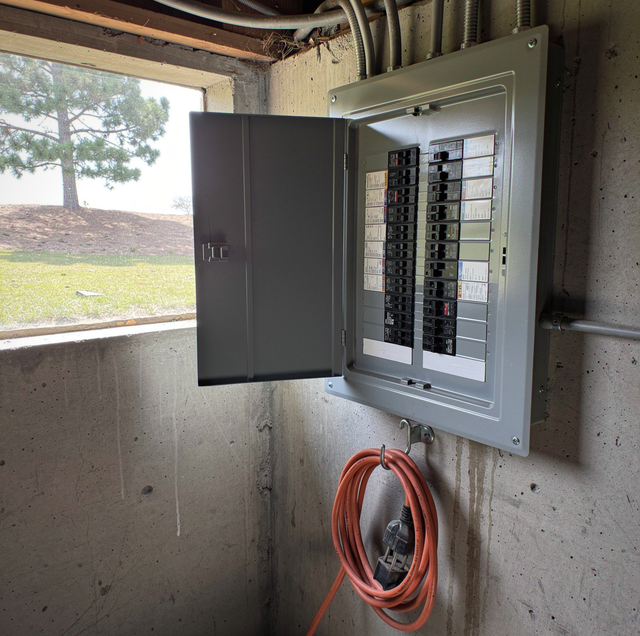
100-Amp vs 200-Amp Service: Which One Your Home Needs
Every home has a ceiling on how much electricity it can pull at once, and most people never think about it until a project stalls.
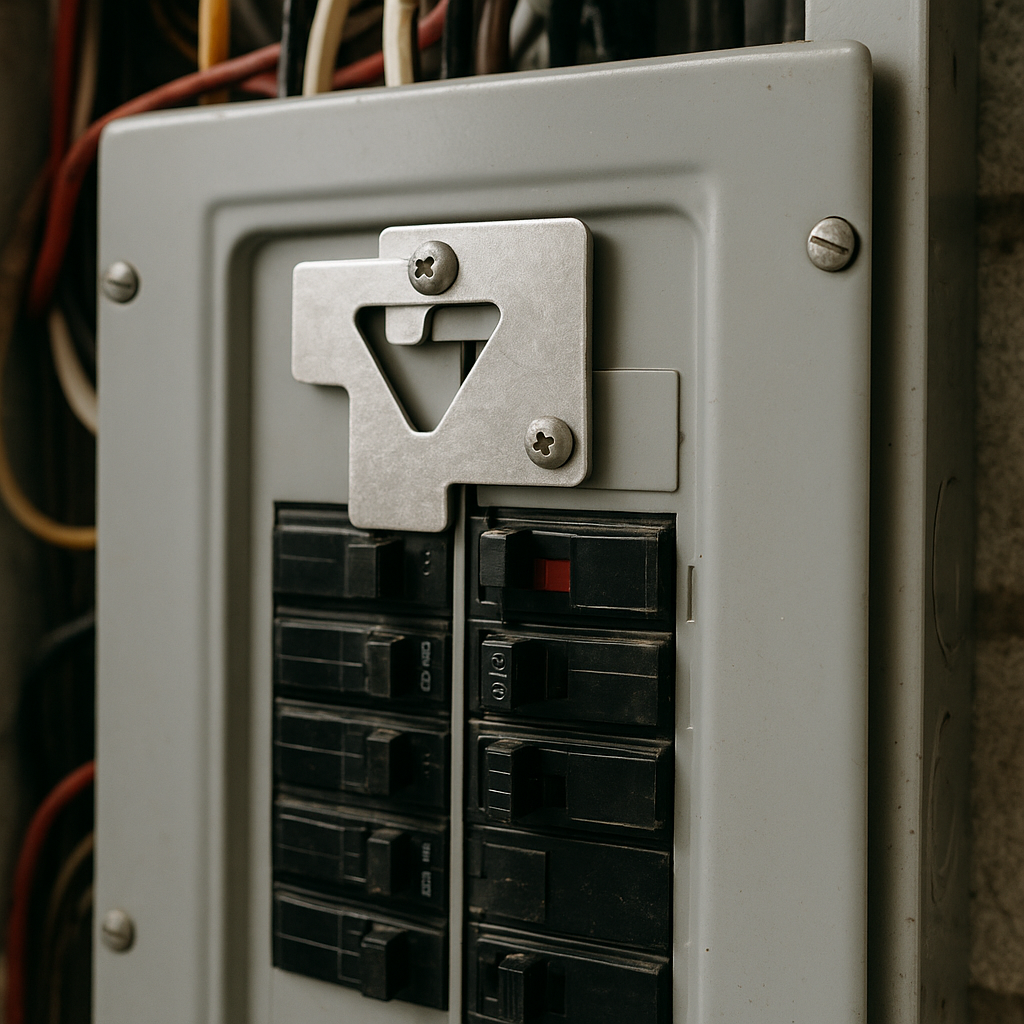
Transfer Switch vs Interlock Kit for a Generator: The Difference
The power goes out, the generator is in the garage, and you are staring at an extension cord snaking through a window to keep the fridge alive. There is a better way to run your house on a generator, one that is safe and covers more than a single appliance, and it comes down to two options people constantly mix up: a transfer switch or an interlock kit.
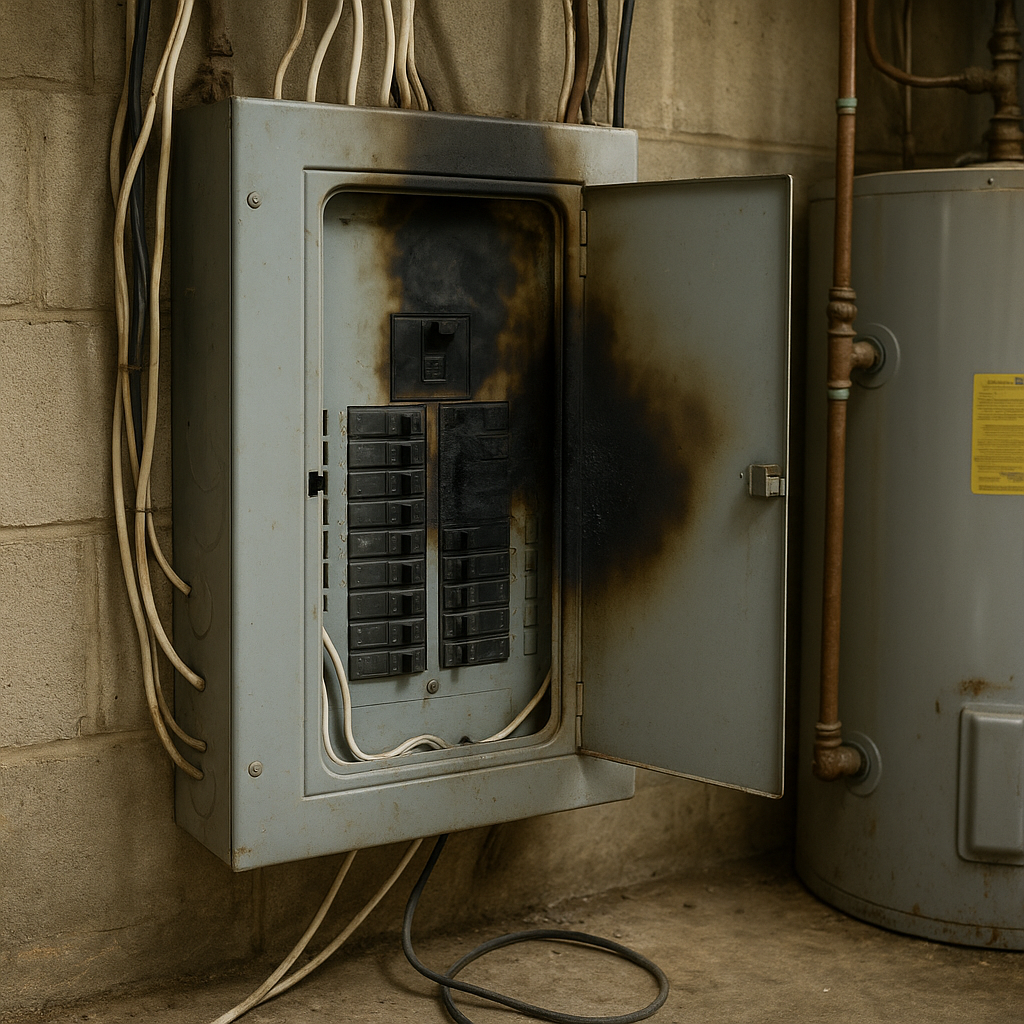
Signs Your Electrical Panel Is Overloaded and Needs an Upgrade
Your electrical panel is the point where the power coming in from the utility is divided and sent to every part of the house. One large wire feeds the panel, and from there the current splits across dozens of branch circuits, each protected by its own breaker. That arrangement works cleanly as long as the total demand stays inside two limits: the size of the service feeding the panel, and the capacity the panel itself was built to handle. A panel becomes overloaded when the demand you put on it outgrows one or both of those limits.
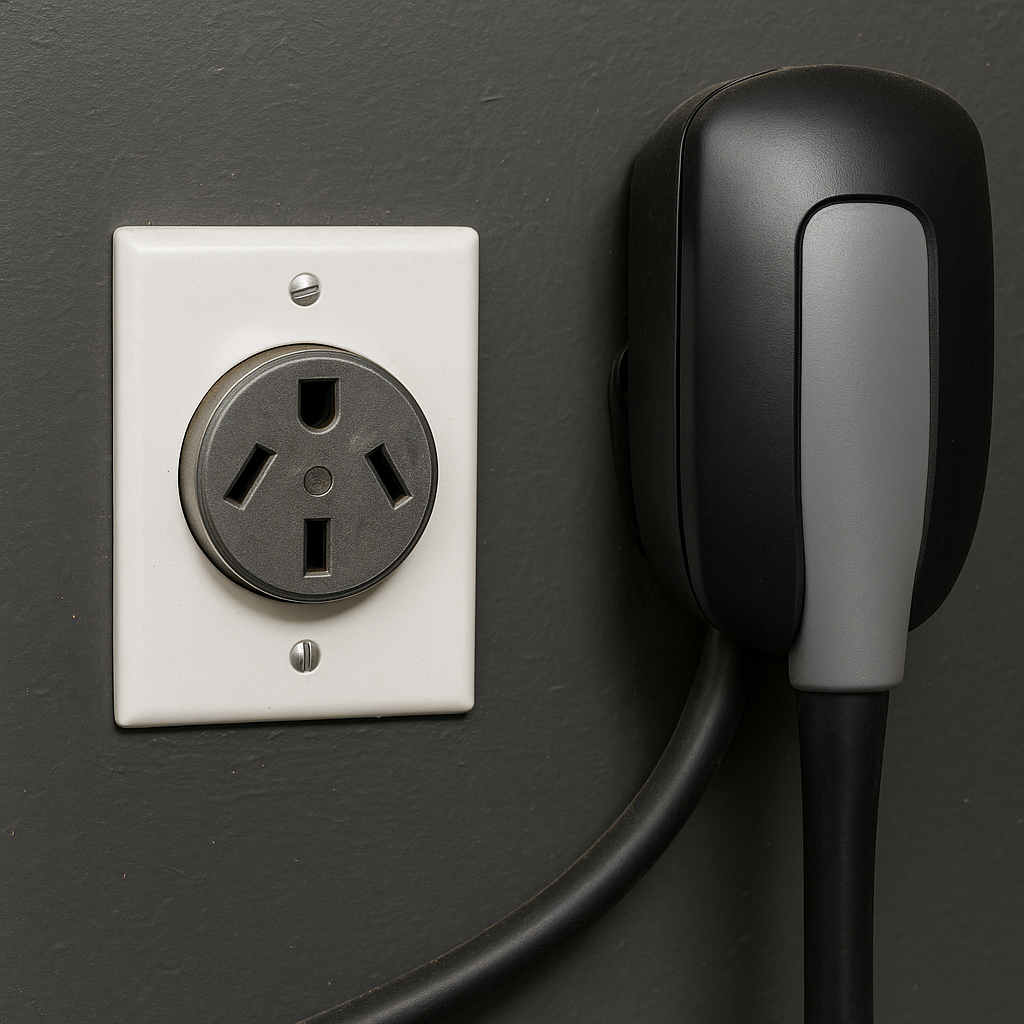
NEMA 14-50 vs Hardwired EV Charger: Which Wins?
Once you decide to stop relying on public chargers and put a Level 2 charger in your own garage, one question decides the rest of the job: does the charger plug into an outlet, or does it wire straight into the circuit? Both approaches feed the car the same 240 volts, and both start with the same foundation, a dedicated circuit run from your panel. The difference is the last few inches, where the charger meets the wiring. That small difference changes portability, the top charging speed you can reach, how the setup holds up outdoors, and how ground-fault protection is handled.
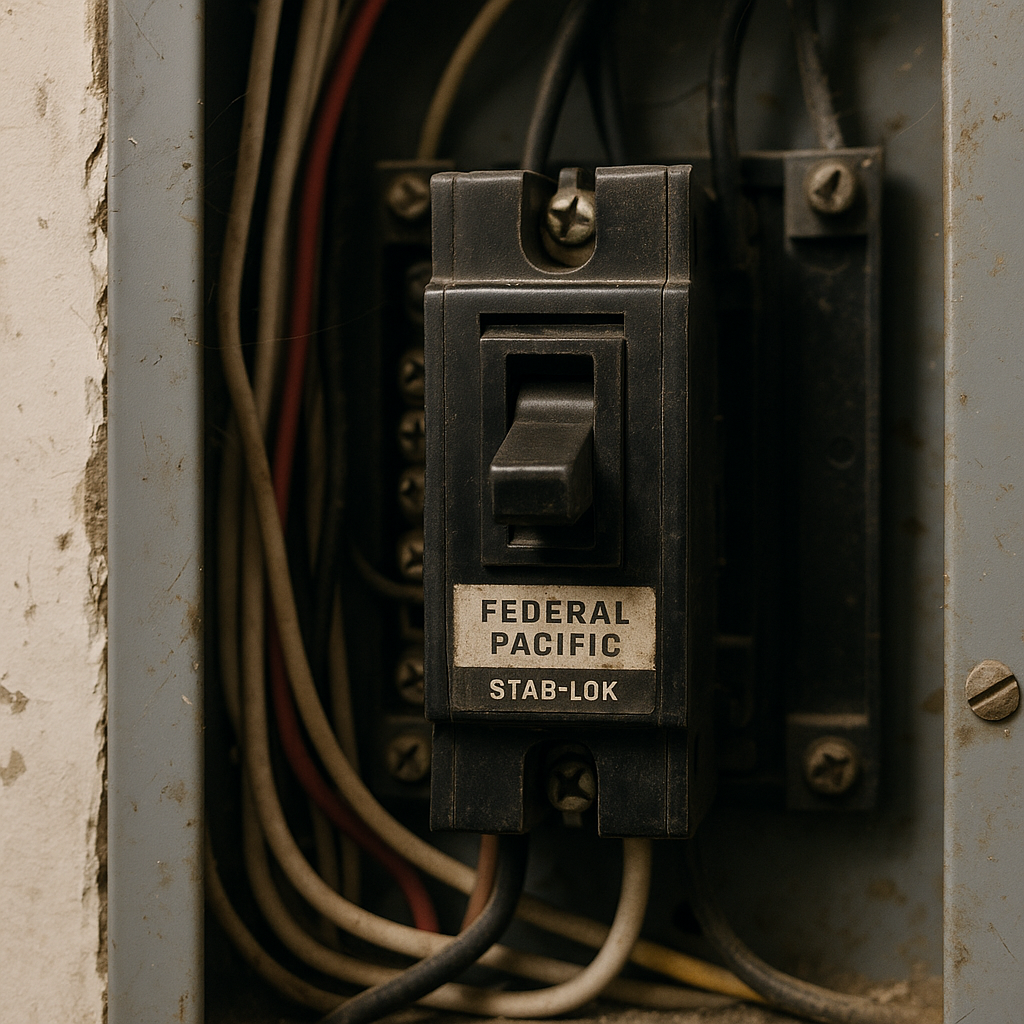
Federal Pacific and Zinsco Panels: The Hidden Fire Risk
A circuit breaker has one job that matters more than any other. When a circuit draws more current than the wire can safely carry, or when a hot wire shorts to ground, the breaker is supposed to sense it and cut power in a fraction of a second. That single action is what stands between an ordinary electrical fault and a wall fire. The wire heats up, the breaker trips, the danger ends before it starts.
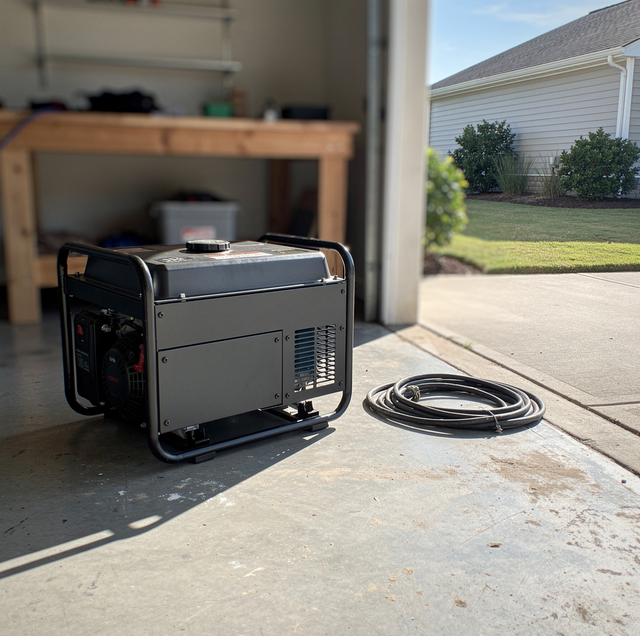
Why Your Generator Starts, Runs a Few Seconds, Then Quits
It's the worst possible timing: the power's out, you pull the cord, the engine catches — and then dies before you can even plug anything in. A generator that starts and immediately stalls follows a very common pattern, and the good news is that the causes are on a short, checkable list. Almost always, it's getting the wrong mix of fuel and air to keep running, or a built-in safety is cutting it off. Here's how to work through it.
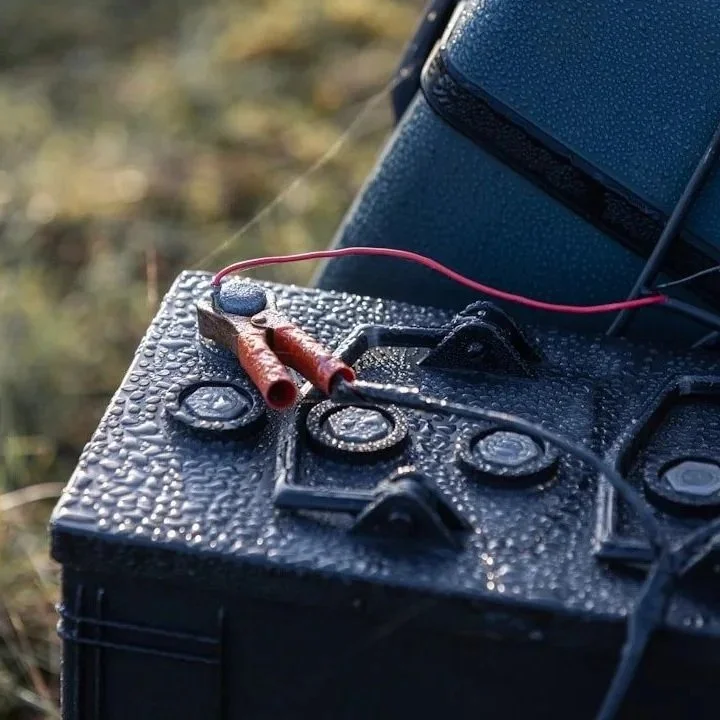
Whole-House Battery Backup vs Standby Generator: How to Decide
When you want backup power for the whole house, the modern decision is often between a standby generator and a battery backup system. Both keep your home running when the grid goes down, but they do it in fundamentally different ways — one burns fuel, the other stores electricity — and the better fit depends on how, and how long, you need backup power. Here's how to weigh them.
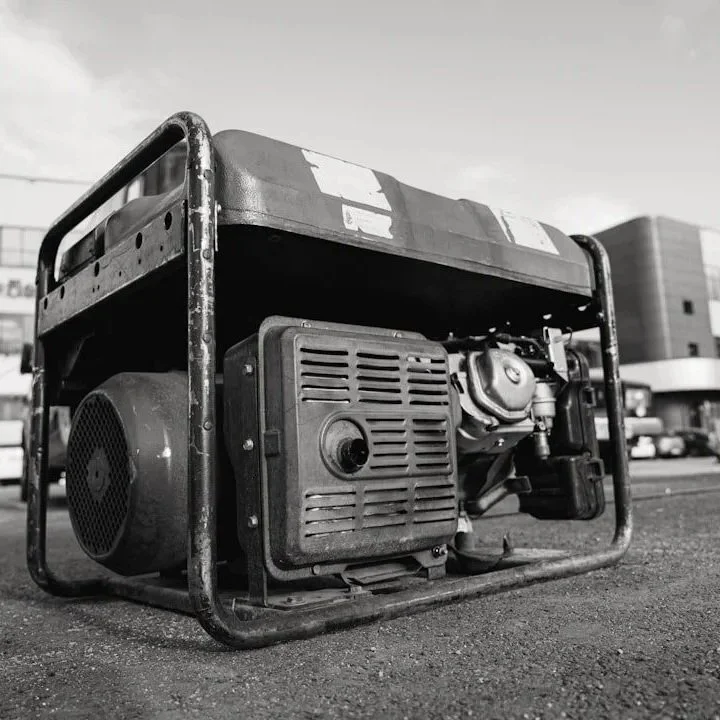
Standby vs Portable Generator: Which Wins for Hurricane Season?
When a hurricane knocks the power out for days, the difference between a generator that turns itself on and one you have to wrestle to life at 2 a.m. in the wind is the whole story. Standby and portable generators both keep the lights on, but they're built for very different owners and budgets — and one of them carries a safety risk that kills people every year if it's run wrong. Here's how to choose, and how to run either one without putting your family in danger.
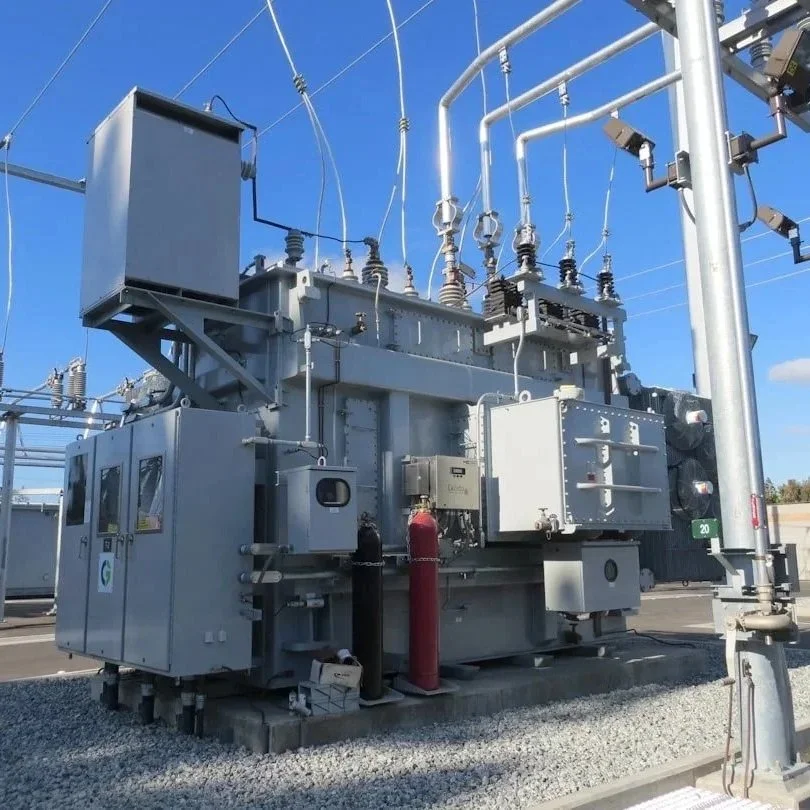
How Big a Generator Do You Need to Run the Whole House?
When a storm knocks out the power, a whole-house generator is what keeps the lights, the HVAC, the fridge, and everything else running. But "how big do I need" is one of the most common questions, and the answer isn't a single number — it depends on what you want to power and what those things draw. Sizing it right matters because both too small and too big create problems.
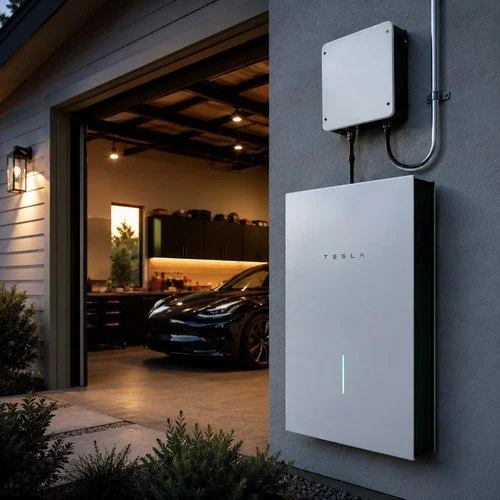
Can a Home Battery Run Your House Through a Multi-Day Outage?
A home battery promises clean, silent backup power, but a fair question before relying on one is whether it can actually keep your house running through a long, multi-day outage — the kind a major storm can cause. The honest answer is nuanced: a battery can do a lot, but how long it lasts depends on its capacity, your usage, and crucially, whether it can recharge. Understanding those factors tells you what to realistically expect.
Big Spaces, Big Wins: Secrets of Smart Warehouse Wiring
A solid warehouse or workshop electrical layout needs to flex, scale, and survive everything from daily logistics chaos to winter heater surges and summertime loading dock sprints.
Invisible Enemy: Why Every Building Needs CO Detector Installs
New construction, vintage homes, offices, rental properties — every place where people breathe needs a carbon monoxide detection system installed by professionals who know exactly where danger hides.