
Why Your Generator Starts, Runs a Few Seconds, Then Quits
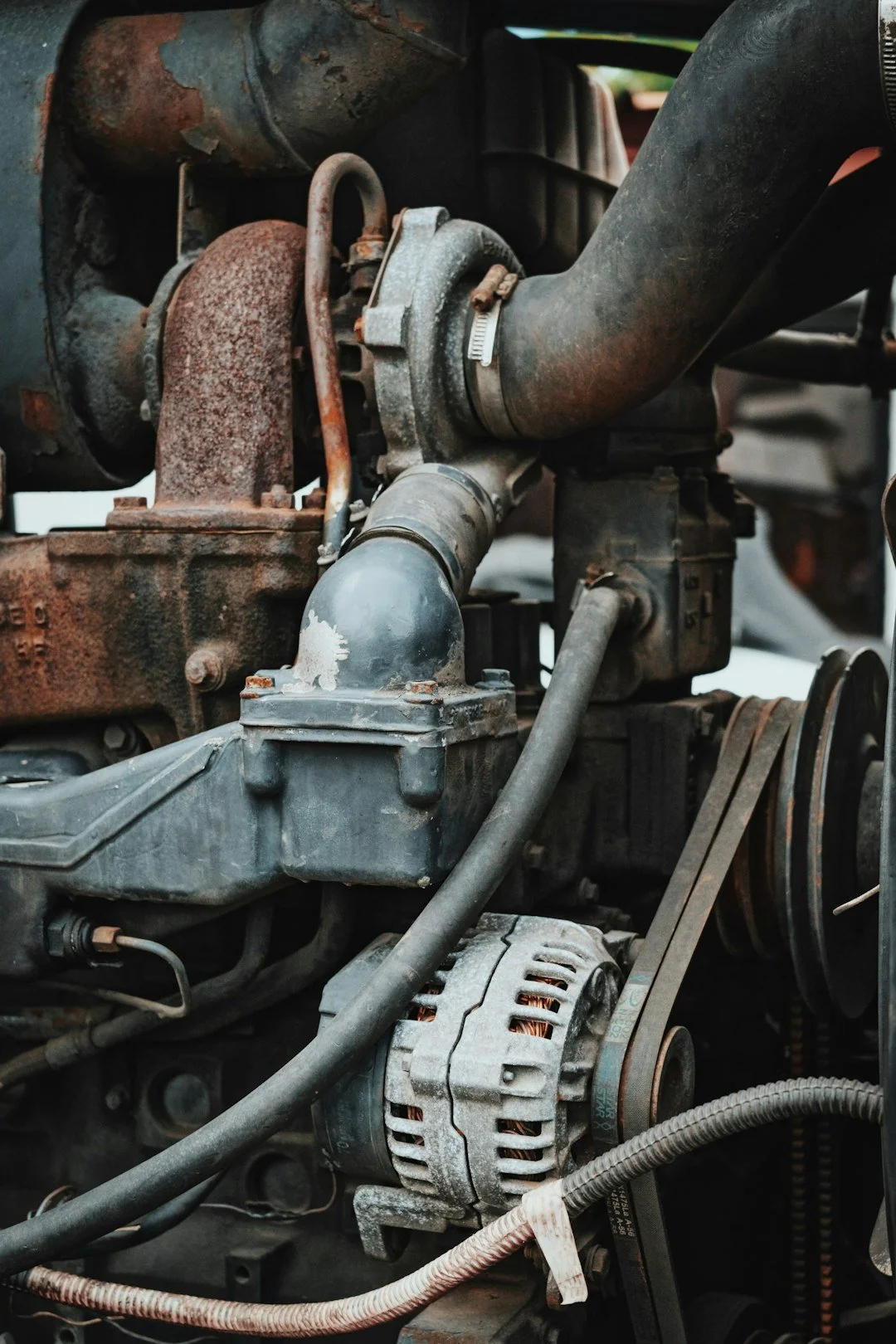
Quick Answer: A generator that fires up then quits a few seconds later is almost always starving for the right fuel-air mix or being shut down by a safety sensor. The usual causes are the choke left in the wrong position, stale fuel or a clogged carburetor, a low oil level tripping the low-oil shutoff, a dirty air filter, a clogged fuel cap vent, or a blocked fuel line. Most are simple to check; if fresh fuel, oil, and the choke don't fix it, the carburetor likely needs cleaning.
It's the worst possible timing: the power's out, you pull the cord, the engine catches — and then dies before you can even plug anything in. A generator that starts and immediately stalls follows a very common pattern, and the good news is that the causes are on a short, checkable list. Almost always, it's getting the wrong mix of fuel and air to keep running, or a built-in safety is cutting it off. Here's how to work through it.
Why a Generator Stalls Right After Starting
When an engine starts, it needs a steady supply of clean fuel, enough air, and (to keep running) the choke moved to the run position. It also has safety sensors that will shut it down to protect it. A start-then-stall almost always traces to one of those: the engine got just enough to fire on the initial prime, but couldn't sustain a proper running mixture, or a sensor pulled the plug. Walking the list from easiest to hardest usually finds it fast.
The Common Causes
The Choke Is in the Wrong Position
This is the first thing to check. You start a cold engine with the choke closed (on), which gives a rich fuel mix to get it going — but if you leave it there, the engine floods and stalls within seconds. Once it catches, the choke needs to move to the open (run) position. A start-then-die right after a cold start is very often just the choke.
Stale Fuel or a Clogged Carburetor
Gasoline goes stale in a matter of months, and stale fuel gums up the carburetor's tiny passages. A generator that sat all year with old gas in it will often start on the prime and then stall because the carburetor can't deliver a steady flow. This is one of the most common reasons a stored generator won't keep running. Fresh fuel may help; a gummed carburetor usually needs cleaning.
Low Oil Shutting It Down
Most modern generators have a low-oil shutoff that kills the engine to prevent damage when the oil is low, and it can stop the engine seconds after starting. Check the oil level on level ground first; it's an easy fix that people overlook. A generator that runs briefly and dies on a slope can even trip this because the oil isn't reaching the sensor.
A Dirty Air Filter or Blocked Fuel Flow
The engine needs air as well as fuel. A clogged air filter throttles the airflow and can stall the engine. So can anything blocking fuel: a clogged vent in the fuel cap (which creates a vacuum that starves the engine), a closed fuel valve, or a kinked or blocked fuel line. Loosening the fuel cap briefly to see if it then keeps running is a quick test for the vent.
| What's happening | Likely cause | Quick check |
|---|---|---|
| Stalls right after a cold start | Choke left closed | Move choke to run after it catches |
| Sat unused, starts then dies | Stale fuel/gummed carburetor | Fresh fuel; clean the carburetor |
| Dies within seconds, any start | Low oil shutoff | Check oil on level ground |
| Runs rough then quits | Dirty air filter | Inspect and clean/replace filter |
| Stalls, improves with cap loose | Clogged fuel cap vent | Clean or replace the cap |
What to Check, and When to Call
Work the easy items first: confirm the oil level on level ground, move the choke to run once the engine catches, try fresh fuel, loosen the fuel cap to test the vent, and check the air filter and fuel valve. That sequence solves a large share of start-then-stall problems with no tools beyond a rag.
If fresh fuel, correct oil, and the right choke position don't keep it running, the carburetor is the most likely culprit and usually needs to be cleaned or rebuilt — the gummed-up passages from old fuel are a frequent, stubborn cause. And because a generator is critical exactly when you need backup power, it's worth having a struggling unit serviced before the next outage rather than discovering the problem in the dark. For a permanently installed standby generator, repeated start-and-stall behavior is a sign to have it professionally checked, since it's wired into your home and you're relying on it to start automatically.
Frequently Asked Questions
Usually, because it can't sustain the right fuel-air mixture, or a safety sensor is shutting it down. Common causes are the choke left in the closed position after starting, stale fuel or a clogged carburetor, a low oil level tripping the low-oil shutoff, a dirty air filter, or a clogged fuel cap vent. Start by checking oil, choke, and fuel freshness.
Yes, very commonly. Gasoline degrades within months, and stale fuel gums up the carburetor's small passages so it can't deliver a steady flow — the engine fires on the prime, then stalls. A generator that sat all year with old gas is a classic case. Fresh fuel sometimes helps, but a gummed carburetor often needs cleaning to run reliably again.
The low-oil shutoff protects the engine from running without enough lubrication, which would cause serious damage. If the oil is low, it can stop the engine seconds after it starts. Always check the oil on level ground, because running the generator on a slope can keep oil from reaching the sensor and trip the shutoff even when the level is close to right.
It can. The fuel cap has a small vent that lets air in as fuel is used; if that vent clogs, a vacuum forms in the tank and starves the engine, stalling it. A quick test is to loosen the cap briefly — if the engine then keeps running, the vent is the problem, and the cap needs cleaning or replacing. It's an easy fix that's easy to miss.
If checking the oil, choke, fuel freshness, air filter, and fuel cap doesn't keep it running, the carburetor likely needs cleaning or rebuilding, which is a reasonable point to bring in a pro. For a permanently installed standby generator that starts and stalls, have it professionally serviced — it's wired into your home, and you're depending on it to run automatically during an outage.
Run the List Before the Lights Go Out
A generator that starts then dies is rarely a dead engine — it's usually starving for fuel or air, or a sensor doing its job. Check the oil, the choke, the fuel, the cap vent, and the air filter, in that order, and you'll catch most cases quickly. If it still won't stay running, the carburetor is the usual suspect. Either way, sort it out before the next outage, when a generator that won't keep running is the last thing you want to discover.
Generator starting then dying when you need it most? — Get it serviced and running reliably before the next outage. Castles Electrical serves Virginia Beach, Chesapeake, and Norfolk. Call (757) 765-8222.