
Whole-House Battery Backup vs Standby Generator: How to Decide
Quick Answer: A standby generator runs on fuel (natural gas or propane) and can power a home for as long as fuel is available, making it strong for long or multi-day outages — but it runs on an engine, makes noise, and needs fuel and maintenance. A whole-house battery stores electricity and delivers it silently and instantly, with no fuel or emissions, but its runtime is limited by its stored capacity unless paired with solar to recharge. The decision comes down to outage length and frequency, whether you have solar, your fuel options, and priorities like noise and maintenance. For long outages a generator excels; for shorter outages, quiet operation, and solar pairing, a battery shines — and some homes use both.
When you want backup power for the whole house, the modern decision is often between a standby generator and a battery backup system. Both keep your home running when the grid goes down, but they do it in fundamentally different ways — one burns fuel, the other stores electricity — and the better fit depends on how, and how long, you need backup power. Here's how to weigh them.
How Each One Works
A standby generator is a permanently installed engine-driven unit that runs on fuel, typically natural gas or propane. When the power fails, it starts automatically and generates electricity for your home, running as long as it has fuel. It's essentially an on-demand power plant in your yard.
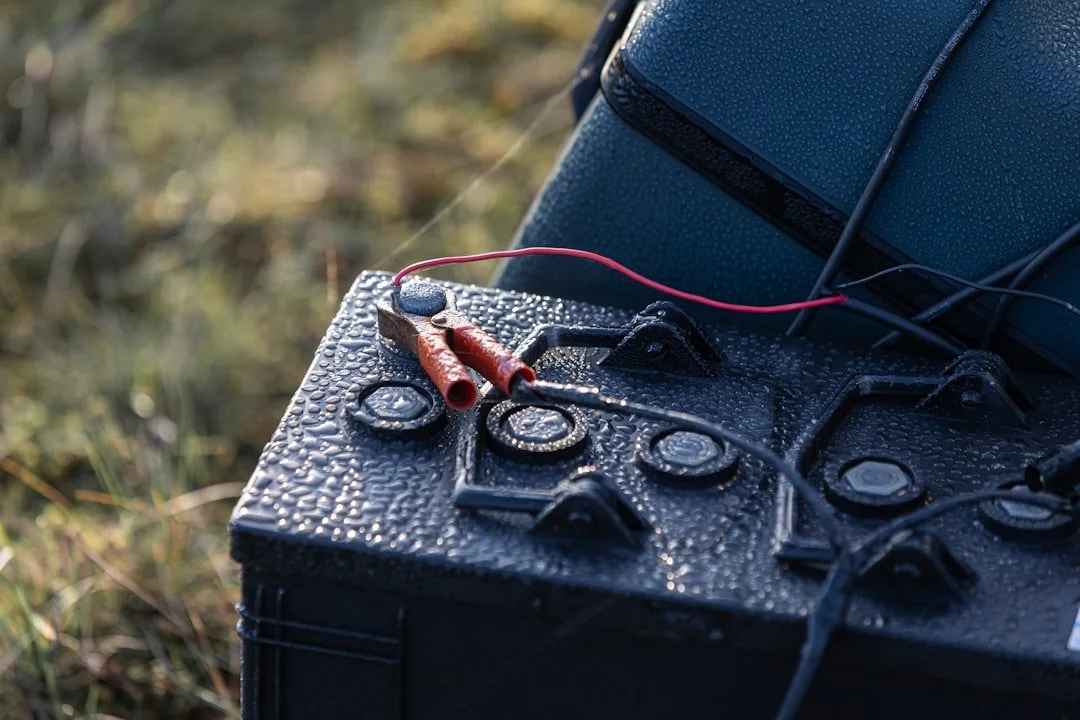
A whole-house battery stores electricity — charged from the grid or from solar panels — and delivers it to your home when the grid goes down. It has no engine and burns no fuel; it simply discharges its stored energy. When that stored energy runs low, it needs to recharge, which is where solar or grid power comes in. This stored-versus-generated difference drives every other trade-off.
Runtime: The Biggest Difference
The most important distinction is how long each can power your home. A standby generator can run for an extended time — through multi-day outages — as long as fuel keeps flowing, which for a natural gas unit can be effectively continuous. That makes generators strong for long outages, like those after major storms.
A battery's runtime is limited by its stored capacity. It powers the home until its energy is depleted, which depends on the battery's size and how much you're running. Without a way to recharge, a battery alone may not cover a long, multi-day outage. Paired with solar panels, though, a battery can recharge during the day and extend its runtime significantly, potentially riding out longer outages by recharging each day.
| Factor | Standby Generator | Whole-House Battery |
|---|---|---|
| Power source | Fuel (natural gas/propane) | Stored electricity |
| Runtime | As long as fuel lasts | Limited by capacity unless recharged |
| Long/multi-day outages | Strong | Needs solar to extend |
| Noise | Engine noise | Silent |
| Emissions | Produces emissions | None |
| Maintenance | Engine upkeep, fuel | Minimal |
| Startup | Brief delay to start | Instant |
Noise, Emissions, and Maintenance
Beyond runtime, the experience differs. A generator runs an engine, so it makes noise and produces emissions, and it requires maintenance and a fuel supply. A battery operates silently, produces no emissions, and needs minimal maintenance, with no fuel to manage. A battery also typically provides instant, uninterrupted backup — switching over with no gap — while a generator takes a brief moment to start up after an outage begins. For homeowners who value quiet, clean, hands-off operation, the battery has clear appeal; for those who prioritize long runtime above all, the generator's fuel-based endurance leads.
How to Decide
The right choice comes down to your priorities and situation. If your main concern is riding out long, multi-day outages — common in a storm-prone coastal area — a standby generator's ability to run as long as it has fuel is a major advantage. If you have or plan to add solar, value silent and emission-free operation, want instant backup, and your outages tend to be shorter, a battery is very attractive, especially since solar lets it recharge. Your available fuel options, outage patterns, and whether you have solar all factor in. Some homeowners even combine the two — a battery for instant, everyday backup and quiet operation, with a generator for extended outages — getting the strengths of both.
Think about your typical outage. If you mostly face brief outages and want smooth, silent backup, a battery may be ideal — especially with solar. If your area sees long multi-day outages after storms, the generator's run-as-long-as-there's-fuel endurance is hard to beat. Matching the technology to your outage pattern is the key.
Why Professional Guidance Helps
Both options are significant installations that integrate with your home's electrical system, and the right choice and sizing depend on your loads, outage patterns, fuel, and solar situation, and priorities. An electrician can assess your home, explain how each option would perform for your needs, size the system appropriately, and install it safely with the proper transfer equipment — permitted and inspected. Because backup power is something you rely on in an emergency, getting the choice and installation right is what ensures it actually delivers when the grid goes down. Professional guidance helps you weigh the trade-offs against your real situation rather than a generic comparison.
Frequently Asked Questions
Neither is universally better — they suit different needs. A standby generator runs on fuel and excels during long, multi-day outages, but it makes noise, requires maintenance, and emits emissions. A battery is silent, clean, instant, and low-maintenance, but its runtime is limited by capacity unless paired with solar. The better choice depends on your outage patterns, priorities, and whether you have solar.
It depends on the battery's capacity and how much you're running — it powers the home until its battery is depleted. Without recharging, a battery alone may not cover a long outage. Paired with solar panels, though, it can recharge during the day and extend its runtime significantly, potentially riding out multi-day outages by recharging each day.
Generally, yes, for long outages. A standby generator runs as long as it has fuel, which for a natural gas unit can be effectively continuous, making it strong for multi-day outages. A battery is limited by its capacity unless recharged by solar. For sheer endurance through a long outage, the generator's fuel-based operation has the advantage.
Yes, much. A battery operates silently because it has no engine — it simply discharges stored electricity. A standby generator runs an engine, so it produces noise and emissions while operating. For homeowners who value quiet, clean operation, the battery's silent, emission-free performance is a significant advantage over a fuel-burning generator.
Yes, some homeowners combine them to get the strengths of both — a battery for instant, silent, everyday backup and a generator for extended multi-day outages. The battery provides instant switchover and quiet operation for shorter interruptions, while the generator handles long outages where the battery would otherwise need recharging. An electrician can design a combined system for your home.
In areas with long, multi-day outages after storms, a standby generator's ability to run as long as it has fuel is a major advantage. A battery can also help, especially with solar to recharge it, but it may need that recharging to cover the longest outages. Many storm-prone homeowners favor a generator, or a generator-and-battery combination, for reliable extended backup.
Match the Backup to Your Outages
Choosing between a whole-house battery and a standby generator comes down to how long and how often your power goes out, whether you have solar, and what you value. A generator's fuel-based endurance wins for long multi-day outages; a battery's silent, instant, clean operation shines for shorter outages and pairs beautifully with solar. Some homes use both. Weigh the trade-offs against your real outage patterns, and get professional guidance to size and install whichever fits.
Deciding between battery backup and a standby generator? — Get an assessment of which fits your home and outages, sized and installed right. Castles Electrical serves Virginia Beach, Chesapeake, and Norfolk. Call (757) 765-8222.