
Standby vs Portable Generator: Which Wins for Hurricane Season?
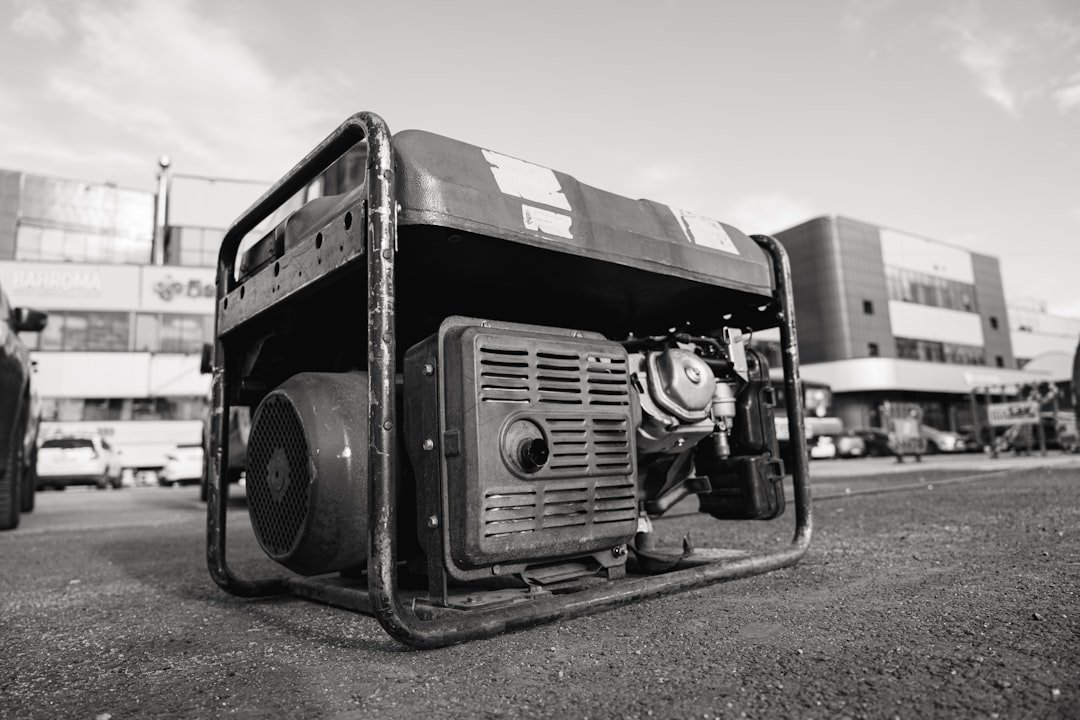
Quick Answer: A standby generator is permanently installed, starts automatically when the power fails, runs on your home's natural gas or propane, and can power the whole house — at a much higher cost. A portable costs far less and runs essentials, but you start it, fuel it by hand every few hours, and must run it safely outdoors. For multi-day hurricane outages, standby wins on convenience and continuous fuel; portable is the budget option that demands hands-on, careful operation.
When a hurricane knocks the power out for days, the difference between a generator that turns itself on and one you have to wrestle to life at 2 a.m. in the wind is the whole story. Standby and portable generators both keep the lights on, but they're built for very different owners and budgets — and one of them carries a safety risk that kills people every year if it's run wrong. Here's how to choose, and how to run either one without putting your family in danger.
How the Two Differ
A standby generator is a permanent installation. It sits outside on a pad, wired directly into your home's electrical system and fed from your natural gas or propane supply. When the utility power drops, an automatic transfer switch senses the outage and starts the generator within seconds — no one has to be home, awake, or even aware. It's sized to power most or all of a house, typically in the 10- to 26-kilowatt range.
A portable generator is exactly that: a movable unit you roll out, start by hand (pull-cord or electric start), and fuel with gasoline, often with dual- or tri-fuel options for propane. It powers a selection of essentials — refrigerator, sump pump, a few circuits — commonly in the 3,000- to 8,500-watt range, either through heavy-duty cords or, much better, through a transfer switch wired by an electrician.
| Factor | Standby | Portable |
|---|---|---|
| Starts | Automatically, via transfer switch | Manually, by you |
| Fuel | Home natural gas or propane | Gasoline (often dual-fuel); refuel every few hours |
| Capacity | Whole/most of home (~10–26 kW) | Essentials (~3,000–8,500 W) |
| Install | Professional, permanent, with ATS | None; roll it out |
| Up-front cost | Much higher | Much lower |
| Best for | Hands-off, multi-day outages | Budget backup for essentials |
The Safety Rule You Cannot Skip
This is the part that matters more than any feature comparison. A portable generator's exhaust contains carbon monoxide — an invisible, odorless gas that kills and that causes an average of roughly 100 deaths a year from portable generators alone. The Consumer Product Safety Commission is blunt about it: never operate a portable generator inside a home, garage, basement, crawlspace, or shed, and "opening doors or windows will not provide enough ventilation to prevent the buildup of lethal levels of CO." Run it outside only, at least 20 feet from the house, with the exhaust pointed away from windows, doors, and vents. The CDC adds that you should never run one in a garage, even with the door open.
Two things make this safer. Many newer portables now include an automatic CO shut-off sensor (built to the PGMA G300 / UL 2201 standards) that kills the engine if CO climbs — worth looking for. And battery-powered CO alarms in the home are an essential backup. A standby generator, permanently installed outside and professionally vented, largely removes this risk, which is a real part of its value in a storm.
Never plug a generator straight into a wall outlet to power your home. "Backfeeding" sends electricity backward through your wiring and can electrocute utility crews working to restore your line, start a fire, and damage your equipment. The only safe way to connect any generator to your home's circuits is through a transfer switch or interlock installed by a licensed electrician.
Fuel and Runtime — the Hurricane Reality
The thing people underestimate is fuel. A standby unit draws from your home's natural gas line, which keeps running through most outages, or from a large propane tank, so it can run for days without anyone touching it. A portable runs on gasoline, which you have to keep buying and pouring in. One manufacturer's figure makes the point: a typical portable can burn through roughly 70 gallons of gasoline over a five-day outage, refueling every few hours, including overnight and in the storm. After a hurricane, gas stations are often closed or out of fuel, and storing that much gasoline safely is its own hazard. That hands-on, around-the-clock refueling is the portable's biggest real-world drawback when an outage stretches past a day.
Which One Fits Your Home
If you live where multi-day outages are a near-certainty — and Virginia Beach and the Tidewater know hurricane season well — and you want power that simply restores itself even when you're asleep or away, a standby generator with an automatic transfer switch is the answer, and the higher cost buys genuine peace of mind. If your budget is tighter, your outages are usually short, and you mainly want to keep the fridge and a few essentials going, a portable does the job for far less — as long as you commit to running it safely outdoors, well away from the house, and connecting it through a proper transfer switch rather than backfeeding. Sizing either one to what you actually need to run is where an electrician earns their keep, because an undersized unit strains and an oversized one wastes money.
Frequently Asked Questions
A standby generator is permanently installed, starts automatically when the power fails, runs on your home's gas or propane, and powers most or all of the house. A portable is a movable unit you start and fuel by hand, runs on gasoline, and powers a few essentials. Standby is hands-off and far more expensive; portable is budget-friendly but labor-intensive.
No — never. Generator exhaust contains carbon monoxide, which is deadly and builds up fast in enclosed spaces; the CPSC warns that opening doors or windows won't prevent lethal levels, and the CDC says never run one in a garage, even with the door open. Run a portable outdoors only, at least 20 feet from the house, with exhaust pointed away from windows, doors, and vents.
No. Plugging a generator into a wall outlet — "backfeeding" — pushes power backward through your wiring and can electrocute utility workers, start a fire, and wreck your equipment. The only safe connection to your home's circuits is through a transfer switch or interlock installed by a licensed electrician. That's true for both portable and standby setups.
A standby generator runs on your home's natural gas line, so it can run for days without refueling, or for a long stretch on a large propane tank. A portable needs gasoline added every few hours — potentially around 70 gallons over a five-day outage — which means refueling overnight and in bad weather, when stations may be closed. That's the standby's biggest hurricane advantage.
It depends on what you want to run. A portable in the 3,000- to 8,500-watt range covers essentials like a refrigerator, sump pump, and some lights and circuits. A whole-home standby is typically 10 to 26 kilowatts and can power HVAC and hardwired systems. An electrician can size it to your home's actual load so it's neither strained nor oversized.
They can be. Many newer portables include an automatic carbon monoxide shut-off that stops the engine when CO builds up, meeting recognized safety standards — a feature worth looking for. It doesn't replace safe placement, though: you still run it outdoors, well away from the home, with battery-powered CO alarms inside as backup.
Match the Generator to the Outage
The choice really comes down to how your outages behave and how hands-on you want to be. Standby is the set-it-and-forget-it answer for the multi-day outages a coastal hurricane season brings, restoring power on its own and feeding off your home's gas line. Portable is the affordable way to keep the essentials running, provided you follow the carbon monoxide rules and connect it safely. Whichever you choose, the non-negotiables are the same: run it safely, and let a licensed electrician handle the connection.
Weighing a standby or portable generator before the next storm? — Get sizing, a safe transfer-switch setup, and an honest recommendation for your home. Castles Electrical serves Virginia Beach, Chesapeake, and Norfolk. Call (757) 765-8222.