
How Big a Generator Do You Need to Run the Whole House?
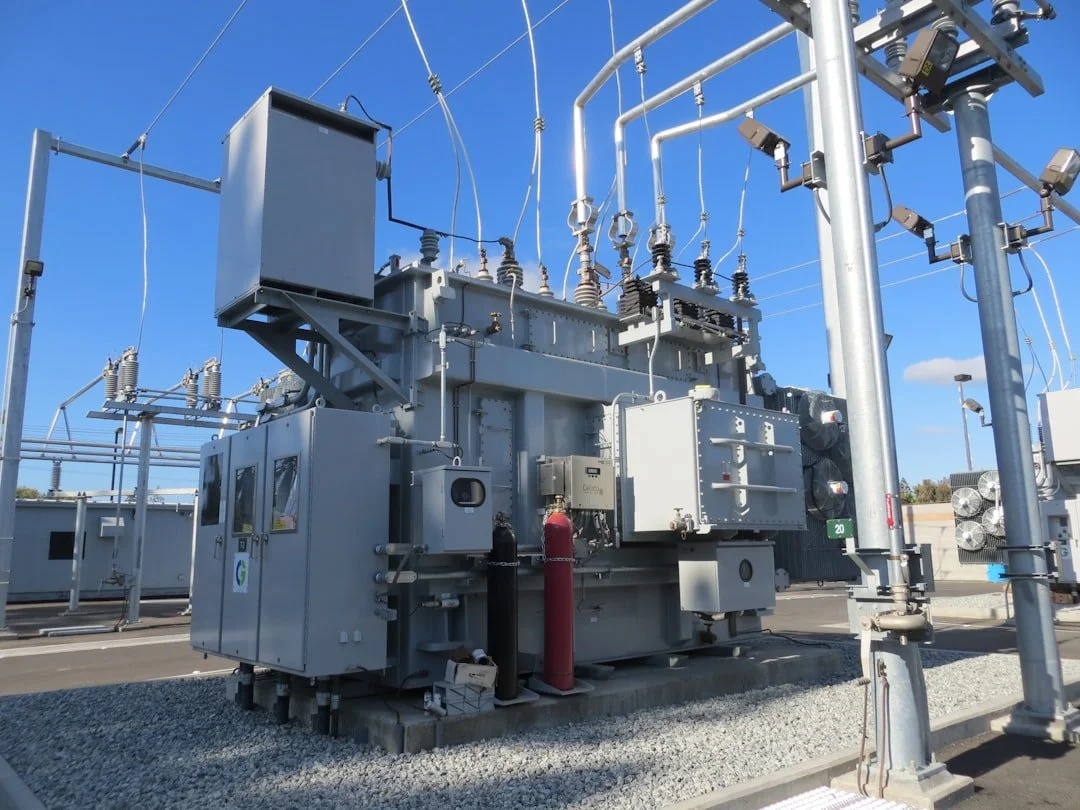
Quick Answer: The right generator size depends on how much of your home you want to power and what those loads add up to, not on the home's square footage. To run a whole house, a standby generator is typically sized to handle the home's major systems running together — including the big startup surges from motors like the air conditioner and well pump. A load assessment tallies your essential and desired circuits, accounts for those surge demands, and points to the generator capacity you need. Bigger isn't automatically better; an oversized generator wastes fuel and money, while an undersized one can't keep up. Matching the generator to your actual loads is the goal.
When a storm knocks out the power, a whole-house generator is what keeps the lights, the HVAC, the fridge, and everything else running. But "how big do I need" is one of the most common questions, and the answer isn't a single number — it depends on what you want to power and what those things draw. Sizing it right matters because both too small and too big create problems.
Sizing Is About Loads, Not Square Footage
The instinct is to size a generator by the house's size, but that's not how it works. What matters is the electrical load — the total draw of the systems and appliances you want to run, accounting for those that operate at the same time. A modest home full of large electric loads may need more generator than a bigger home with fewer demands. So the real question is: which circuits do you want to keep running during an outage, and what do they add up to? That total, not the floor plan, determines the generator size.
Decide What You Want to Power
The first step is to decide the scope of the backup you want. Some homeowners want true whole-house coverage — everything runs as if the power never went out. Others want to back up only the essentials: heating and cooling, the refrigerator, key lights and outlets, well or sump pumps, and medical equipment. The more you want to run, the larger the generator needs to be. Clarifying this scope is the foundation of sizing, because it sets the total load the generator has to carry.
| Backup scope | What it covers |
|---|---|
| Essentials only | HVAC, fridge, key lights/outlets, pumps |
| Most of the home | Essentials plus more circuits and comfort |
| Whole house | Everything runs as normal |
Don't Forget the Startup Surge
A critical sizing factor people overlook is the surge demand of motor-driven appliances. Things like the air conditioner, well pump, and some large appliances draw a brief but large power surge at startup — far more than they use while running. A generator has to be able to handle those surges, not just the steady-state load, or it can be overwhelmed when a big motor kicks on. Proper sizing accounts for these peak startup demands, especially for central air conditioning, which is a significant surge load. This is one reason professional load calculation matters: it factors in the surges that a simple appliance tally would miss.
Why Bigger Isn't Automatically Better
It's tempting to think a bigger generator is always the safe choice, but oversizing has real downsides. An oversized generator costs more up front, uses more fuel, and running well below its capacity isn't efficient. On the other hand, an undersized generator can't keep up with the loads you're asking it to carry, leading to overload and the inability to run everything you wanted. The goal is a generator matched to your actual needs — large enough to handle your chosen loads and their surges with appropriate margin, but not needlessly oversized. Right-sizing balances capability against cost and efficiency.
Make a clear list of what you truly need during an outage versus what's nice to have. Heating and cooling, refrigeration, and pumps usually top the must-run list. Knowing your priorities lets the generator be sized to what matters, rather than defaulting to "as big as possible" and paying for capacity you won't use.
Why a Professional Load Assessment Matters
Because sizing depends on your specific loads, their surges, and your backup goals, a professional load assessment is the reliable way to get it right. An electrician evaluates the circuits and systems you want to power, accounts for the startup surges of motors like the AC and pumps, and determines the generator capacity that fits — along with the transfer switch and installation needed to connect it safely to your home. This matters in a storm-prone coastal area, where reliable backup power is more than a convenience. A correctly sized, properly installed standby generator keeps your home running when you need it most, without the waste of oversizing or the shortfall of undersizing.
Frequently Asked Questions
It depends on which circuits and systems you want to power and what they add up to, including the startup surges of motors like the air conditioner and pumps — not on your home's square footage. A load assessment tallies your desired loads and their surge demands to determine the right capacity. Deciding whether you want essentials-only or whole-house backup is the starting point.
Yes, a standby generator can be sized to run a whole house, powering all your systems as if the grid never went down. The generator simply has to be large enough to handle the home's total load, including simultaneous operation and the startup surges of large motors. Whole-house coverage requires a bigger generator than backing up only the essentials.
Because the AC draws a large power surge at startup, well beyond what it uses while running, the generator must be able to handle it. Central air is a significant surge load, so sizing has to account for it specifically. A generator sized only for steady-state loads could be overwhelmed when the AC compressor kicks on, which is why surge demand matters.
No. An oversized generator costs more, uses more fuel, and running far below its capacity isn't efficient. An undersized one can't keep up with your loads. The goal is a generator matched to your actual needs — able to handle your chosen loads and their surges with a reasonable margin, without paying for capacity you won't use. Right-sizing beats simply going big.
Backing up essentials covers the must-run items — heating and cooling, the refrigerator, key lights and outlets, and pumps — and needs a smaller generator. Whole-house backup runs everything normally and requires a larger generator to handle the full load. Deciding which scope you want is the key first step in sizing, since it sets the total load.
A licensed electrician. Sizing requires a load assessment that accounts for your specific circuits and their startup surges, and installation involves connecting the generator to your home safely through a proper transfer switch, permitted and inspected. Because backup power ties into your main electrical system, professional sizing and installation ensure it works reliably and safely when an outage hits.
Size It to Your Home, Not Its Footage
The right whole-house generator is sized to what you want to power and what those loads draw — including the big startup surges from your AC and pumps — rather than to your home's size. Decide your backup scope, account for the surges, and aim for a generator matched to your real needs, since both undersizing and oversizing cost you. A professional load assessment is how you determine the capacity needed to keep your home running during an outage. Done right, the result is a generator that comes on automatically when the grid fails, carries the loads you chose without straining, and gives you one less thing to worry about when a coastal storm rolls through and the lights go out across the neighborhood.
Want a generator sized right for your whole house? — Get a load assessment and the correct standby generator installed for storm season. Castles Electrical serves Virginia Beach, Chesapeake, and Norfolk. Call (757) 765-8222.