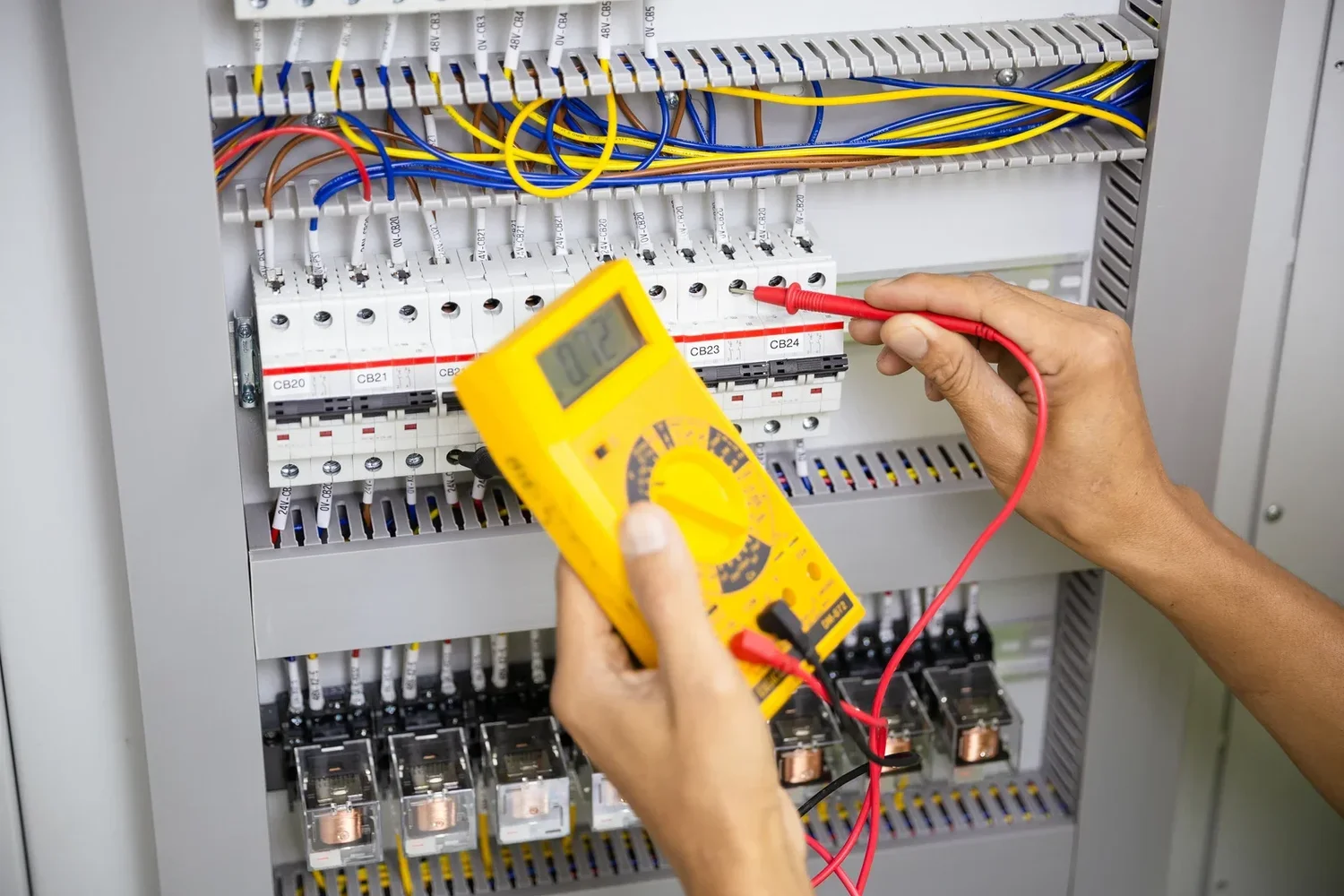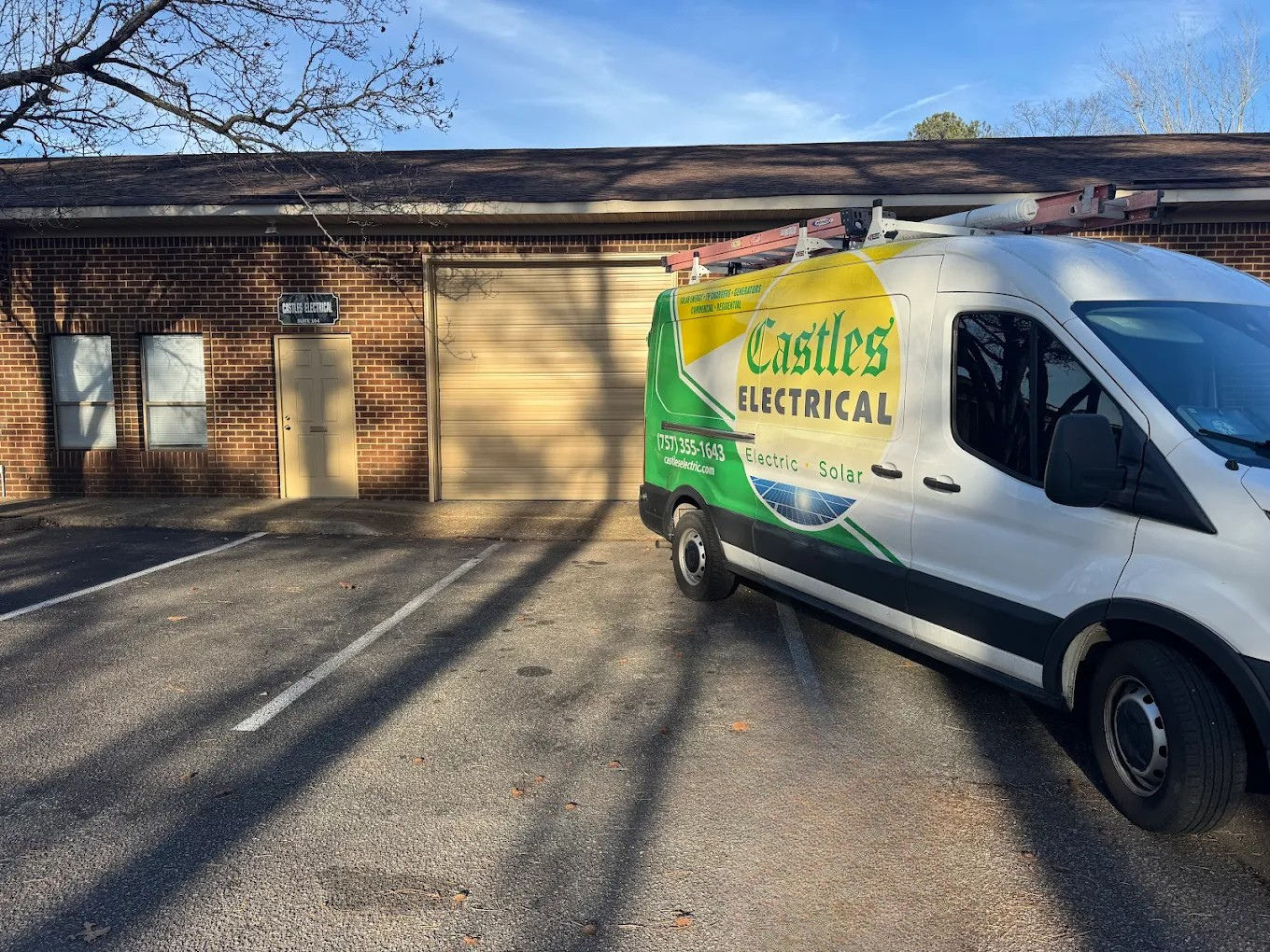
Electrical safety inspection in Virginia Beach by Castles Electrical

Thermal Imaging · Honest Findings

Electrical Safety Inspections & Code Compliance in Virginia Beach, VA

Whether you are buying a home, were flagged by your insurer, or just want to know your family is safe, a real electrical safety inspection tells you exactly what is sound and what needs attention, in plain language. Castles Electrical performs safety inspections and code-compliance work across Virginia Beach, Chesapeake, Norfolk, Portsmouth, and Suffolk, and we are a locally owned, licensed electrical contractor that does a thorough exam, not a checklist drive-by. From the panel and grounding to smoke and carbon monoxide detectors, we look at the whole system and hand you an honest picture.

Licensed. Insured. Trusted.  We treat your home like it's our own.
Tesla Certified Installer Serving Virginia Beach & Nearby Cities
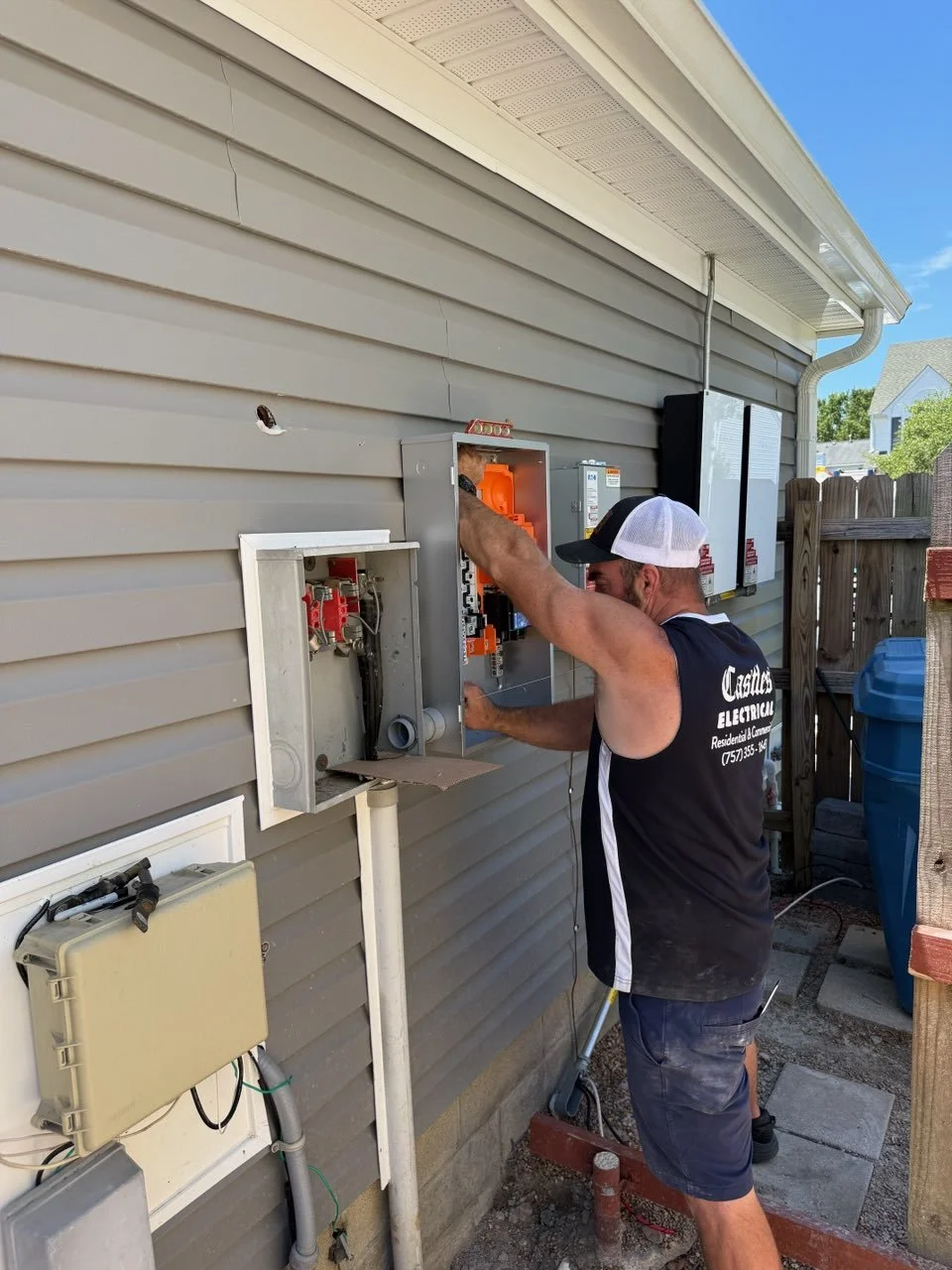
Electrical Safety Inspections project photo

An inspection is only as good as the electrician doing it. We test the panel and breakers, check for the fire-hazard panels and aluminum wiring that plague older homes in this area, verify grounding and bonding, confirm GFCI and AFCI protection where code requires it, use thermal imaging to find hotspots you cannot see, and check your smoke and CO coverage. Then we tell you what is fine, what should be fixed, and what your insurer or a buyer will flag, without inventing work you do not need.

Whether you are a home buyer, a military family relocating, a homeowner with an insurance letter, or simply someone who wants peace of mind, one call gets you a licensed electrician who inspects the whole system and tells it like it is.

GENERAC
TESLA
KOHLER
NABCEP
BBBA+
SquareD
GENERAC
TESLA
KOHLER
NABCEP
BBBA+
SquareD
Home / Services / Electrical Safety & Inspections

01 — Why Homeowners Choose Castles Electrical

Why Homeowners Choose Castles Electrical for Safety Inspections

01

Licensed & Insured

Master Electrician and Class B Contractor licensed, fully bonded, and insured for inspections and safety work.

02

Thorough, Not a Drive-By

A real exam of the panel, grounding, GFCI/AFCI, service entrance, and detectors, not a five-minute checklist.

03

Thermal Imaging

We use thermal imaging to find overheating connections and hotspots before they become a fire.

04

Honest Findings

We tell you what is safe, what needs fixing, and what a buyer or insurer will flag, no invented work.

05

Insurance-Ready

We identify and document the FPE, Zinsco, aluminum, and grounding issues carriers now require to be fixed.

06

Free Written Estimate

A firm written estimate on any recommended work, honored for 30 days, with no hidden fees.

02 — Three Reasons to Get an Inspection

Three Reasons Local Homeowners Get a Safety Inspection

1

You are buying a home and want the truth about its wiring

A general home inspection glances at the electrical system; it rarely opens the panel, tests grounding, or catches a Federal Pacific or Zinsco panel, aluminum branch wiring, or a house full of ungrounded outlets. For buyers, especially military families relocating here who are often on a tight timeline, a dedicated electrical inspection tells you what you are really buying and what it will cost to make it safe before you close, rather than after. Finding a fire-hazard panel or a rewire-worth of aluminum during due diligence gives you room to negotiate or walk away; finding it after closing is a bill you inherit alone.

2

Your insurer flagged the home, or you want to stay ahead of it

Many home insurers now require inspection or replacement of fire-hazard panels, aluminum wiring, and inadequate grounding as a condition of coverage. An inspection identifies exactly what your insurer will care about and documents it, so you can address the real issues and keep your policy rather than being surprised at renewal. Getting ahead of it is far less stressful than reacting after a non-renewal notice. Carriers rarely explain exactly what they want fixed, and part of our job is translating their concern into the specific panel, wiring, or grounding work that satisfies it.

3

Peace of mind in an older or storm-exposed home

Much of the region's housing is decades old, and coastal storms, flooding, and humidity add wear that is easy to miss. If your breakers trip, an outlet runs warm, the lights flicker, or you simply have not had the system looked at, an inspection with thermal imaging finds the developing problems, an overheating connection, a failing breaker, or a grounding gap, while they are still cheap to fix and before they become a hazard. A loose connection found on a thermal scan is a ten-minute repair; the same connection found after it arcs is a fire and an insurance claim.

03 — What Our Safety Inspections Cover

Safety and Inspection Work We Handle in Virginia Beach, Chesapeake & Norfolk

The inspection

A Castles Electrical safety inspection looks at the whole electrical system, not just the parts that are easy to reach.

  • Main panel and breaker inspection and testing
  • Fire-hazard panel identification (Federal Pacific, Zinsco, Pushmatic)
  • Aluminum and knob-and-tube wiring identification
  • GFCI and AFCI protection verification
  • Outlet polarity, open-ground, and reverse-polarity testing
  • Service-entrance, meter base, and grounding review
  • Thermal imaging of the panel and connection points
  • Attic and crawlspace wiring, junction box, and past DIY review
  • Smoke and carbon monoxide coverage check

Detectors and life safety

We install and correct the detectors that protect your family to the current code.

  • Hardwired, interconnected smoke detector installation
  • Carbon monoxide detector installation
  • Combination smoke and CO units
  • Battery backup and 10-year sealed options
  • Placement and interconnection brought to code

Grounding, bonding, and compliance

We correct the foundational safety items that older homes most often lack.

  • Grounding-electrode system inspection and upgrade
  • Bonding of water, gas, and CSST systems to the current code
  • Grounding corrections for a compliant, protected system
  • Code-compliance corrections and documentation
  • Whole-home surge protection as a safety upgrade
04 — Our Process, Start to Finish

How a Castles Electrical Safety Inspection Works

1

You reach a real person

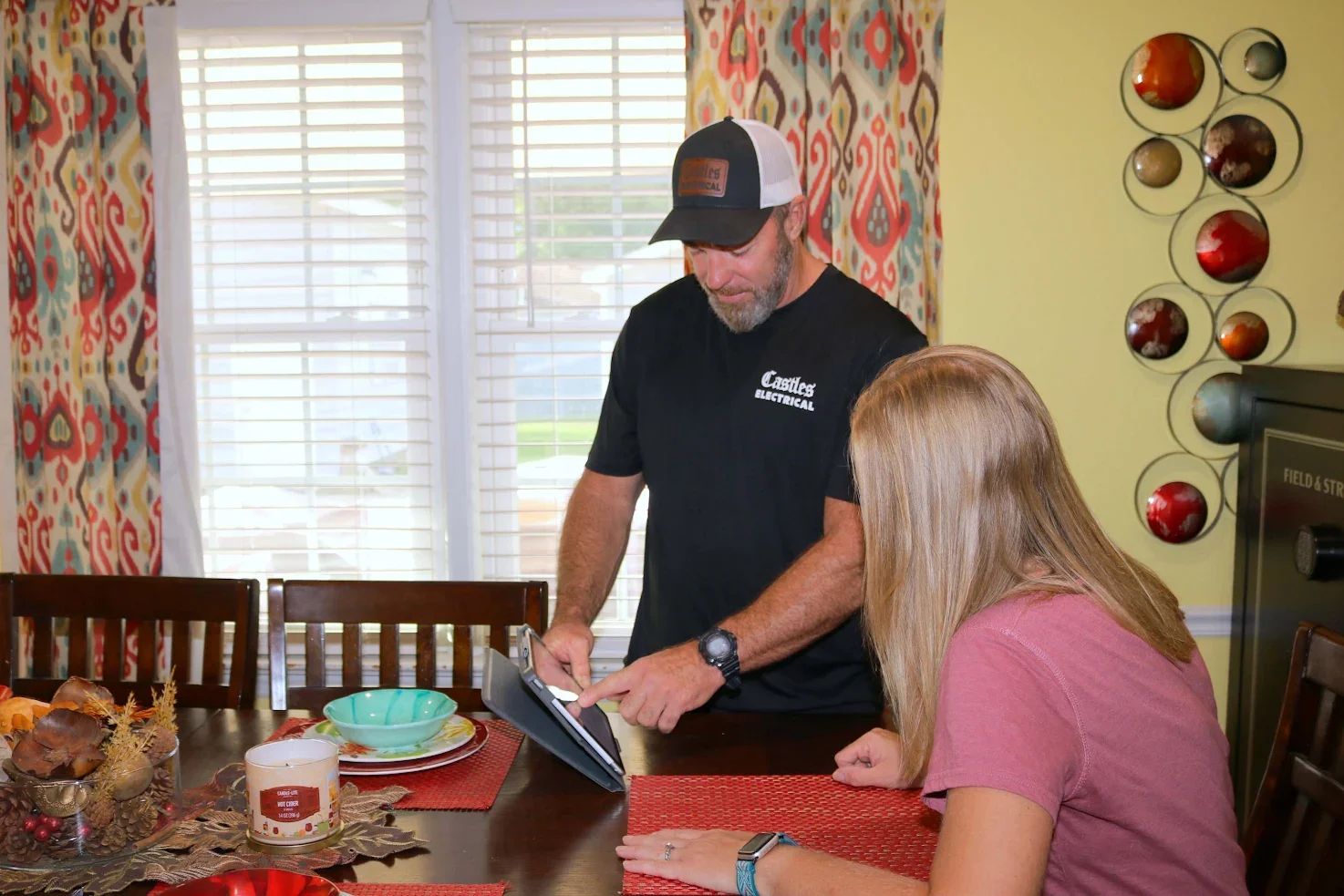
Call (757) 765-8222 and talk to a real person on our team, not a call center. We ask why you need the inspection, buying, insurance, a symptom, or peace of mind, and the age of the home, so we know what to focus on and can schedule around a closing if needed.

2

The full-system exam

We inspect the panel, breakers, grounding, service entrance, and detectors, test GFCI and AFCI protection and outlet wiring, and run thermal imaging to find overheating connections that are invisible to the eye. We look for the region's usual suspects, fire-hazard panels and aluminum wiring, specifically.

3

A plain-language report

We walk you through what we found in language that makes sense: what is safe, what should be fixed now, what can wait, and what a buyer or insurer will flag. No jargon, no scare tactics, and no invented work, just a clear picture of the home's electrical health and what, if anything, to do about it.

4

A written estimate of any repairs

If the inspection turns up work, you get a firm written estimate, honored for 30 days, so you can decide with real numbers. There is never pressure to do everything at once.

5

Corrections done right

When you approve repairs, our own licensed electricians do them to code, whether that is a panel replacement, a grounding upgrade, detector installation, or GFCI and AFCI corrections, and we pull permits where the work requires them.

6

Documentation

Whether you need it for a purchase or an insurer, we document the findings and the corrections so you have proof in hand for the closing table or the carrier.

7

Warranty

Any corrective work carries our workmanship warranty in addition to the manufacturer's warranty on the equipment installed.

Electrical Safety Inspections & Code Compliance in Virginia

05 — Inspection Pricing

What a Safety Inspection Costs

We keep inspection pricing simple and tell you the cost before we come out. What matters more is that you get a thorough, honest exam rather than a cheap glance.

The inspection itself

A dedicated electrical safety inspection is a focused visit, priced clearly up front, that covers the panel, grounding, protection devices, service entrance, detectors, and a thermal scan. For buyers on a closing timeline, we schedule promptly so the inspection never holds up your purchase.

Corrections are quoted separately

If the inspection finds work, each item is quoted separately, so you can see exactly what each correction costs and prioritize. A grounding upgrade, a detector package, a GFCI retrofit, and a panel replacement are very different jobs, and we price them individually rather than as one vague number.

Honest scoping over upselling

The value of our inspection is that we tell you what actually needs doing, including when the answer is that the system is fine. We would rather earn your trust with a straight assessment than pad a repair list, which is exactly the reputation our customers describe. When an insurer demands a replacement the panel does not actually need, we say so, which is the opposite of how the fear-sale model works.

06 — Real Virginia Beach Inspection Stories

Real Safety and Inspection Projects in Virginia Beach and Nearby Cities

“

Nicholas had Castles Electrical handle electrical inspection and related work, including panel work, and described an amazing experience where Wayne went above and beyond expectations, the kind of thorough, trustworthy exam a homeowner wants when safety is the question.

Real Customer Example | From a verified Google review (Nicholas C., March 2026)

“

Nathan highlighted that the communication, scheduling, installation, and permit and inspection all went smoothly, a reminder that a job done to code and signed off by the inspector is the standard we hold on every visit.

Real Customer Example | From a verified Google review (Nathan S., June 2026)

“

Danny praised exceptional service, skilled craftsmanship, and attention to safety, with Castles Electrical going the extra mile, which is precisely the mindset behind a real safety inspection: doing the careful, thorough work that protects the home.

Real Customer Example | From a verified Google review (Danny O., April 2026)

Castles Electrical vs. National Franchise Electricians

How a locally owned, owner-licensed shop approaches a safety inspection compared with the chain model.

Feature
Castles Electrical
National Franchise Electricians
Depth of exam
Full system with thermal imaging
Quick visual checklist
Who does the work
Owner-licensed, in-house crew
Rotating or subcontracted crews
Findings
Plain-language, honest, no invented work
Long repair lists that drive the bill
Fire-hazard panels
Identifies FPE, Zinsco, and aluminum specifically
Often missed
Grounding
Verified and documented
Rarely tested
Documentation
Provided for buyers and insurers
Seldom offered
Corrections
Our own electricians fix it to code
Handed to a subcontractor
Buyer timelines
Scheduled around your closing
One-size scheduling
Estimate
Written, itemized, honored 30 days
Verbal, add-ons common
Warranty
Workmanship plus manufacturer's warranty
Varies

07 — Virginia Beach Local Conditions

Virginia Beach Conditions That Affect Electrical Safety

This area has a specific mix of housing, weather, and buyers that shapes what a safety inspection here needs to catch.

Military relocation drives pre-purchase inspections

With Norfolk Naval Station, Oceana, Little Creek, and the other bases nearby, home buying by military families here runs constantly on tight relocation timelines. Many of these buyers are purchasing quickly, sometimes sight-unseen, and a dedicated electrical inspection before closing is how they avoid inheriting a fire-hazard panel or an ungrounded house. We schedule these promptly so an inspection never delays a move.

Insurance carriers are driving inspections and corrections

Virginia insurers increasingly require inspection or replacement of Federal Pacific and Zinsco panels, aluminum branch wiring, and inadequate grounding to write or renew a policy. Our inspection identifies exactly what a carrier will flag and documents the corrections, which is often the difference between keeping coverage and losing it.

Older housing stock hides common deficiencies

A large share of the region's homes date to the 1960s through the 1980s and earlier, eras that left ungrounded two-prong outlets, missing GFCI and AFCI protection, aluminum wiring, and fire-hazard panels behind finished walls. These are exactly the issues a real inspection surfaces and a checklist glance misses.

Coastal flooding and storms add hidden damage

Tidal flooding, storm surge, and years of humidity corrode connections, damage grounding, and leave water intrusion in panels and crawlspaces that a homeowner never sees. After a storm or in a flood-prone area, an inspection catches the corrosion and ground faults that develop out of sight before they cause a failure. Water and electricity leave evidence that a trained eye and a thermal camera can read, even after the visible signs have dried.

Humidity and salt air degrade grounding over time

The same coastal air that ages everything else corrodes ground rods, bonding connections, and service-entrance hardware, quietly weakening the grounding on which all of a home's safety depends. We test the grounding-electrode system specifically because it degrades faster than most homeowners realize in this climate. A ground that tested fine a decade ago can be well below standard now, and nobody notices until a surge or a fault has nowhere safe to go.

A busy resale market means agents and buyers need answers

This area has steady home-sale activity, and buyers, sellers, and agents all benefit from a clear electrical assessment before a deal. Whether it is a seller getting ahead of issues or a buyer verifying a home, a straight inspection keeps a transaction moving and keeps everyone honest. Deals stall on surprises, and an electrical inspection removes one of the biggest surprises from the table.

Smoke and CO code has evolved, and older homes lag it

Requirements for interconnected, battery-backed smoke and carbon monoxide detectors have tightened over the years, and many older homes here fall short of current placement and interconnection standards. We check coverage against the current code and bring it up to code, which is one of the most important life-safety fixes in any older home.
Electrical Safety Inspections & Code Compliance in Virginia

08 — Expertise Deep-Dive

Expertise Deep-Dive: Inspection Details That Separate Us

A safety inspection is worth exactly as much as the depth and honesty behind it. Here is what we actually do that separates a real exam from a glance.

What a real electrical inspection covers

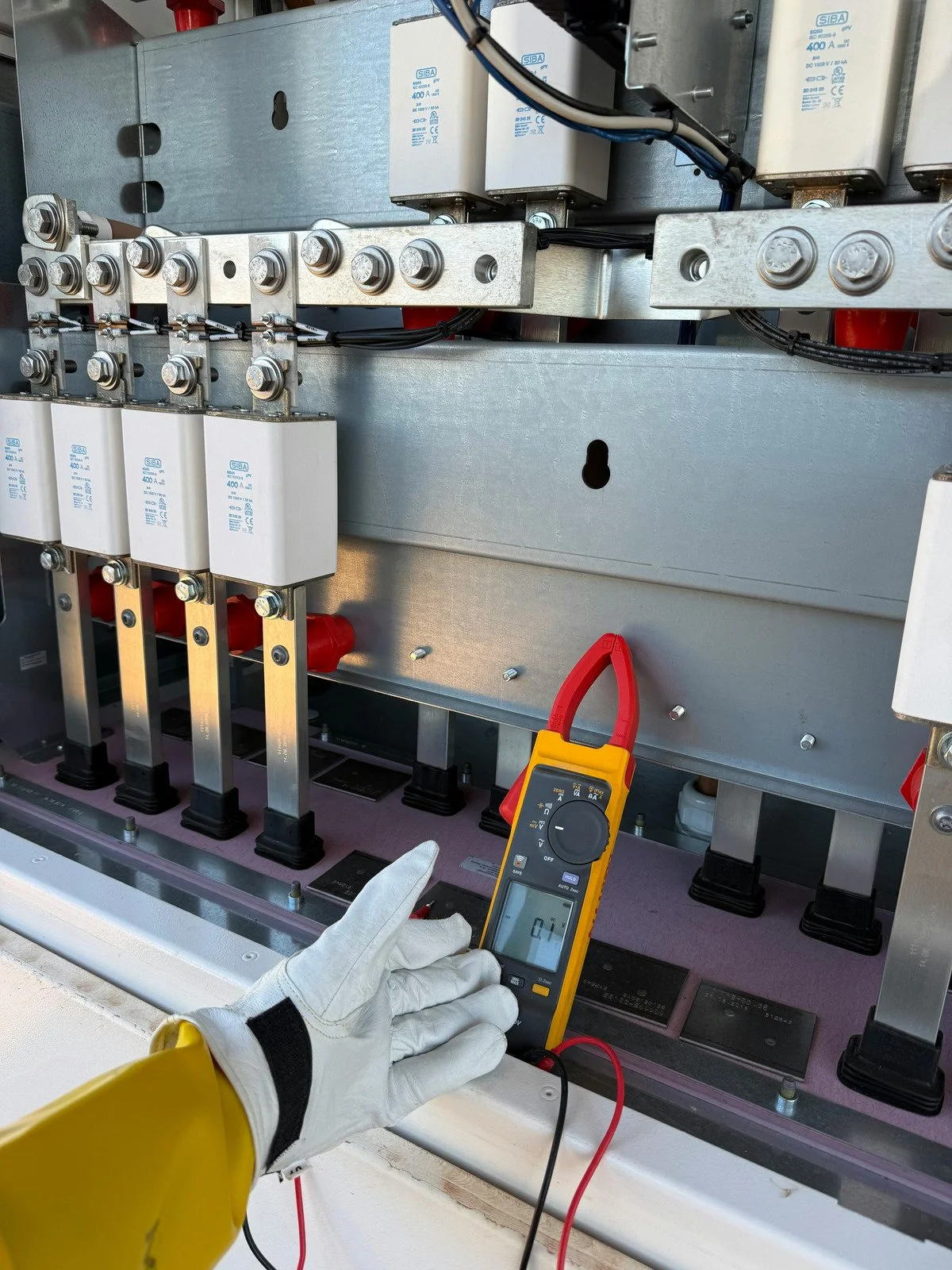
A meaningful inspection opens the panel and tests it, rather than looking at the cover. We check breaker condition and torque, the bus for heat damage, GFCI and AFCI function, outlet polarity and grounding, the service entrance and meter base, the grounding-electrode system, and smoke and CO coverage, and we run a thermal scan on top of all of it. A checklist that never opens the panel cannot find the problems that actually cause fires.

Thermal imaging finds what the eye cannot

An overheating connection or an overloaded circuit runs hot long before it fails, and that heat is invisible until it scorches or sparks. We use a thermal camera to scan the panel and connection points under load, which reveals a loose lug, a failing breaker, or an overloaded circuit, and it is still a cheap fix. It is one of the most valuable tools in an inspection and one that many inspectors skip. The camera does not guess; it shows the heat, turning a subjective opinion into something you can see for yourself.

Identifying fire-hazard panels and aluminum wiring

Federal Pacific Stab-Lok and Zinsco panels have documented failure-to-trip histories, and aluminum branch wiring overheats at connections over time. Both are common in this region and exactly what a general home inspector tends to miss. We identify them on sight, explain the risk honestly, and document them for a buyer or insurer who needs to know.

Grounding and bonding verification

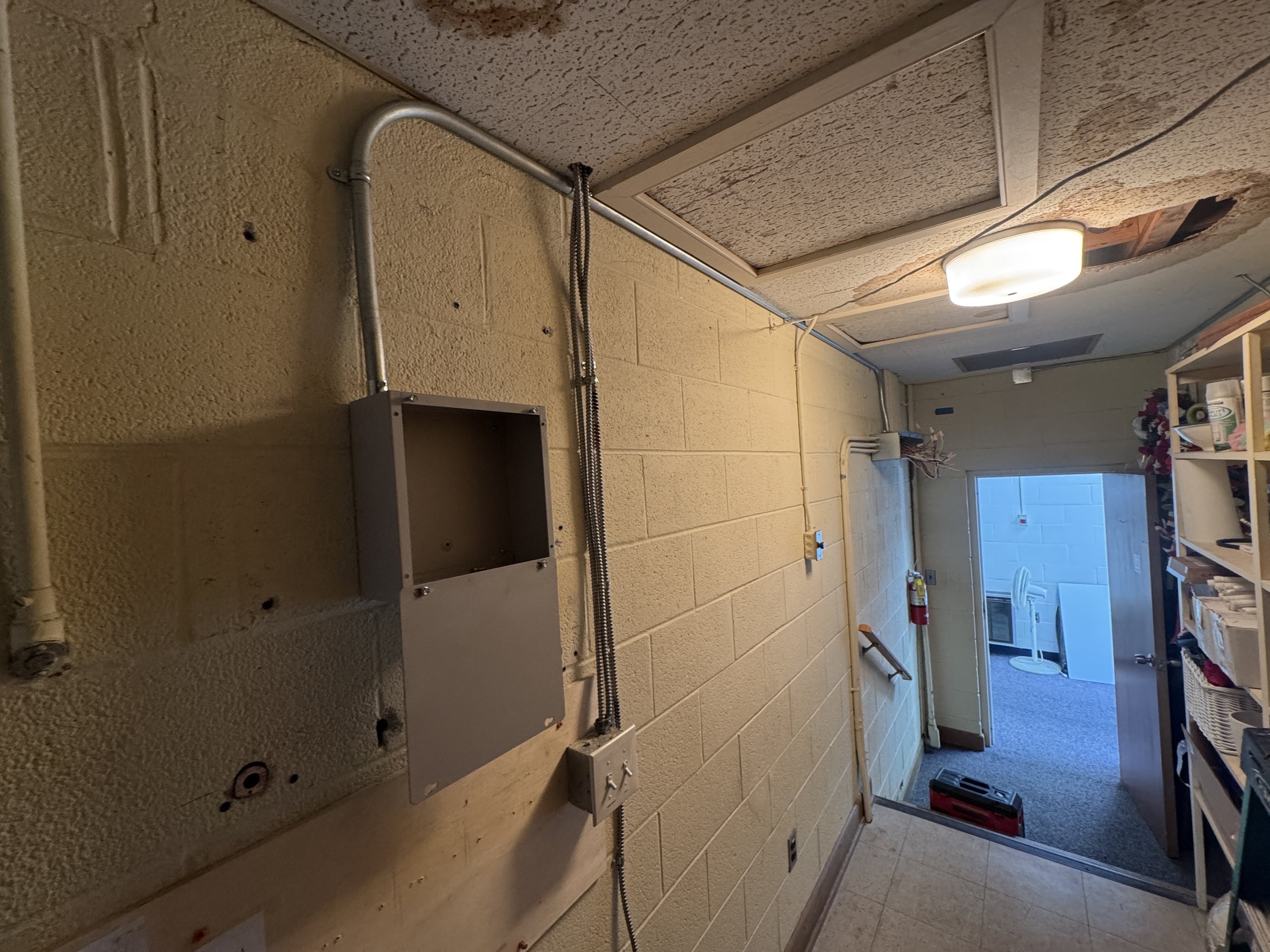
Grounding is the invisible foundation of electrical safety, and it is frequently inadequate in older homes: a missing ground, a corroded rod, or an unbonded water, gas, or CSST system. We test the grounding-electrode system and the bonding required by the current code because a home can look fine and still lack the safety path that protects it during a fault or surge.

Smoke and CO detectors to the current code

Current code calls for interconnected smoke detectors with battery backup and carbon monoxide detectors in the right locations, so that one alarm sounds them all. Many older homes have unlinked, battery-only units in the wrong spots. We install hardwired, interconnected detectors or sealed 10-year units where appropriate, placing and linking them to code, which is one of the highest-impact safety upgrades in any home. When one alarm can wake the whole house, minutes matter, and unlinked battery units simply cannot do that.

GFCI and AFCI protection where code requires it

Code requires ground-fault protection in wet and outdoor areas, and arc-fault protection across most living-area circuits, and older homes routinely lack both. We verify the existing protection, identify the gaps a modern inspection or insurer will flag, and correct them with the right devices and breakers so the home meets current safety standards.

Documentation you can hand to a buyer or insurer

An inspection is most useful when its findings are written down. Where you need it for a closing or a carrier, we document what we found and what we corrected, so you have proof in hand rather than a verbal assurance. That paperwork is often what keeps a sale or a policy on track. A clear, signed record of findings and corrections answers the questions a buyer, an agent, or an adjuster is going to ask before anyone has to ask them.

Electrical Safety Inspections & Code Compliance in Virginia

09 — Safety Inspection FAQs

Electrical Safety Inspection FAQs
What does an electrical safety inspection include?+

We open and test the panel, check breakers and grounding, verify GFCI and AFCI protection, test outlet polarity and grounds, review the service entrance and meter base, run thermal imaging for hotspots, and check smoke and CO coverage. Then we give you a plain-language report of what is safe and what needs attention.

Is this different from the home inspection when I buy?+

Yes. A general home inspection glances at the electrical system and rarely opens the panel or tests grounding. A dedicated electrical inspection goes deep and catches the fire-hazard panels, aluminum wiring, and grounding gaps that a general inspection misses.

Do you do pre-purchase inspections on a closing timeline?+

Yes. We schedule promptly for home buyers, including military families relocating, so the inspection fits within your closing window and never delays the purchase.

My insurance company wants an inspection. Can you help?+

Yes. We identify exactly what your carrier cares about, fire-hazard panels, aluminum wiring, and grounding, and document the findings and any corrections so you can satisfy the insurer and keep your coverage.

What is a Federal Pacific or Zinsco panel, and why does it matter?+

They are panel brands with documented histories of breakers that fail to trip during a fault, which is when you most need them to work. Insurers increasingly require replacement. We identify them during the inspection and explain your options honestly.

Do you use thermal imaging?+

Yes. We scan the panel and connection points with a thermal camera to find overheating connections and overloaded circuits that are invisible to the eye, catching developing problems while they are still inexpensive to fix.

Can you install smoke and carbon monoxide detectors?+

Yes. We install hardwired, interconnected smoke and CO detectors with battery backup, or sealed 10-year units where appropriate, placed and linked to current code, which is one of the most important life-safety upgrades in an older home.

Will you fix what the inspection finds?+

Yes, if you want us to. Our own licensed electricians handle any corrections, from grounding upgrades and GFCI retrofits to detector installation and panel replacement, quoted item by item, so you can prioritize.

Do you check grounding and bonding?+

Yes, and it is one of the most commonly inadequate items in older homes here. We test the grounding-electrode system, verify compliance with water, gas, and CSST bonding current code requirements, and document our findings so you have it for a buyer or an insurer.

How often should I have my home's electrical system inspected?+

For most homes, every three to five years is sensible, and sooner when you buy the home, after a major storm or flood, when you add a large load like an EV charger or hot tub, or if you notice warm outlets or flickering. Older and coastal homes benefit from the shorter end of that range.

How long does an electrical inspection take?+

A typical home electrical safety inspection takes about one to two hours, depending on the size and age of the home and how accessible the panel, attic, and crawlspace are. We take the time to do it right rather than rushing a checklist.

Will you pressure me to do a long list of work?+

No. We tell you what is genuinely a safety issue, what can wait, and what is fine, and we quote only what you choose to address. An honest assessment is the whole point of the inspection.

Thermal image of a hot connection

Castles Electrical: locally owned, licensed, and keeping local homes safe and up to code since 2012.

A thorough look now beats a surprise later, whether the surprise is a failed home sale, a dropped policy, or a fire.

Interconnected smoke and CO detector install
Grounding-electrode and bonding detail
Panel and breaker inspection on site

Google 5.0 Rated by Virginia Beach Homeowners

Castles Electrical maintains a 5.0 rating on Google. The reviews below load as a live widget, so this page always shows current, verified feedback from real customers across Virginia Beach, Chesapeake, Norfolk, and the surrounding communities.
Leave Us a Google Review

Ready When You Need Us

Ready for Peace of Mind? Contact Castles Electrical Today.

Get a licensed, locally owned electrical contractor that does a thorough, thermal-imaged exam, gives you honest findings, and fixes only what actually needs fixing.

Hours

  • Monday to Friday: 7:00 AM to 10:00 PM
  • Saturday: 7:00 AM to 7:00 PM
  • Sunday: Closed
  • After-hours calls answered until about 10:00 PM; urgent issues get a fast response, others a next-morning callback

Service area

Virginia Beach, Chesapeake, Norfolk, Portsmouth, and Suffolk, including the Virginia Beach waterfront communities of Great Neck, Bay Colony, Cape Henry, Sandbridge, and Lago Mar.

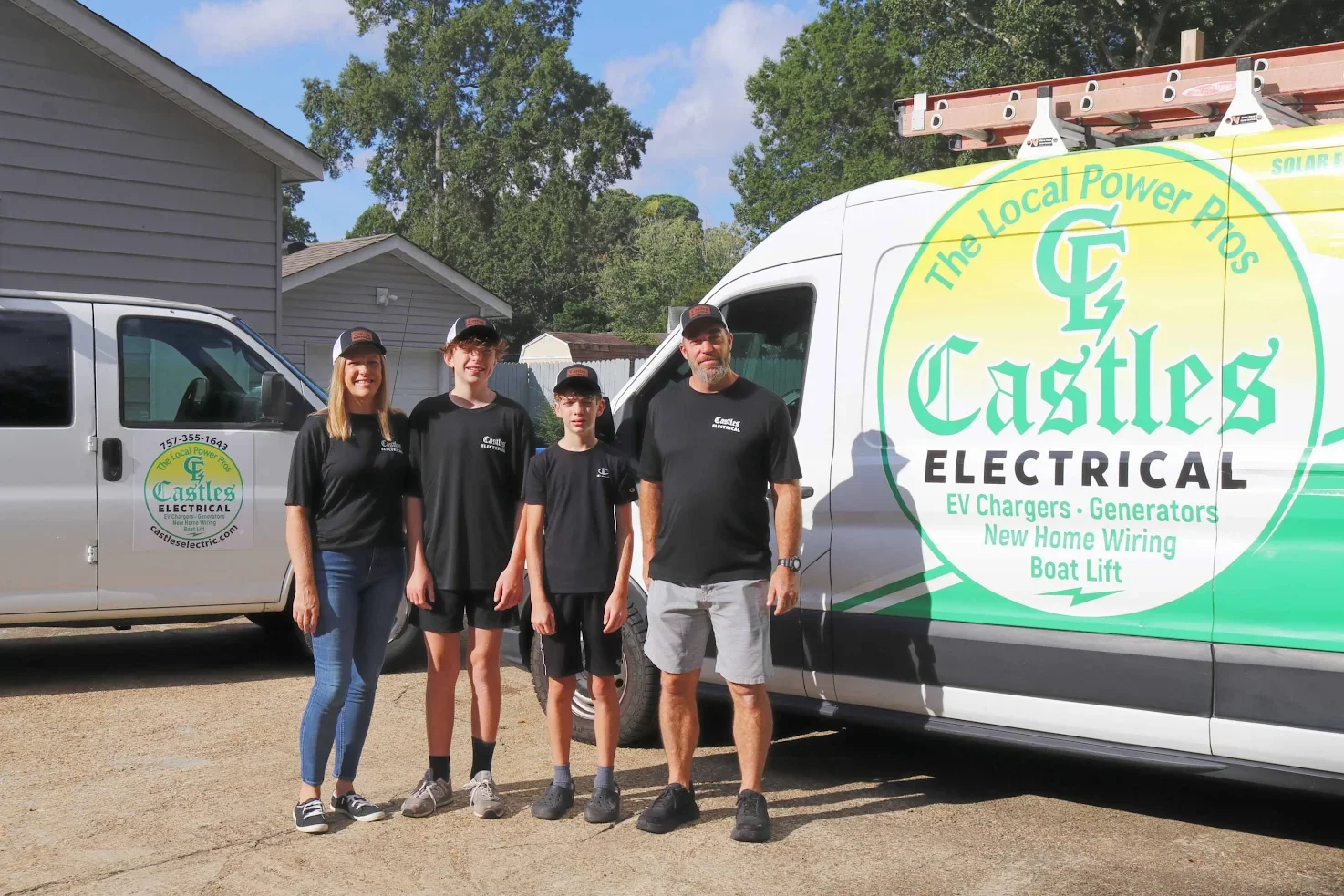
The Castles Electrical team beside the company van