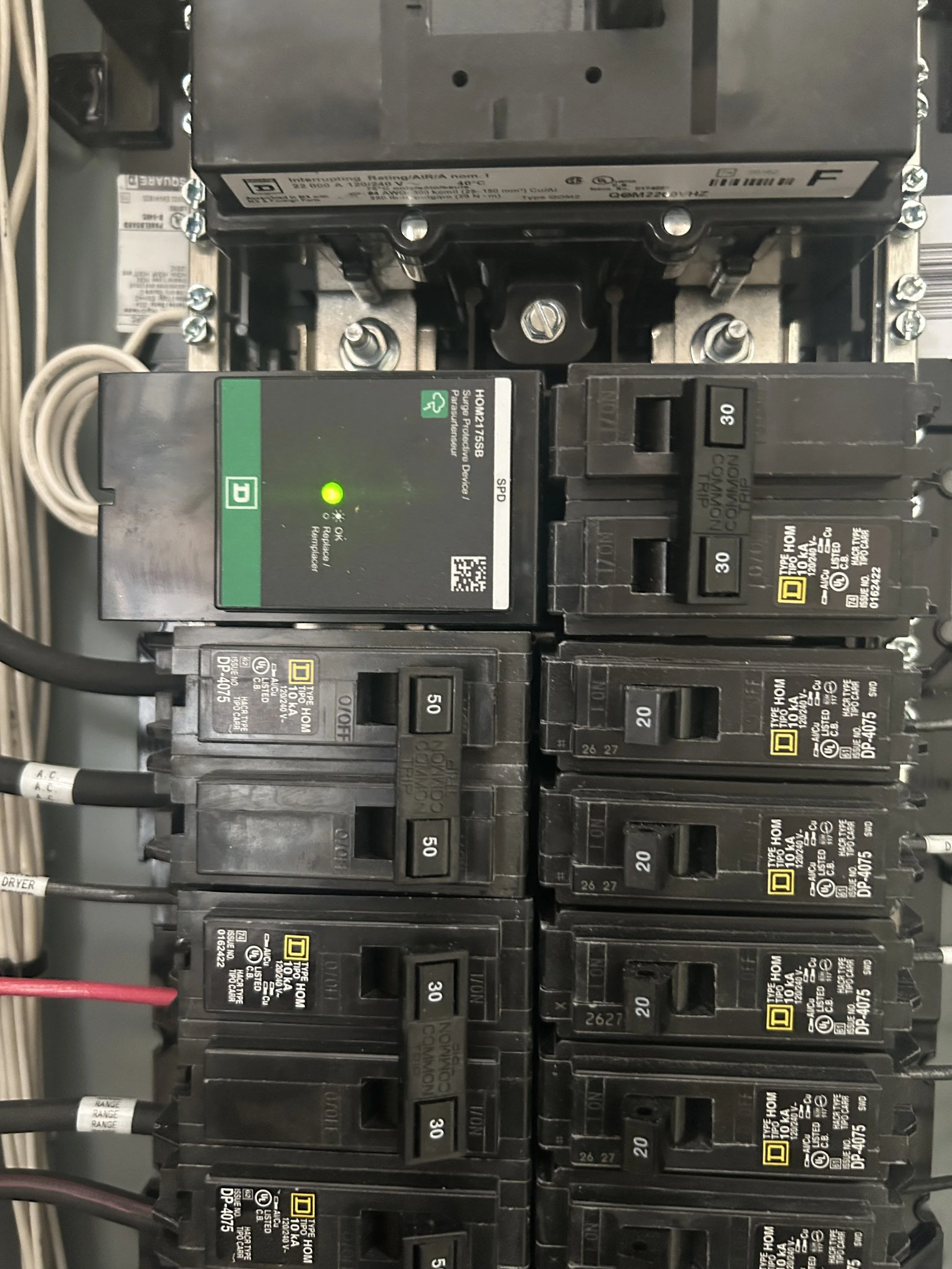
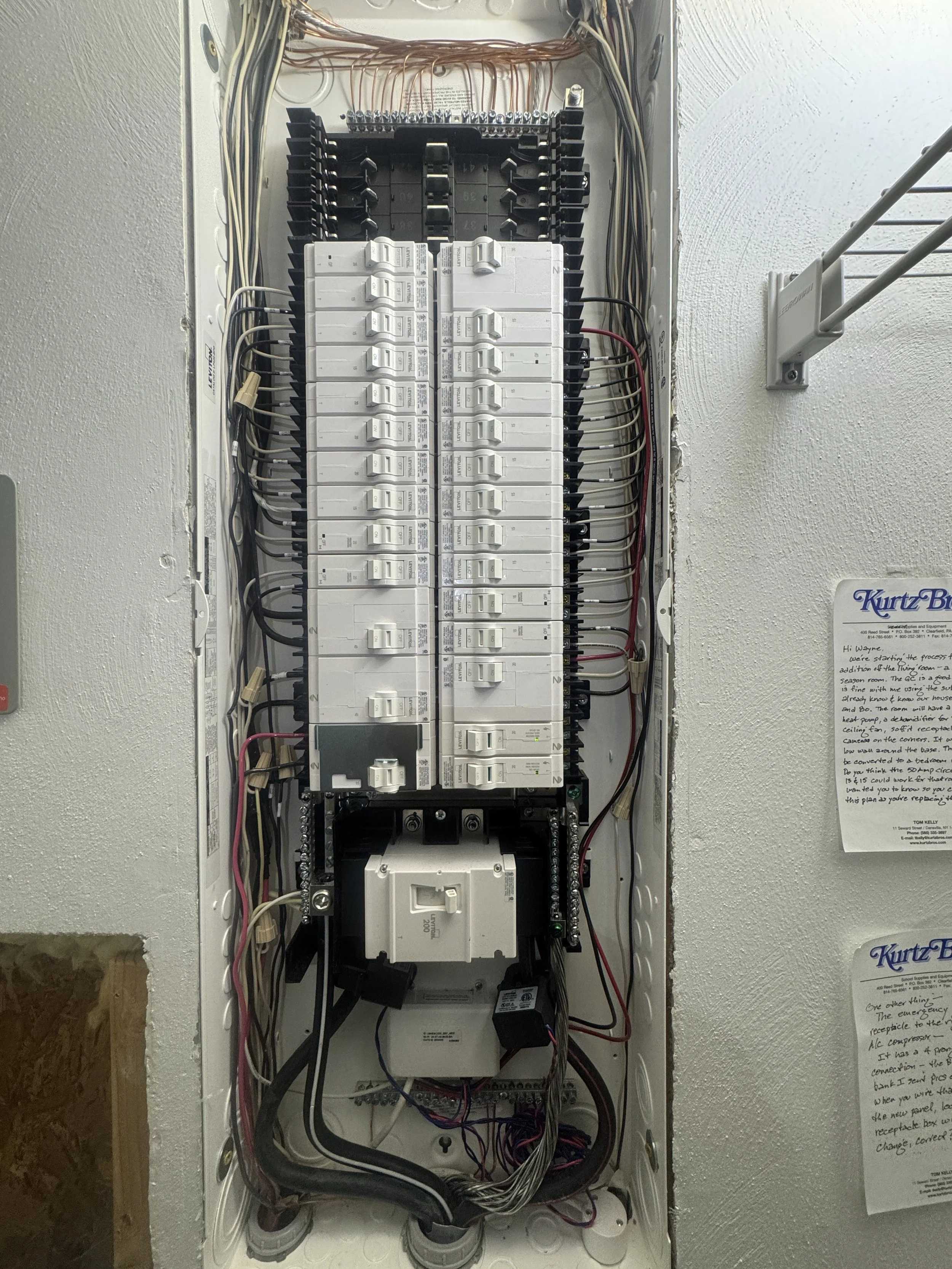
Whole-home surge protection installed in Virginia Beach by Castles Electrical

Installed Inside the Panel · Coastal Storm Ready

Whole-Home Surge Protection in Virginia Beach, VA

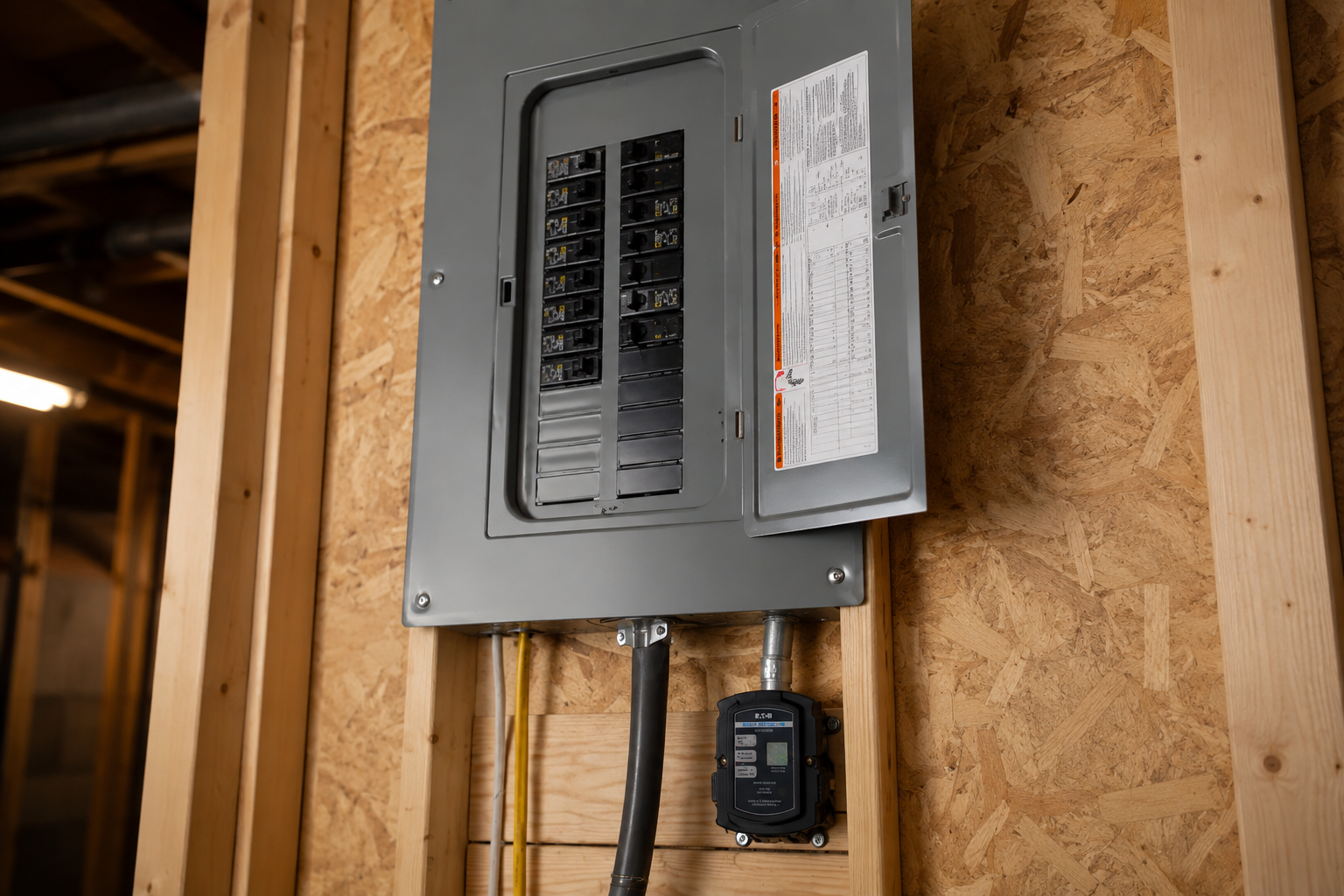
A single nearby lightning strike or a storm-driven grid event can push a voltage spike through your electrical system and quietly destroy the electronics, HVAC boards, and smart appliances you depend on. In coastal Virginia, where lightning and named storms are a fact of every summer, whole-home surge protection is one of the highest-value upgrades you can make. Castles Electrical installs whole-home surge protection across Virginia Beach, Chesapeake, Norfolk, Portsmouth, and Suffolk. This is not a plug-in power strip. It is a surge protective device installed inside your main electrical panel, wired to its own breaker, and it is included with every panel change we do.

Licensed. Insured. Trusted.  We treat your home like it's our own.
Tesla Certified Installer Serving Virginia Beach & Nearby Cities
Whole-Home Surge Protection project photo

A whole-home surge device is installed inside your main electrical panel, hardwired to a dedicated breaker rather than plugged into an outlet, and it acts like a pressure-relief valve for your wiring. When a sudden spike in voltage comes in from a storm or the power grid, the device absorbs it and sends the excess energy safely to ground before it can reach your breakers, air conditioner, EV charger, computers, and everything else plugged in. We size the device to your home, install it on a dedicated breaker with the short lead lengths that make it actually work, and verify your grounding, because a surge protector is only as good as the ground behind it. Because the device lives inside the panel, the right time to install it is while the panel is already open. Every panel change we perform includes whole-home surge protection as part of the job, and current code requires it on panel replacements and upgrades.

Whether you just lost electronics to a storm, want to protect a new HVAC system or a house full of smart devices, or simply never want to gamble on the next lightning season, one call gets you a licensed electrician who protects the whole home at the source.

GENERAC
TESLA
KOHLER
NABCEP
BBBA+
SquareD
GENERAC
TESLA
KOHLER
NABCEP
BBBA+
SquareD
Home / Services / Whole-Home Surge Protection

01 — Why Homeowners Choose Castles Electrical

Why Homeowners Choose Castles Electrical for Surge Protection

01

Licensed & Insured

Master Electrician and Class B Contractor licensed, fully bonded, and insured for whole-home surge work.

02

Installed Inside the Panel

A Type 2 surge protective device wired inside your main panel on its own breaker, the strongest single point to stop a surge.

03

Installed to Perform

Short leads, the correct breaker, and proper mounting, because a poorly installed surge device barely works.

04

Grounding Verified

A surge protector only works if the ground behind it is sound, so we check and correct the grounding.

05

Coastal Storm Ready

Sized for the lightning and named-storm voltage events that hit coastal Virginia every summer.

06

Free Written Estimate

A firm written estimate after we see your panel, honored for 30 days, with no hidden fees.

02 — Three Reasons to Protect Your Home

Three Reasons Local Homeowners Add Surge Protection

1

A nearby strike does not have to hit your house to damage it

People picture a surge as a direct lightning hit, but the far more common damage comes from a strike a few streets over, or a utility switching event, that sends a voltage transient down the lines and into your panel. That spike does not trip a breaker. It punches through to whatever is connected, degrading or destroying HVAC control boards, refrigerators, televisions, computers, networking gear, and EV chargers, sometimes instantly and sometimes by shortening their life over repeated hits. A panel-level surge device intercepts those transients before they ever reach your equipment.

2

Modern homes have far more to lose

Today's home is full of sensitive electronics that did not exist a generation ago: variable-speed HVAC systems, smart appliances, home networks, solar and battery equipment, and EV charging, all with circuit boards that a surge ruins in a millisecond. Replacing an air-conditioner control board or a stack of electronics after a storm costs far more than the protection that would have prevented it. Whole-home surge protection is cheap insurance on an expensive, board-driven house, and it protects the equipment you cannot easily see that is at risk until the day it fails.

3

Coastal Virginia is a surge-heavy environment

Coastal Virginia sits in a moderate-to-high lightning zone and squarely in the Atlantic storm belt, so summer thunderstorms and named-storm grid disturbances make surges a regular event here, not a rare one. Add utility switching and an aging grid, and the question is not whether your home will see surges but whether it is protected when they arrive. That is why every panel change we do includes a whole-home surge protective device installed inside the new panel.

03 — What Surge Protection Covers

Surge Protection Work We Handle in Virginia Beach, Chesapeake, & Norfolk

Whole-home surge protection

The core of the service is stopping surges at the panel, where they enter the home.

  • Type 2 surge protective device installed inside the main electrical panel
  • Hardwired to a dedicated breaker with correct lead length, not plugged into an outlet
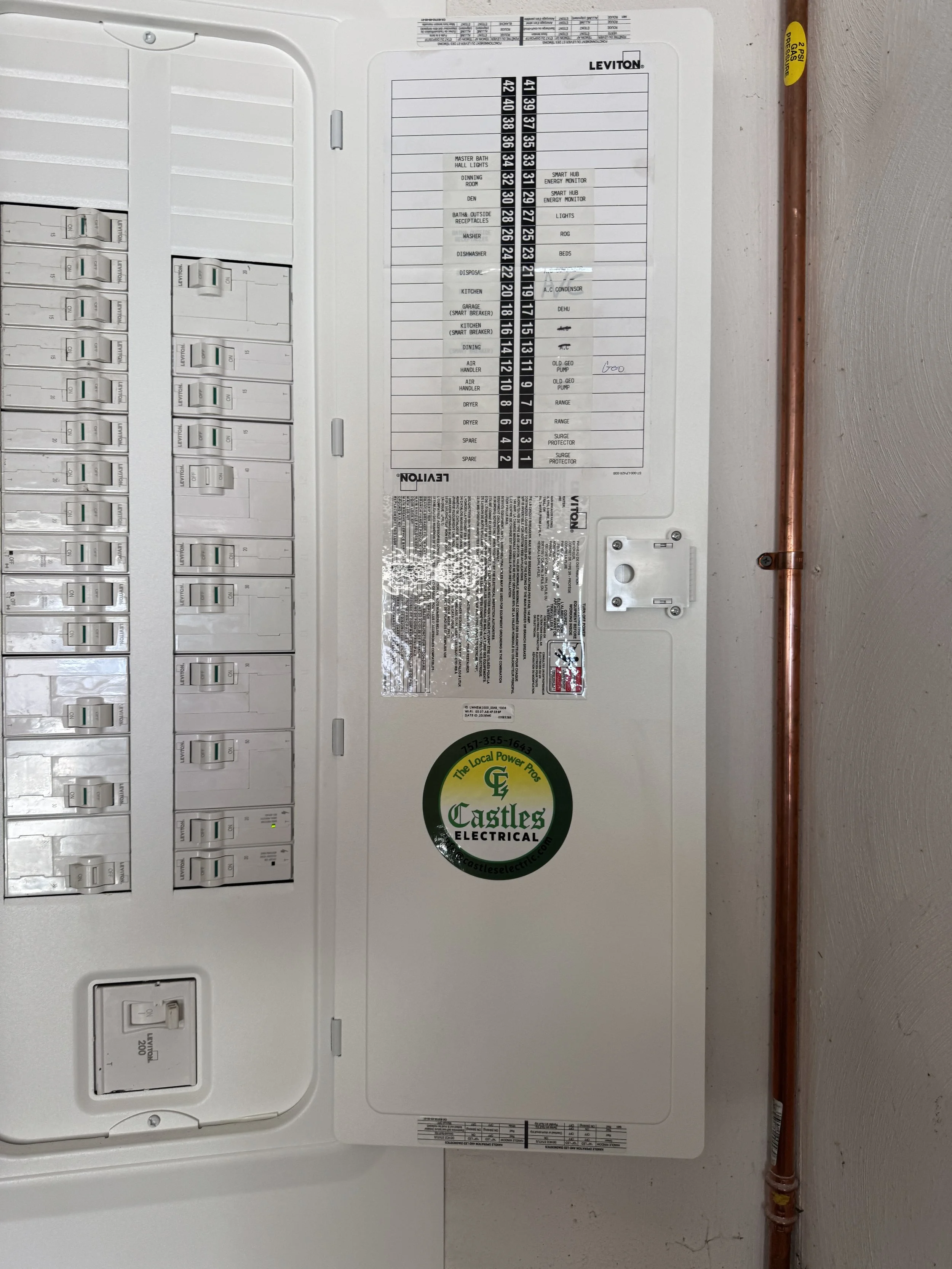
  • Whole-home surge protection included with every panel change, replacement, or upgrade
  • Sizing the device to your home and its equipment
  • Grounding and bonding verification so the device performs

Protecting specific equipment

Beyond the panel, we protect the high-value systems that a surge most often ruins.

  • HVAC and heat-pump control boards
  • EV charger and Powerwall electronics
  • Kitchen and laundry appliances with electronic controls
  • Home networking, computers, and entertainment systems
  • Point-of-use protection for sensitive electronics where you want an extra layer

Storm and lightning response

When a surge has already done damage, we diagnose and repair, then protect against the next one.

  • Diagnosing surge and lightning damage after a storm
  • Replacing a surge device that has taken a major hit
  • Repairing surge-damaged circuits and devices
  • Adding whole-home protection after a loss so it does not happen again
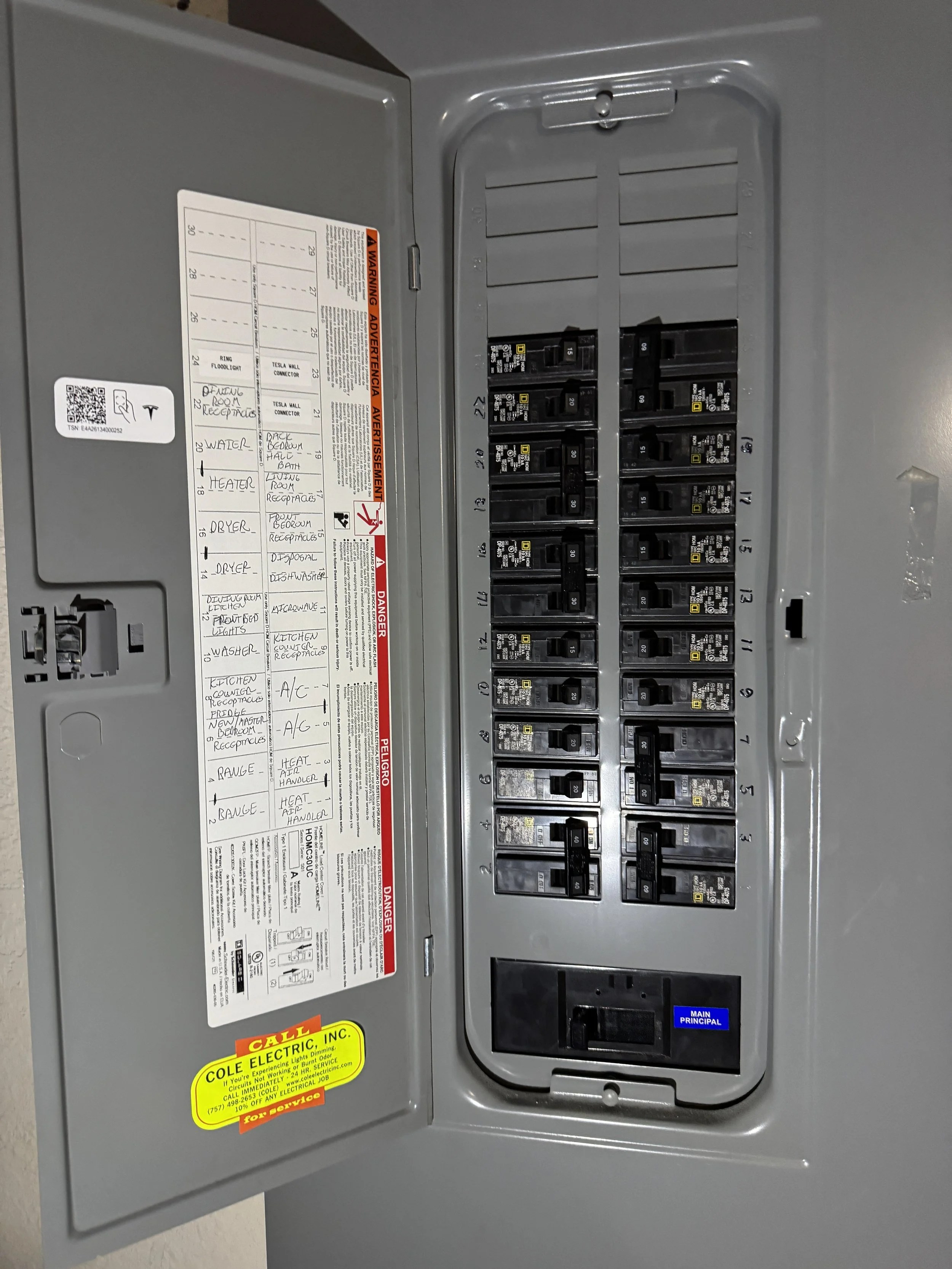
04 — Our Process, Start to Finish

How a Castles Electrical Surge Protection Install Works

1

You reach a real person

Call (757) 765-8222 and you will speak with a real person on our team, not a call center. We ask about your panel, your equipment, and whether you have already had surge damage, so we can recommend the right level of protection.

2

On-site panel assessment

We look at your panel and available breaker space, check your grounding and bonding, and confirm the device will have the short leads and correct mounting it needs to perform. If your grounding is inadequate, we'll tell you because it affects how well any surge device works.

3

A clear estimate

You get a firm price, honored for 30 days, with no surprise charges. If we are already doing a panel upgrade, the surge device is included in that job.

4

Installation

We install the Type 2 surge protective device inside the panel on a dedicated breaker, keeping the leads short and the connections torqued, so it reacts as quickly and absorbs as much of the spike as it was designed to.

5

Grounding check

We verify the grounding-electrode system and bonding, because a surge protector diverts energy to ground, and a poor ground undermines the whole system. We correct grounding deficiencies where we find them.

6

Test and explain

We confirm the device is energized, and its status indicator reads correctly, and we explain what it protects, what it does not, and when it should be replaced after a major event.

7

Warranty

Our workmanship is warrantied in addition to the manufacturer's warranty on the surge device, and many quality devices carry a connected-equipment warranty worth confirming.

Whole-Home Surge Protection in Virginia Beach, VA

05 — Surge Protection Pricing

What Whole-Home Surge Protection Costs

Whole-home surge protection is one of the best value-to-cost upgrades in the house, and we give a firm price before we start.

A standalone installation versus a panel job

Adding a surge device to an existing sound panel is a quick, low-cost visit. When we are replacing or upgrading your panel, the surge device is installed inside the new panel and included in that work, so a panel change and whole-home surge protection are one job at one price rather than two visits. Either way, you get a clear price up front.

What moves the price

The main factors are the device's quality tier, whether your panel has room for the dedicated breaker it needs, and whether your grounding needs correction to make the protection effective. A better device with a higher joule rating and a stronger connected-equipment warranty costs a little more and is usually worth it on an electronics-heavy home. We explain the tiers so you can make an informed choice.

The math that matters

A whole-home surge device costs a small fraction of what a single storm can take out. A ruined HVAC control board and a stack of electronics run far past the cost of the protection, and lightning season comes every year here. That is the calculation our customers weigh, which is why surge protection is one of the easiest recommendations we make and one of the few upgrades that pay for themselves the first time a storm rolls through.

06 — Real Virginia Beach Surge Stories

Real Surge Protection Projects in Virginia Beach and Nearby Cities

“

Terry's kitchen wall outlet caught fire after a power surge, and she braced for an expensive repair. Castles Electrical gave her a ballpark over the phone before even coming out, arrived right on time, quickly diagnosed the issue, and the final cost landed right in the estimate, far less than she feared. She noted that having a certified electrician rather than a handyman turned out to be the smarter and more affordable move.

Real Customer Example | From a verified Google review (Terry B., December 2025)

“

Justin had a whole-home surge protector installed along with some fixture work, and came away with professional results that, in his words, work great and look good, exactly the kind of clean, protective upgrade a coastal home should have before the next storm.

Real Customer Example | From a verified Google review (Justin D., December 2025)

“

Mark praised how everything was completed safely, neatly, and up to code, and that Wayne went beyond the immediate job to offer suggestions that improve efficiency and prevent future issues, which is the mindset behind protecting a home at the panel rather than reacting after the damage.

Real Customer Example | From a verified Google review (Mark B., April 2026)

Castles Electrical vs. National Franchise Electricians

How a locally owned, owner-licensed shop approaches surge protection compared with the chain model.

Feature
Castles Electrical
National Franchise Electricians
Device placement
Type 2 inside the panel, the strongest point
Point-of-use strips are sold as the whole answer
Install quality
Short leads and correct breaker for real performance
Long leads that reduce effectiveness
Grounding
Verified and corrected so the device works
Rarely checked
Who does the work
Owner-licensed, in-house crew
Rotating or subcontracted crews
With panel work
Included with every panel change
Sold as a separate add-on
Device quality
Explained by tier and joule rating
One option, take it or leave it
Coastal sizing
Sized for local storm and lightning events
Generic spec
Post-surge service
Diagnose damage and replace a spent device
Limited follow-up
Estimate
Written, honored 30 days
Verbal, add-ons common
Warranty
Workmanship plus manufacturer's warranty
Varies

07 — Virginia Beach Local Conditions

Virginia Beach Conditions That Affect Surge Protection

Coastal Virginia is a genuinely surge-prone place to own a home. Here is what actually drives the risk locally.

Summer lightning is frequent and mostly indirect

Coastal Virginia sees frequent summer lightning, concentrated in the intense late-July and August thunderstorm season, and most of the damage comes from nearby strikes rather than direct hits. Direct hits are rare, but nearby strikes that send transients down utility lines are common, and they quietly kill HVAC boards, appliances, and electronics across the region every summer. A panel-level device is the defense sized for exactly that threat.

Named storms bring grid-wide voltage events

Beyond ordinary thunderstorms, the region's hurricanes and tropical storms cause grid disturbances, brownouts, and the voltage spikes that come when power is restored to a whole neighborhood at once. Homeowners who lived through Isabel and the storms since know the pattern, and surge protection is part of preparing for it rather than replacing electronics after it.

Utility switching and grid instability add everyday surges

Surges are not only a storm phenomenon. Routine utility switching, transformer events, and even your own large appliances, the HVAC compressor, a well pump, or a heat pump cycling on and off, create smaller transients throughout the year that chip away at sensitive electronics from both outside and inside the home. Whole-home protection guards against the steady background of these events, not just the dramatic ones.

Modern coastal homes are packed with vulnerable electronics

Homes here increasingly run variable-speed HVAC, smart appliances, home networks, EV chargers, and battery systems, all board-driven and all surge-sensitive. The more of these a home has, the more a single surge can cost, and the stronger the case for protecting everything at the source.

Salt air degrades exterior surge and service points

The meter, the service entrance, and outdoor equipment where surges enter and where grounding connects all sit in salt-laden coastal air that corrodes connections over time. We account for that when we verify grounding and bonding, because corroded connections undermine the path a surge device relies on.

Code now requires surge protection on panel work

Current code requires a surge protective device on panel replacements and upgrades, reflecting how routine surge damage has become. We install it on every panel job as a matter of course, so a homeowner upgrading a panel gets whole-home protection built into the work.

Post-storm surge damage is a predictable repair season

Every summer storm season brings a wave of surge-damaged air conditioners, appliances, and electronics across the region. We both repair the damage and install protection to prevent the next round, and homeowners who add a surge device after one loss rarely see a second.
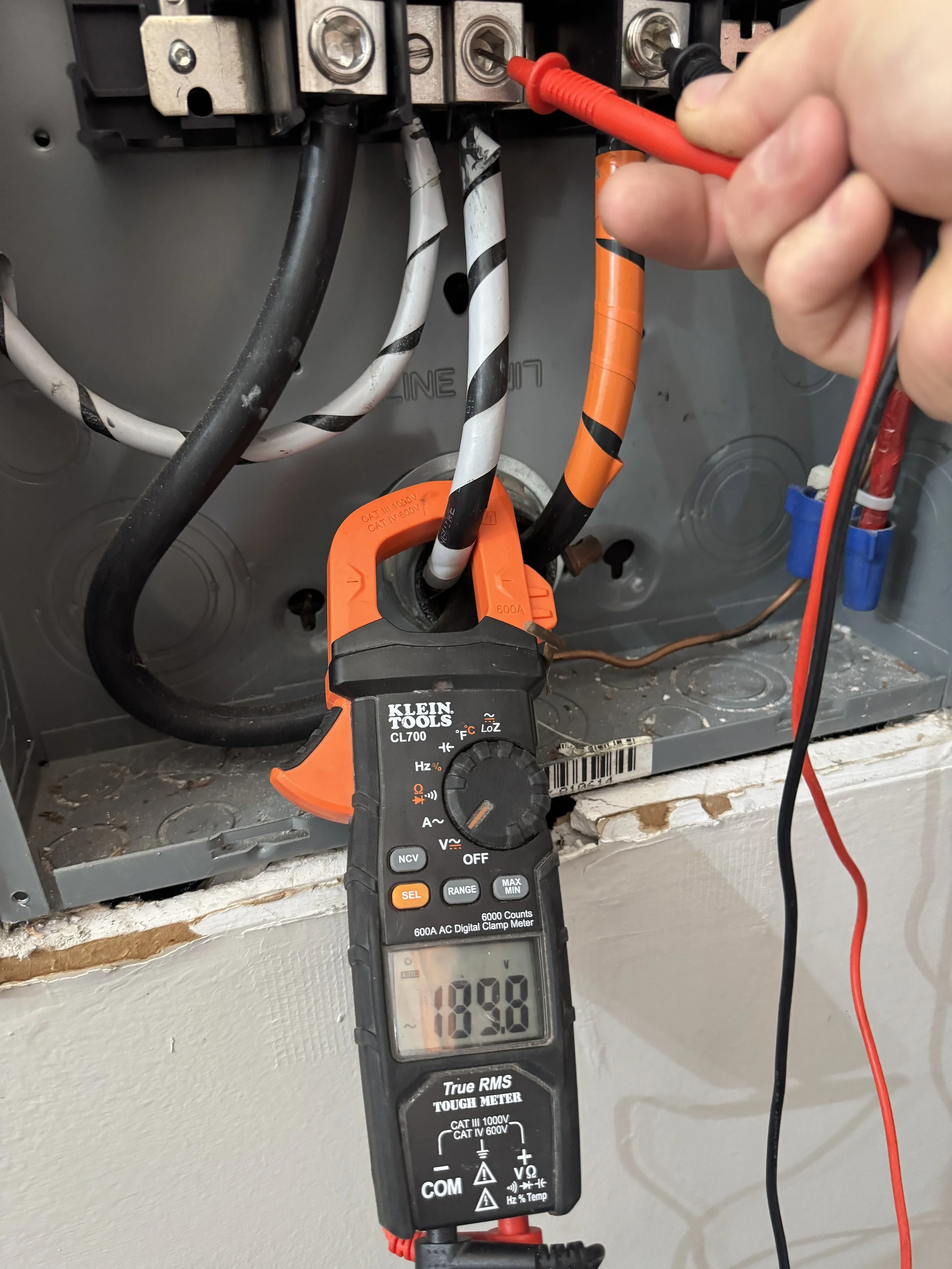
Whole-Home Surge Protection in Virginia Beach, VA

08 — Expertise Deep-Dive

Expertise Deep-Dive: Surge Details That Separate Us

A surge protector is only as good as how it is chosen, installed, and grounded. Here is what we do that separates real protection from a device that barely works.

The Type 2 device inside the panel is the primary defense

Whole-home protection means a Type 2 surge protective device installed inside the main panel on its own breaker, where it intercepts transients as they enter the home and protects every circuit downstream. Plug-in strips at individual outlets serve a single sensitive device, but they are not a substitute for stopping the surge at the source. We lead with the panel-level device because it is the strongest single thing you can do, and we treat point-of-use protectors as a complement rather than the whole plan.

Lead length and mounting decide real-world performance

A surge device has to react to a voltage spike within nanoseconds, and every inch of wire between the device and the panel bus adds resistance, letting more of the surge through. Installers who leave long, looping leads cut the device's effectiveness without the homeowner ever knowing. We mount the device close, keep the leads short and straight, and land it on a properly sized dedicated breaker, which is the difference between the protection you paid for and a fraction of it.

Grounding is the other half of surge protection

A surge protective device works by diverting excess energy to ground, so it can only be as good as the grounding-electrode system behind it. A home with corroded ground connections, a missing bond, or an inadequate electrode gets far less protection than the device rating suggests. We verify and, where needed, upgrade the grounding as part of the install, because selling surge protection on a bad ground would be selling a false sense of security.

Joule rating and clamping voltage, chosen for the home

Surge devices differ in how much energy they can absorb, the joule rating, and how low they clamp the voltage before letting it pass. A higher joule rating survives more and bigger hits, and a lower clamping voltage protects more sensitive electronics. We match the device to how electronics-heavy your home is rather than installing the cheapest unit on every job, and we explain the tradeoff so you understand what you are buying.

Protecting HVAC, EV, and appliance boards specifically

The most expensive surge losses in a modern home are the air conditioner's control board, the EV charger, and major appliances, which is why whole-home protection pays for itself the first time it saves one. When a homeowner wants extra assurance for a specific high-value system, we can add dedicated protection for that equipment, layered behind the panel-level device rather than in place of it.

Surge protection lives on every panel we install

Because we believe in it, and because the current code now calls for it, a Type 2 surge device is part of every panel replacement and upgrade we do. That means a homeowner upgrading a panel is not sold surge protection as an extra; it is built into a job that already has the panel open, which is the most efficient time to add it.

Knowing when a device has to be replaced

A surge protector is a sacrificial device: it absorbs hits until it is spent, and a major event can use it up while its status indicator quietly changes. Homeowners often do not realize their protection is gone. We show you how to read the indicator, and we tell you honestly when a device has taken a serious hit and should be replaced, so your protection does not lapse without you knowing.

Whole-Home Surge Protection in Virginia Beach, VA

09 — Surge Protection FAQs

Whole-Home Surge Protection FAQs
Where is a whole-home surge protector installed?+

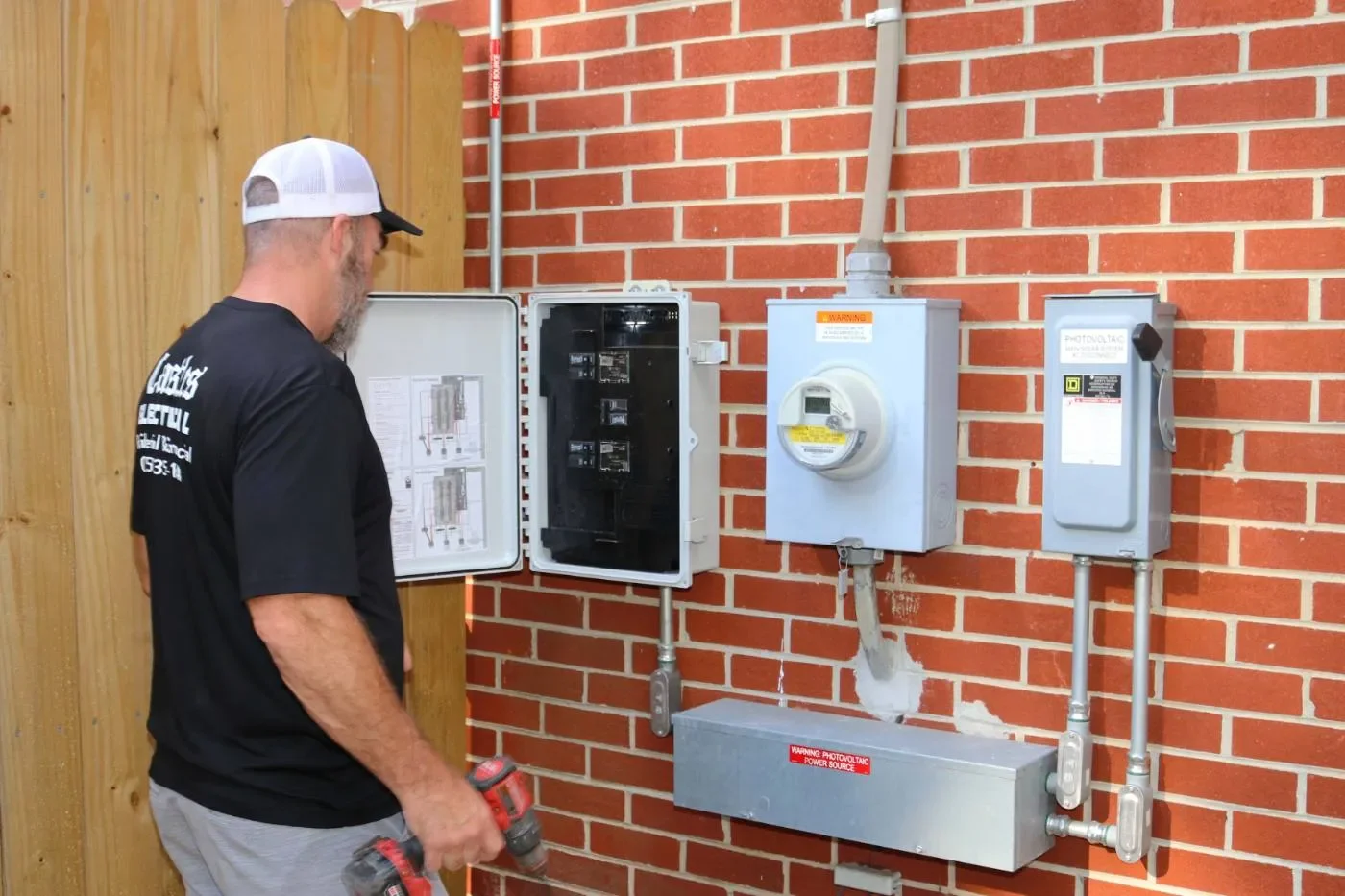
Inside your main electrical panel. It is hardwired to a dedicated breaker in the panel rather than plugged into an outlet, which is what lets it protect every circuit in the house at once, including hardwired equipment like your HVAC and EV charger. If you are having your panel changed, the surge device is installed inside the new panel as part of that job.

Do I really need whole-home surge protection?+

In a lightning-prone coastal metro with a modern, electronics-heavy home, yes. Most surge damage comes from nearby strikes and grid events, not direct hits, and a device installed inside your panel protects everything in the house for a fraction of what a single storm can destroy. It is one of the easiest recommendations we make.

Isn't a power strip enough?+

No, and the two are not the same product. A plug-in strip sits at one outlet and protects whatever is plugged into it. Whole-home surge protection is a device wired inside your main electrical panel that stops the surge where it enters the house and protects every circuit downstream, including hardwired equipment like your HVAC, EV charger, and appliances. Point-of-use strips are a useful extra layer behind it, never a substitute for it.

What does a whole-home surge protector cost?+

Adding one to a sound panel is a low-cost visit, and it is included when we do a panel upgrade. The main variables are the device's quality tier and whether your grounding needs correction. We give a firm price up front and explain the device options.

Will it protect against a direct lightning strike?+

No device fully stops a direct strike, which is a rare and extreme event. What surge protection defends against, and what actually damages most homes, is the far more common nearby-strike transient and grid surge. That is the everyday threat it is built for.

Is surge protection required by code now?+

Yes. Current code requires a surge protective device on panel replacements and upgrades, which is why every panel change we do includes one installed inside the new panel. On an existing panel with room for a dedicated breaker, we add it as a standalone install.

What does surge protection actually protect?+

A device installed inside your panel protects everything downstream: HVAC and heat-pump boards, appliances, EV charger and battery electronics, computers, networking gear, and entertainment systems. Essentially, any board-driven equipment that a surge can ruin.

How long does a surge protector last?+

It depends on how many and how large the surges it absorbs. A device is sacrificial and can be used up by a major event, sometimes without an obvious sign. We show you how to read its status indicator, so you know when it needs replacing.

My electronics were already damaged by a storm. Can you help?+

Yes. We diagnose and repair surge-damaged circuits and devices, and then install whole-home protection so the next storm does not repeat the loss. The homeowners who add a device after one hit rarely see a second.

How long does a surge protector installation take?+

On a sound panel with room for the dedicated breaker, a whole-home surge device is typically a short visit of a couple of hours. When it is done as part of a panel upgrade, it adds almost no time because the panel is already open.

Will my homeowners' insurance cover surge damage?+

That depends on your policy, and coverage for surge and lightning damage varies by carrier, so it is worth checking your specific policy. What is certain is that preventing the damage with a panel-level device is cheaper and far less disruptive than filing a claim after a storm ruins your electronics.

Does the surge device need its own breaker?+

Yes. A Type 2 device installs on a dedicated breaker at the panel, with short leads and proper mounting, all of which we do as standard because they determine how well it actually performs.

Does grounding matter for surge protection?+

Very much. A surge device diverts energy to ground, so a weak or corroded grounding system undercuts its protection. We verify and correct grounding as part of the installation, because the device is only as good as the ground behind it.

Short-lead surge device on a dedicated breaker

Castles Electrical: locally owned, licensed, and protecting Virginia Beach homes from storm surges since 2012.

Stop the surge at the panel, before it reaches what you care about.

Google 5.0 Rated by Virginia Beach Homeowners

Castles Electrical maintains a 5.0 rating on Google. The reviews below load as a live widget, so this page always shows current, verified feedback from real customers across Virginia Beach, Chesapeake, Norfolk, and the surrounding communities.
Leave Us a Google Review

Ready When You Need Us

Ready to Protect Your Home? Contact Castles Electrical Today.

Get a licensed, locally owned electrical contractor that stops surges at the panel, installs the device to actually perform, and verifies the grounding behind it, before the next coastal storm.

Hours

  • Monday to Friday: 7:00 AM to 10:00 PM
  • Saturday: 7:00 AM to 7:00 PM
  • Sunday: Closed
  • After-hours calls answered until about 10:00 PM; urgent issues get a fast response, others a next-morning callback

Service area

Virginia Beach, Chesapeake, Norfolk, Portsmouth, and Suffolk, including the Virginia Beach waterfront communities of Great Neck, Bay Colony, Cape Henry, Sandbridge, and Lago Mar.

Castles Electrical electrician greeting a homeowner at the front door