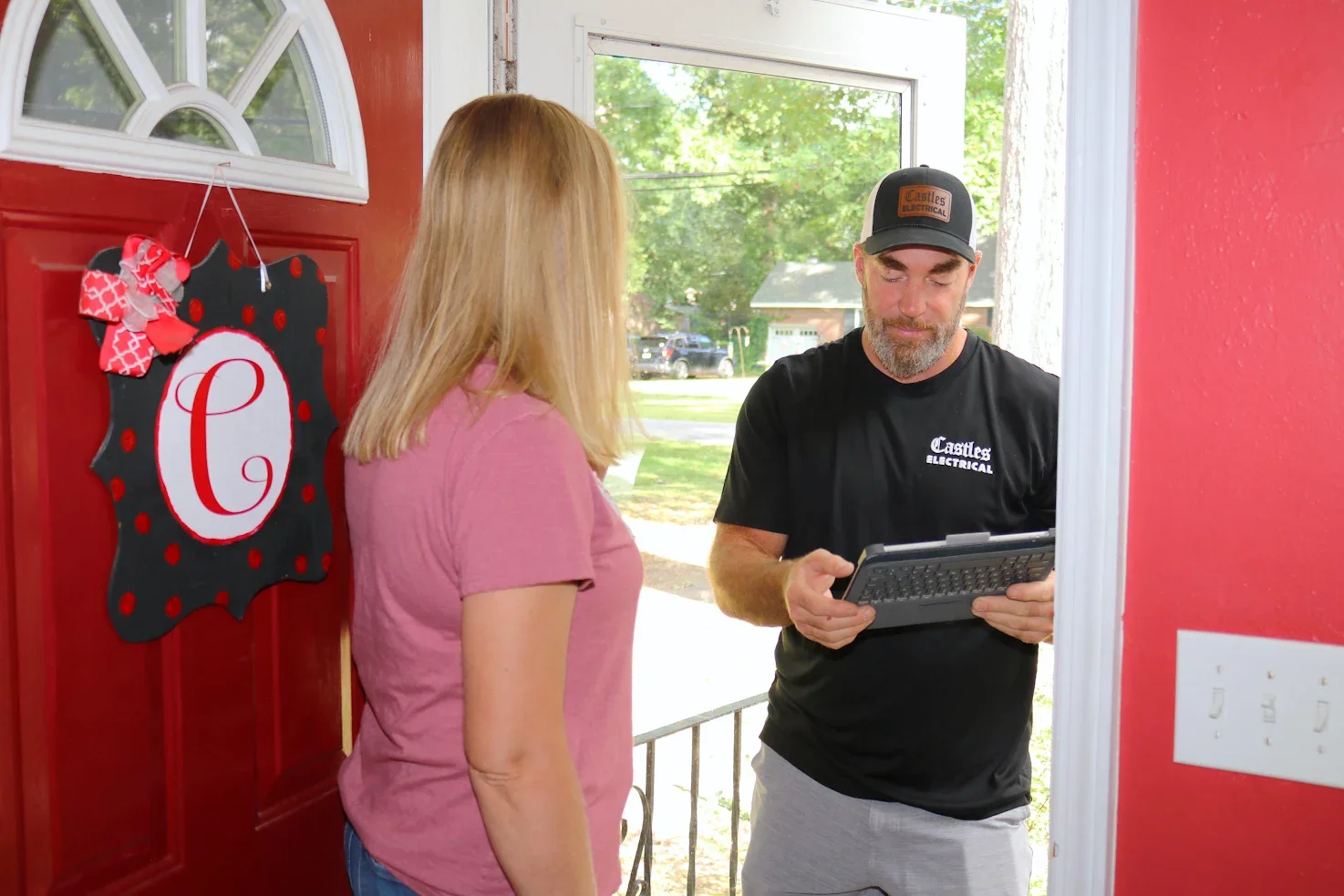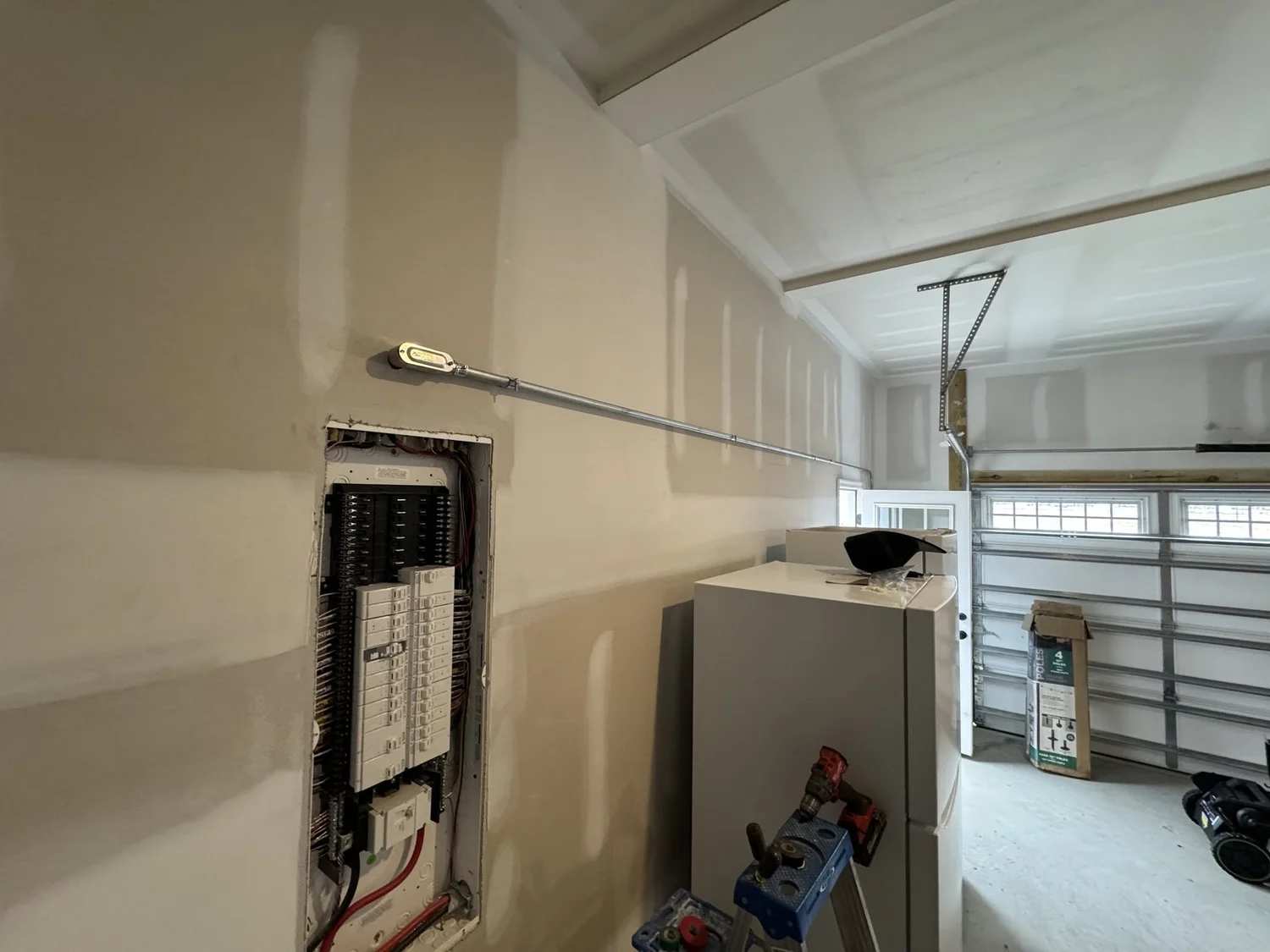
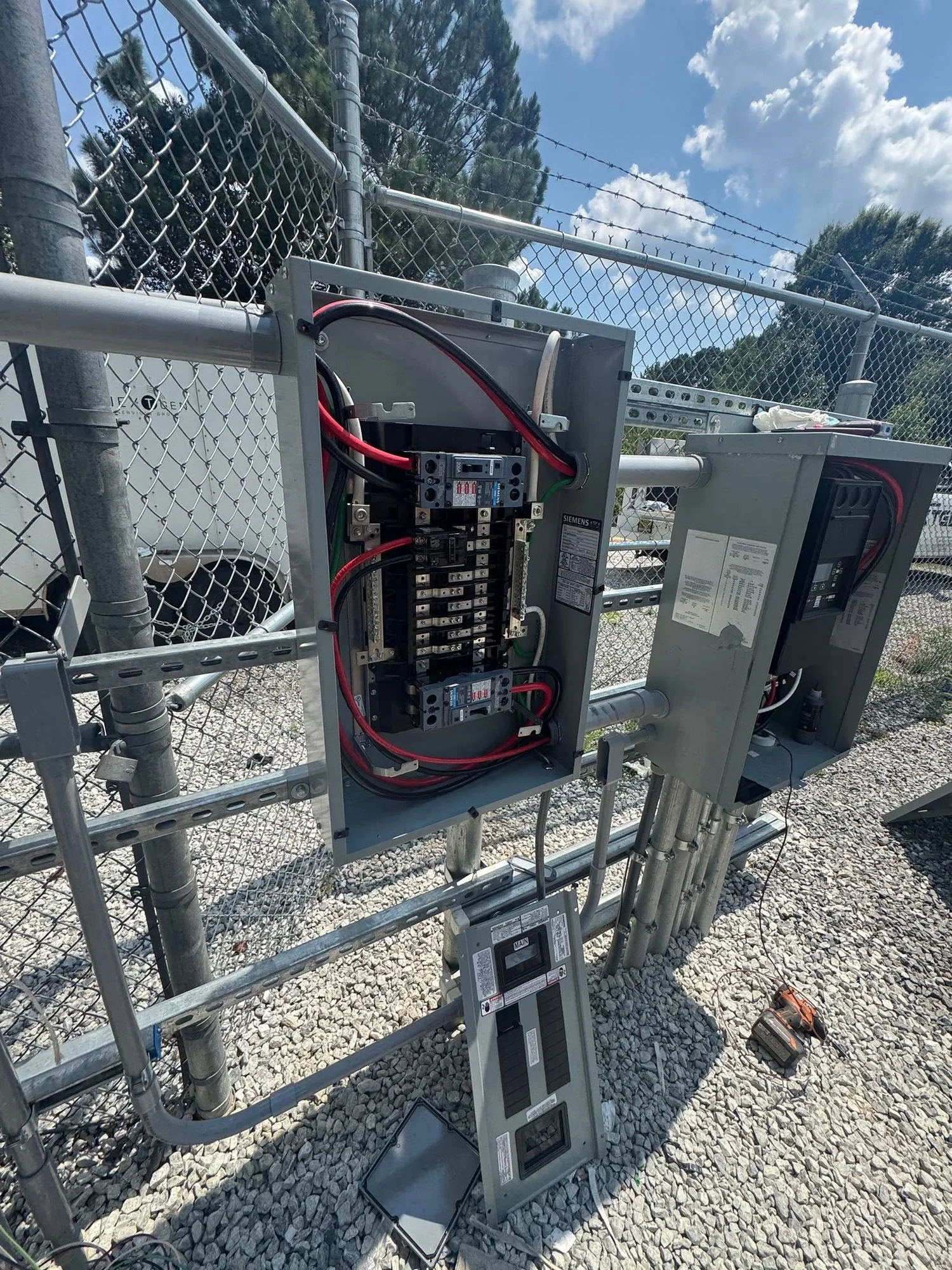
Real protection is layered, not a single device. A whole-home protector at the panel stops the big transients from lightning and utility switching, while point-of-use protection at the HVAC, kitchen appliances, well pump, and electronics catches the smaller surges and the residual that gets past the panel. Grounding has to be right for any of it to work, and hardwired equipment like an air handler or range needs its own device, not a plug strip. We assess your home, protect what matters most, and ensure the foundation beneath it is sound.
Whether you just lost an appliance to a surge, added expensive electronics, or want to defend a new HVAC system, one call gets you a licensed electrician who builds real, layered surge protection around what you own.
01 — Why Castles Electrical
Why Homeowners Choose Castles Electrical for Surge Protection
Licensed & Insured
A Master Electrician designs and installs the protection, not a plug-in strip from a shelf.
Layered Protection
Whole-home protection at the panel plus point-of-use at your sensitive, expensive equipment.
Hardwired Appliance Devices
Dedicated surge protection for hardwired HVAC, ranges, and well pumps that plug strips cannot cover.
Grounding Verified
We confirm the grounding that surge protection depends on, so the devices actually work.
Right-Sized Devices
The right joule rating and voltage limit for each location, not a one-size guess.
Storm-Country Experience
Built for local lightning, grid switching, and outage-restoration surges.
02 — THREE REASONS
Three Reasons to Protect Your Appliances From Surges
One surge can cost more than years of protection
A modern refrigerator, HVAC system, or range runs on an electronic control board, and a single strong surge can destroy that board and the appliance. Replacing a compressor or a control board can cost hundreds or thousands of dollars, and a lightning strike can take out several appliances at once. Layered surge protection costs a fraction of that, which makes it one of the highest-return electrical upgrades you can make. It is insurance you install once that pays for itself the first time a surge is turned away.
A whole-home protector alone is not enough
A panel-mounted surge protector is essential, but it does not catch everything. Some energy always gets past it, called let-through voltage, and that residual is enough to harm sensitive electronics over time, and surges can also start inside the home when motors cycle. That is why real protection is layered: whole-home at the panel for the big hits, and point-of-use at the HVAC, kitchen, and electronics for the rest. We build both, so your equipment is protected at the panel and at the plug.
Grounding and hardwired devices need an electrician
Surge protection only works if the home's grounding is sound, because the device needs a good path to divert the surge, and a plug strip does nothing for a hardwired air handler, range, or well pump. Getting it right means verifying the grounding, installing the panel and point-of-use devices correctly, and adding dedicated hardwired protection to equipment without a plug. This is licensed electrical work, and doing it properly is the difference between real protection and a false sense of security.
03 — SURGE PROTECTION WORK WE HANDLE
Surge Protection Work We Handle in Hampton Roads & Northeast North Carolina
Whole-home protection
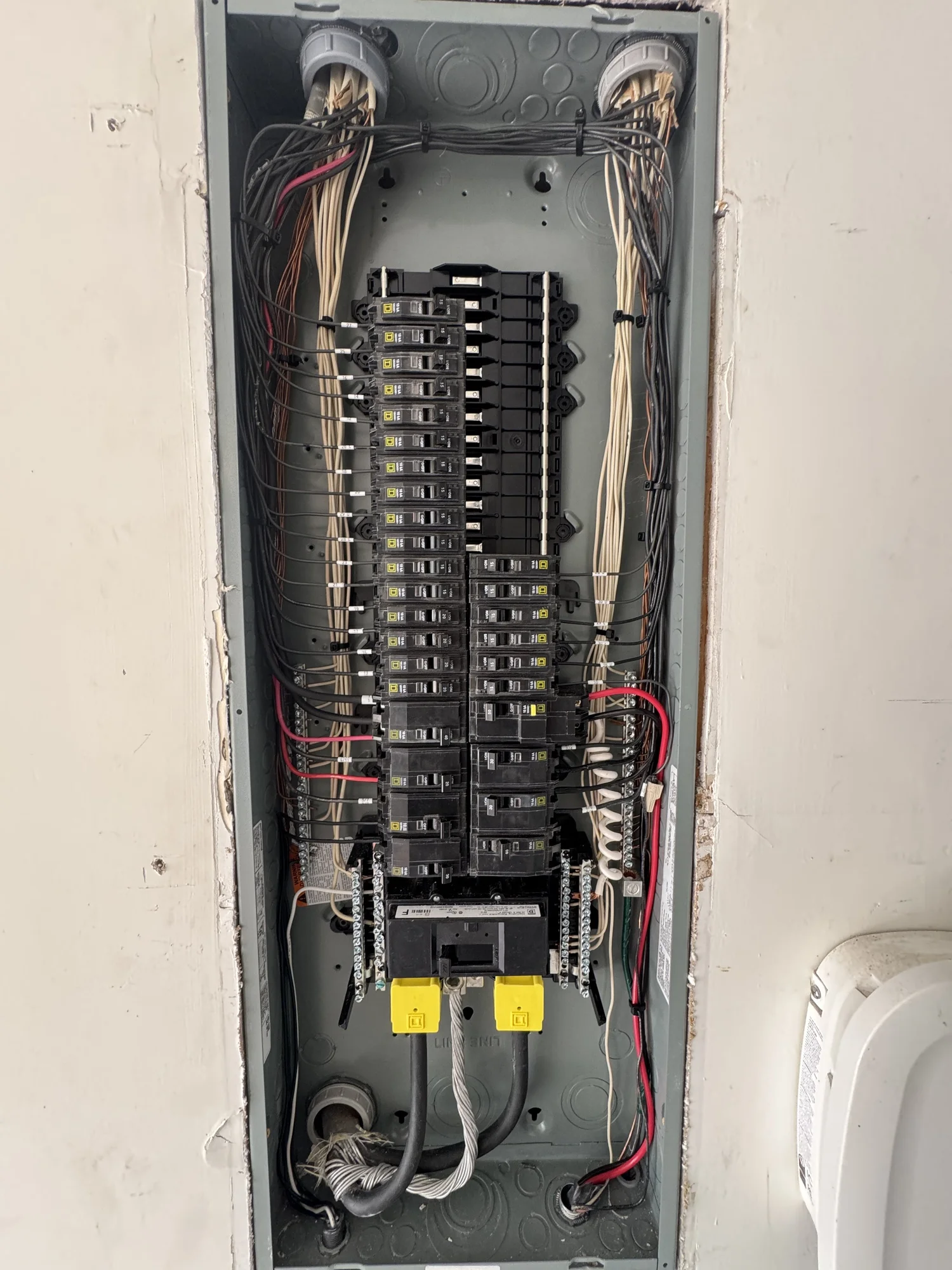
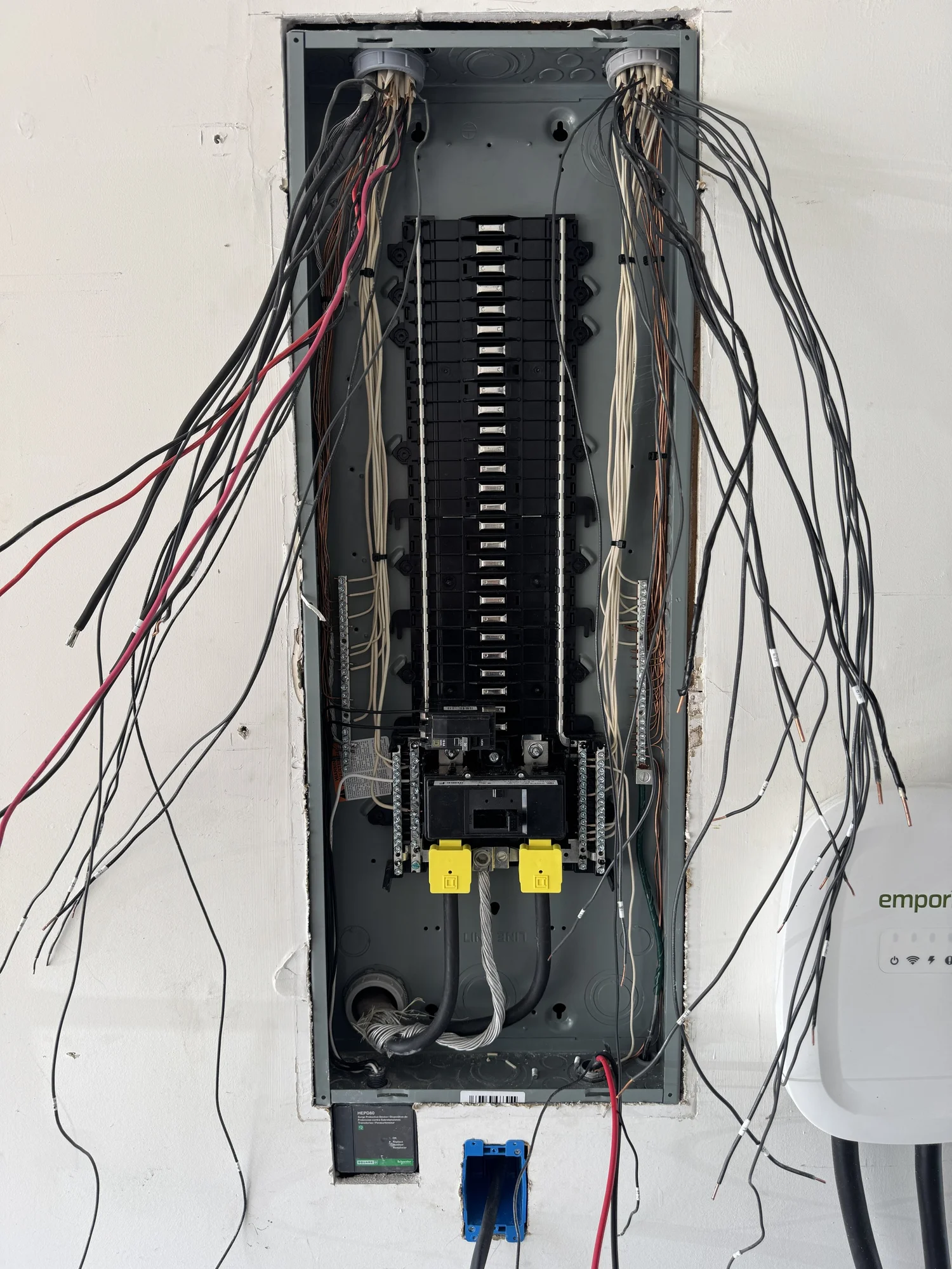
The first layer is installed on the panel.
- Panel-mounted whole-home surge protector installation
- Correct device selection by joule rating and how much voltage it lets through
- Grounding verification and correction so the protector works
- Coordination with a panel upgrade where the panel needs it
- Protection for the whole electrical system as the foundation layer
Point-of-use and appliance protection
The second layer is for your sensitive equipment.
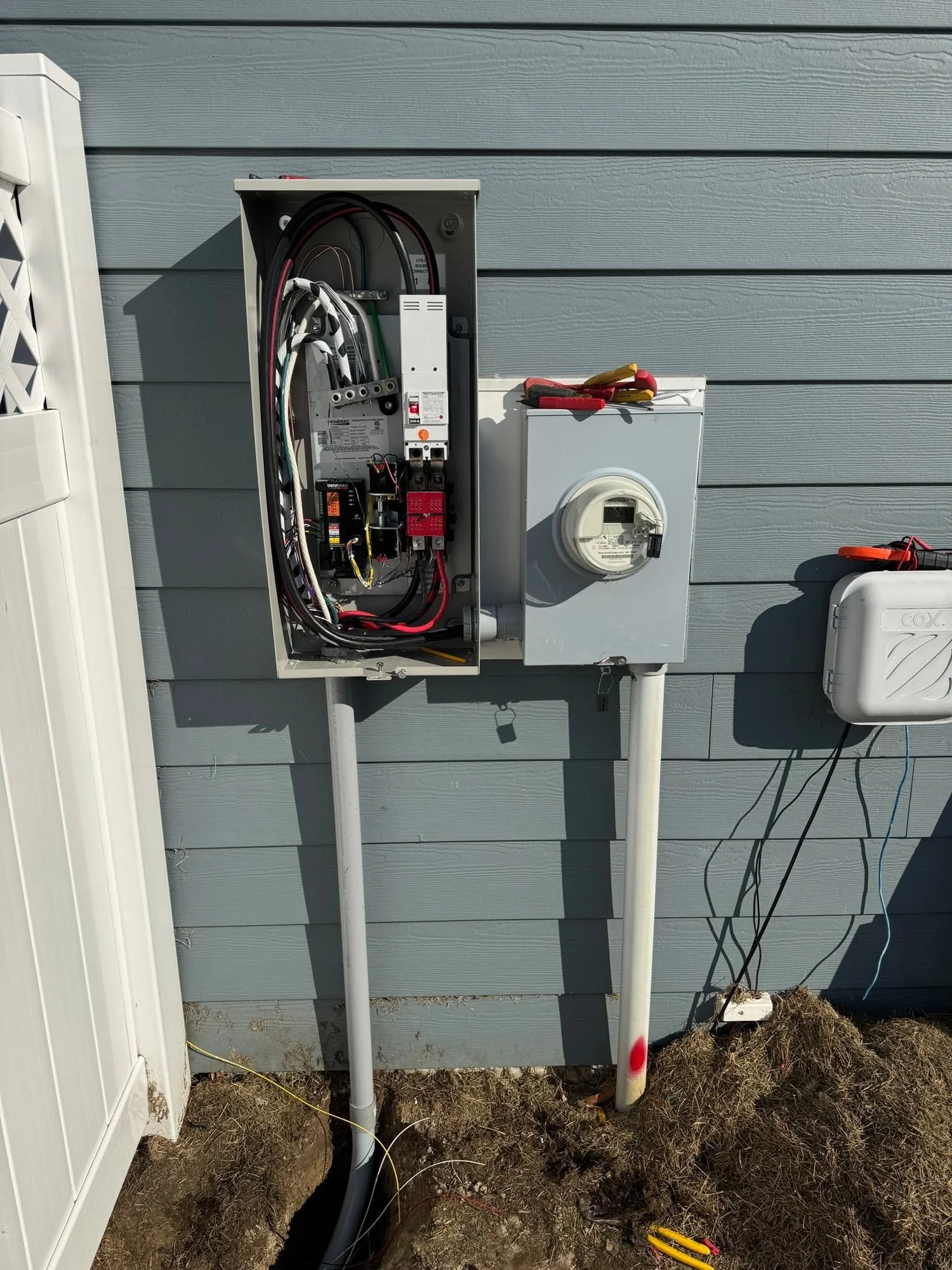
- Dedicated hardwired surge protection for HVAC and air handlers
- Surge protection for ranges, ovens, and other hardwired appliances
- Point-of-use protection for refrigerators, washers, and dishwashers
- Protection for well pumps and other motor-driven equipment
- Protected outlets for home electronics, computers, and entertainment centers
- Surge protection for battery, EV, and other sensitive equipment
Assessment and grounding
Making sure the protection actually holds.
- Whole-home surge-risk and equipment assessment
- Grounding and bonding evaluation, the prerequisite for surge protection
- Post-surge inspection after a lightning or utility event
- Prioritizing which equipment to protect first on any budget
- Coordination with dedicated appliance circuits
05 — SURGE PROTECTION PRICING
What Appliance Surge Protection Costs
Surge protection pricing scales with the number of layers and devices you want, and we provide a firm quote after seeing the home. Here is how it generally works.
Whole-home plus point-of-use
A whole-home panel protector is an affordable, high-value first step, and point-of-use and hardwired devices for your key appliances add to that, depending on how many you protect. Because a single surge can cost far more than the cost of protection, even a fully layered setup is inexpensive compared to replacing an HVAC system or a kitchen full of appliances. Many homeowners start with the panel and the HVAC, then add point-of-use devices as budget allows, covering the biggest risks first.
What moves the price
The number of point-of-use and hardwired devices, whether grounding needs correction first, the panel's condition, and which specialized equipment, like HVAC, a well pump, or battery and EV gear, you are protecting, all move the number. Correcting grounding, when needed, is money well spent because none of the surge protection works properly without it. In older homes here, we sometimes find that the grounding is the real weak point, and fixing it improves not just the surge protection but the safety of the whole electrical system.
How our pricing works
We provide a written estimate for a layered plan and prioritize it to your budget, and smaller additions carry our standard service pricing. You get honest guidance on which equipment to protect first rather than a push to cover everything at once, so the protection fits both your home and your budget.
06 — REAL VIRGINIA BEACH SERVICE STORIES
Real Service From Local Homeowners
James called it an absolute pleasure doing business with everyone at Castles Electrical, from office manager Heather to electrician Wayne, and said he could not be more pleased with how everything went from his first phone call to the finished job. He will call Castles Electrical for any future electrical help. The kind of start-to-finish care we bring to protecting a home's equipment.
Real Customer Example | From a verified Google review (James M., April 2026)
Donald called Castles Electrical the best in town, noting they handled work a couple of other companies could not, and were prompt, professional, and reasonably priced. He highly recommended them and will use them again. Solving the problems others cannot is exactly the standard we hold, including protecting expensive equipment.
Real Customer Example | From a verified Google review (Donald G., December 2025)
A theme runs through our five-star reviews: homeowners trust us to protect what they have invested in, and they point to our knowledge, honest guidance, and clean work. Those are the qualities that matter when the goal is to defend thousands of dollars in appliances and electronics, and you can read the full reviews in the live Google feed below.
Real Customer Example | What customers protecting their homes tell us
Castles Electrical vs. Plug-Strip Protection
How professional layered surge protection compares with relying on power strips from the store.
07 — VIRGINIA BEACH LOCAL CONDITIONS
Virginia Beach Conditions That Affect Surge Protection
Surge risk is higher in this area than in many places, for reasons specific to the region. Here is what matters here.
Frequent coastal thunderstorms and lightning
Coastal Virginia sees a busy thunderstorm season, and lightning does not have to strike your house to damage it; a strike nearby or on a power line sends a surge down the wires into your home. Those summer storms roll through here regularly, and each one is a chance for a transient to reach your panel. That frequency is exactly why layered surge protection is not a luxury here, and why we build for real lightning-scale events rather than only the small stuff.
Grid switching and outage-restoration surges
Storms knock out power across the region often, and the surges do not only come from lightning. When the utility restores power after an outage, and when the grid switches loads during storms, those events send transients into homes that can be just as damaging as a strike. In a region that loses and restores power as often as this one, that restoration surge is a repeated threat, and whole-home protection at the panel is what stands between it and your equipment.
Expensive modern appliances and electronics
Homes here are full of the kinds of equipment surges love to destroy: variable-speed HVAC systems, smart appliances, large televisions, computers, and entertainment setups, all of which are run by sensitive electronics. The more a home relies on electronic controls, the more a surge can take out in a single event, and the more expensive the loss. We prioritize protection around the specific high-value, surge-vulnerable equipment in your home rather than treating every outlet the same.
09 — SURGE PROTECTION FAQS
Appliance Surge Protection FAQs
Google 5.0 Rated by Virginia Beach Homeowners
Castles Electrical maintains a 5.0 rating on Google. The reviews below load as a live widget, so this page always shows current, verified feedback from real customers across Virginia Beach, Chesapeake, Norfolk, and the surrounding communities.