
Should You Replace 2-Prong Outlets in Your Older Virginia Beach Home?
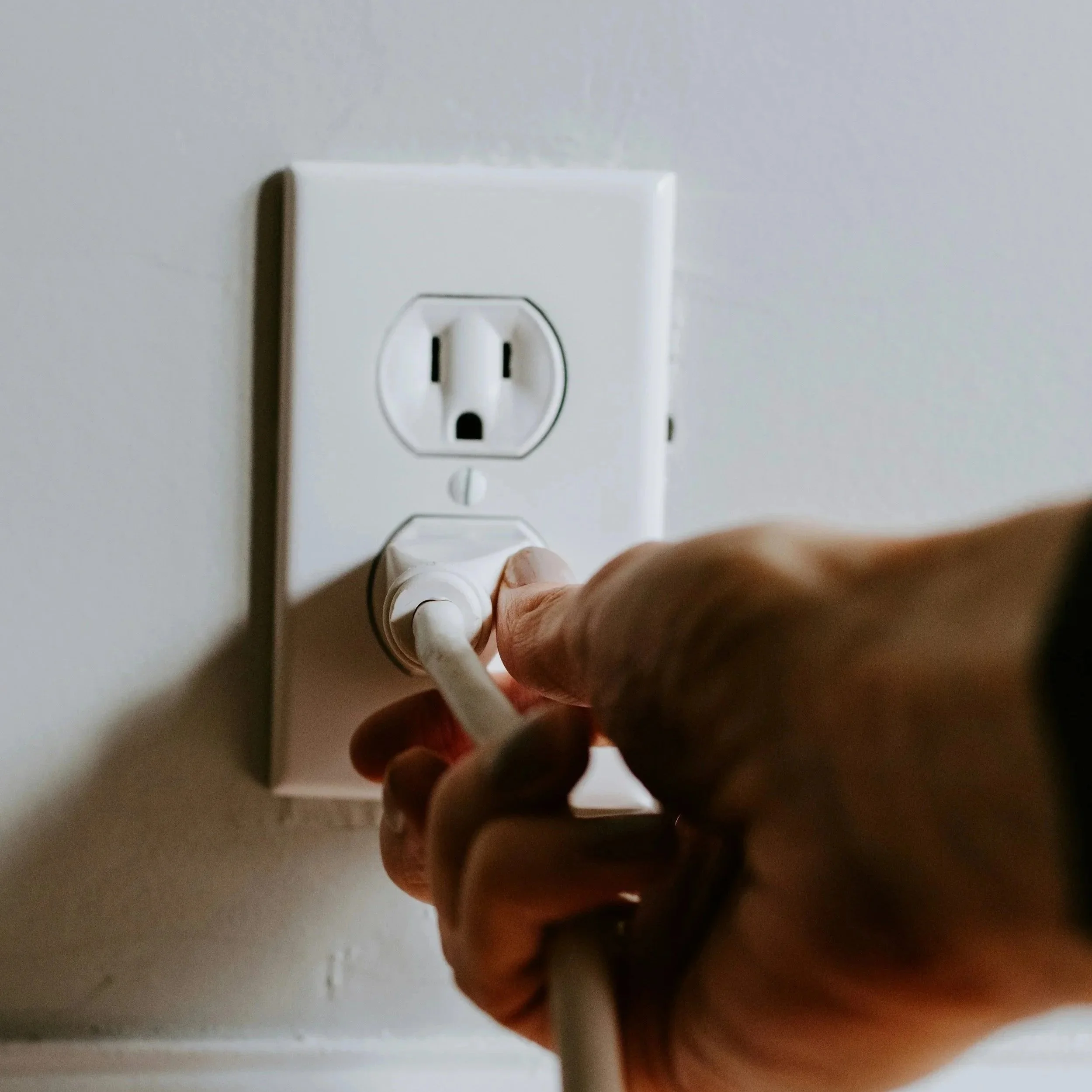
Upgrading to three-prong outlets in older Virginia Beach homes enhances electrical safety, prevents shocks, and protects modern appliances from power surges.
Why 2-Prong Outlets Still Exist in Older Virginia Beach Homes
Many homes across Virginia Beach still contain original electrical components installed long before modern grounding standards became common practice. Two-prong outlets were once the norm, especially in houses built prior to the mid-1960s, when electrical codes did not require a dedicated grounding conductor at every receptacle. At the time, household electrical demand was lower, appliances were simpler, and the risks associated with ungrounded systems were not yet fully understood. Those outlets often remain in place today not because they are ideal, but because they were never disturbed during renovations or because updating them felt optional rather than necessary.
Older neighborhoods near the coast often feature homes that have undergone piecemeal updates over decades. Lighting may have been changed, panels upgraded, or kitchens remodeled, yet wall outlets were left untouched if they continued to function. Two-prong outlets tend to fade into the background because devices still plug in and power still flows. The absence of a ground path remains invisible during normal use, which leads many homeowners to underestimate its importance. Electrical systems, however, rely on more than basic functionality. They depend on layered safety mechanisms that were not part of earlier designs, especially in environments where moisture and corrosion influence system behavior over time.
What A 2-Prong Outlet Actually Lacks
A two-prong outlet provides a hot conductor and a neutral conductor but no equipment grounding path. Grounding serves as a safety route that allows stray or fault current to travel safely back to the electrical panel instead of passing through a person, appliance housing, or nearby materials. Without that pathway, electricity has fewer controlled options when something goes wrong. Appliances with metal housings, internal faults, or damaged cords become more hazardous because fault current may energize exposed surfaces instead of triggering a protective response.
Modern appliances and electronics are designed with grounding in mind. Many rely on grounded connections to stabilize voltage, protect internal components, and interact properly with surge protection devices. When plugged into a two-prong outlet, these devices lose an important layer of defense. Adapters that convert three-prong plugs to fit two-prong outlets do not create a true ground unless properly bonded, which often does not happen in practice. The outlet may appear compatible, but the underlying electrical reality remains unchanged, leaving both equipment and occupants exposed to risks that grow over time.
How Ungrounded Outlets Affect Safety Over The Long Term
Safety concerns tied to two-prong outlets rarely appear as dramatic, immediate failures. Instead, risks accumulate quietly. Without grounding, minor faults may persist undetected rather than being diverted safely. Appliance housings can carry low-level voltage that goes unnoticed until a person completes the circuit by touching another grounded object. In humid coastal environments like Virginia Beach, moisture increases conductivity, lowering the threshold at which these conditions become dangerous.
Over time, ungrounded systems also complicate fault detection. Breakers may not trip as expected because fault current lacks a direct path back to the panel. Heat can build at points of resistance, such as worn cords or loose connections, without triggering protective devices. These conditions increase the likelihood of insulation degradation and localized overheating inside walls. While two-prong outlets function under normal conditions, their limitations become more pronounced as systems age, materials deteriorate, and household electrical usage grows more complex.
Compatibility Issues With Modern Appliances And Electronics
Modern homes rely on electronics that are far more sensitive than the appliances of earlier decades. Computers, televisions, medical devices, and charging equipment expect stable electrical conditions supported by grounding. Without it, voltage fluctuations and transient surges affect performance and longevity. Surge protectors, in particular, cannot operate as designed without a ground reference. Plugging a surge protector into a two-prong outlet may give a false sense of security while offering little actual protection.
Larger appliances such as refrigerators, washing machines, and microwaves often include grounding for both safety and operational stability. Using these devices on ungrounded outlets increases the chance of nuisance behavior, internal wear, or electrical leakage. In older Virginia Beach homes where two-prong outlets remain, homeowners may notice unexplained device failures or inconsistent performance without realizing the outlet configuration contributes to the problem. Compatibility challenges tend to increase as more modern equipment enters the home, widening the gap between old infrastructure and current expectations.
Moisture, Salt Air, And Ungrounded Electrical Systems
Environmental conditions unique to coastal regions amplify the drawbacks of ungrounded outlets. Virginia Beach homes experience elevated humidity levels, salt carried inland by ocean air, and seasonal temperature swings that accelerate material degradation. Metal components corrode more quickly, insulation absorbs moisture, and resistance levels fluctuate. Grounding provides a stabilizing reference that helps manage these variables by directing unwanted current safely away from living spaces.
Without grounding, moisture-related leakage currents have fewer controlled paths. Small amounts of current may travel across damp surfaces or through building materials, increasing the chance of shock or heat buildup. Corrosion at connection points further complicates the situation by increasing resistance and generating heat during normal operation. Two-prong outlets lack the redundancy needed to manage these environmental stresses effectively. As years pass, the combination of aging materials and coastal exposure increases system vulnerability, even if no single dramatic event occurs.
Why Adapters And Temporary Fixes Fall Short
Many homeowners rely on plug adapters to accommodate three-prong devices, assuming they solve the grounding issue. Adapters only provide physical compatibility, not electrical grounding, unless the outlet box itself is bonded to a grounded system. In many older homes, that bond does not exist. The adapter simply allows the device to draw power while leaving its grounding prong functionally disconnected.
Temporary fixes tend to mask underlying limitations rather than address them. Power strips and extension cords concentrate demand at ungrounded outlets, increasing heat buildup and wear. Over time, cords loosen, contacts degrade, and resistance increases. These conditions often go unnoticed because power remains available. The absence of immediate failure reinforces the perception that adapters suffice, yet long-term safety and performance remain compromised. Addressing the outlet configuration directly provides clarity and consistency rather than relying on layered workarounds that add complexity without resolving root issues.
Code Expectations And Electrical Upgrades In Older Homes
Electrical codes evolve in response to lessons learned from real-world failures. Grounding requirements reflect decades of data showing how electricity behaves under fault conditions. While existing homes are not always required to meet current codes unless renovations occur, code standards provide guidance on what constitutes safer practice. Upgrading outlets during remodeling, panel upgrades, or system repairs offers opportunities to align older homes with modern safety expectations.
In Virginia Beach, electrical upgrades often occur incrementally. Kitchens and bathrooms may receive grounded outlets due to moisture considerations, while other areas remain unchanged. This patchwork approach creates inconsistencies within the same home, complicating device use and safety planning. Understanding where two-prong outlets remain and why they persist helps homeowners make informed decisions about phased upgrades rather than reacting to isolated issues as they arise.
The Role Of Grounding In Modern Electrical Protection
Grounding interacts with multiple protective devices beyond the outlet itself. Ground fault protection, surge suppression, and arc detection all rely on predictable current paths. Without grounding, these systems lose effectiveness or fail to function altogether. Grounding also stabilizes voltage levels, reducing stress on connected equipment and lowering the chance of erratic behavior.
As electrical systems become more interconnected and dependent on sensitive electronics, grounding plays a central role in maintaining reliability. Two-prong outlets isolate devices from these protections, creating weak points within the system. In older Virginia Beach homes, replacing or upgrading outlets often reveals broader opportunities to strengthen electrical performance holistically rather than addressing issues one outlet at a time.
Practical Upgrade Options For Homes With Two-Prong Outlets
Replacing two-prong outlets does not always mean tearing open walls or rewiring an entire home, which is a common concern among owners of older Virginia Beach properties. Several upgrade paths exist, each suited to different wiring conditions and renovation goals. In some homes, a grounding conductor already exists in the electrical box but was never connected to the original outlet. In those cases, upgrading to a properly grounded three-prong outlet becomes a relatively straightforward improvement that brings the receptacle in line with modern expectations. Electricians verify grounding continuity back to the panel before making that change, since the presence of a metal box alone does not guarantee a functional ground path.
Other homes lack any grounding conductor in the branch circuit, which requires a different approach. Options may include running new grounded circuits to key areas, installing ground fault protection where appropriate, or upgrading wiring during broader renovations. Each option carries different implications for cost, disruption, and long-term flexibility. Choosing an upgrade path involves balancing immediate safety improvements with future electrical needs, especially in homes where additional appliances, home offices, or electric vehicle charging may come into play. Treating outlet upgrades as part of a larger electrical strategy often yields better results than viewing them as isolated fixes.
Ground Fault Protection As A Partial Alternative
Ground fault protection offers a safety enhancement for ungrounded circuits by interrupting power when current behaves abnormally, even without a dedicated grounding conductor. Installing ground fault-protected outlets or breakers on two-prong circuits reduces shock risk by responding quickly to leakage current. In older Virginia Beach homes, this approach often serves as a practical interim measure when full rewiring is not immediately feasible. Ground fault protection does not create a ground path, but it adds a layer of personal safety that older outlet configurations lack.
While ground fault protection improves safety, it does not address all limitations of ungrounded systems. Surge protectors remain ineffective, and equipment grounding functions still do not exist. Sensitive electronics may continue to experience voltage instability, and appliances with metal housings remain dependent on internal insulation for protection. Homeowners sometimes view ground fault upgrades as permanent solutions, yet they function best as risk-reduction measures rather than full replacements for grounded infrastructure. Understanding what ground fault protection does and does not accomplish helps set realistic expectations for performance and safety.
Impact On Insurance, Inspections, And Resale
Electrical configurations influence more than day-to-day usability. Insurance providers, home inspectors, and prospective buyers often view two-prong outlets as indicators of outdated electrical systems. While not inherently illegal, their presence can raise questions about overall electrical condition and maintenance history. During home sales in Virginia Beach, inspectors frequently note ungrounded outlets in reports, which may prompt buyers to request upgrades or concessions.
From an insurance perspective, older electrical systems may carry higher risk profiles, especially when combined with other aging components. Some policies factor electrical updates into underwriting decisions or premium calculations. Proactively addressing two-prong outlets can streamline inspections and reduce friction during transactions. Even when no immediate sale is planned, aligning electrical infrastructure with contemporary standards supports long-term property value and reduces surprises later.
FAQs
Two-prong outlets are not automatically illegal in existing homes, especially if they were installed under earlier code standards. They are allowed to remain in many cases, but they no longer meet modern grounding expectations.
Adapters only provide physical compatibility and do not create a true ground unless the electrical box is properly bonded. In most older homes, that grounding path does not exist, so safety improvements remain limited.
Rewiring is not always required. Some homes already have grounding conductors that were never used, while others may use ground fault protection as an interim safety upgrade. The best option depends on existing wiring conditions.
Grounded outlets support more stable operation for modern electronics and appliances. Improved grounding reduces voltage irregularities and allows protective devices to function as designed, which can extend equipment lifespan.
Outlets serving high-demand appliances, electronics, or moisture-prone areas deserve priority. Homes undergoing renovations or experiencing frequent electrical issues also benefit from addressing two-prong outlets sooner rather than later.