
Should You Keep Resetting a Breaker? Virginia Beach Experts Advise Caution
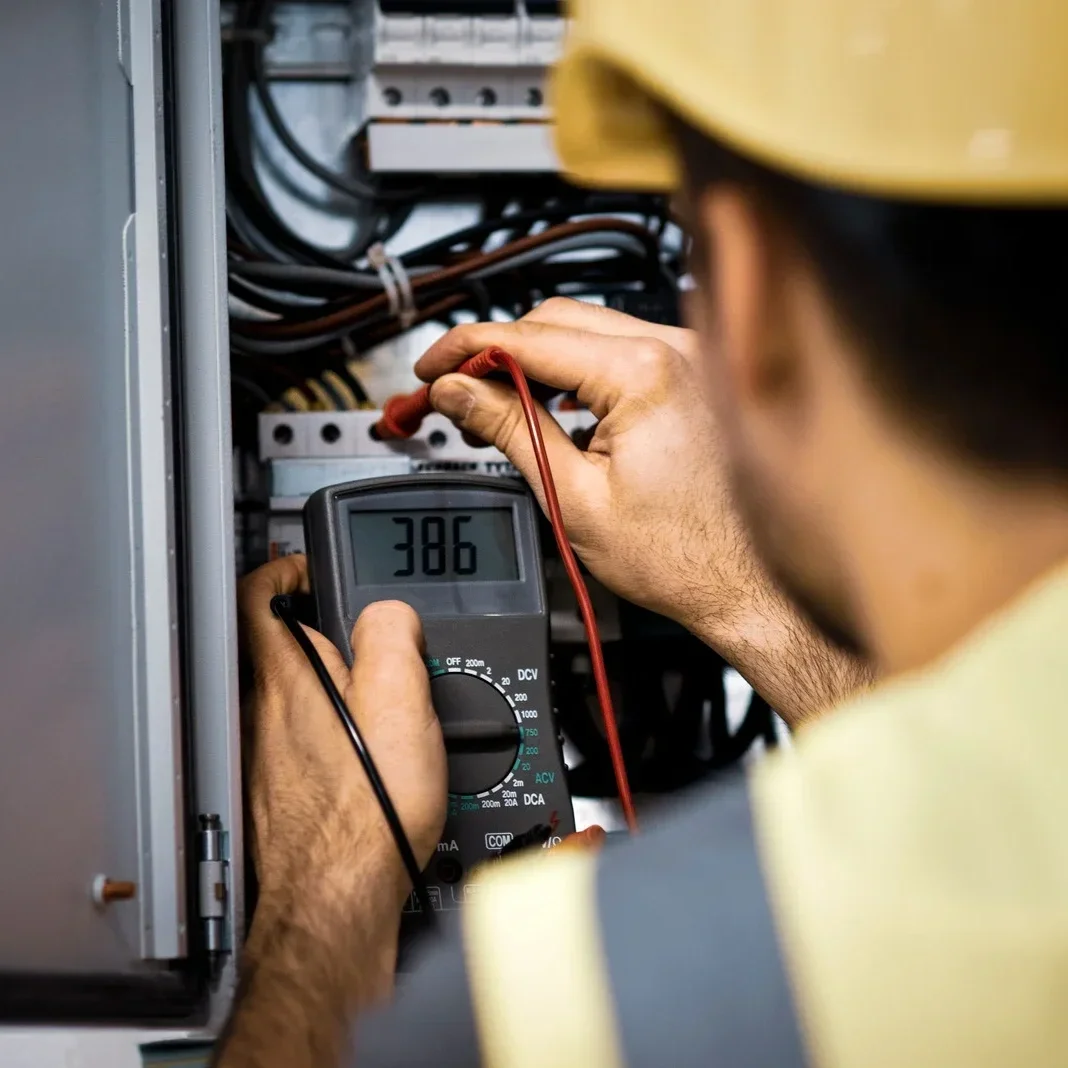
Experts advise against repeatedly resetting breakers; frequent tripping often signals serious underlying electrical issues like overloaded circuits or faulty home wiring.
Why Circuit Breakers Trip in the First Place
Circuit breakers exist to interrupt electrical flow when conditions become unsafe, and in Virginia Beach homes, those conditions often develop gradually rather than all at once. Breakers trip when they detect excess current, overheating, or faults that indicate electricity is no longer moving through the system as designed. Overloads occur when too many devices draw power on a single circuit, pushing current beyond what wiring and components can safely handle. Faults appear when electricity leaks outside its intended path due to damaged insulation, loose connections, or moisture intrusion, all of which are common contributors in coastal environments. A tripped breaker signals that something along that circuit requires attention rather than patience.
Environmental factors play a quiet but influential role in breaker behavior along the coast. High humidity, salt air, and seasonal temperature shifts accelerate wear on electrical connections and panel components. Corrosion increases resistance, resistance generates heat, and heat triggers breakers designed to protect wiring hidden behind walls. Many homeowners reset a breaker, assuming a temporary surge caused the interruption, yet repeated trips often point to compounding issues that develop slowly. Electrical systems respond consistently to underlying conditions, even when symptoms appear sporadic, and understanding why a breaker trips provides insight into what the system is experiencing internally.
What Happens When You Reset a Breaker Repeatedly
Resetting a breaker restores power but does not resolve the condition that caused the interruption. Each reset allows current to flow again through wiring and components already experiencing stress. Over time, repeated resets expose weakened insulation, loose terminals, and compromised devices to additional heat cycles. Copper expands as it warms and contracts as it cools, and repeated thermal cycling loosens connections further. Instead of stabilizing the system, frequent resets accelerate degradation along the circuit, raising the likelihood of more severe failures.
Breakers themselves also experience wear. Internal mechanisms degrade with repeated tripping and resetting, especially under fault conditions rather than simple overloads. A breaker that once responded precisely may begin tripping inconsistently or fail to trip when necessary. In homes throughout Virginia Beach, panels exposed to humidity or located in garages and exterior walls face added environmental stress. Treating breaker resets as a routine fix shifts protective equipment into a reactive role rather than a preventative one, allowing small electrical problems to mature into larger safety concerns within walls, ceilings, and junction boxes.
Overloaded Circuits and Modern Electrical Demand
Many breaker resets stem from circuits carrying more electrical demand than they were designed to handle. Older Virginia Beach homes often feature layouts created decades before modern appliances, home offices, and entertainment systems became standard. Bedrooms share circuits with lighting and outlets, kitchens rely on limited branch circuits, and garages host power tools, refrigerators, and charging equipment simultaneously. When multiple devices draw current at the same time, breakers respond by interrupting power to prevent overheating.
Repeated resets in overload situations may temporarily restore function but mask the need for load redistribution or circuit upgrades. Outlets and wiring experience sustained heat exposure, even if the breaker trips before damage becomes obvious. Heat gradually weakens insulation and outlet contacts, creating resistance that compounds the original overload condition. Resetting the breaker allows the cycle to repeat, increasing internal temperatures faster with each occurrence. Long-term reliability depends on matching electrical infrastructure to actual usage rather than relying on breakers to manage chronic overload conditions.
Fault Conditions That Make Resets Especially Risky
Faults differ from overloads in that electricity escapes its intended path, often through damaged insulation, loose wiring, or moisture exposure. Ground faults occur when current travels toward ground through unintended materials, while arc faults involve electricity jumping across gaps created by loose or deteriorated connections. Both conditions generate intense localized heat capable of igniting surrounding materials if allowed to persist. Breakers and protective devices interrupt power when these conditions arise to limit damage.
Resetting a breaker during an active fault condition reintroduces electricity into an unstable environment. Arcing may resume immediately, sometimes inside walls or junction boxes where visibility remains limited. Moisture intrusion, common in coastal Virginia Beach homes, further complicates fault behavior by lowering resistance thresholds. Repeated resets allow carbon tracking and insulation breakdown to spread, increasing the area affected by the fault. Electrical systems rarely self-correct under fault conditions, making resets a temporary interruption rather than a corrective action.
How Breaker Behavior Changes Over Time
Breakers respond differently as electrical systems age. Early in a problem’s development, trips may appear random or infrequent, often coinciding with specific appliance use. Over time, trip frequency increases, reset intervals shorten, and power interruptions become more disruptive. Homeowners may notice breakers tripping under lighter loads or at unpredictable times, indicating that resistance or fault conditions have intensified along the circuit.
Environmental exposure influences this progression in Virginia Beach homes. Corrosion on bus bars, breaker contacts, and panel components increases resistance within the panel itself. Heat builds more quickly, and breakers respond faster than they once did. Resetting the breaker may feel increasingly futile as interruptions occur with minimal provocation. Recognizing changes in breaker behavior helps differentiate between one-time overload events and evolving electrical system issues that require professional evaluation.
Temporary Power Restoration Versus Long-Term Safety
Breakers reset serve a purpose when used sparingly and in appropriate circumstances, such as after a known temporary overload. Problems arise when resets become routine responses to unexplained trips. Each reset restores power without addressing why protection is engaged, allowing conditions to persist unseen. Electrical systems prioritize safety over convenience, and repeated interruptions signal that protective thresholds are being met regularly.
Long-term safety depends on identifying root causes rather than managing symptoms. Persistent breaker trips often accompany hidden damage that worsens quietly behind walls. Resetting may delay visible consequences, but internal degradation continues. Virginia Beach homes benefit from proactive electrical assessments that evaluate wiring condition, circuit capacity, and environmental exposure together rather than isolating the breaker as the problem. Understanding the difference between a one-time event and a repeating pattern shifts the focus from restoring power quickly to maintaining system integrity over time.
How Electricians Evaluate Repeated Breaker Trips
Professional evaluation begins with understanding how and when the breaker trips. Electricians examine load patterns, appliance usage, and recent changes to the home’s electrical demand. Panel inspections reveal corrosion, heat discoloration, and wear on breakers and bus connections. Testing equipment measures current flow, resistance, and voltage stability across circuits to identify stress points that may not appear visually.
In Virginia Beach, environmental considerations factor heavily into assessments. Moisture pathways, exterior wall penetrations, and crawl space conditions influence wiring performance. Electricians also inspect outlets, switches, and junction boxes along the affected circuit for loose connections or insulation damage. Addressing repeated trips often involves multiple corrective actions rather than a single fix. Correcting load imbalance, reterminating wiring, replacing compromised components, and upgrading protection devices work together to restore predictable breaker behavior without relying on frequent resets.
When a Breaker Trips Without an Obvious Load Change
Breaker trips that occur without any noticeable change in appliance use often confuse homeowners, especially when nothing new has been plugged in, and daily routines remain the same. In many Virginia Beach homes, these unexplained trips trace back to gradual changes inside the electrical system rather than sudden demand spikes. Wiring insulation ages, terminals loosen incrementally, and corrosion builds slowly on metal surfaces. Each of these changes increases resistance, which raises operating temperatures even under normal electrical loads. Breakers respond to those internal conditions rather than external behavior, meaning the system may reach unsafe thresholds despite appearing unchanged from the homeowner’s perspective.
Seasonal factors frequently influence these patterns. Higher ambient temperatures during the summer months reduce the ability of wiring and panels to dissipate heat, causing breakers to trip under loads that were previously tolerated. Humidity fluctuations also affect resistance levels, particularly in panels installed in garages or exterior-facing walls. Resetting a breaker under these circumstances temporarily restores power but allows the same thermal conditions to rebuild quickly. Over time, trips may occur more frequently or migrate to other circuits as system-wide stress increases, signaling that internal electrical health has shifted even if household habits have not.
Breaker Resets and the Risk of Hidden Heat Damage
Heat damage inside electrical systems rarely presents itself immediately at visible access points. Conductors inside walls, attic runs, and junction boxes may experience prolonged exposure to elevated temperatures long before external symptoms appear. Repeated breaker resets contribute to this process by reintroducing current into components already operating near their thermal limits. Insulation materials soften, lose structural integrity, and become more vulnerable to cracking or displacement. Once insulation degrades, conductors may contact metal surfaces or other wires, escalating fault risks.
In coastal Virginia Beach environments, moisture compounds heat-related deterioration. Warm, humid air penetrates wall cavities, lowering insulation resistance and encouraging corrosion. Heat accelerates chemical reactions on metal surfaces, causing pitting and oxidation that further increase resistance. Resetting a breaker in these conditions allows heat cycles to repeat, gradually expanding the zone of damage. Eventually, what began as a localized issue at one outlet or connection can affect an entire branch circuit, increasing repair scope and safety concerns.
Why Breakers Sometimes Trip Faster After Being Reset
Homeowners often notice that breakers trip more quickly after repeated resets, sometimes cutting power almost immediately after being switched back on. This behavior often indicates that the underlying condition has intensified rather than resolved. Thermal breakers contain bimetallic elements that respond to heat buildup over time. When components downstream remain hot from previous trips, resetting the breaker reintroduces current before temperatures fully normalize, shortening the time required to reach trip thresholds again.
Electrical faults may also worsen with each reset. Arcing can carbonize insulation or terminal surfaces, creating conductive paths that allow electricity to flow where it should not. Carbon deposits increase current leakage, causing breakers to respond more aggressively in Virginia Beach homes, where humidity can prevent full cooling between trips, residual heat and moisture work together to reduce recovery time. Frequent resets create a pattern where the system becomes increasingly sensitive, signaling that continued operation without repair poses escalating risk.
Panel Location and Environmental Exposure Factors
Breaker panels located in garages, utility rooms, or exterior walls face environmental stressors that influence trip behavior. Temperature extremes, humidity, and airborne contaminants accelerate wear on internal components. In coastal regions like Virginia Beach, salt carried inland corrodes metal contacts and bus bars, raising resistance at connection points within the panel itself. Breakers may trip due to heat buildup originating inside the panel rather than along the branch circuit.
Repeated resets under these conditions allow corrosion-driven resistance to worsen. Heat generated at corroded connections spreads to adjacent breakers, potentially causing multiple circuits to trip intermittently. Homeowners may misinterpret this pattern as random nuisance tripping rather than panel-level degradation. Electrical evaluations that include panel condition assessments help identify whether resets mask broader system exposure issues that require remediation beyond individual breaker replacement.
FAQs
Resetting a breaker once after a known temporary overload may be reasonable, but repeated resets indicate an unresolved issue. Continued tripping suggests electrical stress or faults that require professional evaluation rather than repeated restoration attempts.
Breakers experience mechanical and thermal wear with each trip and reset. Frequent cycling can reduce reliability, causing inconsistent tripping behavior or delayed response during unsafe conditions.
Higher ambient temperatures reduce heat dissipation and increase electrical demand from cooling equipment. Humidity and corrosion also raise resistance levels, making breakers more sensitive during warmer months.
Investigating the circuit usually provides better insight than replacing the breaker alone. Wiring condition, load distribution, and environmental exposure often contribute to repeated trips even when the breaker itself remains functional.
The most effective step involves a professional electrical assessment that examines the panel, circuits, and connected devices together. Identifying and correcting root causes restores safe operation and reduces reliance on repeated resets.