
Scorch Marks on Outlets in Virginia Beach Homes: What They Mean and What to Do
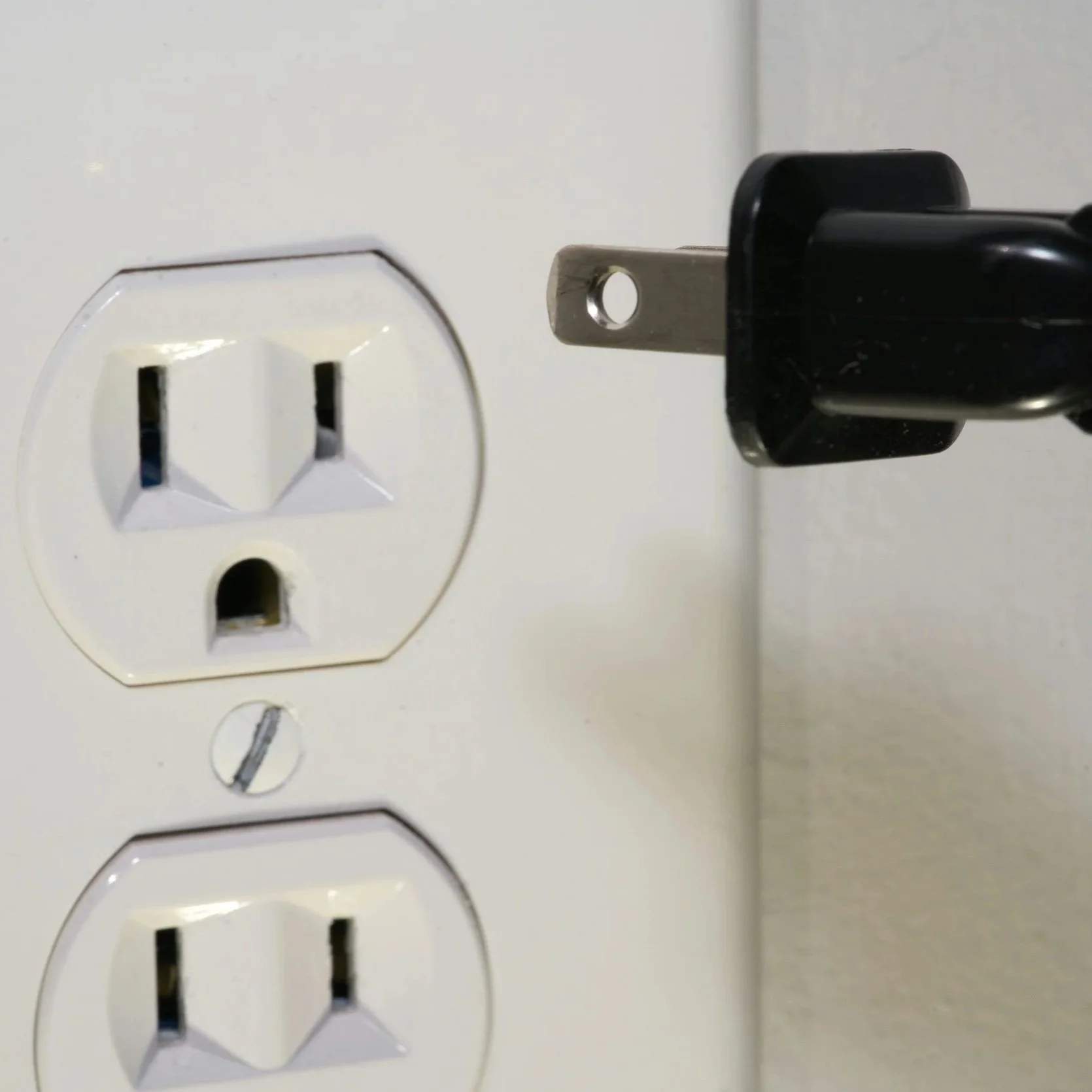
Scorch marks on your outlets indicate dangerous electrical arcing or overheating, requiring immediate inspection by a professional Virginia Beach electrician.
Understanding Why Scorch Marks Appear on Electrical Outlets
Scorch marks around an outlet rarely show up without a reason, and in Virginia Beach homes, they often point to heat buildup occurring over time rather than a single dramatic electrical event. Heat forms when electricity meets resistance, and resistance increases when connections loosen, wires degrade, or components age past their intended lifespan. Coastal humidity, salt air, and temperature swings common in this area quietly accelerate that process. Metal contacts inside outlets can oxidize faster, plastic housings become brittle, and screws that once held wires firmly in place can back off just enough to create friction. Friction turns into heat, heat discolors plastic, and eventually scorch marks become visible on the faceplate or wall surface.
Homeowners sometimes assume scorch marks appear suddenly, but most develop gradually, often behind the cover plate first, where they go unnoticed. Electrical current keeps flowing, appliances keep working, and nothing trips a breaker right away. Over weeks or months, heat repeatedly stresses the outlet until discoloration becomes obvious. By the time marks appear on the outside, internal components often show more severe damage. Melted insulation, pitted contacts, and weakened spring tension inside the receptacle all reduce its ability to safely handle everyday loads. Ignoring those early visual cues allows the problem to deepen, increasing the chance of arcing, breaker trips, or localized fire damage inside the wall cavity.
Loose Wiring and Terminal Failures Inside the Wall
One of the most common causes of scorch marks involves loose wiring connections behind the outlet. Many Virginia Beach homes built decades ago still rely on backstabbed connections, where wires are pushed into spring-loaded holes instead of being secured under screw terminals. Over time, vibration from appliance use, thermal expansion, and minor structural movement can weaken those spring connections. As the wire loses firm contact with the terminal, electrical resistance rises. Electricity does not stop flowing, but it begins producing heat at the weakened point, gradually transferring that heat into the outlet body and surrounding materials.
Loose terminal screws can create similar problems even in newer installations. Copper wiring expands when warm and contracts as it cools, and repeated cycles slowly loosen screws that were not properly torqued. Salt-laden coastal air can also corrode exposed metal, further reducing contact quality. As resistance increases, the outlet works harder just to pass the same amount of current. That excess heat often concentrates at the connection point, causing scorch marks that radiate outward from the receptacle slots or screw locations. Without correction, wire insulation can degrade, creating the potential for short circuits or arcing faults hidden inside the wall, where detection becomes difficult.
Overloaded Circuits and Heat Accumulation at the Outlet
Scorch marks frequently appear when an outlet handles more electrical demand than it was designed to manage. Many Virginia Beach homes rely on older branch circuits that were never intended to power modern lifestyles filled with space heaters, window air conditioners, gaming systems, and kitchen appliances all running simultaneously. When multiple high-draw devices share a circuit, current increases across every outlet on that run. Even if the breaker does not trip, outlets experience sustained thermal stress as they carry near-capacity loads for extended periods.
Heat buildup from overload conditions often concentrates at outlets where cords remain plugged in continuously. Continuous draw prevents cooling cycles that normally allow components to dissipate heat. Plastic faceplates discolor slowly, and scorch marks may develop in irregular patterns rather than uniform circles. Homeowners sometimes replace the faceplate without addressing the underlying electrical demand, temporarily hiding the problem while heat continues to build behind the wall. Over time, outlet contacts lose spring tension, plugs fit loosely, and arcing becomes more likely whenever cords shift or devices cycle on and off.
Arcing Events and Carbon Tracking Inside Receptacles
Arcing occurs when electricity jumps across a small air gap instead of flowing smoothly through a solid connection. Even brief arcs generate intense heat and leave carbon residue behind. Carbon is conductive, meaning once it forms, it can create a path for repeated arcing events. In outlets, arcing often results from worn contacts, loose plugs, or damaged cords. Each time a plug wiggles slightly or a device draws power during startup, a small arc can form inside the receptacle, gradually burning internal components.
Scorch marks caused by arcing often appear darker and more localized than those caused by overload heating. Blackened streaks near one slot or uneven burn patterns around the outlet face suggest repeated arc points rather than general overheating. Inside the box, carbon tracking may spread along insulation or outlet surfaces, increasing the chance of future arcs even under lighter loads. Left unresolved, arcing damage can progress quickly, especially in humid coastal environments where moisture lowers resistance thresholds and encourages electrical leakage across contaminated surfaces.
Aging Outlets and Material Degradation Over Time
Electrical outlets do not last forever, even when they appear intact from the outside. In many Virginia Beach homes, outlets may be twenty, thirty, or even fifty years old. Over time, internal metal components lose elasticity, plastics dry out, and insulating materials become more vulnerable to heat damage. Older outlets were also manufactured to different standards, often rated for lower load expectations than modern usage demands. As materials degrade, even normal electrical loads can generate abnormal heat.
Aging outlets may show scorch marks without any obvious misuse or overload event. Plugs may feel loose, cords slip partially out, or devices flicker when touched. Each of those symptoms points to weakened internal contacts that no longer grip prongs securely. Heat generated at those weak points transfers directly into the outlet body and wall surface. Replacing only the outlet without evaluating the wiring feeding it may temporarily resolve visible damage while leaving aged conductors or outdated circuit designs in place. Long-term reliability depends on addressing both the receptacle and the conditions surrounding it.
Environmental Factors Unique to Virginia Beach Homes
Virginia Beach presents environmental challenges that directly affect electrical systems. High humidity levels persist much of the year, and salt carried inland from the ocean accelerates corrosion on metal components. Moisture intrusion from poorly sealed exterior walls or crawl spaces can raise humidity inside wall cavities, creating conditions where electrical connections degrade faster than expected. Even slight moisture presence lowers insulation resistance, increasing heat generation at connection points during normal operation.
Seasonal temperature swings also play a role. Hot summers drive higher electrical usage from cooling equipment, while thermal expansion stresses wiring and outlet connections daily. Over time, those cycles loosen terminals and fatigue materials. Scorch marks may appear more frequently in homes closer to the coast or in properties with older construction that lack modern vapor barriers. Electrical issues tied to environmental exposure rarely resolve on their own and tend to worsen gradually, making early visual warnings especially important to recognize and address.
Recognizing When Scorch Marks Signal an Active Safety Risk
Not all scorch marks carry the same level of urgency, but several visual and functional clues indicate when an outlet problem has moved from deterioration into active risk territory. Discoloration that continues to darken over time, especially after the outlet has already been replaced once, suggests ongoing heat generation behind the wall rather than surface-level damage. Warmth felt on the faceplate or surrounding drywall after normal appliance use points to sustained thermal buildup that should never occur under proper conditions. Buzzing, crackling sounds, or intermittent power loss further reinforce that electricity is no longer flowing cleanly through the system.
Odors provide another critical warning sign. A faint burnt plastic or metallic smell near an outlet often appears before visible flames or smoke. In coastal Virginia Beach homes, humidity can temporarily mask these smells, allowing damage to progress unnoticed. Any outlet that emits odor, feels hot to the touch, or shows expanding scorch marks should be treated as compromised immediately. Continuing to use the outlet, even lightly, allows heat to migrate deeper into framing materials, increasing the risk of ignition within wall cavities where detection becomes far more difficult.
What Happens Inside the Wall When Scorch Marks Are Ignored
When scorch marks go unaddressed, damage rarely remains isolated to the outlet itself. Heat weakens wire insulation, causing it to crack or shrink back from conductors. Exposed copper can contact metal boxes, drywall screws, or other conductors, creating short circuits or ground faults. Wood framing near the electrical box may dry out from repeated heat exposure, lowering its ignition temperature over time. These changes occur slowly, which explains why many electrical fires begin without a dramatic triggering event.
Electrical systems also respond unpredictably as damage spreads. Breakers may begin tripping intermittently, or nearby outlets on the same circuit may show signs of discoloration or failure. Voltage drops can occur, stressing appliances and shortening their lifespan. Homeowners sometimes misinterpret these symptoms as unrelated issues, replacing devices or power strips instead of addressing the shared electrical pathway. Once insulation integrity is compromised, the risk extends beyond one outlet and into the broader branch circuit feeding that area of the home.
Why Simple Outlet Replacement Often Falls Short
Replacing a scorched outlet without further investigation often treats the symptom rather than the cause. While a new receptacle restores proper contact tension temporarily, underlying wiring issues remain untouched. Loose conductors, damaged insulation, overloaded circuits, or environmental moisture continue to generate heat behind the scenes. In many cases, newly installed outlets develop scorch marks again within months, frustrating homeowners who assumed the problem had been resolved.
Professional evaluation looks beyond the faceplate. Electricians examine wire condition, terminal integrity, box fill, grounding continuity, and circuit load distribution. In Virginia Beach homes, special attention goes to corrosion patterns and moisture pathways that may affect multiple outlets along a run. Addressing the full scope of the issue may involve reterminating wiring, upgrading circuit capacity, redistributing loads, or replacing sections of conductor that have degraded beyond safe use. Long-term safety depends on restoring proper electrical flow throughout the system, not just at the visible endpoint.
Circuit Design Limitations in Older Virginia Beach Neighborhoods
Many neighborhoods in Virginia Beach feature homes built during periods when electrical demand looked very different from today. Kitchens, bedrooms, and living spaces often share circuits that now power far more devices than originally intended. Older panel configurations may lack dedicated circuits for high-draw appliances, forcing homeowners to rely heavily on extension cords and power strips. These workarounds concentrate load at specific outlets, increasing heat stress and accelerating failure.
Scorch marks in these homes often point to systemic design limitations rather than isolated defects. Upgrading outlets alone does not increase circuit capacity or reduce cumulative demand. Evaluating load balance across circuits, adding dedicated lines where appropriate, and modernizing panels can significantly reduce outlet stress. Coastal environmental exposure compounds these challenges, making proactive electrical upgrades especially valuable for long-term safety and reliability.
Professional Inspection and Repair Approaches That Address Root Causes
A thorough electrical inspection focuses on identifying why heat formed, not just where it appeared. Electricians assess conductor gauge relative to circuit load, verify proper grounding, and test for voltage irregularities that may signal upstream resistance. Thermal imaging tools can reveal hidden hotspots inside walls without invasive demolition, helping pinpoint areas where insulation breakdown or loose connections exist. In moisture-prone areas, inspectors may also evaluate wall cavities and crawl spaces for environmental factors contributing to electrical degradation.
Repairs often involve multiple steps performed together. Retaining wires under proper torque reduces resistance. Replacing damaged conductors restores insulation integrity. Redistributing loads across circuits reduces sustained heat buildup. In some cases, adding arc fault or ground fault protection enhances safety by interrupting power when abnormal conditions arise. Each measure works together to stabilize electrical performance and prevent future scorch mark formation.
FAQs
Power to the outlet should be shut off at the breaker as soon as scorch marks are noticed. Avoid using the outlet until it has been inspected, since continued use allows heat buildup to worsen and may damage wiring behind the wall.
Scorch marks indicate heat exposure, which always carries some level of risk. While not every scorched outlet leads to a fire, the conditions that cause discoloration often progress toward more serious failure if left unresolved.
Older homes experience scorch marks more frequently due to aging materials, outdated circuit designs, and accumulated environmental wear. Modern usage patterns place additional strain on systems that were never built for current electrical demand.
Power strips may temporarily redistribute load, but often concentrate demand at a single outlet. Heavy or continuous use through power strips can actually increase heat generation at the receptacle over time.
Replacing the outlet addresses visible damage, but underlying wiring and circuit conditions must also be evaluated. Without correcting root causes, new outlets may develop the same problems again.