Loose Plug Outlets Are a Fire Hazard in Virginia Beach Homes
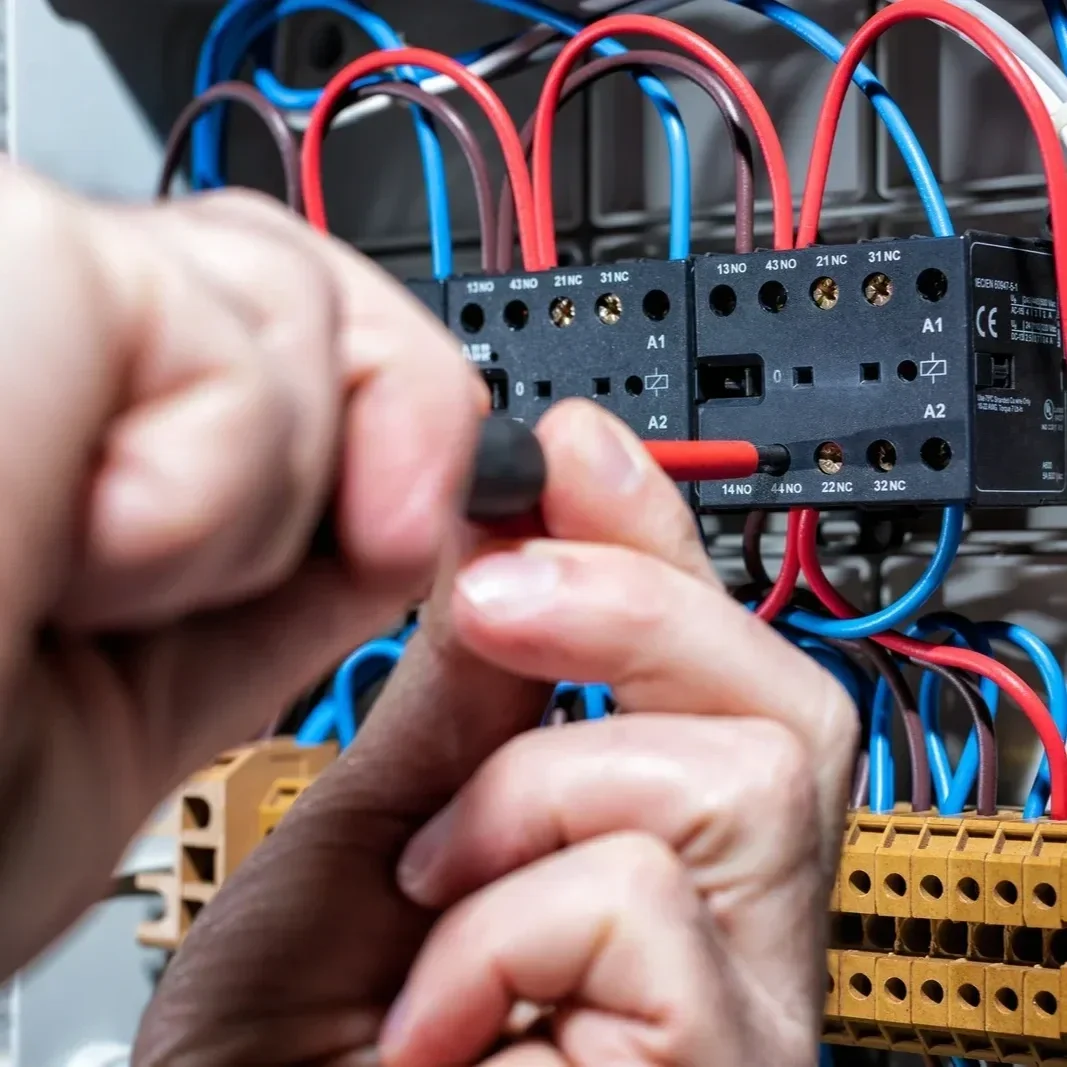
Common culprits for dimming lights in Virginia Beach include loose bulbs, outdated residential wiring, and fluctuations in the local power grid.
Why Plugs Should Never Slip Out Easily
An outlet that cannot hold a plug firmly often gets dismissed as worn out or inconvenient. Homeowners in Virginia Beach, Virginia, commonly mention loose outlets as an annoyance, especially when phone chargers fall out or lamps flicker when cords shift. In reality, an outlet that no longer grips a plug tightly signals a mechanical failure inside the device. Electrical outlets rely on internal metal contact springs to maintain constant pressure against plug prongs. That pressure creates a stable electrical connection that allows current to flow evenly without resistance.
When an outlet loses its grip, electrical contact becomes inconsistent. Electricity must jump small gaps as plugs move, creating resistance and heat at the contact point. That heat accelerates wear on the outlet, further weakening the connection with each use. Loose plug outlets rarely improve on their own. They steadily degrade, increasing the likelihood of arcing, overheating, and eventual ignition inside the wall. What feels like a minor inconvenience often marks the early stages of a serious electrical hazard.
How Outlet Wear Develops Over Time
Outlet wear occurs gradually through everyday use. Each time a plug is inserted or removed, the metal contact springs inside the outlet flex slightly. Over years of normal use, that repeated flexing weakens spring tension. Once tension drops below a certain point, the outlet can no longer hold plugs securely. The problem worsens faster in outlets used daily, such as those serving lamps, televisions, kitchen appliances, and phone chargers.
In Virginia Beach homes, environmental conditions accelerate this process. Humidity promotes corrosion on metal contacts, reducing their strength and conductivity. Salt carried inland from the coast increases oxidation, especially in outlets located on exterior walls or in garages. Heat cycles from heavy appliances use further fatigue metal components. Over time, outlets lose their ability to maintain firm contact even under light loads, creating unstable electrical connections that produce heat with every use.
Why Loose Plugs Create Heat And Arcing
Electricity flows most safely when metal contacts remain tight and continuous. A loose plug disrupts that flow. As the plug shifts, electricity encounters gaps where it must bridge air rather than solid metal. That bridging occurs as an arc, producing intense localized heat. Even small arcs degrade contact surfaces, creating carbon deposits that increase resistance during future use.
Each arc makes the next arc easier to occur. Heat damages the outlet body, softening plastic and loosening internal components further. Over time, arcing events become more frequent and more intense. In Virginia Beach homes with wood framing and insulated walls, repeated arcing inside an outlet box creates a dangerous environment where ignition can occur without visible warning. Loose plugs represent one of the most common starting points for outlet-related fires because they combine mechanical failure with electrical instability.
The Impact Of Loose Outlets On Connected Devices
Loose plug outlets not only threaten the outlet itself. Devices connected to unstable outlets experience inconsistent power delivery. Voltage fluctuates as the contact breaks and reconnects, placing stress on internal components. Lamps flicker, electronics reset, and motors draw uneven current. That instability shortens the lifespan of appliances and electronics, sometimes causing sudden failure.
Homeowners in Virginia Beach often notice chargers feeling warm, cords discoloring near the plug, or devices behaving erratically when plugged into loose outlets. Heat travels up the plug prongs and into cords, increasing the risk of insulation breakdown. Over time, cords connected to loose outlets suffer damage that persists even after the outlet is replaced. Addressing loose outlets early helps prevent secondary damage to expensive devices and wiring connected to them.
Backstab Wiring And Outlet Failure
Many outlets installed in residential construction rely on backstab connections rather than screw terminals. Backstab wiring uses spring clips to hold wires in place, allowing faster installation but providing less long-term reliability. Over time, those spring clips lose tension, introducing resistance at the wire connection inside the outlet. Combined with worn plug contacts, backstabbed outlets degrade faster than properly terminated alternatives.
In Virginia Beach, homes built during periods when backstab wiring was common often have loose plug outlets that coincide with loose internal wiring connections. Heat generated at these points accelerates outlet failure. As resistance increases, outlets may feel warm to the touch or show discoloration. These symptoms reflect compounded mechanical and electrical wear that progresses steadily until the outlet becomes a fire hazard rather than a simple nuisance.
Why Loose Outlets Often Appear In Clusters
Loose outlets rarely exist in isolation. Homes wired around the same time often contain outlets of similar age and quality. When one outlet begins losing tension, others nearby may not be far behind. Circuits serving high-use areas experience similar wear patterns across multiple outlets.
In Virginia Beach residences, electricians frequently discover multiple loose outlets on the same circuit during inspections prompted by a single complaint. Heat and resistance at one outlet affect voltage stability across the circuit, increasing stress on neighboring outlets. Over time, clusters of loose outlets develop, each contributing to electrical instability. Replacing only the most obvious outlet leaves others continuing to degrade, allowing hazards to persist behind walls.
Environmental Stress In Coastal Homes
Coastal conditions add a unique layer of risk for loose outlets. High humidity infiltrates wall cavities, promoting corrosion inside outlet boxes. Salt air accelerates oxidation on metal components, reducing conductivity and increasing resistance. These factors shorten the functional lifespan of outlets compared to drier inland environments.
Temperature swings between day and night cause expansion and contraction that loosen already weakened components. In Virginia Beach, this environmental stress compounds normal aging. Outlets may loosen faster and produce heat sooner than expected. What might take decades elsewhere can develop much earlier in coastal homes, making routine inspection and proactive replacement especially important for safety.
Why Breakers Do Not Protect Against Loose Outlets
Circuit breakers respond to excessive current draw, not poor contact at outlets. A loose outlet may operate within normal amperage limits while generating dangerous heat at the contact point. Breakers remain closed while arcing and overheating continue inside the outlet box.
Even advanced protective devices focus on detecting specific fault conditions rather than mechanical wear. Loose plug outlets create localized hazards that bypass breaker protection entirely. Relying on breakers alone leaves a critical safety gap. Physical signs, such as plugs falling out easily, provide important warnings that require direct attention rather than waiting for a breaker to intervene.
When Loose Outlets Turn Into Hidden Fire Starters
Loose plug outlets create a unique fire risk because the danger develops inside the wall, not at the visible surface. Each time a plug shifts or partially disconnects, electrical contact becomes unstable. That instability produces heat in short bursts that often go unnoticed. Over time, heat damages the outlet body, wire insulation, and surrounding materials. Plastic softens, insulation becomes brittle, and metal components lose their ability to hold shape. These changes compound quietly with each use.
Inside outlet boxes, dust and debris accumulate naturally. When repeated arcing occurs, those materials can ignite at relatively low temperatures. In Virginia Beach homes with wood framing and insulation packed tightly around outlet boxes, heat has little room to dissipate. Fires that start this way often smolder behind walls before becoming visible, which delays detection and increases damage. Loose outlets represent a slow-building hazard rather than a sudden failure, making early intervention critical.
Why Extension Cords And Power Strips Make It Worse
Homeowners often compensate for loose outlets by using extension cords or power strips, especially when plugs fall out repeatedly. While convenient, these workarounds increase risk. Power strips concentrate multiple loads into a single loose connection, increasing current flow through already compromised contacts. Extension cords add additional resistance points and can shift plugs further out of alignment, worsening contact instability.
In Virginia Beach homes, extension cords are frequently used for seasonal needs like dehumidifiers, space heaters, or outdoor equipment. These devices draw steady current, which magnifies heat generation at loose outlets. The outlet becomes the weakest link in the chain, absorbing stress from multiple connected devices. Over time, cords themselves heat and degrade, spreading risk beyond the outlet and into the room. Temporary fixes often mask the warning signs while accelerating the underlying hazard.
Why GFCI And AFCI Devices Still Need Solid Outlets
Modern safety devices such as GFCI and AFCI outlets provide important protection, but they cannot compensate for worn mechanical contacts. These devices monitor electrical behavior, not physical grip strength. A loose GFCI outlet still allows plugs to shift, creating resistance and heat before any fault condition triggers protection.
In some Virginia Beach homes, GFCI outlets installed years ago now suffer from the same wear as standard outlets. Plugs slip out easily despite the added safety features. Heat generated at loose contacts can damage internal components of the device itself, reducing reliability. Safety devices function best when paired with solid mechanical connections. Replacing worn outlets remains necessary even when protective technology is present.
Why Loose Outlets Often Indicate Broader Electrical Aging
Loose plug outlets often appear alongside other signs of electrical aging. Flickering lights, warm faceplates, buzzing sounds, or frequent bulb failures frequently accompany loose connections. These symptoms reflect a system experiencing widespread wear rather than an isolated defect.
In Virginia Beach homes built decades ago, original outlets may still be in service despite dramatically increased electrical demand. Over time, cumulative stress affects outlets, switches, wiring, and panel connections together. Discovering loose outlets often prompts electricians to evaluate the broader system for similar wear. Addressing only the most obvious outlet leaves other aging components continuing to degrade, increasing the likelihood of future hazards appearing elsewhere.
When Outlet Replacement Becomes Urgent
Loose outlets warrant prompt replacement when plugs fall out easily, outlets feel warm, show discoloration, or cause flickering when cords move. These signs indicate that internal contacts no longer maintain safe electrical pressure. Continued use allows damage to progress beyond the outlet itself and into connected wiring.
Electricians evaluating loose outlets inspect wire condition, termination method, box fill, and circuit load together. In Virginia Beach homes, assessments often include checking for corrosion caused by humidity and salt exposure. Replacement outlets installed with proper screw terminal connections restore firm contact and reduce resistance. Addressing the issue early prevents heat-related damage from spreading into walls and ceilings, where repairs become more complex and costly.
Why Professional Replacement Matters
Replacing an outlet involves more than swapping a device. Proper installation requires secure terminations, correct torque, adequate box space, and verification that wiring remains in good condition. Improper installation can introduce new resistance points that recreate the problem quickly.
Licensed electricians identify whether loose outlets reflect isolated wear or broader circuit issues. In Virginia Beach homes, professionals often recommend upgrading multiple outlets on the same circuit when wear patterns appear consistent. This approach restores system stability rather than treating symptoms one at a time. Professional replacement reduces fire risk while improving reliability for everyday electrical use.
FAQs
Plugs fall out when the internal contact springs inside the outlet lose tension from age, wear, or corrosion. Once that grip weakens, the outlet can no longer maintain firm contact with plug prongs.
Yes. Loose outlets create resistance and arcing that generate heat inside the wall. Over time, that heat damages insulation and surrounding materials, increasing the risk of ignition.
Faceplates do not affect contact strength. Tightening the outlet mounting screws does not restore internal spring tension. Replacement is the correct solution when plugs no longer hold firmly.
Unstable contact causes inconsistent power delivery that stresses electronic components and motors. Over time, appliances and chargers connected to loose outlets may fail prematurely.
Replacement should be scheduled as soon as a loose grip is noticed, especially if plugs fall out easily or outlets feel warm. Early action reduces fire risk and prevents further damage to wiring and devices.