
One Outlet Not Working, But Others Are? Virginia Beach Electrical Diagnosis
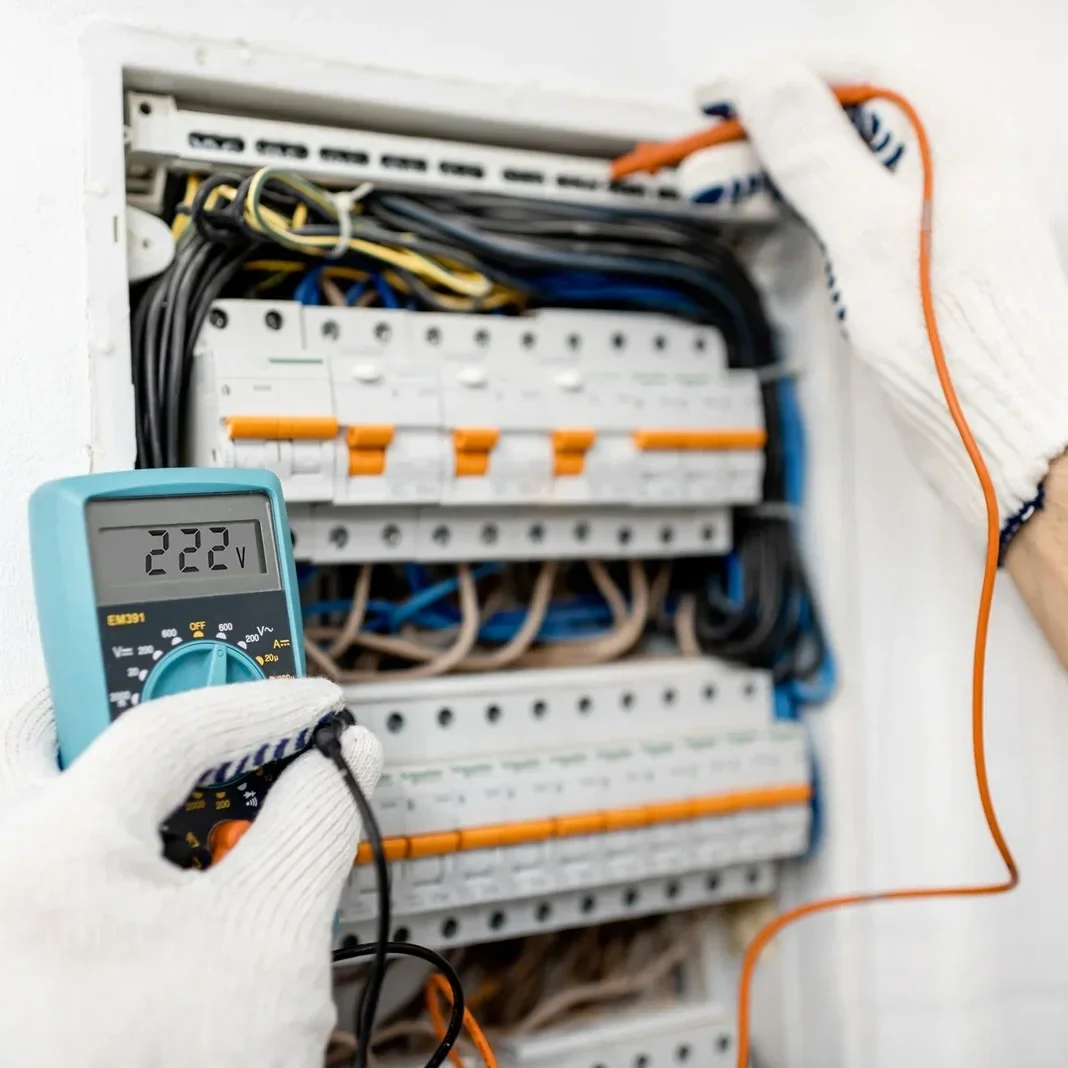
When one outlet fails while others stay live, a professional diagnostic check ensures your Virginia Beach home remains safe and functional.
Why A Single Dead Outlet Is Rarely Random
When one outlet stops working while others nearby continue to function, the situation often feels confusing and arbitrary. Homeowners in Virginia Beach, Virginia, frequently assume the outlet itself has simply failed or that a device plugged into it caused the issue. In reality, a single nonworking outlet usually points to a specific interruption somewhere along the electrical path feeding that location. Electrical systems are designed in sequences, with power flowing from the panel through multiple connection points before reaching each outlet. When one link in that chain weakens or fails, the effect often shows up at a single endpoint rather than across an entire room.
A dead outlet matters because it indicates a break in continuity that may not stay isolated. Loose connections, deteriorating wiring, or hidden protective devices can all interrupt power at one outlet while leaving others unaffected for now. These issues often develop gradually. Heat, vibration, and environmental exposure weaken components until failure occurs at the weakest point. Addressing a single dead outlet early helps prevent the underlying issue from spreading to other outlets on the same circuit, which often happens once stress redistributes.
How Power Is Routed To Individual Outlets
Understanding why one outlet fails while others remain active requires a basic look at how residential wiring works. Most outlets are wired in a series along a circuit rather than independently back to the panel. Power enters the first outlet or junction, then continues on to the next, and so on. Each outlet acts as both a destination and a pass-through point for electricity feeding downstream devices.
When a connection fails at any point in that sequence, outlets beyond that failure lose power while upstream outlets continue working normally. In Virginia Beach homes, this wiring method is common across both older and newer construction. A loose wire at one outlet, a failed backstab connection, or a compromised splice inside a wall box can interrupt power to a single location. The visible symptom appears simple, yet the cause often lies hidden behind the outlet cover or in an adjacent box rather than at the dead outlet itself.
Tripped GFCI Devices Affecting Only One Outlet
Ground fault circuit interrupters protect against shock by shutting off power when they detect an imbalance. Many homeowners expect a tripped GFCI to affect an entire room, yet these devices often protect only specific downstream outlets. When a GFCI trips, any outlets wired after it loses power, while others on separate paths remain active.
In Virginia Beach homes, GFCI devices are commonly installed in kitchens, bathrooms, garages, and outdoor locations. A single dead outlet may be protected by a GFCI located in another room, sometimes several walls away. Moisture, humidity, or a temporary ground fault can trip the device without obvious signs. Because coastal conditions increase moisture exposure, GFCIs in this area trip more frequently than homeowners expect. Resetting the correct device often restores power, but repeated tripping indicates underlying wiring or appliance issues that require further evaluation.
Loose Connections Behind The Outlet
Loose wiring connections remain one of the most common causes of a single dead outlet. Over time, wires secured to outlet terminals loosen due to thermal expansion, vibration, or improper installation. When a wire pulls away from its terminal or loses firm contact, power flow stops at that point. Outlets wired downstream may still function if they receive power through a different path, making the failure appear isolated.
In many Virginia Beach homes, builder-grade outlets rely on backstab connections that weaken faster than screw terminal connections. Once tension inside those clips diminishes, wires slip just enough to interrupt current. Heat generated at loose connections accelerates the problem, sometimes leading to partial contact that fails intermittently before stopping entirely. A dead outlet caused by loose wiring often shows no visible damage at the faceplate, hiding the true cause behind the wall.
Burned Or Damaged Outlet Contacts
Outlets experience wear with every plug insertion and removal. Over time, internal contacts degrade, especially when devices draw significant current. Heat buildup from loose plugs or overloaded circuits damages metal contact surfaces. Once contacts burn or pit severely, the outlet can no longer pass current even if the wiring behind it remains intact.
In Virginia Beach residences, humidity and salt exposure accelerate corrosion inside outlets, weakening contact surfaces faster than in drier climates. A single outlet may fail while others continue operating because its internal contacts reach failure first. Burned outlets often feel loose, show discoloration, or emit odors before failing completely. When contact damage causes an outlet to stop working, replacement alone may restore function, though inspection of connected wiring remains important to identify contributing factors.
Backstab Wiring And Downstream Failure
Backstab wiring connects conductors to spring clips on the back of the outlet rather than under screw terminals. While allowed by code, this method proves less durable over time. As spring tension weakens, the connection becomes unreliable. When a backstabbed outlet fails, it often interrupts power passing through to downstream outlets.
In homes across Virginia Beach built during periods when backstab wiring was common, electricians frequently find dead outlets tied to failed backstab connections upstream. Even if the affected outlet itself appears intact, the failure may reside at the previous outlet on the circuit. Heat and resistance at the failed connection degrade surrounding wiring insulation, increasing the chance of additional failures nearby. Diagnosing these issues requires tracing the circuit rather than focusing solely on the nonworking outlet.
Hidden Junction Boxes And Splice Failures
Not all electrical connections reside directly inside outlet boxes. Junction boxes hidden in attics, crawl spaces, or behind walls often contain splices that feed individual outlets. When a splice loosens or corrodes, power to one outlet may drop while others remain unaffected.
Virginia Beach homes with additions or renovations sometimes contain junctions added years later that now show signs of aging. Environmental exposure, rodents, or improper installation can compromise splices over time. Because these boxes are out of sight, failures may go unnoticed until a downstream outlet stops working. Identifying these issues requires systematic tracing and inspection rather than simple outlet replacement.
Why Breakers Often Remain On
A single dead outlet rarely trips a breaker because the issue does not involve excessive current draw. Breakers respond to overloads and short circuits, not open circuits caused by loose connections or failed contacts. When power flow stops due to a break in continuity, the breaker remains engaged, giving the impression that everything upstream remains healthy.
This behavior often confuses homeowners in Virginia Beach who check the panel first and find no tripped breakers. The absence of a breaker issue reinforces the belief that the outlet itself failed randomly. In reality, the system detected no overcurrent condition, even though power delivery to one location stopped entirely. Understanding this distinction helps explain why breaker resets rarely resolve isolated outlet failures.
How Environmental Factors Contribute To Outlet Failure
Environmental conditions play a quiet but significant role in why one outlet may fail while others continue working. In Virginia Beach, humidity and salt exposure accelerate corrosion on metal components inside outlet boxes and wiring connections. Corrosion increases resistance at contact points, which interferes with smooth current flow. Over time, that resistance generates heat that weakens connections further until continuity breaks entirely at a single location.
Temperature fluctuations also contribute. Daily expansion and contraction of wiring and terminals slowly loosen connections, especially in exterior walls, garages, or rooms with less climate control. An outlet in one of these locations may reach failure before others on the same circuit simply because it experiences harsher conditions. Environmental stress rarely causes sudden system-wide failure. Instead, it pushes the most vulnerable component to fail first, creating the appearance of an isolated issue while underlying wear continues elsewhere.
Why Outlet Failures Often Follow Appliance Use
Many homeowners notice that an outlet stops working shortly after using a high-demand appliance. Devices like space heaters, vacuums, or hair dryers draw significant current, placing stress on outlet contacts and wiring connections. If an outlet or upstream connection is already weakened by age or corrosion, that surge can be enough to push it past its limit.
In Virginia Beach homes, seasonal appliance use makes this pattern common. A heater used during cooler months or a dehumidifier running during humid summers may stress outlets that otherwise seem fine. Once a connection fails, power stops flowing beyond that point, leaving one outlet dead while others continue working. The appliance did not cause the problem on its own. It revealed a weakness that had been developing over time.
Why Replacing The Outlet Alone Sometimes Fails
Replacing a dead outlet seems like a logical first step, yet many homeowners find the new outlet still does not work. That outcome usually means the failure lies upstream rather than within the outlet itself. Power may never reach the box due to a loose connection at a previous outlet, junction box, or GFCI device.
In Virginia Beach residences, electricians often encounter situations where multiple outlets share a failure point hidden behind another device. Installing a new outlet without correcting the upstream issue leaves the problem unresolved. This scenario highlights why diagnosis matters as much as replacement. Identifying where continuity was lost restores power properly and reduces the likelihood of repeat failures appearing elsewhere on the circuit.
The Risk Of Ignoring A Single Dead Outlet
A single dead outlet might seem harmless, especially when the rest of the room still functions. Ignoring it, however, allows underlying issues to persist. Loose connections, corrosion, or damaged wiring that caused the failure continue to exist and may affect other outlets over time. Heat buildup at compromised points increases fire risk, even if the outlet itself no longer works.
In Virginia Beach homes with wood framing and insulated walls, hidden electrical issues pose particular danger. A dead outlet often represents a warning rather than a conclusion. Addressing the cause early prevents additional failures, protects wiring integrity, and reduces the chance of heat-related damage spreading behind walls.
When Professional Diagnosis Becomes Important
Calling an electrician becomes important when an outlet stops working without an obvious cause, especially if replacement does not restore power. Professionals trace circuits methodically, checking upstream outlets, GFCI devices, junction boxes, and panel connections. Testing confirms where voltage drops and where continuity breaks.
In Virginia Beach, electricians also evaluate environmental factors such as corrosion and moisture intrusion that influence outlet reliability. Repairs may involve reterminating wiring, replacing multiple outlets on a circuit, or correcting hidden splice issues. Professional diagnosis restores safe, reliable operation rather than masking symptoms, reducing the likelihood of future failures appearing unexpectedly.
FAQs
Outlets are often wired in sequence. A loose connection, failed backstab, damaged contact, or tripped GFCI upstream can interrupt power to one outlet while others remain energized.
Yes. GFCI devices often protect downstream outlets in other rooms or locations. When the device trips, only those protected outlets lose power.
Leaving a dead outlet unaddressed allows underlying issues like loose wiring or heat damage to persist. Those conditions can affect other outlets and increase fire risk over time.
If power never reaches the outlet box, the issue lies upstream. Loose connections, failed splices, or tripped protective devices elsewhere on the circuit must be corrected.
Inspection should be scheduled promptly, especially if the outlet stops working suddenly or after appliance use. Early diagnosis prevents additional failures and hidden damage from developing.