
Burning Plastic Smell Near an Outlet in Your Virginia Beach Home? It’s a Red Flag
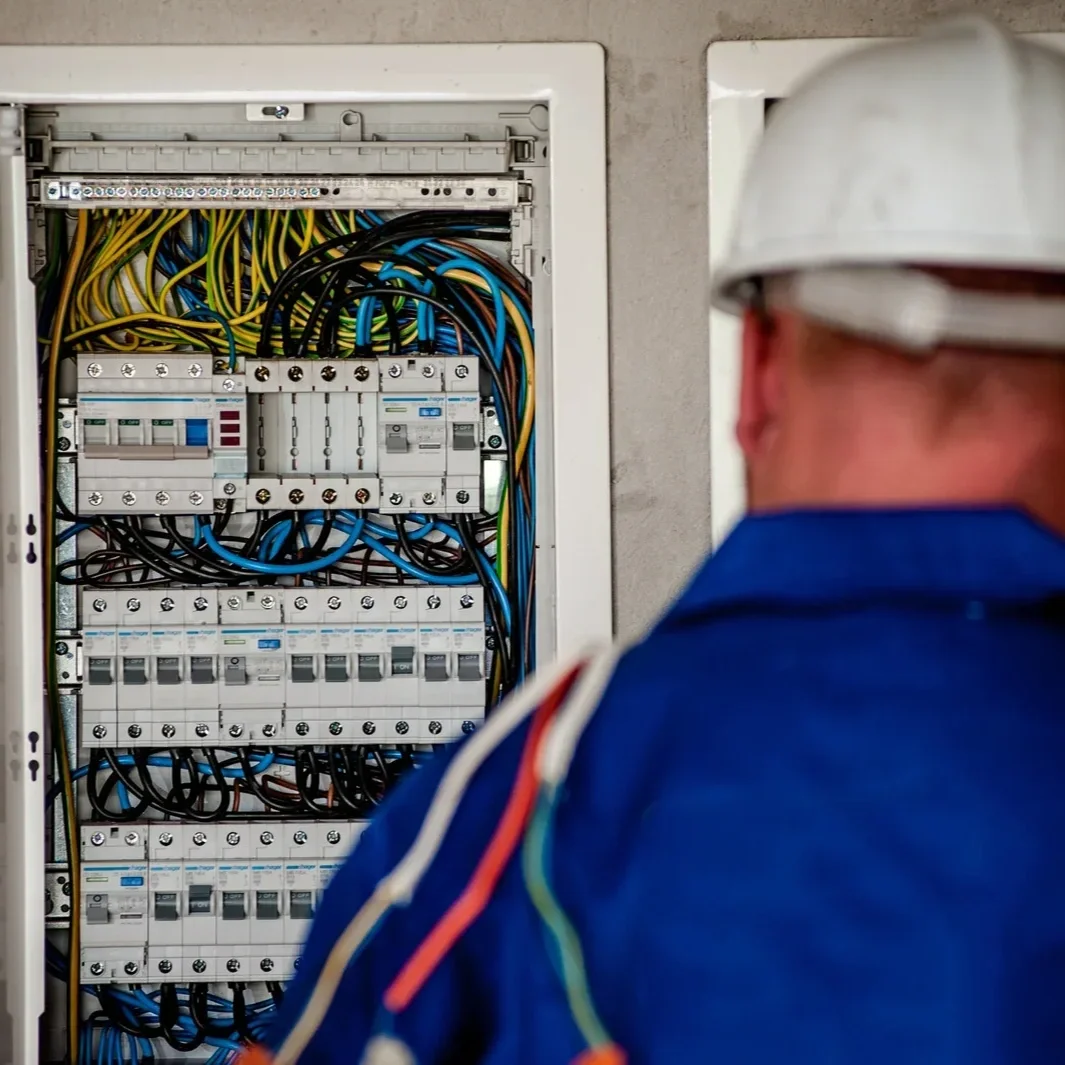
A discolored or melting outlet is a critical warning sign of faulty wiring; contact a Virginia Beach electrician immediately for repairs.
Why a Burning Plastic Smell Is Never Normal
A burning plastic smell near an outlet almost always indicates excessive heat interacting with synthetic materials inside the wall or device. Electrical components rely on tight connections and clean conductive surfaces to move current without resistance. When resistance increases, heat follows, and plastic insulation, outlet bodies, and wire jackets are often the first materials affected. In Virginia Beach homes, that smell tends to appear before visible damage because plastic begins off-gassing at lower temperatures than those required to cause sparks or flames. The odor serves as an early warning that the electrical system is operating outside safe limits.
Homeowners sometimes assume the smell comes from a nearby appliance or something temporarily overheating. In practice, outlet-related odors linger or recur even when devices are unplugged. That persistence points to heat being generated inside the outlet box or wiring cavity rather than at the plug itself. Coastal humidity and salt exposure accelerate insulation breakdown, meaning Virginia Beach homes often experience these warning signs earlier than inland properties. Treating the smell as harmless delays action while internal damage continues developing.
How Heat Builds Up Inside an Outlet
Outlets are designed to carry current while remaining cool to the touch. That balance depends on firm contact between plug blades, outlet contacts, and wire terminals. Over time, normal use loosens those contact points. Each time a device is plugged in or removed, internal springs lose tension slightly. Once contact pressure drops, electricity encounters resistance at the connection, producing heat during normal operation.
Heat generated inside the outlet box has limited paths to escape. Plastic components soften, insulation degrades, and the surrounding air warms. As temperatures rise, plastic materials release distinct chemical odors often described as burning or melting plastic. In Virginia Beach homes, ambient humidity reduces heat dissipation and accelerates corrosion, compounding the problem. The smell becomes noticeable when materials have already endured repeated heating cycles, signaling a condition that has progressed beyond a minor defect.
Loose Wiring Connections and Their Consequences
Loose wiring connections represent one of the most common causes of burning smells at outlets. Terminal screws that loosen over the years of thermal expansion and contraction allow wires to shift. As electricity flows through a compromised connection, arcing can occur. Arcing releases intense localized heat that damages insulation and outlet bodies quickly.
Electricians servicing Virginia Beach homes frequently find loose connections behind outlets that still appear intact from the outside. The faceplate may look normal while internal wiring shows scorch marks or brittle insulation. Burning plastic odor often accompanies these conditions because insulation materials begin breaking down under heat. Left unaddressed, loose connections worsen as heat further weakens contact surfaces, increasing the risk of sustained arcing and fire.
Backstabbed Outlets and Hidden Heat Problems
Many homes built during the past decades relied on backstabbed outlet connections, where wires are pushed into spring-loaded holes rather than secured under screws. While allowed at the time, these connections lose tension faster than screw terminals. As spring pressure weakens, resistance increases at the connection point.
Backstabbed outlets are a frequent source of burning smells in Virginia Beach homes. Heat generated at the back of the outlet remains hidden inside the wall cavity until odor escapes through the faceplate opening. Homeowners may smell burning plastic intermittently, often when high-draw devices operate. Replacing the outlet without correcting the wiring method leaves the same failure mechanism in place. Electricians typically convert these connections to screw terminals to restore proper contact pressure and reduce heat buildup.
Overloaded Outlets and Sustained Heat
Outlets are rated for specific current levels, but sustained load can still generate excess heat when conditions are marginal. Space heaters, window air conditioners, kitchen appliances, and entertainment equipment draw continuous power when multiple devices share a single outlet through power strips or adapters, and current density increases.
In Virginia Beach homes, older wiring systems often show limited tolerance for sustained modern loads. Heat builds gradually rather than triggering immediate breaker trips. Plastic materials respond first, releasing odor before electrical protection activates. Burning smells during extended appliance use point toward outlets operating near or beyond comfortable thermal limits. Ignoring these signs allows damage to progress unseen until a more serious failure occurs.
Environmental Factors That Intensify Outlet Heating
Coastal environments place electrical systems under unique stress. Humidity penetrates walls, condenses inside outlet boxes, and interacts with metal components. Moisture promotes corrosion, which increases resistance at contact points. Increased resistance produces more heat for the same electrical load.
Virginia Beach homes experience this effect year-round, not just during storms. Outlets near exterior walls, bathrooms, kitchens, and garages face the greatest exposure. Plastic insulation in humid conditions degrades faster when heated, producing stronger odors. Environmental factors explain why some outlets emit burning smells even when loads seem modest. Addressing these issues requires more than replacing surface components. Moisture management and connection integrity both matter.
Why the Smell Sometimes Comes and Goes
Burning plastic odors often appear intermittently, confusing homeowners. Heat generation fluctuates with load, ambient temperature, and humidity. When a device cycles on, heat rises, and odor becomes noticeable. When the device cycles off, temperatures drop, and the smell fades.
Intermittent odor does not indicate a minor issue. It reflects a system hovering near its failure threshold. Each heating cycle further damages insulation and contact surfaces. In Virginia Beach homes, nighttime humidity increases often make odors stronger after sunset. The temporary nature of the smell sometimes delays action, but the underlying condition continues worsening regardless of odor intensity.
Why Faceplates and Wall Surfaces Can Smell First
Plastic faceplates and nearby wall materials often absorb odors released inside outlet boxes. Warm air carries chemical compounds outward, where they become noticeable before any visible damage appears. Homeowners may smell burning plastic without seeing discoloration or scorch marks.
Electricians often find severe internal damage behind outlets that show no external signs beyond odor. Insulation may be brittle, wires discolored, and outlet bodies partially melted. The smell acts as an early detection mechanism. Treating it as cosmetic or temporary removes that warning while allowing further deterioration.
The Relationship Between Burning Smells and Fire Risk
Electrical fires rarely start with flames. They begin with heat accumulation at weak points. Burning plastic odor indicates that materials have already reached temperatures capable of degrading insulation. Once insulation breaks down, conductors can contact each other or nearby combustible materials.
Virginia Beach homes with wood framing and older insulation face an elevated risk once outlet heating begins. Each heating cycle increases the likelihood of ignition. Breakers may not trip immediately because the current remains within acceptable limits. The smell serves as a warning long before protective devices activate. Ignoring it increases the chance of a sudden, dangerous event.
Why Unplugging Devices Does Not Always Stop the Smell
Unplugging devices removes the load but does not always eliminate the underlying heat source. Damaged connections can continue generating heat due to the presence of voltage alone. Arcing may occur even without significant current draw.
Homeowners often unplug everything and still notice faint odors. That persistence points toward wiring or outlet failure rather than appliance malfunction. In Virginia Beach homes, moisture-related leakage can maintain heat at compromised points even under minimal load. Professional evaluation identifies whether heat generation originates at the outlet, wiring, or upstream connection.
How Electricians Investigate Burning Smells Near Outlets
Professional inspection begins by removing the outlet from the wall to examine wiring condition, connection methods, and insulation integrity. Electricians look for discoloration, brittleness, and signs of arcing. Thermal imaging may reveal hotspots invisible to the naked eye.
In Virginia Beach homes, electricians also assess environmental exposure, checking for moisture intrusion and corrosion. They evaluate circuit load history and panel condition to determine whether the issue is isolated or systemic. Corrective work often involves replacing damaged wiring sections, upgrading outlet connections, and addressing moisture factors to prevent recurrence.
Long-term Damage Caused by Repeated Outlet Overheating
Repeated overheating at an outlet does not stay localized for long. Heat migrates outward through conductors, insulation, and surrounding building materials. Copper conductors oxidize faster when exposed to heat, increasing resistance further and creating a self-reinforcing cycle. Insulation that has softened or charred never returns to its original protective state. Even after temperatures drop, microscopic cracks remain, allowing future arcing and leakage to occur more easily.
In Virginia Beach homes, this degradation accelerates due to humidity and salt exposure. Once insulation integrity declines, heat spreads farther along the circuit, affecting adjacent outlets and junction points. Homeowners may notice new odors in nearby rooms weeks or months later. What began as a single outlet issue evolves into a circuit-wide reliability problem. Addressing the first warning smell early prevents damage from cascading through the electrical system.
Why Older Homes Experience These Smells More Frequently
Older homes contain electrical systems built for different usage patterns and materials. Outlets installed decades ago were not designed for continuous modern loads or high-humidity environments. Over time, metal fatigue, insulation aging, and outdated connection methods combine to reduce thermal tolerance.
Virginia Beach homes built before modern moisture sealing and grounding practices show a higher incidence of outlet overheating. Coastal air penetrates older wall assemblies more easily, exposing wiring to conditions it was never designed to withstand. Burning plastic smells in these homes often signal that components have reached the end of their service life rather than a one-time defect. Upgrading outlets and correcting wiring methods improves safety and performance without altering the home’s character.
Why Temporary Fixes Often Make Things Worse
Some homeowners attempt temporary fixes such as tightening plugs, replacing faceplates, or using outlet covers to mask the odor. While these steps may reduce smell briefly, they do not address heat generation inside the outlet box. In some cases, restricting airflow actually traps heat, accelerating insulation damage.
Applying contact cleaners or lubricants without proper diagnosis introduces additional risks. These products may degrade insulation or leave residues that worsen arcing. Electricians often encounter outlets that failed more severely after temporary fixes delayed proper repair. Burning plastic odor represents a condition requiring correction, not concealment. Temporary measures increase the likelihood of sudden failure.
How Load Distribution Impacts Outlet Heating
Outlets rarely fail in isolation. Circuit load distribution determines how much current each connection carries. When multiple high-draw devices share a circuit, even outlets not directly powering those devices experience elevated temperatures along the wiring run.
In Virginia Beach homes, kitchens, living areas, and home offices often place sustained demand on shared circuits. An outlet emitting odor may not host the highest load device, but it may sit at a weak point along the circuit path. Heat accumulates there first. Evaluating load distribution helps identify why certain outlets overheat while others appear unaffected.
Why Breakers Do Not Always Trip When Smells Appear
Breakers protect against overcurrent, not overheating caused by resistance. Outlet overheating often occurs while the current remains within rated limits. Breakers allow that current to flow while heat builds at weak connections. Plastic odor appears before amperage reaches a level that triggers a trip.
This delay explains why burning smells should never be ignored, simply because the breakers remain on. Breakers do not detect localized resistance heat. Outlets and wiring absorb that heat until materials degrade. In Virginia Beach homes, breaker silence during overheating events often gives a false sense of security.
FAQs
A burning plastic smell can come from overheated wiring or loose connections behind the outlet. Voltage remains present even without a device plugged in, allowing heat generation at damaged points.
The smell indicates insulation or outlet components overheating, which increases fire risk. While flames may not be present, the condition warrants prompt inspection to prevent escalation.
Humidity contributes to promoting corrosion and reducing insulation effectiveness. Moisture acts alongside loose connections or aging components to increase heat generation.
Replacing the outlet alone may not resolve the underlying issue if wiring or connections are damaged. Professional inspection identifies the true source of heat safely.
Stop using the outlet and avoid plugging devices into it. Arrange for an electrical inspection as soon as possible to identify and correct the cause.