
Can a Loose Neutral Wire Cause Fires in Virginia Beach Homes?
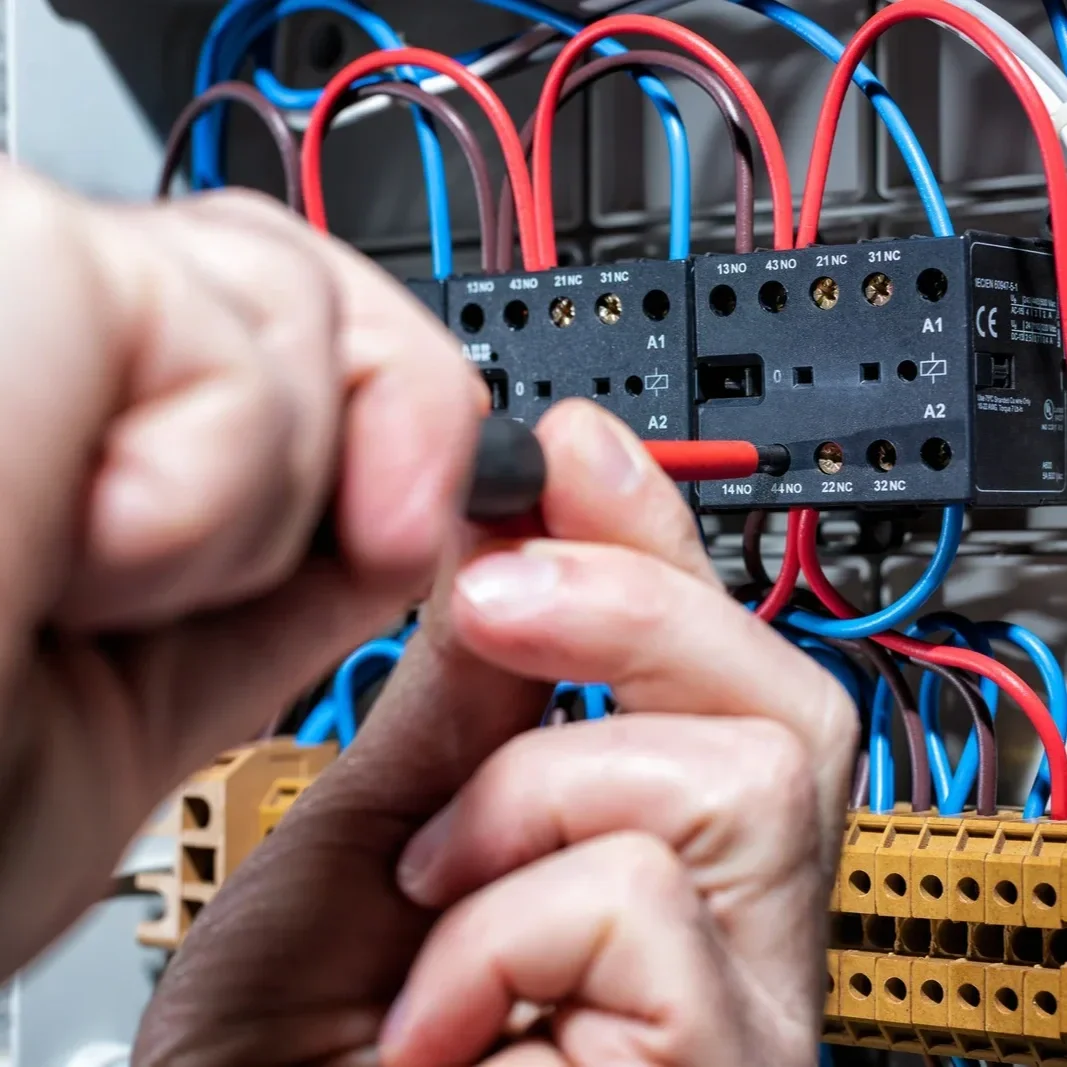
A loose neutral wire can cause electrical arcing, leading to extreme heat buildup and charred outlets—a major fire risk in homes.
Understanding What a Neutral Wire Does Inside a Residential Electrical System
Inside a Virginia Beach home, the neutral wire plays a quiet but critical role in how electricity moves safely through the system. Power enters the home through hot wires, flows through appliances, lighting, and outlets, and then returns to the electrical panel through the neutral wire. That return path balances the electrical load and keeps voltage levels where they belong. When the neutral remains solidly connected, electricity behaves predictably, even as loads change throughout the day when air conditioners cycle, kitchen appliances run, or home offices power up.
Problems begin when that neutral connection loosens anywhere along its path. Loose neutrals can occur at the service panel, inside a meter base, at a junction box, or even inside individual outlets and switches. In coastal environments like Virginia Beach, salt air, humidity, and temperature swings accelerate corrosion and metal fatigue, making neutral connections especially vulnerable over time. A neutral that looks intact can still have enough resistance to disrupt voltage balance, forcing electricity to search for alternate paths back to the source. Those unintended paths often involve metal components not designed to carry current, which introduces heat, arcing, and fire risk without immediately triggering a breaker.
Many homeowners assume that breakers protect against all electrical dangers, but breakers respond primarily to overcurrent, not unstable voltage caused by a compromised neutral. A loose neutral can sit quietly for years, creating intermittent flickering lights or odd appliance behavior before escalating into overheating connections and ignition hazards. Understanding the neutral’s role helps explain why loose neutral conditions often feel mysterious, inconsistent, and far more dangerous than a simple tripped breaker scenario.
How Loose Neutral Connections Develop in Coastal Virginia Beach Homes
Loose neutral connections rarely happen overnight. In Virginia Beach homes, the process usually unfolds slowly due to environmental exposure and mechanical stress. Coastal humidity seeps into panels, outlets, and junction boxes, encouraging oxidation on aluminum and copper conductors. As corrosion builds, resistance increases, which leads to subtle heating during normal electrical use. Heating causes metal to expand, and cooling causes contraction, gradually loosening screw terminals and lugs that once felt tight.
Older homes in Virginia Beach face additional risk due to outdated wiring methods and materials. Aluminum branch wiring, still present in some neighborhoods, expands and contracts more aggressively than copper and requires precise termination methods that were not always followed decades ago. Even copper wiring installed before modern torque standards can loosen as homes age and electrical demand increases. Add in decades of renovations, DIY repairs, and overloaded circuits, and neutral connections often become victims of small shortcuts that compound over time.
Storm activity also contributes. Hurricanes, nor’easters, and summer thunderstorms stress overhead service lines and meter bases. Even minor movement at the service entrance can transmit vibration into the neutral connection inside the panel. Homeowners might notice dimming lights during storms or brief power irregularities, unaware that the neutral is gradually losing integrity. Each event weakens the system slightly more, raising the risk of overheating connections hidden behind walls or inside panels where warning signs remain invisible.
Why Loose Neutral Wires Create Fire Conditions Instead of Immediate Shutdowns
One of the most dangerous aspects of a loose neutral wire lies in how the electrical system responds to the problem. Rather than shutting down cleanly, electricity becomes unstable. Voltage fluctuates across circuits, sometimes delivering higher-than-normal voltage to certain outlets and appliances. That excess voltage increases current flow through devices not designed to handle it, raising internal temperatures and stressing insulation.
As resistance builds at the loose neutral point, heat concentrates at that connection. Unlike a dead short, which trips a breaker quickly, a resistive heating condition can persist at lower amperage levels. The connection may glow internally, carbonize surrounding insulation, or arc intermittently. Arcing generates extremely high temperatures in short bursts, hot enough to ignite wood framing, dust, or degraded insulation inside walls and panels. Because these events happen in concealed spaces, homeowners often receive no warning until smoke or fire appears.
In some cases, electricity seeks alternate return paths through grounding conductors, metal conduit, appliance frames, or even plumbing. Those components were never intended to carry continuous current, and they can overheat silently. Ground wires may discolor, conduit may warm, and metal boxes may transfer heat into surrounding materials. Fire investigators frequently trace unexplained electrical fires back to loose or compromised neutrals that created long-term heat rather than a sudden electrical fault.
Common Warning Signs Homeowners Miss Before Neutral Failures Escalate
Loose neutral problems often send subtle signals long before becoming dangerous. Homeowners in Virginia Beach frequently report flickering lights that change brightness when appliances turn on, especially air conditioners or dryers. Lights may brighten unexpectedly rather than dim, which signals a voltage imbalance rather than an overload. Electronics may fail prematurely, with burned-out power supplies or sensitive devices behaving erratically.
Another overlooked sign involves tingling sensations when touching metal appliances or switch plates. Electricity returning through unintended paths can energize metal surfaces slightly, producing mild shocks that feel harmless but indicate serious grounding and neutral issues. Burning smells near panels, outlets, or appliances should never be ignored, even if they appear briefly and disappear. Heat buildup from a loose neutral can char insulation intermittently without leaving visible damage.
Circuit breakers that trip unpredictably or fail to trip during obvious electrical stress can also point to neutral instability. Homeowners may replace breakers or appliances without addressing the underlying wiring issue. Each temporary fix allows the loose neutral condition to worsen, increasing the likelihood of arcing or ignition inside concealed spaces. Recognizing these early warning signs often makes the difference between a controlled repair and a catastrophic fire event.
How Electricians Diagnose Loose Neutral Conditions Safely and Accurately
Diagnosing a loose neutral requires more than a visual inspection. Professional electricians serving Virginia Beach rely on voltage measurements taken under load to reveal imbalances that indicate neutral resistance. By testing circuits while appliances operate, electricians can detect abnormal voltage swings between hot and neutral conductors. Thermal imaging also plays a key role, allowing technicians to spot overheating connections inside panels, meter bases, and junction boxes without dismantling large sections of the system.
Electricians also inspect torque on neutral lugs and terminals using calibrated tools rather than guesswork. Improper torque remains a leading cause of neutral failure, especially in older panels that have been serviced multiple times. In some cases, the problem originates outside the home at the service drop or utility connection, requiring coordination with the power company to correct neutral integrity at the source.
During diagnosis, electricians evaluate grounding and bonding systems as well. A compromised neutral often stresses grounding components, masking the true problem. Correct diagnosis focuses on restoring a solid, low-resistance return path while eliminating unintended current flow through grounding conductors. Without professional testing, homeowners rarely identify the true scope of neutral issues, which explains why fires linked to loose neutrals often surprise occupants who believed their electrical system was functioning normally.
The Role of Load Imbalance and Modern Electrical Demand in Neutral Failures
Electrical systems in Virginia Beach homes operate under far more strain today than when many of them were installed. Modern households rely on multiple high-demand appliances running simultaneously, from HVAC systems and tankless water heaters to EV chargers and home offices packed with sensitive electronics. All of that demand funnels current through the neutral conductor, especially in multi-wire branch circuits and shared neutral configurations common in older construction. When loads shift rapidly, the neutral absorbs those changes constantly, and any weakness in the connection becomes magnified.
Load imbalance creates uneven voltage distribution across circuits when the neutral cannot carry current efficiently. One circuit may experience undervoltage while another receives excessive voltage, depending on how loads stack at a given moment. Over time, that imbalance accelerates wear on appliances and wiring alike. Motors run hotter, electronic components degrade faster, and insulation becomes brittle. These effects compound quietly, often misattributed to appliance age rather than electrical instability. In reality, the neutral connection acts as the system’s pressure relief valve, and when it loosens, the entire system operates under stress.
Homes with recent upgrades layered onto older wiring face heightened risk. Adding new circuits without addressing aging neutral infrastructure can overload existing conductors beyond their original design. Even when upgrades meet code individually, the cumulative effect can strain neutral paths that were never reinforced. That mismatch between modern demand and legacy wiring creates ideal conditions for overheating and arcing at neutral terminations, particularly in panels that lack modern design features meant to manage higher loads safely.
Why Fire Risk Increases at Night and During Seasonal Peak Usage
Loose neutral fires do not follow a convenient schedule, but patterns emerge when electrical demand spikes. Nighttime often brings increased usage as lighting, entertainment systems, and climate control run together. In Virginia Beach summers, air conditioning systems cycle heavily during evenings when outdoor temperatures remain high, and humidity lingers. Those cycles push sustained current through the neutral, intensifying heat at any compromised connection.
Seasonal changes further influence risk. Winter heating loads, holiday lighting, and portable heaters add stress to circuits already working harder than usual. Loose neutrals respond poorly to prolonged load rather than brief surges. Hours of elevated current allow heat to build slowly at resistance points, raising temperatures without triggering breakers. By the time occupants smell smoke or notice power irregularities, ignition may already be underway inside a wall or panel.
Fire investigations frequently reveal that ignition occurred during routine use rather than extreme events. A television running, lights on, and HVAC operating create enough sustained demand to turn a warm neutral connection into an ignition source. Because these conditions feel normal to homeowners, warning signs blend into daily life until failure reaches a critical point. Understanding how timing and load interact with loose neutrals highlights why proactive inspection matters more than reactive repair.
The Difference Between Panel-Level and Device-Level Neutral Failures
Not all loose neutrals originate in the same place, and location influences both symptoms and severity. Panel-level neutral failures involve the main neutral conductor or neutral bus bar inside the electrical panel. These failures affect multiple circuits simultaneously, creating widespread voltage fluctuations throughout the home. Lights may brighten in one room while dimming in another, and appliances across the house may behave unpredictably. Panel-level failures carry significant fire risk because they concentrate heat near the service entrance, where conductors carry high current.
Device-level neutral failures occur at outlets, switches, or junction boxes serving individual circuits. These issues may appear localized, causing flickering lights or intermittent power in a specific area. Despite their limited scope, device-level failures remain dangerous. Heat builds behind walls, often near combustible framing, and arcing can ignite insulation or dust. Homeowners sometimes replace the device itself without addressing upstream neutral issues, allowing the condition to persist unseen.
FAQs
Yes, a loose neutral can create sustained heating and arcing without exceeding breaker thresholds. Breakers respond to overcurrent, not resistance-related heat buildup. This allows dangerous temperatures to develop inside walls or panels, potentially causing fires without any tripping.
Flickering lights often indicate voltage instability caused by a neutral issue, especially when brightness changes with appliance usage. While other issues can cause flickering, loose neutrals remain a major and potentially dangerous cause requiring professional inspection.
Yes. Older homes often contain aging wiring, loose terminals, and outdated installation practices. Coastal humidity also accelerates corrosion on electrical connections, increasing the likelihood of neutral failure and fire hazards over time.
Loose neutrals frequently expose appliances to unstable voltage. Electronics, motors, and power supplies can burn out or fail early due to voltage spikes or drops—often serving as early warning signs of a more serious electrical issue.
No. Neutral connections involve live components, even when a breaker is off, and require precise torque to avoid damage or overheating. A licensed electrician has the tools and expertise to tighten and test neutral connections safely.