
Can a Tripping Breaker Prevent a Fire in Your Virginia Beach Home?
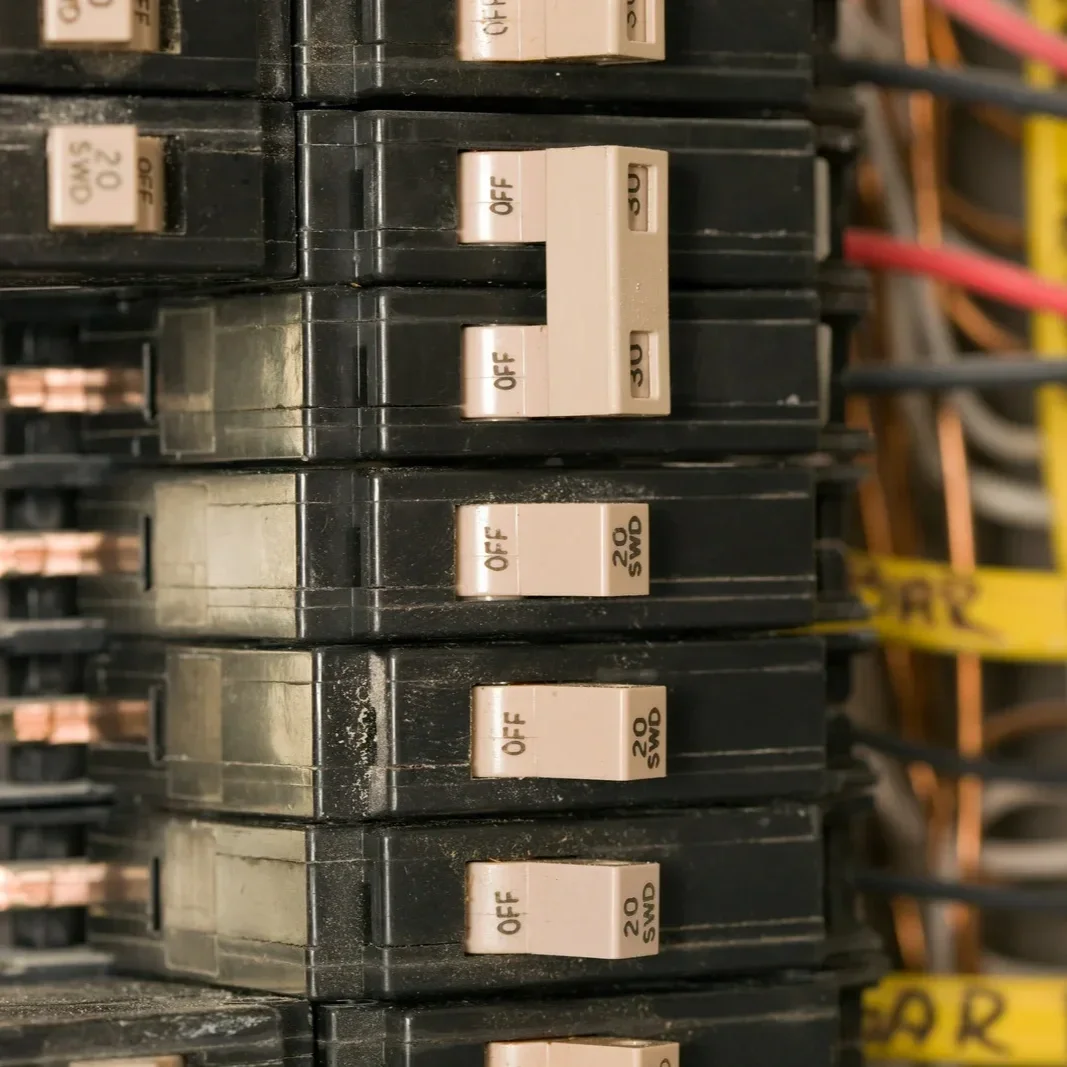
A tripping breaker is your home’s first line of defense against electrical fires by instantly cutting power during a surge.
How Circuit Breakers Are Designed to Protect Virginia Beach Homes
Circuit breakers sit quietly inside the electrical panel, rarely thought about until one snaps off mid-use, sending someone down the hallway muttering about lost power. In practical terms, a breaker acts as a mechanical safety switch that interrupts electrical flow when current exceeds safe limits. Wires inside walls are rated to carry only a certain amount of electricity before heat builds to dangerous levels. When too much current flows through a circuit, the breaker reacts by opening the circuit, stopping that heat from escalating into melted insulation or ignition inside the framing.
In Virginia Beach homes, breakers are especially important because electrical systems often operate under demanding conditions. Coastal humidity, salt air, and heavy seasonal HVAC use all contribute to long operating cycles and higher electrical loads. Breakers respond to overcurrent events caused by overloaded circuits, short circuits, or direct faults. From a fire prevention standpoint, they serve as the first line of defense against wiring overheating due to excessive amperage. When functioning properly, a tripping breaker can interrupt a dangerous condition before surrounding materials reach ignition temperature.
That protection, however, has a very specific scope. Breakers respond to amperage, not every form of electrical failure. Many homeowners assume that if a breaker trips, it prevents a fire, and if it does not trip, conditions must be safe. That assumption oversimplifies how electrical hazards develop inside modern homes. Understanding what breakers monitor and what they cannot detect matters when evaluating real fire risk in residential electrical systems.
What Actually Causes a Breaker to Trip During Normal Home Use
A breaker trips when the current flowing through the circuit exceeds its rated capacity for a sustained period or spikes abruptly during a fault. Overloaded circuits represent one of the most common causes. Plugging multiple high-demand devices into the same circuit, such as space heaters, microwaves, or hair dryers, pushes amperage beyond safe limits. In those cases, the breaker does exactly what it should by cutting power before the wire insulation overheats.
Short circuits create a more dramatic version of the same response. When a hot conductor contacts a neutral or ground wire directly, current rises rapidly. Breakers detect that surge almost instantly and trip to stop energy release that could otherwise vaporize metal or ignite nearby materials. Ground faults follow a similar pattern when electricity flows outside its intended path. Modern panels often include GFCI or AFCI breakers that respond to specific fault signatures associated with shock or arcing hazards.
In real Virginia Beach homes, breakers also trip due to degraded wiring conditions. Loose connections, worn insulation, or corrosion inside outlets and junction boxes increase resistance, which can raise current draw in subtle ways. Breakers may trip intermittently, confusing homeowners who cannot tie the event to a single appliance. While the breaker interruption may feel like a nuisance, it often signals underlying stress in the electrical system that deserves investigation rather than repeated resets.
Situations Where a Tripping Breaker Can Reduce Fire Risk
In certain scenarios, a tripping breaker directly reduces fire risk by halting dangerous heat buildup. Overloaded circuits represent the clearest example. Without a breaker, sustained overcurrent would heat conductors until insulation softens, cracks, or ignites surrounding materials. The breaker prevents that progression by cutting power once thresholds are exceeded. Homes with older wiring benefit significantly from this protection when modern usage exceeds original design expectations.
Breakers also help mitigate fire risk during direct faults caused by damaged cords, failed appliances, or improper wiring modifications. A frayed appliance cord that contacts a conductive surface can trigger a sudden current spike. The breaker reacts faster than surrounding materials can heat, stopping a fault that might otherwise ignite plastic housings or nearby combustibles. In these cases, a tripping breaker often serves as the last barrier between a minor electrical failure and a larger fire event.
Repeated trips on the same circuit can also act as an early warning system. While not a detection tool in the diagnostic sense, a breaker that trips consistently draws attention to a problem before catastrophic failure occurs. Homeowners who respond by calling a licensed electrician rather than replacing breakers or ignoring symptoms often prevent fire conditions that would have developed gradually through continued use.
Electrical Fire Risks That Breakers Do Not Detect Reliably
Despite their importance, breakers do not protect against every fire-causing condition. One of the most dangerous gaps involves resistance heating that does not significantly increase amperage. Loose connections inside outlets, switches, panels, or junction boxes create resistance points where electricity converts to heat. That heat builds locally, often at a single screw terminal or wire splice, without raising overall circuit current enough to trip a breaker.
Loose neutrals, shared neutral failures, and corroded terminations fall squarely into this category. Electricity continues flowing, but voltage becomes unstable and heat concentrates at compromised connections. Breakers remain closed because amperage stays within nominal limits. Meanwhile, temperatures at the failure point rise slowly, carbonizing insulation and surrounding materials until ignition occurs. Many electrical fires investigated in Virginia Beach trace back to exactly these conditions, where breakers never operated.
Arcing presents another challenge. Intermittent arcing can generate extremely high temperatures in short bursts without sustaining high current long enough to trip a standard breaker. Arc fault circuit interrupters improve detection, but older homes often lack full AFCI coverage. Even with modern protection, some arc patterns remain difficult to detect until damage accumulates. Breakers alone cannot be relied upon as comprehensive fire prevention devices when these failure modes are present.
Why Resetting a Tripping Breaker Can Increase Long-Term Fire Risk
Homeowners often treat a tripped breaker as a temporary inconvenience rather than a safety signal. Resetting a breaker without addressing the underlying cause allows hazardous conditions to persist. Each time current flows through stressed wiring, heat and wear increase incrementally. Over time, insulation degrades, connections loosen further, and resistance grows. What started as a manageable overload can evolve into a persistent overheating condition hidden behind walls.
In Virginia Beach homes, environmental factors accelerate this progression. Humidity and salt air promote corrosion at terminals and inside panels. Temperature swings cause metal expansion and contraction that loosen connections further. Repeated breaker resets mask these compounding effects until failure becomes severe. At that point, the breaker may no longer trip because the hazard no longer involves excessive amperage, only concentrated heat.
Treating breaker trips as diagnostic clues rather than annoyances changes outcomes dramatically. Professional evaluation identifies whether the trip resulted from simple overload, wiring degradation, appliance failure, or a deeper system issue. Addressing the root cause restores the protective value of the breaker instead of allowing it to become a false reassurance while fire risk continues to build.
The Relationship Between Breakers, Wiring Age, and Modern Electrical Demand
Many Virginia Beach homes were wired during periods when electrical demand looked very different. Lighting loads were minimal, appliances were fewer, and electronics barely existed. Breakers and wiring were sized accordingly. Over the decades, homeowners added devices, renovations, and new technologies without always upgrading circuits or panels. Breakers may still trip occasionally, but wiring insulation, splices, and connections endure constant stress even when amperage stays technically within limits.
Older breaker designs also behave differently under modern load patterns. Thermal breakers respond more slowly to gradual heating, which means prolonged moderate overloads can raise wire temperatures without triggering immediate trips. While code-compliant at the time of installation, these systems operate closer to their margins today. The breaker still provides protection, but that protection narrows as usage patterns change.
Understanding this relationship helps explain why a tripping breaker does not automatically equate to comprehensive fire prevention. Breakers operate within the limits of the system they protect. When that system ages or becomes mismatched to demand, additional measures such as circuit upgrades, connection remediation, and modern protective devices become necessary to maintain the same level of fire safety that homeowners expect.
How Arc Fault and Ground Fault Protection Changes Fire Prevention Outcomes
Modern electrical protection has evolved beyond standard thermal breakers, and that evolution matters when discussing fire prevention in Virginia Beach homes. Arc fault circuit interrupters monitor electrical waveforms for patterns associated with dangerous arcing, including series arcs from loose connections and parallel arcs caused by damaged insulation. These conditions often generate extreme heat without sustained overcurrent, which explains why traditional breakers frequently miss them. Arc fault protection improves the detection of fire-starting conditions that develop slowly and unpredictably inside walls, ceilings, and device boxes.
Ground fault protection serves a different role but still intersects with fire prevention. Ground fault circuit interrupters detect electricity flowing outside its intended path, often through moisture or conductive surfaces. In coastal Virginia Beach environments, moisture intrusion increases the likelihood of ground faults. While GFCIs primarily reduce shock risk, they also interrupt abnormal current flow that can contribute to heating and insulation damage over time. In certain scenarios, especially involving wet locations or exterior circuits, ground fault protection reduces the chance of sustained electrical stress that could escalate into fire conditions.
Despite these advancements, neither arc fault nor ground fault protection replaces the need for sound wiring and solid connections. Protective devices react to symptoms, not root causes. Loose terminals, corroded conductors, and undersized wiring still generate stress within the system. Modern protection improves odds, but relying solely on breaker technology without maintaining the underlying infrastructure creates a false sense of security that experienced electricians encounter frequently during post-incident inspections.
Why Some Electrical Fires Occur Even After Breakers Trip Repeatedly
Electrical fires do not always follow a linear progression from overload to ignition. In many documented cases, breakers trip repeatedly for months or years before a fire occurs. Each trip interrupts power temporarily, but repeated heating cycles weaken conductors, degrade insulation, and loosen connections incrementally. Over time, the nature of the hazard shifts. What began as an overcurrent issue evolves into a resistance-based heating problem that no longer triggers breaker response.
Virginia Beach homes experiencing frequent breaker trips often show evidence of cumulative damage inside panels and junction boxes. Charred insulation, oxidized terminals, and heat-discolored conductors tell a story of long-term stress rather than a single catastrophic event. Once resistance heating dominates, breakers may stop tripping altogether, even though temperatures continue rising at failure points. At that stage, ignition can occur during normal operation without any preceding interruption.
This pattern explains why some homeowners feel blindsided by electrical fires despite having a history of breaker trips that seemed manageable. The breaker performed its role early on, but the absence of corrective action allowed conditions to change until breaker protection no longer aligned with the primary risk. Fire prevention depends not only on breaker operation but on timely response to what breaker behavior reveals about system health.
FAQs
A tripping breaker can stop certain fire-causing conditions related to overcurrent, but it cannot prevent all electrical fires. Resistance heating, loose connections, and some arcing conditions can develop without triggering a breaker, allowing fire risk to persist even when breakers appear functional.
Breaker trips often indicate temporary overloads or developing wiring stress that may not leave visible damage. Electrical issues can exist inside walls, panels, or device boxes without obvious symptoms, which is why repeated trips should prompt professional evaluation rather than assumption.
Newer breakers with arc fault and ground fault protection improve detection of certain fire-related conditions, especially arcing and unintended current paths. They still depend on proper wiring and solid connections, so upgrades work best alongside system maintenance.
Replacing a breaker without identifying why it trips can increase fire risk. Frequent tripping usually points to overload, wiring issues, or appliance problems that require correction before any breaker replacement occurs.
Homes in coastal environments benefit from periodic electrical inspections every few years or after major renovations. Inspections help identify corrosion, loose connections, and load issues that breakers alone cannot address.