Can a Frayed Cord Cause a Fire in Your Virginia Beach Home?
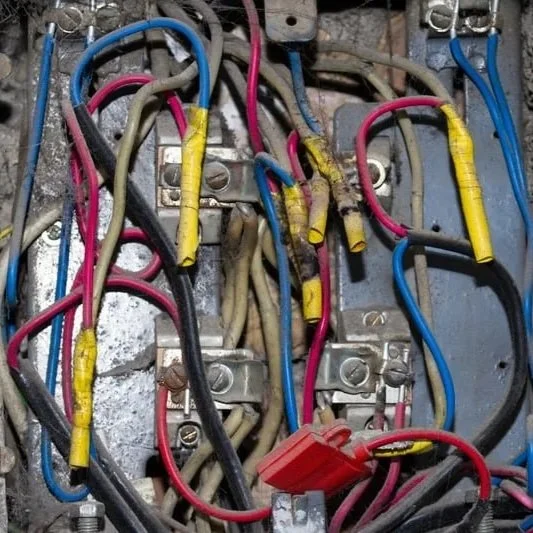
A frayed electrical cord with exposed wires poses a significant fire risk by potentially igniting household materials through heat or arcing.
How a Power Cord Becomes a Fire Risk
A frayed power cord might look like a minor wear issue, but electrically, it represents a breakdown of the system’s most basic safety layer. Power cords rely on intact insulation to keep energized conductors separated from each other and from surrounding materials. Once that insulation cracks, splits, or pulls away, electricity no longer stays confined to its intended path. Heat builds at exposed points, and the cord itself becomes a potential ignition source rather than a neutral delivery component.
In Virginia Beach homes, cords deteriorate faster than many homeowners expect. Humidity, salt in the air, and temperature swings weaken plastic insulation over time. Cords routed behind furniture, under rugs, or through doorways experience repeated mechanical stress that accelerates damage. The danger is not limited to dramatic sparks or visible arcing. Many cord-related fires begin with slow heat buildup at a damaged section that goes unnoticed until surrounding materials reach ignition temperature.
What Fraying Actually Does to Electrical Current
When a cord frays, insulation no longer evenly surrounds the internal conductors. That uneven exposure creates resistance points where electricity must work harder to pass through damaged sections. Resistance converts electrical energy into heat. Unlike appliances designed to manage heat safely, cords have no mechanism to dissipate excess temperature once insulation fails.
As the cord heats, the remaining insulation softens and pulls back further, exposing more conductors. In Virginia Beach homes, elevated humidity worsens the situation by reducing insulation effectiveness and promoting corrosion on exposed copper strands. Corrosion increases resistance even more, creating a compounding cycle where each use raises the temperature higher than the last. Fires rarely start the first time a frayed cord is used. They start after repeated heating cycles weaken the cord and nearby materials.
Why Frayed Cords Do Not Always Trip Breakers
A common misconception is that a breaker will protect against all electrical hazards. Breakers respond to excessive current, not localized overheating caused by resistance. A frayed cord may draw normal amperage while still producing enough heat at the damaged point to ignite insulation, carpet, or furniture.
In Virginia Beach homes, electricians often find fire damage linked to cords that never caused a breaker to trip. The current stayed within acceptable limits while the heat concentrated at the failure point. Breakers allowed power to continue flowing because they detected no overload. The cord absorbed the damage silently until ignition occurred. Relying on breakers to compensate for damaged cords creates a false sense of security.
Common Places Where Cord Damage Goes Unnoticed
Frayed cords often hide in plain sight. Furniture legs compress cords against floors. Recliners and adjustable beds pinch cords repeatedly. Doorways crush cords under constant movement. Rugs trap heat around damaged insulation, preventing heat from dissipating into open air.
In Virginia Beach homes, garages, and patios introduce additional risks. Extension cords exposed to moisture, sunlight, and salt air degrade rapidly. Outdoor-rated cords fare better but still suffer damage when bent sharply or stored improperly. Many homeowners assume extension cords are temporary and safe, allowing damage to accumulate unnoticed. The location of the cord matters as much as the damage itself because confined spaces accelerate heat buildup.
Why Older Cords Are Especially Dangerous
Cords manufactured decades ago used insulation materials less tolerant of heat and environmental exposure than modern designs. Over time, those materials harden, crack, and lose flexibility. Once insulation becomes brittle, even minor bending causes fractures that expose conductors.
Virginia Beach homes with older lamps, fans, or small appliances often still rely on original cords. These cords may appear intact at a glance but show internal cracking beneath the surface. Each use stresses the insulation further. Electricians frequently encounter cords that fail suddenly after years of apparent reliability. Age-related degradation combines with coastal humidity to shorten the remaining lifespan significantly.
The Relationship Between Frayed Cords and Arcing
When insulation breaks down unevenly, conductors may not touch directly but come close enough for electricity to jump across gaps. That jumping creates arcing. Arcing produces extremely high temperatures concentrated in small areas. Even brief arcing events can ignite nearby materials.
Frayed cords resting against wood furniture, fabric, or dust accumulations create ideal conditions for ignition. In Virginia Beach homes, humidity allows dust to cling to surfaces and cords, adding fuel to the environment. Arcing often occurs intermittently, making it difficult to detect without visible sparks. The first noticeable sign may be smoke or fire rather than warning symptoms.
Why Tape and Temporary Fixes Increase Risk
Some homeowners attempt to repair frayed cords with electrical tape or heat-shrink tubing. While these measures may cover exposed conductors temporarily, they do not restore the cord’s original insulation properties. Tape traps heat and may loosen over time. Heat shrink applied without proper insulation beneath can mask ongoing conductor damage.
Electricians discourage temporary cord repairs because they conceal failure rather than correct it. In Virginia Beach’s humid environment, adhesive materials degrade faster, allowing moisture intrusion beneath tape. A cord that appears repaired may actually deteriorate faster because trapped heat accelerates insulation breakdown. Replacement remains the only reliable corrective action once a cord frays.
How Load and Appliance Type Affect Fire Risk
Not all cords carry equal risk. High-draw appliances generate more heat through damaged cords than low-wattage devices. Space heaters, window air conditioners, refrigerators, and dehumidifiers place sustained demand on cords when those cords fray, and heat accumulation occurs quickly.
In Virginia Beach homes, dehumidifiers and portable AC units often run for long periods to manage moisture. These devices draw significant current continuously. A frayed cord feeding one of these appliances presents a higher fire risk than a damaged lamp cord used intermittently. Understanding how load interacts with cord condition helps explain why some damaged cords fail catastrophically while others linger.
Environmental Factors That Accelerate Cord Failure
Coastal environments place unique stress on power cords. Salt air corrodes exposed copper strands once the insulation cracks. Moisture seeps into damaged areas, reducing resistance and promoting heat generation. Temperature swings between air-conditioned interiors and humid exteriors cause repeated expansion and contraction.
Virginia Beach electricians often see cords fail faster in sunrooms, garages, and near exterior doors. UV exposure further weakens insulation, making it chalky and prone to splitting. Environmental exposure explains why cords that look acceptable indoors may fail quickly when moved to different locations.
Why Smell and Warmth Are Serious Warning Signs
A frayed cord may emit a faint burning smell before visible damage occurs. That odor comes from insulation, heating, and breaking down chemically. Warmth along the cord indicates resistance at damaged points. Both signs signal active failure rather than cosmetic wear.
Homeowners sometimes unplug devices when they notice an odor, but resume use once the smell fades. Heat damage does not reverse itself. Each heating cycle weakens the cord further. In Virginia Beach homes, humidity allows odors to dissipate while damage continues progressing. Smell and warmth should prompt immediate replacement rather than monitoring.
How Electricians Evaluate Cord-Related Fire Risk
Professional evaluation involves more than visual inspection. Electricians assess cord routing, load characteristics, environmental exposure, and appliance demand. They look for discoloration, stiffness, exposed copper, and heat damage along the entire length of the cord, not just the visible section.
In Virginia Beach homes, electricians also consider whether cords are appropriate for their environment and usage. Extension cords used as permanent wiring raise concern regardless of visible condition. Evaluation focuses on preventing future failure rather than reacting after damage occurs.
Long-Term Consequences of Using a Frayed Cord
Continuing to use a frayed cord sets off a chain reaction that rarely stops on its own. Heat generated at damaged sections migrates outward, affecting intact portions of the cord and nearby materials. Insulation that has softened once becomes more vulnerable during every subsequent use. Even if the cord appears stable for a period of time, internal copper strands may already be weakened or partially oxidized, increasing resistance further with each cycle.
In Virginia Beach homes, environmental conditions accelerate this progression. Humidity keeps damaged insulation pliable, allowing it to deform instead of cracking cleanly, which exposes more conductor surface area to air and moisture. Salt contamination promotes corrosion that creeps along copper strands under the remaining insulation. Over weeks or months, a cord that once felt only slightly warm can reach temperatures capable of igniting carpet fibers, upholstery, or accumulated dust without any dramatic warning signs.
Why Fires Often Start Away From the Visible Damage
One of the most dangerous aspects of frayed cords is that ignition often occurs away from the obviously damaged spot. Heat travels along conductors and radiates into surrounding materials. A cord pinched under furniture may ignite the padding or flooring rather than the cord jacket itself. In other cases, heat buildup at a plug end causes outlet damage or wall cavity ignition.
Virginia Beach electricians investigating electrical fires frequently trace the origin back to cords that looked only mildly damaged. The visible fraying served as the entry point for degradation, but ignition occurred where heat had time to accumulate unnoticed. Confined spaces, poor airflow, and nearby combustibles create conditions where fire starts quietly and spreads before detection.
Why Replacing the Cord Is Always Better Than Repair
Once insulation integrity is compromised, replacement remains the only reliable solution. Factory-manufactured cords are designed with layered insulation, strain relief, and tested materials that temporary fixes cannot replicate. Even professional-grade repair methods cannot restore original heat tolerance or flexibility once a cord has frayed.
In Virginia Beach homes, replacing cords also removes hidden environmental contamination. Corrosion inside damaged insulation cannot be reversed. Moisture trapped within insulation layers continues promoting failure even after surface repairs. Replacing the cord eliminates these hidden risks entirely and restores predictable electrical behavior for the appliance or device.
When Extension Cords Increase Fire Risk
Extension cords deserve special attention because they are often used beyond their intended purpose. Extension cords are designed for temporary use, not as permanent wiring solutions. When left in place long-term, they experience repeated movement, bending, and exposure that accelerates wear.
In Virginia Beach homes, extension cords frequently run to dehumidifiers, freezers, patio equipment, and garage appliances. These environments expose cords to humidity, temperature extremes, and physical stress. A frayed extension cord feeding a high-draw device presents a significantly elevated fire risk compared to a damaged lamp cord. Electricians routinely recommend installing permanent outlets rather than relying on extension cords in these scenarios.
How Pets and Children Contribute to Hidden Cord Damage
Households with pets or young children face additional risks. Pets chew cords, weakening insulation internally, even when external damage appears minimal. Children tug cords repeatedly, stressing strain relief points near plugs where damage is hardest to detect.
Virginia Beach electricians often find cords that failed internally near the plug due to repeated tension. These failures generate heat inside molded plug bodies, releasing odor and causing outlet damage before the cord itself shows visible fraying. Regular inspection becomes especially important in these households, as damage may not look severe until failure occurs.
FAQs
Yes. A frayed cord can generate enough heat at damaged points to ignite nearby materials while still delivering power normally.
Breakers respond to excessive current, not localized resistance heat. A frayed cord may overheat without drawing enough current to trigger a trip.
Electrical tape does not restore proper insulation or heat tolerance. It can trap heat and moisture, increasing fire risk over time.
Extension cords are designed for temporary use and often experience more wear. When damaged or used long-term, they present a higher fire risk.
Stop using the cord right away and replace it. Avoid attempting repairs, and consult an electrician if the cord damage may have affected outlets or wiring.