
Top 7 Causes of Electrical Fires in Virginia Beach Homes
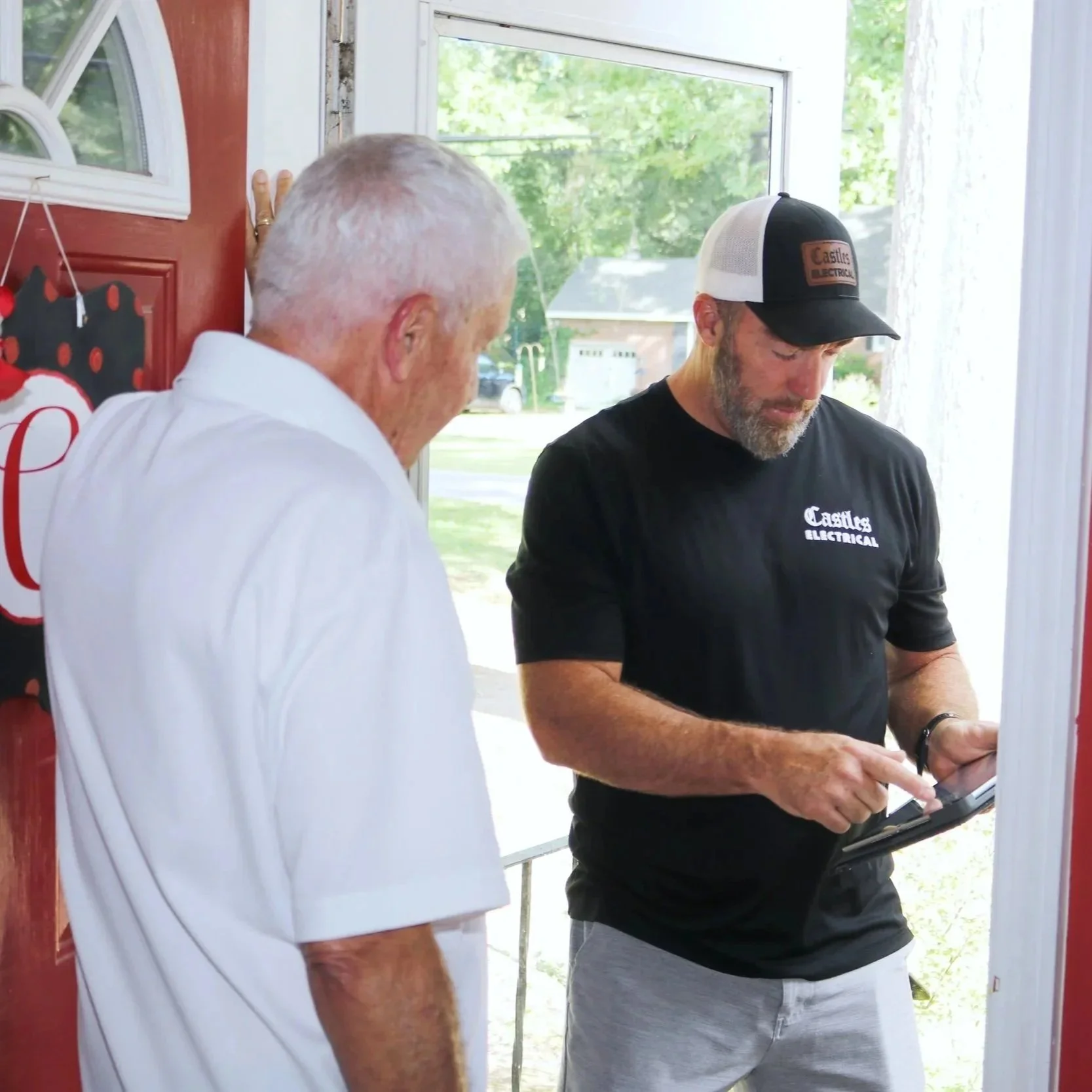
Protect your Virginia Beach home by inspecting outdated wiring and avoiding overloaded circuits, two leading causes of residential electrical fires.
Aging Wiring And Deteriorated Insulation
Many Virginia Beach homes were built during periods when electrical demand looked very different from today. Wiring installed decades ago was sized and insulated for lighting, radios, and a handful of basic appliances, not the modern mix of high-draw electronics, HVAC equipment, and kitchen appliances now considered standard. Over time, insulation materials dry out, crack, or become brittle, especially when exposed to repeated heat cycles. As insulation deteriorates, conductors become vulnerable to contact with surrounding materials, which allows heat and arcing to develop quietly behind walls.
Coastal conditions accelerate this aging process. Humidity seeps into wall cavities, and salt carried inland by ocean air promotes corrosion on metal conductors. Corrosion increases resistance, resistance generates heat, and heat further damages insulation. Electrical fires linked to aging wiring rarely begin with dramatic sparks. Instead, they start as low-level overheating that goes unnoticed for months or years. By the time smoke or flames appear, the damage has already progressed far beyond the original weak point, often involving framing members and adjacent wiring.
Loose Connections And Poor Electrical Terminations
Electrical connections rely on tight mechanical contact to move electricity efficiently. When connections loosen, electricity encounters resistance, which converts electrical energy into heat rather than usable power. Loose connections commonly develop at outlets, switches, junction boxes, and inside electrical panels. Vibration, thermal expansion, and material fatigue all contribute to gradual loosening, even in systems that were installed correctly originally.
In Virginia Beach homes, moisture and corrosion play an added role. Oxidation builds on terminal screws and wire ends, reducing contact quality. As current flows through these compromised points, heat builds steadily rather than instantly. That heat spreads to surrounding materials, including plastic device housings and wood framing. Fires caused by loose connections often originate in concealed spaces, making early detection difficult. The connection continues to function electrically, which masks the danger while conditions worsen incrementally with each use cycle.
Overloaded Circuits And Excessive Electrical Demand
Electrical systems are designed with specific load limits in mind. When those limits are exceeded repeatedly, wiring and components experience sustained thermal stress. Overloaded circuits occur when too many devices draw power from a single branch, a common situation in older Virginia Beach homes where modern usage patterns outpaced original design. Space heaters, window air conditioners, kitchen appliances, and home office equipment all contribute to higher demand.
Breakers interrupt power when overload thresholds are reached, but repeated near-limit operation still heats wiring and outlets over time. Insulation weakens, outlet contacts lose tension, and resistance increases. Fires linked to overload conditions often develop even without frequent breaker trips. The system may operate just below the cutoff point, generating enough heat to damage materials slowly. Over time, that heat finds its way into wall cavities and framing, creating ignition conditions without a clear warning event.
Faulty Or Outdated Electrical Panels
Electrical panels serve as the distribution and protection hub for the entire home. Panels installed decades ago may lack modern protective features or may rely on breaker designs that degrade significantly with age. Internal components wear out, bus bars corrode, and breaker contacts lose precision. These changes alter how electricity flows and how protection responds under stress.
In Virginia Beach, panels located in garages or exterior walls face additional environmental exposure. Humidity and salt air accelerate corrosion on internal components, raising resistance and heat generation inside the panel itself. Fires associated with panels often begin at bus connections or breaker interfaces where heat concentrates. These fires can spread rapidly due to the density of conductors in the enclosure. Panel-related issues rarely announce themselves loudly, often developing quietly until visible damage or smoke appears.
Improper Use Of Extension Cords And Power Strips
Extension cords and power strips are intended for temporary use, yet many households rely on them permanently to compensate for limited outlet availability. When used to power high-draw appliances or multiple devices continuously, these cords become weak links in the electrical system. Thin conductors heat quickly under sustained load, especially when coiled or routed through confined spaces.
In humid coastal environments, extension cords degrade faster as moisture affects insulation and internal conductors. Power strips may lack adequate protection for high-wattage devices, allowing heat to build up at plug connections. Fires caused by cords often start where plugs meet outlets, an area prone to loosening and resistance. The convenience of extra outlets masks the risk introduced by routing significant electrical demand through components not designed for permanent service.
Malfunctioning Appliances And Aging Internal Components
Household appliances contain their own wiring, insulation, and control components that age over time. Heating elements, motors, and internal connections degrade with repeated use. As components wear, appliances may draw uneven current, develop internal shorts, or generate excessive heat that seeps into surrounding materials. These failures often occur without obvious external signs until a critical point is reached.
Virginia Beach homes face additional appliance stress due to humidity and salt exposure, especially in kitchens, garages, and laundry areas. Corrosion inside appliances increases resistance and heat generation. Appliances may continue operating while internal damage progresses, eventually igniting surrounding cabinetry, flooring, or wall materials. Electrical fires linked to appliances often begin internally and spread outward, making early detection difficult without thorough inspection.
Improper DIY Electrical Work And Code Violations
Homeowners often perform electrical modifications without fully understanding code requirements or system interactions. Improper splices, undersized wiring, mismatched devices, and overloaded circuits result from well-intentioned but unsafe work. Electrical systems rely on precise compatibility between components, and deviations introduce unpredictable behavior.
In older Virginia Beach homes, DIY work sometimes layers modern devices onto outdated wiring without necessary upgrades. Junction boxes may be overfilled, connections left unsecured, or grounding omitted entirely. These conditions create multiple points of resistance and heat buildup. Fires resulting from improper work frequently originate at hidden splice points or lack of ground fault and arc fault protection in critical areas
Modern electrical protection devices exist because traditional breakers do not catch every dangerous condition. Ground fault protection responds to electricity leaking outside its intended path, while arc fault protection detects abnormal arcing caused by damaged conductors or loose connections. Many older Virginia Beach homes were built before these protections became standard, especially in bedrooms, living areas, and older kitchens. Without these safeguards, low-level faults can persist without interruption, allowing heat and carbonization to build slowly inside walls.
Coastal conditions intensify the risk created by missing protection. Humidity lowers resistance and encourages leakage currents, while corrosion roughens conductor surfaces, making arcing more likely. Arc-related fires often develop silently as carbon deposits form conductive paths that allow electricity to travel where it should not. Without arc fault protection, those paths remain energized until ignition occurs. Homes lacking updated protection rely entirely on traditional breakers, which often respond too late to stop heat-driven fire development in concealed spaces.
Moisture Intrusion And Electrical Exposure In Coastal Construction
Moisture intrusion plays a unique and often underestimated role in electrical fires along the coast. Virginia Beach homes experience persistent humidity, wind-driven rain, and occasional flooding that allows moisture to enter wall cavities, crawl spaces, and electrical enclosures. Electrical systems are designed to operate in dry environments, and even small amounts of moisture change how electricity behaves. Damp insulation loses resistance, metal components corrode, and leakage current increases across unintended surfaces.
Over time, moisture-related electrical exposure creates conditions where heat develops during normal operation. Wiring passing through crawl spaces or exterior walls becomes especially vulnerable. Electrical boxes may trap moisture, allowing corrosion and heat to build unseen. Fires linked to moisture rarely stem from a single dramatic event. Instead, they result from prolonged interaction between electricity, damp materials, and heat. Addressing moisture pathways often proves just as important as repairing electrical components when reducing fire risk in coastal homes.
Outdated Lighting Fixtures And Overheated Components
Lighting technology has changed significantly, yet many homes still rely on fixtures installed decades ago. Older recessed lights, enclosed fixtures, and decorative sconces often lack proper heat dissipation for modern bulbs. Installing higher wattage bulbs than fixtures were designed to handle creates sustained overheating inside ceilings and walls. Heat builds around wiring, insulation, and framing, increasing ignition risk over time.
In Virginia Beach homes, attic temperatures compound fixture-related heat. Warm coastal climates reduce the margin between normal operating temperatures and dangerous levels. Insulation packed too closely around fixtures traps heat further. Fires caused by lightning rarely occur immediately after installation. They develop gradually as repeated heat exposure dries wood, degrades insulation, and weakens fixture components. Updating fixtures and matching bulb types to fixture ratings plays a critical role in reducing these long-term risks.
Why Electrical Fires Often Start Without Warning
Electrical fires differ from many other household fires because they develop quietly. Conditions that cause ignition often exist for months or years before flames appear. Low-level heating, arcing, and resistance degrade materials slowly. Smoke detectors may not activate until combustion becomes significant, and breakers may never trip during the early stages.
In Virginia Beach homes, environmental exposure accelerates silent degradation. Moisture, corrosion, and heat interact continuously with electrical systems. Warning signs often appear subtly, such as warm outlets, faint odors, flickering lights, or occasional breaker trips. Recognizing these signs and understanding their significance helps interrupt the progression toward fire. Electrical fires rarely represent sudden failures. They reflect long-term system stress reaching a tipping point.
How Professional Inspections Reduce Fire Risk
Professional electrical inspections focus on identifying hidden hazards before they escalate. Electricians examine wiring condition, connection integrity, panel health, and protection coverage. Thermal imaging reveals heat buildup behind walls and inside panels without invasive work. Load assessments identify circuits operating near capacity, while moisture evaluation highlights environmental contributors.
In Virginia Beach, inspections often reveal multiple overlapping risk factors rather than a single cause. Addressing only one issue leaves others in place, allowing fire risk to persist. Comprehensive evaluation aligns repairs and upgrades with how the home actually functions today. Preventive work reduces the likelihood of fire while improving reliability and performance across the entire electrical system.
FAQs
Aging wiring and deteriorated insulation remain the most frequent contributors. Coastal humidity and corrosion accelerate breakdown, allowing heat and arcing to develop quietly behind walls.
Breakers protect against overloads but do not catch every dangerous condition. Arcing, resistance heating, and moisture-related faults can progress without triggering a breaker.
Older homes face a higher risk due to outdated wiring, limited circuit capacity, and a lack of modern protection devices. Environmental exposure along the coast increases that vulnerability further.
Aging or malfunctioning appliances contribute significantly, especially when internal components degrade. Heat-producing appliances and those with worn cords pose a higher risk over time.
Periodic inspections every few years, or sooner after renovations or recurring issues, help identify hazards early. Coastal homes benefit from more proactive evaluation due to environmental stress factors.