
Guide To Modern vs Outdated Electrical Panels
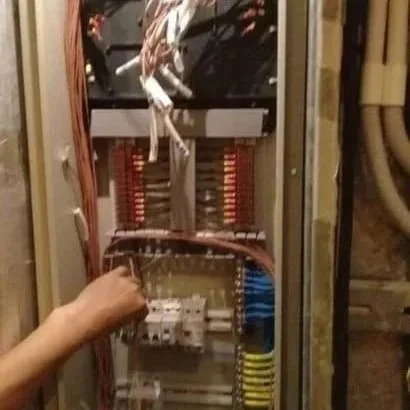
Understanding what type of panel you have and whether it meets today’s electrical standards is more important than ever.
An electrical panel is the central distribution point where electricity from the utility company enters a home or business and is routed through individual circuits. Inside the panel are breakers or fuses that protect these circuits from overload or short-circuit conditions. Without this system, electricity would flow unchecked, creating dangerous conditions and damaging equipment. Electrical panels play an essential role in maintaining safe and efficient power distribution while keeping wiring and connected devices protected.
Understanding what type of panel you have and whether it meets today’s electrical standards is more important than ever. Modern homes rely on high-demand appliances, smart devices, HVAC systems, and renewable technologies that require safe and stable power. As electrical demands increase, the condition and capacity of the panel become critical in ensuring system reliability. This guide compares modern and outdated panels to help homeowners understand what they are working with and what actions may be necessary.
Why it’s important to distinguish between modern and outdated panels
The age and design of an electrical panel directly affect safety, efficiency, and compliance with current electrical codes. Older panels often lack proper grounding, have outdated breaker technology, or contain components linked to documented fire risks. These panels may struggle to accommodate modern loads, leading to frequent breaker trips, overheating, and potential electrical fires. Insurance companies may even deny coverage for homes with certain outdated or recalled panel models.
Being able to identify whether your panel is modern or outdated becomes especially important when renovating, purchasing or selling a home, adding new appliances, or troubleshooting recurring electrical issues. Identifying the panel type helps homeowners make informed decisions about safety, upgrades, and long-term electrical planning.
What are electrical panels?
Definition and basic functions
An electrical panel is a metal enclosure containing breakers or fuses, bus bars, grounding systems, and wiring terminals. Its primary function is to divide the incoming electrical supply into separate circuits and provide overload protection. When a circuit becomes overloaded, the breaker or fuse opens the circuit and stops the flow of electricity, preventing fires, wire damage, and equipment malfunction.
Types of electrical panels
Electrical panels come in several styles. Main breaker panels contain a primary shutoff breaker and are the standard in modern homes. Fuse boxes are older systems that use fuses instead of breakers. Subpanels serve as satellite panels that extend circuits to additions, garages, or outbuildings. As technology advanced, main breaker panels replaced fuse boxes due to better safety, convenience, and capacity. The evolution from fuse-based technology to breaker-based systems improved system reliability and reduced fire hazards.
How electrical panels work
Electricity enters the property through a service line and flows into the panel’s main breaker. From there, it travels through bus bars and is divided among individual branch circuits. When a circuit exceeds safe operating conditions, circuit breakers interrupt power instantly. Grounding and bonding systems further reduce shock hazards by guiding stray current safely into the earth. This protective network ensures that faulty circuits do not endanger people or property.
Common locations in homes and buildings
Panels are typically located in garages, basements, utility rooms, mechanical rooms, or exterior walls. Placement is determined by code requirements that mandate clear working space, easy access, and protection from moisture. Panels should never be hidden behind walls, stored items, or locked rooms without access clearance.
Outdated electrical panels explained
Characteristics of outdated panels
Outdated panels often have telltale characteristics such as limited breaker slots, lack of grounding, obsolete fuses, and deteriorated materials. They may show rust, poor labeling, brittle wiring insulation, or components that no longer meet code requirements. Many outdated panels lack space for additional circuits or use designs that increase fire risk.
Common types of outdated panels
Several panel types are universally recognized as outdated or unsafe. Fuse boxes were used before modern breaker technology. Federal Pacific Stab-Lok panels and Zinsco panels are linked to serious safety defects and are known to fail during overload conditions. Pushmatic and split-bus panels were once common but are now discontinued and difficult to service. These models were most prevalent from the 1950s through the 1980s, depending on region and builder preference.
Safety hazards associated with outdated panels
Outdated panels present multiple hazards, including overheating, breaker failure, and increased risk of electrical fires. Some documented issues include breakers that do not trip when overloaded, poor grounding, or corrosion that interferes with safe electrical flow. Insurance companies often flag these panels as high-risk and may require replacement before issuing or renewing a policy.
Signs your electrical panel is outdated
Warning signs include flickering lights, frequent breaker trips, burning odors, discoloration, buzzing sounds, or circuits that feel warm to the touch. Homeowners should also watch for signs of corrosion, loose breakers, or insufficient capacity for new appliances.
Modern electrical panels explained
Key features of modern panels
Modern panels are designed to handle today’s energy demands and include upgraded features such as higher amperage ratings, improved breaker technology, dual-function GFCI and AFCI capabilities, and surge-protection compatibility. Many modern panels also integrate features for smart-home systems, solar equipment, and whole-home batteries.
Benefits of upgrading
Upgrading offers enhanced safety, greater reliability, and improved performance. Modern panels reduce fire risk, minimize nuisance trips, and support increased electrical usage for advanced appliances and home additions. Upgrades can also improve home resale value and lower insurance premiums.
Compliance with current codes
Modern panels meet current National Electrical Code requirements, which mandate grounded systems, clear labeling, and updated breaker types. These standards protect homeowners and ensure safe operation across all circuits.
Improved safety mechanisms
Newer panels use breakers designed to detect arc faults, ground faults, and other dangerous electrical irregularities. Smart breakers provide alerts, real-time monitoring, and remote control to help prevent hazards before they develop.
How to identify an outdated panel
Visual inspection checklist
Homeowners can look for several identifying features. Check the panel door for labels showing the manufacturer and model. Examine breaker type, internal condition, and signs of corrosion or overheating. Look for fuse sockets or unusual breaker designs that differ from standard toggle-switch breakers.
Red flags by brand or model
Federal Pacific Stab-Lok and Zinsco panels are well-known for failure risks. Pushmatic panels have hard-to-operate breakers. Split-bus panels lack a single main disconnect and often lack capacity for modern usage.
Capacity and load issues
Older panels may only support 60–100 amps, whereas modern homes typically require 200 amps. Undersized panels cause frequent trips, overheating, and insufficient circuit spacing.
Physical and electrical symptoms
Burn marks, melted insulation, inconsistent power, buzzing noises, or warm breakers all indicate potential danger. These symptoms warrant immediate professional inspection.
Common problems with outdated panels
Frequent breaker trips and blown fuses
Outdated panels often cannot handle modern household loads. Frequent tripping suggests overloaded circuits or failing breakers. This not only causes inconvenience but may also damage appliances and wiring.
Overheating and electrical fires
Loose terminals, worn components, and design flaws increase overheating risk. Outdated panels contribute to electrical fire incidents more often than modern systems.
Insurance issues
Insurance providers frequently flag outdated panels as hazardous. Coverage may be denied unless the panel is replaced. Homeowners face higher premiums if they keep outdated equipment.
Non-compliance with modern electrical codes
Old panels often lack grounding, proper breaker configurations, and required safety protections. Non-compliance affects renovation permits and home resale.
Modern panel upgrades: what to expect
When to upgrade
Upgrades are recommended during renovations, when adding new electrical loads, when safety concerns arise, or when insurance requires panel replacement. If a panel is recalled or obsolete, replacement should be prioritized.
Upgrade process overview
The process includes an evaluation, load calculation, permit acquisition, removal of the old panel, installation of the new one, rewiring as necessary, and final inspection. Service interruptions occur during installation but typically last only part of a day.
Choosing the right panel
Selecting a panel involves choosing the appropriate amperage, breaker configuration, and additional features. Look for reputable brands, UL listings, and compatibility with smart-home and renewable systems.
Cost considerations and incentives
Costs vary based on panel size, labor, wiring condition, and required upgrades. Rebates, tax credits, and insurance discounts may help offset expenses. Homeowners should obtain multiple quotes to find competitive pricing.
DIY vs. professional panel assessment
What homeowners can evaluate safely
Homeowners can safely examine labels, breaker types, and general conditions from outside the panel door. Observing flickering lights, tripping patterns, or smells can provide useful information for professionals.
Risks of DIY electrical work
Attempting repairs or replacements without proper training can lead to electrocution, code violations, or fire hazards. DIY work often voids insurance coverage and violates legal requirements.
Role of a licensed electrician
Licensed electricians perform load calculations, identify hidden defects, ensure proper grounding, and install panels that meet code requirements. Their training and certification ensure safe and compliant installations.
How to choose the right electrician
Seek electricians with proper licensing, insurance, and strong reputations. Ask about experience, warranties, and code knowledge. Review references and confirm credentials.
Smart panels and the future of home power
The rise of smart panels
Smart panels integrate digital tools that allow remote monitoring, automated load balancing, and real-time alerts. They help homeowners manage energy usage, reduce costs, and maximize efficiency.
Integration with renewable energy sources
Modern electrical systems must support solar panels, electric-vehicle chargers, and battery backups. Smart panels help manage these loads seamlessly.
Advanced home energy management
Features such as real-time monitoring and scheduled energy distribution allow homeowners to optimize energy use and reduce utility costs.
Security and data privacy in smart panels
Connected panels exchange data over home networks. Cybersecurity protections, such as encryption and secure firmware updates, are essential.
Maintaining your electrical panel
Routine inspection tips
Inspect for rust, dust, unusual sounds, warmth, or loose breakers. Maintain clear access and keep the panel dry and well ventilated.
Troubleshooting minor issues
Safe tasks include resetting clearly labeled breakers and updating panel labels. All internal troubleshooting should be left to professionals.
Long-term panel health and longevity
Prevent damage by protecting the panel from moisture, pests, and overload conditions. Schedule periodic professional inspections.
Documentation and record keeping
Maintain a record of installation dates, breaker replacements, inspections, and upgrades. Documentation helps with insurance and resale.
Building codes and permitting for panel upgrades
Understanding local and national electrical codes
Panels must meet NEC standards, which evolve periodically. These codes govern grounding, breaker types, clearances, and safety features.
Permitting requirements for upgrades
Panel upgrades require permits, inspection appointments, and documented approvals. Skipping permits can result in fines and failed inspections.
Inspections and approvals
Inspectors check wire sizing, grounding, labeling, and breaker configurations. If corrections are needed, a follow-up inspection verifies compliance.
Working with contractors and authorities
Clear communication between homeowners, electricians, and inspectors ensures smooth planning and successful completion.
Environmental considerations of panel upgrades
Disposal of old electrical panels
Many outdated panels contain asbestos, PCB materials, or other hazardous components. Only certified facilities can dispose of them safely.
Materials used in modern panels
Modern panels use recyclable metals and safer plastics, contributing to improved sustainability.
Reducing energy waste with modern panels
Updated designs reduce standby energy loss and improve electrical efficiency.
Supporting renewable integration
Panels capable of handling renewable energy promote lower emissions and improved environmental performance.
Conclusion
Outdated electrical panels pose significant risks, from frequent breaker trips to increased fire hazards and insurance complications. Modern electrical panels, on the other hand, offer improved safety, larger capacity, and compatibility with today’s energy demands, including smart-home systems and renewable technologies. By understanding the differences between outdated and modern panels, homeowners can make informed decisions about maintenance, inspections, and upgrades. Regular assessments, proper documentation, and professional guidance ensure long-term electrical safety, reliability, and value.
Modern vs Outdated Electrical Panels — Critical FAQs You Need to Know
What are the main signs that my electrical panel is outdated?
Common signs include frequent trips, flickering lights, rust, overheating, and the presence of fuse boxes or recalled models.
Is it dangerous to keep using an outdated electrical panel?
Yes. Outdated panels increase the risk of electrical fires, shock hazards, and equipment damage.
How much does it typically cost to upgrade to a modern panel?
Costs vary by amperage, wiring condition, and local labor rates. Multiple quotes help determine realistic pricing.
Can I upgrade my panel myself, or should I hire an electrician?
Panel upgrades must be performed by licensed electricians for safety, legality, and code compliance.
Castles Electrical offers electrical panel installation, electrical panel replacement, whole home rewiring, new construction wiring, generator installation, and backup power solutions to home and business owners in the Virginia Beach area. As a family-owned business, safety and quality are our top priorities. Call today to schedule an appointment.