
Electrical Panel Ratings: What Virginia Beach Homeowners Need To Know
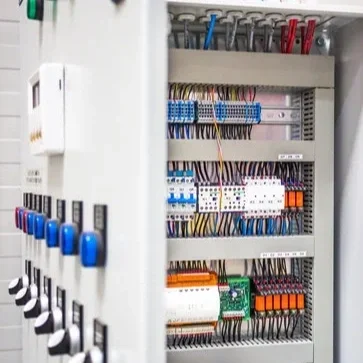
Panels are typically located in accessible areas such as garages, basements, utility rooms, or exterior walls.
An electrical panel is the central distribution point that receives electricity from the utility company and routes it through individual circuits inside a home. It houses essential components such as the main breaker, circuit breakers, bus bars, and neutral and grounding bars. These components work together to regulate electrical flow, protect wiring, and ensure the home’s power supply remains safe and stable. When a circuit draws too much current, the breaker trips and cuts off power to prevent overheating or fire.
Panels are typically located in accessible areas such as garages, basements, utility rooms, or exterior walls. Easy access is required by code because emergency shutoffs or repairs must be possible without barriers. Some homes also use subpanels, which act as secondary distribution centers for additions, detached garages, or high-demand equipment.
Importance of electrical panels in home safety
Electrical panels are safety devices as much as they are distribution systems. By regulating current and shutting down overloaded circuits, they prevent major hazards such as fires, shock incidents, and equipment damage. A faulty or inadequate panel may fail to trip during a dangerous event, putting the property at significant risk. Insurance companies often require panels to be properly rated and well-maintained before issuing or renewing coverage because panels play such an important role in overall home safety.
Basics of how an electrical panel works
Electricity flows from the main service line to the panel’s main breaker. From there, it is divided among branch circuits, each controlled by an individual breaker. When everything works properly, the panel quietly disperses energy throughout the home without interruption. Homeowners interact with their panel when turning breakers off or resetting them after a trip. Recognizing unusual heat, persistent tripping, buzzing, or discoloration helps signal issues before they become serious.
Key terminology explained
Amperage refers to the amount of electrical current a panel can safely deliver. Voltage is the force that pushes current through the system. Load capacity describes the maximum demand that the panel and circuits can support. The main breaker controls the total incoming power. Advanced safety devices such as AFCI breakers detect arc faults, and GFCI breakers respond to ground faults, especially in bathrooms, kitchens, and outdoor areas. Grounded panels include wiring that safely directs stray current into the earth to prevent shocks, while ungrounded systems lack this essential protection.
Electrical panel ratings: what they mean
What is an electrical panel rating
A panel rating describes the maximum amperage and voltage the panel can safely handle. Manufacturers assign this rating based on testing, design, and safety requirements. The rating dictates how much electrical load a home can support before encountering performance issues or safety risks. A properly rated panel keeps systems efficient and reduces the likelihood of overload.
Common residential panel ratings in Virginia Beach
In Virginia Beach, the most common panel ratings are one hundred, one hundred fifty, two hundred, and four hundred amps. While older homes may still operate on sixty or one hundred amp panels, modern homes are typically built with two hundred amp service to meet expanded electrical needs. Four-hundred-amp service is less common but used for large homes or properties with high-demand appliances, pools, EV chargers, or extensive HVAC systems.
Homes undergoing renovations or adding modern equipment often require panel upgrades. Higher demand devices, such as induction ranges, heat pumps, home theaters, or EV chargers, may exceed the capacity of older panels.
Reading the panel label: location and interpretation
A panel’s rating is printed on a label inside the panel door or on the main breaker itself. This label includes amperage, voltage, manufacturer name, model number, and safety certifications such as UL listings. Homeowners can safely inspect the label by opening the panel door, but should not remove the internal cover. The amperage rating appears as a number followed by the letter A, such as 100A or 200A. If the main breaker is marked with a maximum amp rating, that value typically represents the panel’s rating.
Matching your home’s electrical needs to panel ratings
Every home has unique electrical demands. HVAC systems, kitchen appliances, laundry equipment, computers, lighting, and electric-vehicle chargers all contribute to a home’s electrical load. When total demand approaches or exceeds a panel’s rating, symptoms such as frequent trips, dimming lights, and limited capacity for new circuits begin to show. Planning ahead with a higher rating prevents overload, improves performance, and supports future needs.
Virginia Beach codes and regulations for electrical panels
The role of local building codes
Virginia Beach follows local amendments as well as the National Electrical Code to ensure electrical installations meet safety standards. These codes regulate panel placement, grounding, breaker types, and load calculations. Compliance ensures the safety of residents and provides uniformity for electricians and inspectors working throughout the region.
Permit and inspection requirements
Permits are required for panel upgrades, service changes, and new panel installations. Only licensed electricians can apply for permits. Inspections ensure the installation meets code and is safe to operate. During inspection, officials review grounding, wiring, labeling, breaker configurations, and clearances. This oversight helps prevent hazards associated with improper installations.
Approved panel types and brands in Virginia Beach
Panels used in Virginia Beach must meet UL safety standards and be compatible with local utility requirements. Common acceptable brands include Siemens, Square D, Eaton, and GE. These manufacturers design panels capable of supporting AFCI and GFCI breakers and modern load demands. Outdated or recalled brands such as Federal Pacific and Zinsco are not approved and must be removed if discovered during inspections or property transactions.
Penalties and risks for code violations
Homeowners who install non-compliant panels risk fines, forced removal, and denied insurance claims. Non-code panels can also delay home sales and cause failures during renovation permits. Unsafe installations pose fire hazards, shock risks, and long-term liability issues.
Signs your electrical panel needs an upgrade
Common warning signs of an undersized or failing panel
Symptoms include frequent breaker trips, flickering lights, buzzing or burning smells, discoloration, hot breakers, or visible damage. Homes that cannot add new circuits for appliances also likely need an upgrade.
How age affects electrical panel performance
Electrical panels last several decades, but exposure to heat, moisture, salt air, and wear can degrade performance. Old breakers may become unreliable, and outdated designs may lack grounding or safety features required today.
Impact of modern appliances and EV chargers
High-demand appliances and EV chargers can quickly exceed the capacity of older panels. Homes with multiple HVAC units, hot tubs, electric-vehicle charging stations, or new kitchen appliances often require two hundred amp service or higher.
Professional assessment: when to call an electrician
If the panel shows any signs of overheating, corrosion, unusual sounds, or recurring trips, call a licensed electrician. They will test the system, check the load, assess wiring conditions, and recommend upgrades when necessary. Look for electricians with licensing, insurance, and strong community reviews.
Upgrading your electrical panel: process and considerations
Steps in upgrading an electrical panel
The upgrade process begins with an assessment and load calculation. The electrician applies for permits and schedules utility shutoff. After power is disconnected, the old panel is removed and replaced with a new, properly rated panel. Circuits are reconnected, grounding improved if needed, and labeling updated. Inspections occur before power is fully restored.
Choosing the right panel rating for your home
Selecting a rating depends on household size, current electrical usage, and anticipated future needs. Homeowners planning additions, EV chargers, or high-demand appliances should consider two-hundred-amp or higher. Ask your electrician about available breaker spaces, compatibility with smart-home systems, and options for surge protection.
Budgeting for an electrical panel upgrade
Upgrades vary in cost based on amperage, wiring complexity, panel type, and labor rates. Additional upgrades, such as grounding improvements or service mast updates, can raise costs. Homeowners should request multiple quotes for accurate pricing and inquire about financing options or incentive programs.
Obtaining and passing inspection
Inspectors verify grounding, breaker type, wire sizing, labeling, and code compliance. If issues are found, corrections must be made before approval. Passing inspection ensures safety and prevents legal or insurance issues later.
Safety and maintenance tips for homeowners
Routine electrical panel checks
Homeowners should periodically inspect for rust, moisture, buzzing sounds, or loose breakers. Panels should remain unobstructed and clearly labeled. Any signs of overheating or burning require immediate professional attention.
What homeowners should not do
Avoid overloading circuits, replacing breakers with higher ratings, bypassing trips, or performing DIY repairs. Opening the internal cover exposes live components and is extremely dangerous.
Proper labeling and circuit mapping
Accurate labeling helps during emergencies, repairs, and troubleshooting. Homeowners can map circuits by turning them off one at a time and recording the affected areas.
Surge protection and electrical panel upgrades
Whole-house surge protectors are beneficial, especially in coastal regions like Virginia Beach, where storms and outages are frequent. Surge devices are installed at the panel and protect appliances and electronics from voltage spikes.
Energy efficiency and future-proofing your electrical panel
Preparing for renewable energy integration
Solar panels, battery storage, and electric-vehicle systems require properly rated panels with space for dedicated breakers. Panels must support backfeeding and meet interconnection rules.
Planning for home expansion and modernization
Planning ahead when upgrading a panel saves money in the long run. Install a panel with enough capacity to support future additions, workshops, or home office equipment.
Reducing energy waste through smart panels
Smart electrical panels provide real-time energy monitoring, remote breaker control, and load balancing. These innovations reduce waste and support energy-efficient living.
Keeping up with regulatory changes
Electrical codes evolve as technology advances. Staying informed helps ensure future projects remain compliant and safe.
Conclusion
Electrical panel ratings form the foundation of a safe, efficient electrical system in every Virginia Beach home. Understanding what your panel is rated for, how it works, and when it needs upgrading empowers you to protect your property and plan for modern electrical demands. Whether preparing for renovations, adding new appliances, or considering renewable energy systems, properly rated and well-maintained panels are key to long-term safety, reliability, and home value. With guidance from licensed professionals and adherence to local codes, homeowners can confidently maintain and improve their electrical systems.
Virginia Beach Electrical Panel FAQs — Avoid Costly Mistakes and Safety Hazards
What is the minimum-rated electrical panel allowed for new homes in Virginia Beach?
Most new homes require at least a two-hundred-amp panel to support modern electrical loads.
How do I know if my current panel can handle a home renovation or new appliances?
A licensed electrician can perform a load calculation to determine whether your panel has available capacity.
Are there rebates or financial incentives for upgrading an electrical panel in Virginia Beach?
Some utilities and regional programs may offer incentives, especially when upgrades support renewable energy or efficiency improvements.
How often should I have my electrical panel inspected by a professional?
Panels should be inspected every few years or anytime you notice signs of damage, tripping, or performance issues.
Castles Electrical offers electrical panel installation, electrical panel replacement, whole home rewiring, new construction wiring, generator installation, and backup power solutions to home and business owners in the Virginia Beach area. As a family-owned business, safety and quality are our top priorities. Call today to schedule an appointment.