
What Is An Electrical Panel And How Does It Work?
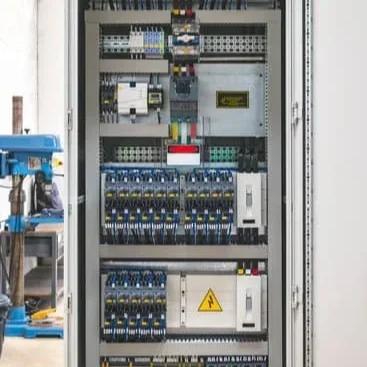
When panels are kept in good shape, they regulate power smoothly, protect circuits from overload, and reduce the chances of fire hazards that start inside walls long before anyone notices.
Electrical panels sit quietly in the background, but they’re the reason your lights turn on, your appliances behave, and your home stays safe when something electrical goes wrong. They function like traffic officers, sending electricity where it needs to go and stepping in when a circuit draws more power than it can handle. Without a working panel, electricity would enter the building without any real control — a dangerous situation that can lead to equipment failures or worse. When panels are kept in good shape, they regulate power smoothly, protect circuits from overload, and reduce the chances of fire hazards that start inside walls long before anyone notices.
What is an electrical panel
Definition and purpose
An electrical panel is a metal cabinet filled with the components responsible for receiving power from the utility company and distributing it across the building. Think of it as the brain of your electrical system. It manages how much electricity goes to each circuit and steps in to stop the flow when something isn’t safe. Without this panel dividing and monitoring the load, a single malfunction could send dangerous current rushing through the wiring with nothing to stop it.
Importance in electrical systems
Inside a building, different rooms and appliances need different amounts of power. The panel splits incoming electricity into separate branch circuits so everything gets the right amount. By regulating these circuits, the panel prevents overloads and overheating. It also provides a single location where power can be turned off during repairs or emergencies. Whether in a home or business, the panel keeps the electrical system organized and stable.
Basic structure
Most panels look similar from the outside: a rectangular steel box with a hinged door. Inside, breakers or fuses are arranged in rows and connected to bus bars and wiring terminals. Panels are usually installed in basements, garages, utility rooms, or outside the building, depending on local codes. The housing keeps the internal parts protected from dust, moisture, and accidental contact.
Common names and types
Over the years, electrical panels have gone by different names. A “breaker box” is the modern version using circuit breakers. A “distribution board” is an all-purpose industry term. A “fuse box” is an older system that uses single-use fuses. While people sometimes use these terms interchangeably, each one reflects a different era and technology level.
Components of an electrical panel
Main circuit breaker
At the top of most panels sits the main breaker — the switch that controls all incoming power. It acts as the building’s main shutoff, and it protects the entire system by tripping if the total demand becomes unsafe.
Circuit breakers or fuses
Branch circuit breakers protect individual circuits. If too much current flows, breakers trip and shut the circuit down. Older fuse boxes used fuses that melted when overloaded and had to be replaced. Whether breaker or fuse, the goal is the same: stop unsafe current before it damages wiring or causes a fire.
Bus bars
Bus bars are the internal highways for electricity. Hot bus bars carry the live electrical supply, neutral bars return current safely to the utility, and grounding bars offer a safe path for stray electricity. These bars make sure each circuit gets stable, balanced power.
Grounding system
The grounding system is a safety essential. Ground wires and grounding rods provide a controlled path for fault current to travel into the earth. If something goes wrong — a damaged wire, a failed appliance — grounding reduces the risk of shock and helps prevent fires.
Panel door and housing
The door protects users from live components and keeps the system enclosed. Labels, usually found on or inside the door, help identify which breaker controls which part of the property. The steel housing keeps moisture and debris out while shielding the electrical components.
How does an electrical panel work
Power flow from utility to panel
Electricity enters the property from the utility grid, passes through the electric meter, and then travels into the panel through heavy service entrance wires. The main breaker receives the full load and regulates how electricity flows into the system.
Distribution to branch circuits
From the main breaker, electricity moves to the hot bus bars. Individual breakers connect to those bars and deliver controlled amounts of electricity to circuits throughout the building — kitchen circuits, lighting circuits, HVAC circuits, and so on.
Circuit protection mechanisms
If a circuit draws too much current or experiences a short, the breakers react instantly. They trip, isolate the circuit, and prevent unsafe current from traveling any farther. Breakers detect dangerous conditions through heat or magnetic changes in the flow of electricity.
Role in electrical safety
Modern panels are designed with multiple safety layers. Breakers monitor current levels, grounding reduces shock risks, and spacing within the panel prevents overheating. Together, these features make the panel the foundation of a safe electrical system.
Types of electrical panels
Main breaker panels
These are the standard panels found in most homes. They contain a main shutoff and a set of breakers that control all circuits in the building.
Main lug panels
Main lug panels don’t include a main breaker. Instead, they are powered by another panel and are commonly used when expanding electrical capacity.
Subpanels
Subpanels help extend distribution to additions, garages, workshops, or any area that needs dedicated circuits. They keep wiring manageable when the main panel becomes crowded.
Fuse boxes
Fuse boxes represent an older generation of panels. They work but lack capacity and safety features found in modern breaker systems.
Smart electrical panels
Smart panels offer features like load monitoring, app integrations, energy tracking, and automatic alerts. They allow homeowners to see how electricity is being used and even control certain functions remotely.
Sizing and capacity considerations
How to determine panel size
Panel size depends on the electrical load of the building. Electricians calculate this by considering square footage, appliance usage, heating and cooling systems, and expected future additions.
Amperage ratings
Most homes use 100-, 150-, or 200-amp panels, with larger structures requiring even more. Higher amperage allows more circuits and supports heavier electrical demands.
Planning for expansions
Selecting a slightly larger panel than what’s needed today helps avoid future problems. Extra capacity is useful for EV chargers, remodeled kitchens, or new HVAC systems.
Consequences of undersized panels
Undersized panels struggle to keep up. Breakers trip, wiring warms up, and the home may fall out of compliance with electrical codes. In the worst cases, fire risks increase significantly.
Electrical panel installation
Who should install panels
Only licensed electricians should handle panel installations. The work involves live electrical components, precise calculations, and strict code requirements. Mistakes can be severe.
Installation steps overview
A typical installation includes shutting off utility power, mounting the new panel, connecting service wires, installing breakers, checking grounding, labeling circuits, and completing inspections. It sounds simple on paper, but the work is highly technical.
Permitting and code compliance
Panel installations require permits and inspections based on the National Electrical Code and local rules. Inspections confirm everything was installed correctly and safely.
Cost factors
Prices vary depending on panel type, amperage, labor time, location, and whether the service lines need upgrading. Homes with unusual wiring layouts or outdated infrastructure may require more extensive work.
Upgrading or replacing electrical panels
Reasons to upgrade
Upgrades often come with renovations, new appliance installations, or persistent electrical issues. Insurance companies sometimes require updates for older systems. Outdated panels may not support modern electrical use safely.
Signs replacement is needed
Frequent breaker trips, buzzing noises, visible corrosion, scorched components, and outdated fuse boxes are common warning signs.
The upgrade process
A typical upgrade includes evaluating electrical loads, choosing a suitable panel, shutting off power, removing the old panel, installing the new one, updating wiring as necessary, and scheduling final inspections.
Costs and considerations
Upgrade costs depend on amperage, panel style, labor, and whether service equipment—such as the mast or meter—requires updating.
Common electrical panel problems
Overloaded circuits
When too many appliances draw from the same circuit, breakers trip repeatedly. Ignoring this can lead to overheated wiring.
Loose or corroded connections
Loose screws or corroded metal increase electrical resistance, which creates heat and potential arcing.
Breaker failure
Breakers can wear out just like any other mechanical part. A breaker that won’t trip or stay reset must be replaced immediately.
Signs of damage
Burning smells, scorch marks, hot spots, or crackling noises suggest serious internal problems. If these appear, power should be shut off and a professional contacted right away.
Electrical panel maintenance and safety
Regular inspection practices
Homeowners can check for rust, moisture, or mislabeled circuits, but in-depth inspections should be handled by professionals.
Keeping panels accessible
Panels must remain accessible so they can be reached during emergencies. Building codes require specific clearances.
Moisture and dust protection
Dust, pests, and moisture accelerate deterioration. Keeping the area clean and dry helps preserve the panel.
When to call an electrician
Any signs of overheating, persistent breaker trips, buzzing, or strange electrical behavior call for immediate professional attention.
Electrical panel safety tips
Safe resetting of breakers
Breakers should only be reset after identifying the cause of the trip. Flip them fully off before switching them back on.
Avoiding overloading circuits
Spread high-demand devices across circuits to avoid stressing individual breakers.
Labeling circuits clearly
Clear labels help during emergencies and simplify future repairs.
Dealing with electrical emergencies
If something major happens — smoke, burning smells, sparking — shut off the main breaker and call an electrician right away.
Legal and code requirements
National Electrical Code (NEC)
The NEC outlines required breaker types, grounding rules, wire sizes, and installation procedures.
Local permits and inspections
Local rules require permits for panel installations or major modifications. Inspectors verify everything meets safety standards.
Homeowner responsibilities
Homeowners must keep panels accessible, maintain safe conditions, and hire licensed professionals for electrical work.
Updates and future code changes
Electrical codes evolve with technology. Staying current helps homeowners plan future upgrades smoothly.
Conclusion
An electrical panel is one of the most important components in any modern building. It manages incoming power, divides energy into usable circuits, and shields wiring from dangerous conditions. Understanding what a panel does — and when it needs attention — helps homeowners make smart choices about upgrades, maintenance, and safety. With proper care and professional installation, an electrical panel provides reliable, efficient power distribution for decades.
Electrical Panel Upgrade FAQs — Don’t Ignore These Warning Signs
How do I know if my electrical panel needs an upgrade?
Frequent breaker trips, corrosion, outdated fuse boxes, or new appliances that strain the system are common indicators.
Can I install or replace an electrical panel myself?
No. Panels must be installed by a licensed electrician due to safety and code regulations.
What’s the difference between a breaker box and a fuse box?
Breaker boxes use resettable breakers; fuse boxes rely on fuses that melt during overloads.
How often should an electrical panel be inspected?
Every few years — or immediately if there are smells, noises, heat, or recurring electrical issues.
Castles Electrical offers electrical panel installation, electrical panel replacement, whole home rewiring, new construction wiring, generator installation, and backup power solutions to home and business owners in the Virginia Beach area. As a family-owned business, safety and quality are our top priorities. Call today to schedule an appointment.