
A Breakdown of What’s Included in Panel Replacement Quotes
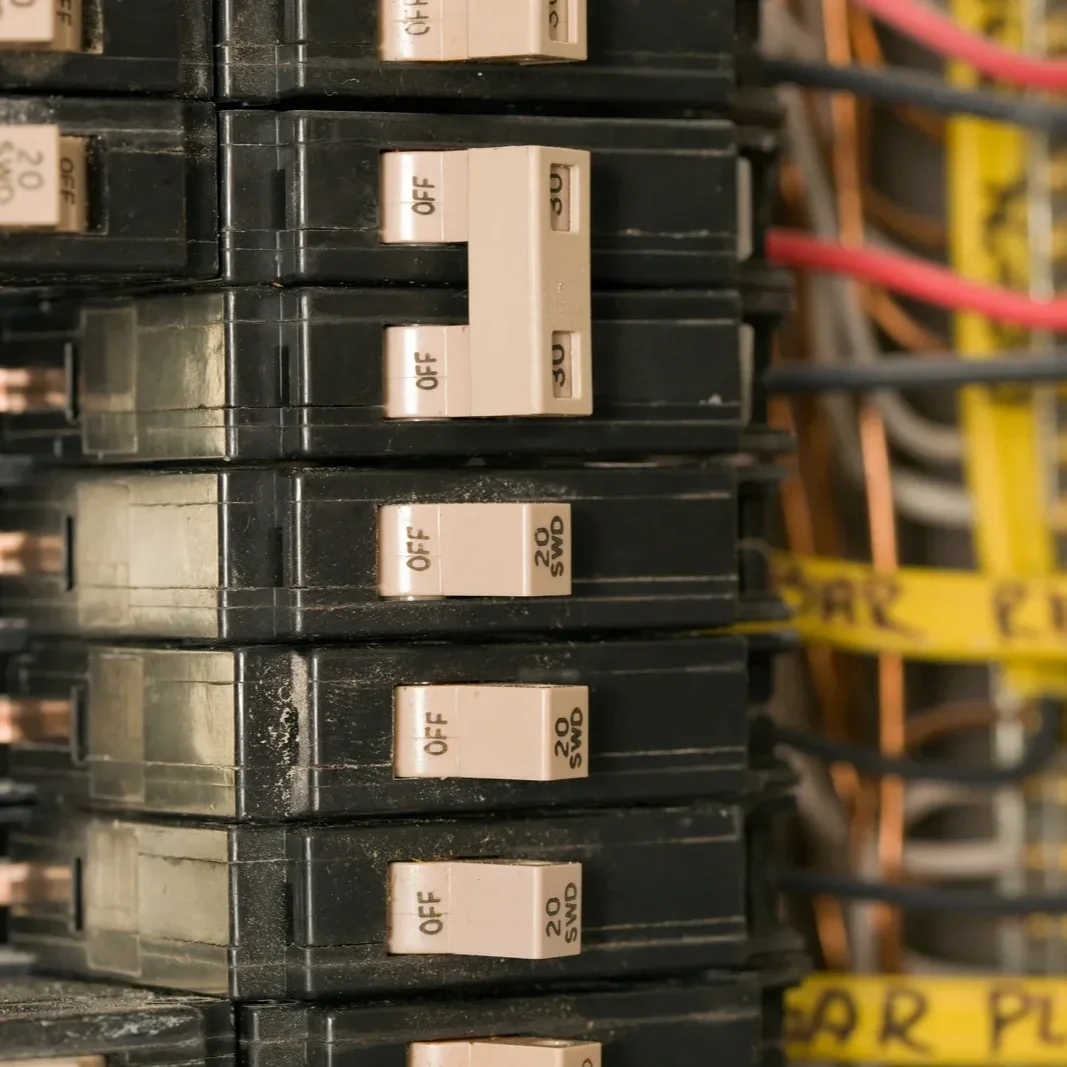
A clear and detailed quote allows homeowners and business owners to anticipate the financial scope of the project before committing to any work.
Understanding panel replacement quotes
What is a panel replacement quote
A panel replacement quote is a written document outlining the expected costs, materials, labor, and project details associated with replacing a specific type of panel. Property owners request these quotes when planning improvements, upgrades, or repairs involving electrical panels, wall panels, fencing panels, or solar panels. The purpose of a quote is to provide an accurate projection of expenses so that customers can budget effectively and compare service providers. Panel replacement often becomes necessary due to damage, outdated equipment, safety concerns, or the need to comply with modern standards. A clear and detailed quote allows homeowners and business owners to anticipate the financial scope of the project before committing to any work.
The importance of a detailed quote
A detailed and itemized quote is essential for transparency. It helps customers see exactly what they are paying for, compare multiple contractors fairly, and avoid hidden fees. Industry standards emphasize clear descriptions of materials, labor hours, disposal fees, and optional upgrades. When quotes lack detail, clients may face surprise charges, add-ons, or ambiguous responsibilities during the project. Disputes are more likely when the scope of work is not well defined from the beginning. Clear quotes protect both parties by establishing expectations and providing a documented reference throughout the project.
Who prepares the quote
Panel replacement quotes are prepared by licensed professionals such as electricians, general contractors, solar technicians, or specialized panel replacement companies. These individuals must understand applicable codes, safety requirements, and installation procedures. When seeking a quote, homeowners should look for contractors who hold proper licensure, insurance, and experience relevant to the specific type of panel being replaced. The quoting process typically includes a site visit, consultation, and inspection to gather measurements, assess existing conditions, and identify potential complications. Only after evaluating the property can a contractor prepare an accurate and comprehensive quote.
Common types of panels replaced
Several types of panels frequently require replacement due to age, wear, or upgrades. Electrical panels often need replacement when homes undergo renovations or when older fuse-style boxes can no longer meet demand. Wall panels, such as those used in interior finishing or soundproofing, may be replaced when damaged or outdated. Fencing panels deteriorate over time due to weather exposure, while solar panels may be replaced due to malfunction, storm damage, or efficiency improvements. Each type varies in material, complexity, and installation requirements, which directly affects the quote.
Materials included in the quote
Types of materials and components
Quotes typically include materials such as the panels themselves, mounting brackets, support frames, fasteners, conduits, insulation, and connectors. Electrical panel quotes may list breakers, bus bars, grounding equipment, and protective enclosures. Solar panel quotes might include inverters, wiring harnesses, rails, and clamps. Brands and grades are often specified to help customers understand quality and durability. Material selection affects reliability, lifespan, and compatibility with existing structures. Standard materials cost less but may provide reduced longevity compared to premium options designed for heavy use or harsh environments.
Delivery and transportation costs
Transportation fees are usually included in panel replacement quotes because materials must be delivered to the property. Costs vary depending on distance, fuel surcharges, and whether special handling is required for oversized or fragile items. Some job sites have restricted access or require additional equipment for delivery, which can increase transportation charges. Customers should review how these costs are itemized and confirm whether weekend or after-hours delivery affects pricing.
Waste disposal and recycling fees
Removing old panels generates waste, which must be handled in accordance with local environmental regulations. Quotes often include disposal fees to cover transportation to recycling facilities or landfills. Some materials, such as metal fencing or solar components, can be recycled, which may reduce disposal costs. Proper waste handling ensures safety and prevents contamination from hazardous components found in certain electrical or structural systems.
Custom or special-order materials
Certain projects require custom-made panels or components, particularly for historic restorations, uniquely shaped spaces, or specialty architectural designs. Custom orders generally cost more and extend project timelines. Quotes should clearly indicate whether custom fabrication is necessary and whether any deposits are required to secure special-order items. Contractors must account for longer lead times when preparing schedules and pricing.
Labor and installation charges
Breakdown of labor costs
Labor charges reflect the time and skill needed to complete the project. Contractors may charge by the hour, by square footage, or per panel, depending on the nature of the work. Projects that involve electrical panel replacement require licensed electricians due to the safety and code requirements involved. Labor costs increase when the work requires specialized training, additional technicians, or hazardous conditions such as working with high-voltage systems or at elevated heights. Itemized labor estimates help customers understand the value of professional expertise and identify how labor hours are allocated.
Installation process summary
The installation section of a quote outlines the steps required to complete the project. Typical phases include site preparation, removal of old panels, installation of new materials, adjustments to existing structures, finishing work, and final inspection. Some installations require electrical reconfiguration, structural reinforcement, or precise calibration. Additional charges may appear if unexpected obstacles are discovered, such as hidden wiring, rotted framing, or misaligned mounts. Understanding the installation process helps customers anticipate how long the project will take and what disruptions may occur.
Permits and inspections
Panel replacement often requires permits to ensure safety and compliance with building codes. Electrical panels, solar panels, and structural wall panels must pass inspection before they can be approved for use. Permit fees vary by jurisdiction and must be considered part of the project budget. Quotes should clearly list whether the contractor will handle permits and inspections, as well as the estimated fees associated with government agencies. Failing to obtain proper permits can lead to fines, delays, or issues with insurance coverage.
Warranty for labor
Labor warranties assure customers that the contractor stands behind their workmanship. These warranties typically cover installation issues that develop within a specified period. Labor warranties differ from material warranties, which are provided by manufacturers and cover defects in the product itself. A comprehensive quote outlines the duration and scope of coverage. Customers should confirm whether follow-up services, maintenance checks, or adjustments are included.
Supplemental costs to anticipate
Emergency or rush service fees
When panel replacement must be completed urgently due to storm damage, electrical failure, or safety concerns, contractors may charge emergency service rates. These fees compensate for expedited scheduling, overtime labor, and immediate material sourcing. Rush service details should be outlined clearly to avoid confusion or unexpected charges.
Access or location challenges
Difficult site conditions often increase the total cost. Contractors assess factors such as limited access, overhead obstructions, buried utilities, steep terrain, or confined indoor areas. These obstacles may require additional tools, safety measures, or labor hours. Site visits allow contractors to evaluate challenges before finalizing the quote.
Weather and seasonal adjustments
Seasonal demand can affect both labor availability and material pricing. Harsh weather may require additional protective equipment, slow down installation, or increase overall difficulty. Quotes may include adjustments based on temperature, heavy rainfall, or peak-season workloads. Scheduling projects during off-peak seasons may reduce costs.
Temporary power or safety equipment
Some panel replacement jobs require temporary power sources, scaffolding, safety barriers, or protective coverings. Contractors include these items in the quote when needed for safety or compliance. Additional equipment increases project cost, especially on larger sites or multi-level structures.
Administrative and regulatory factors
Sales tax and regulatory fees
Quotes include sales tax and other regulatory fees imposed by local or state agencies. These costs vary based on location and project type. Tax rates must be clearly displayed so customers know exactly how much they will pay beyond material and labor charges.
Insurance and liability coverage
Professional contractors carry insurance to protect both themselves and the property owner. Quotes often reflect this cost through administrative line items. Insurance coverage offers peace of mind by ensuring that damages, injuries, or accidents are handled appropriately. Customers should verify that contractors provide proof of active coverage.
Deposit and payment terms
Quotes outline payment structures, including required deposits, progress payments, and acceptable payment methods. Contractors rarely require full payment up front, and large deposits can be considered a red flag. Clear payment terms help maintain trust and prevent misunderstandings.
Quote expiry and validity
Material costs and labor rates fluctuate, so quotes include an expiration date. Once the validity period ends, prices may change. Customers should make timely decisions to avoid revised or increased estimates. Contractors include these details to ensure accuracy in scheduling and budgeting.
Comparing and evaluating quotes
How to compare different quotes
Customers should compare line items carefully, reviewing inclusions, exclusions, total cost, and warranty coverage. A thorough comparison helps identify the best value, not just the lowest price. Differences in materials, installation techniques, and service quality should be evaluated.
Identifying hidden or excluded costs
Some quotes may omit important items such as site cleanup, permit fees, or final inspections. Customers should request fully itemized quotes and ask contractors to clarify any unclear charges. Understanding exclusions prevents unexpected costs later.
Evaluating contractor credibility
Researching contractors helps confirm their reliability. Homeowners should verify licensing, read reviews, request references, and review sample contracts. Credible contractors provide clear quotes, communicate openly, and maintain professionalism throughout the process.
Understanding fine print
The fine print details conditions related to delays, unforeseen discoveries, change orders, and cancellation policies. Homeowners should read these clauses carefully to understand their rights and responsibilities. Clear terms help avoid disagreements and ensure the project proceeds smoothly.
Conclusion
Understanding what is included in panel replacement quotes allows property owners to make informed decisions, avoid hidden fees, and choose contractors with confidence. A thorough quote should outline materials, labor, permits, supplemental charges, warranties, and payment terms. By taking time to compare quotes from reputable professionals, homeowners ensure cost efficiency and proper compliance with safety standards. Careful review of all line items and fine print helps prevent surprises and supports successful project planning.
Panel Replacement Quote FAQs — Avoid Surprise Costs Before You Sign
What should a panel replacement quote always include?
A quote should include materials, labor, permits, disposal fees, warranty terms, and payment structures.
How can I identify and avoid hidden fees in panel replacement quotes?
Ask for an itemized quote, review exclusions, and clarify unclear charges before signing.
Is it possible to negotiate the total cost presented in a quote?
Yes, some contractors may negotiate on materials, labor, or scheduling flexibility.
Do quotes typically include the cleanup and disposal of old panels?
Many quotes include disposal, but homeowners should confirm to avoid unexpected fees.
Castles Electrical is the one-stop destination for electrical panel installation, electrical panel replacement, whole home rewiring, new construction wiring, electrical safety inspections & code compliance and commercial electrician services in the Virginia Beach area. Serving residential and commercial customers, our licensed electricians always put customers first. Call today for a free estimate.