
Electrical Code Requirements for Panel Replacement in Virginia Beach
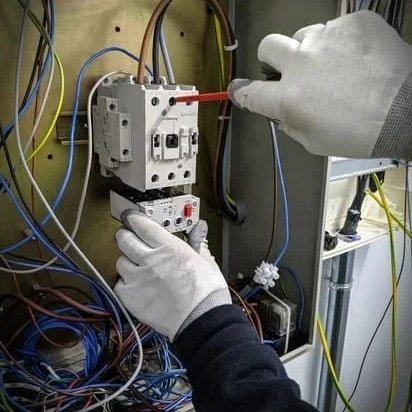
Because the panel regulates and protects every circuit, it is one of the most important safety devices in the home’s electrical system.
An electrical panel is the central point where electricity from the utility company enters a home and is safely distributed across various branch circuits. Inside the panel are circuit breakers, bus bars, grounding components, and a main disconnect that allows the entire system to be shut down when necessary. Most Virginia Beach homes contain main breaker panels, though older houses may still have fuse boxes or outdated models that no longer meet modern code requirements. Because the panel regulates and protects every circuit, it is one of the most important safety devices in the home’s electrical system.
When should you replace an electrical panel
Panels generally last several decades, but age, corrosion, heat damage, or outdated technology eventually make replacement necessary. Frequent breaker trips, flickering lights, buzzing sounds, and warm panel surfaces are clear signs that a system is struggling. Renovations, service upgrades, or the addition of high-demand appliances such as electric-vehicle chargers also justify replacement. Ignoring these signs can lead to electrical outages or more serious hazards, including overheating and fire.
Dangers of failing to replace an outdated panel
Old or non-compliant panels can malfunction under normal loads and may fail to trip when circuits overload. This creates dangerous conditions that can ignite wiring, damage appliances, or cause power fluctuations throughout the home. Outdated panels, such as Federal Pacific or Zinsco models, are known to pose increased risks and often fail during electrical faults. Upgrading to a modern, code-compliant panel significantly reduces these dangers and improves the safety and stability of power throughout the property.
Overview of the electrical code in Virginia Beach
Virginia Beach adheres to the National Electrical Code with local amendments to address regional safety and environmental concerns. The NEC sets national standards for safe electrical installations. Local inspectors from the Virginia Beach Planning and Community Development Department enforce code requirements for all panel replacements. Any replacement must comply with both the NEC and local revisions to ensure safe operation and legal approval.
Permitting and legal requirements
Why a permit is required
Panel replacement is regulated work because it directly affects the safety of the home’s electrical system. A permit ensures that a qualified professional performs the work according to code and that the installation is examined through one or more inspections. Failing to obtain a permit can lead to fines, insurance denial, and potential safety hazards if the installation is not reviewed.
Steps to obtain a permit
Permits are issued through the Virginia Beach Permits and Inspections office. Applicants must submit documentation identifying the licensed electrician performing the work, panel specifications, and scope of installation. Fees vary depending on project size. Once submitted, the city reviews the application and issues the permit, typically within a short timeframe unless additional clarification is needed. Homeowners can access resources directly through the city’s online permit portal or obtain guidance from the electrician handling the project.
Who can replace a panel legally
Virginia Beach requires that only licensed electricians perform panel replacement. This ensures knowledge of code, grounding rules, utility coordination, and safety practices. Homeowners cannot legally replace a panel themselves, even if skilled with electrical work, due to the high risks involved and code compliance obligations. Specialized licensing may be required for service upgrades that involve coordination with the utility provider.
Required inspections
Inspection is mandatory after panel installation. Inspectors check grounding, bonding, breaker types, wire sizing, labeling, clearances, and overall workmanship. In some cases, multiple inspections occur, such as rough-in and final inspections. Homeowners and electricians should prepare documents, including the permit and panel specifications, for review.
Location and accessibility requirements
Minimum clearance around panels
Code requires a clear working space around electrical panels. Typically, a panel must have a minimum of thirty inches of width and thirty-six inches of clear depth in front of it. This ensures safe access for maintenance and emergencies. Virginia Beach follows NEC standards with strict enforcement during inspections.
Height regulations
Panels must be mounted with the highest breaker handle no more than six feet seven inches above the floor. This ensures safe reachability for users and first responders. Improper height placement is a common violation and can delay approval.
Panel locations: what’s permitted and prohibited
Panels cannot be installed in bathrooms, clothes closets, or spaces with excessive moisture or restricted airflow. Basements, garages, utility rooms, and exterior walls are common compliant locations. Virginia Beach inspectors often flag installations in overly tight spaces or behind obstructions that compromise accessibility.
Accessibility for future maintenance
Panels must remain accessible throughout the life of the home. Remodeling projects, such as finishing basements or converting storage spaces, must preserve access to the panel. Blocking or enclosing a panel without compliant doors or clearances results in code violations.
Panel capacity and sizing
Assessing current and future electrical load
Proper sizing requires calculating the total household load, including HVAC, kitchen appliances, laundry equipment, lighting, and planned additions. Electricians typically perform load calculations to determine the correct panel rating.
Panel size and amperage limits per code
Virginia Beach follows NEC requirements for minimum amperage. Many older homes have one hundred amp service, but two hundred amp panels are now the standard for new construction. Larger homes or those with high-demand appliances may require three hundred or four hundred amp service.
Dangers of under-sizing a panel
Panels that are too small cannot safely handle electrical demand. This results in constant breaker trips, overheated wiring, and potential fire hazards. Undersized panels also limit the ability to add new circuits during renovations.
Upgrading to meet modern code standards
Homes undergoing major renovations often must upgrade panels to satisfy current code. Additions requiring additional circuits or appliances, such as electric-vehicle chargers, trigger mandatory upgrades. Building codes evolve, so older panels may no longer meet minimum standards even if functioning.
Grounding and bonding regulations
Basics of grounding and bonding
Grounding directs stray electrical energy safely into the earth. Bonding connects metal piping and equipment to the grounding system to maintain equal electrical potential. These protections prevent shock hazards and equipment damage.
Ground rod and electrode requirements
Virginia Beach requires the proper installation of grounding electrodes, such as copper rods or ground plates. The grounding electrode conductor must be securely attached and sized according to code. Inspectors verify continuity and approved hardware use.
Bonding of water and gas pipes
Metallic water and gas pipes must be bonded to the panel. This prevents them from becoming energized during faults. Virginia Beach homes often use copper water lines, making bonding especially important.
Testing grounding and bonding integrity
Electricians perform continuity and resistance testing to ensure a solid grounding path. Failures indicate loose connections, corrosion, or improper installation.
Breaker and labeling standards
Approved breaker types
Code requires the use of compatible breakers listed for the specific panel. Many circuits must now use AFCI or GFCI protection, depending on location. Surge-protection devices are increasingly common for whole-house protection.
Correct circuit labeling
Each breaker must be permanently and accurately labeled. Labels must clearly identify room names or appliance types. Proper labeling speeds emergency shutoffs and simplifies future repairs.
Dedicated circuit requirements
Appliances such as HVAC equipment, microwaves, dryers, and electric ranges require their own circuits. EV chargers, spas, and sump pumps also have dedicated circuit requirements in Virginia Beach.
Coordination with smoke and carbon monoxide detectors
Some homes require interconnected smoke and carbon monoxide detectors powered by dedicated circuits. Inspectors verify correct installation and breaker protection.
Safety precautions and best practices
De-energizing before replacement
Power must be completely disconnected before work begins. Electricians coordinate with utility providers when necessary.
Using personal protective equipment
Gloves, insulated tools, arc-rated clothing, and face protection are essential for anyone working near live electrical components.
Preparing the work area
The area must remain dry, clear of clutter, and free of flammable materials. Barriers may be needed when pets or children are present.
Hiring a licensed electrician
Homeowners should verify licensing, insurance, and experience. Electricians familiar with the Virginia Beach code ensure a compliant installation.
Inspections and passing the final approval
Scheduling and fees
After panel installation, electricians schedule an inspection with the city. Fees vary depending on project type.
What inspectors look for
Inspectors verify panel mounting, wiring, grounding, labeling, breaker types, clearance, and adherence to NEC and local amendments.
Handling inspection failures
If the installation does not pass, inspectors provide correction notices. Fixes must be completed and reinspected before approval.
Documenting approval
Final approval documents should be stored with home records. These may be requested for insurance, resale, or future electrical permits.
Conclusion
Panel replacement in Virginia Beach requires strict adherence to the electrical code, proper permitting, compliant installation practices, and a final inspection. Understanding these requirements helps homeowners plan safely and avoid costly mistakes. By following NEC guidelines, Virginia Beach amendments, and professional guidance, homeowners ensure reliable electrical service and a safer living environment. Working with licensed electricians and complying with every regulation provides long-term peace of mind and protects property value.
Urgent Electrical Panel Replacement FAQs for Virginia Beach Homeowners
What permits do I need to replace an electrical panel in Virginia Beach?
You need an electrical permit issued by the Virginia Beach Permits and Inspections office before replacement begins.
Can I replace my own panel, or do I need to hire an electrician?
Only licensed electricians are permitted to replace panels due to safety and code compliance requirements.
What safety hazards are associated with old or non-compliant panels?
These panels increase risks of electrical fires, shock hazards, equipment failure, and insurance denial.
How long does a typical panel replacement take, including permits and inspection?
The replacement itself often takes several hours, while permitting and inspection may add several days to the process.
Castles Electrical offers electrical panel installation, electrical panel replacement, whole home rewiring, new construction wiring, generator installation, and backup power solutions to home and business owners in the Virginia Beach area. As a family-owned business, safety and quality are our top priorities. Call today to schedule an appointment.