
Top Electrical Code Violations In Panel Replacements
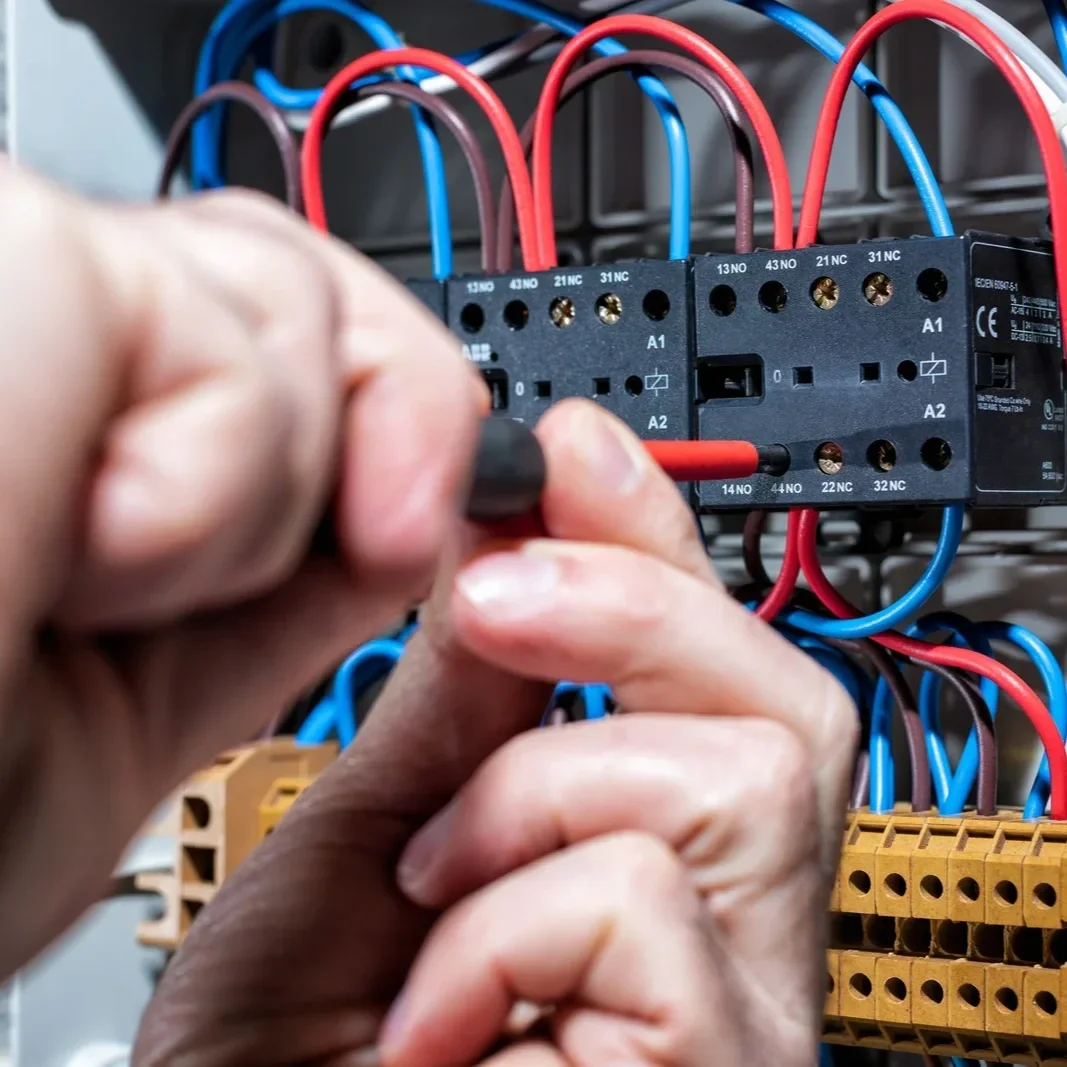
Non-compliant work can affect insurance coverage, cause property devaluation, and jeopardize the safety of anyone living in the home.
A code violation occurs when electrical work does not meet the safety and installation requirements set forth by the National Electrical Code and local amendments. These rules exist to minimize hazards such as shock, fire, and equipment failure. Violations can be major, such as improper grounding, or minor, like inaccurate breaker labeling. Even small oversights may lead to inspection failures or create long-term risks. Non-compliant work can affect insurance coverage, cause property devaluation, and jeopardize the safety of anyone living in the home.
Why panel replacements often result in violations
Electrical panel replacements frequently lead to violations because many older systems were built under outdated codes. When replacing a panel, the entire installation must meet current requirements, not the standards from decades ago. Upgrades often reveal mismatched breakers, degraded wiring, inadequate grounding, or previous DIY modifications that no longer pass inspection. Newer panels also have stricter requirements regarding breaker type, load distribution, and safety features, making it essential to update the surrounding system during the replacement.
The importance of following the NEC
The NEC is updated every few years to reflect new technologies, safety research, and improved electrical practices. It governs everything from breaker types to grounding methods. Electricians must stay informed about the most recent edition and any Virginia Beach amendments that modify local requirements. Compliance is not optional. It ensures installations are safe, reduces liability, and helps guarantee that panel replacements pass inspection.
Consequences of ignoring electrical codes
Ignoring code requirements exposes homeowners to severe risks, including electrical fires, electrocution, and property damage. Municipal fines may be issued for unpermitted or non-compliant work. Insurance claims may be denied if an incident is traced to a code violation. Statistics show that outdated or incorrectly installed panels contribute to thousands of electrical fires each year, making proper compliance essential.
Improper panel grounding and bonding
Failure to separate neutral and ground
In subpanels, neutrals and grounds must remain isolated. If they are not separated, stray currents can travel along grounding paths that should remain free of electrical flow. This defeats the purpose of the grounding system, increases shock hazards, and makes metal components unintentionally energized. Proper separation ensures that neutral current returns only to the main panel, where grounding and bonding occur as intended.
When neutrals and grounds are tied together in a subpanel, the electrical system becomes unstable. Sensitive equipment may fail, circuits may behave unpredictably, and the risk of fires increases. Inspectors consistently watch for this issue because it is one of the most dangerous yet avoidable violations.
Inadequate grounding electrode system
A compliant grounding system requires properly installed ground rods or electrodes, correctly sized grounding conductors, and tight, corrosion-resistant connections. Common violations include rods installed too close together, missing clamps, or undersized grounding wires. These errors weaken the grounding system, making it ineffective at dissipating fault current and lightning energy.
Lack of bonding the panel enclosure
The panel enclosure must be bonded to ensure any stray current flows safely to ground rather than energizing the cabinet. Without bonding, dangerous voltage could appear on the outer metal surface. Inspectors check bonding screws, straps, or grounding bushings to verify that the cabinet is safely integrated into the grounding system.
Incomplete or improperly connected ground bus bar
Ground bus bars must have tight, individual terminations for grounding conductors. Mistakes include loose wires, doubled-up wires in one terminal, or using the wrong screw types. Poor grounding connections can cause unpredictable faults, failed breaker trips, and persistent electrical noise throughout the system.
Overcrowding and improper wiring practices
Over-filling the panel with circuits
Panels have a maximum number of circuits allowed by listing and labeling. Exceeding that number increases heat, reduces breaker effectiveness, and violates NEC rules. Overcrowding can also make wiring disorganized, creating risks during future maintenance.
Double lugging of wires
Double lugging occurs when two wires are placed under one terminal designed for a single conductor. This is unsafe because terminals cannot hold two wires securely. Loose connections generate heat and arcing, which are leading causes of electrical fires. Inspectors quickly identify this violation during panel evaluations.
Mixing wire sizes within terminals
Different wire gauges require different terminal sizes and torque values. Mixing them in one terminal creates uneven pressure, often leading to loose or overheated connections. Code requires each terminal to contain only wires of the size and number for which it was rated.
Excessive wire stripping or poor tightening
If too much insulation is removed, bare copper may contact other components. If too little is stripped, the terminal cannot make proper contact. Improper torque settings result in loose or overtightened connections. Both scenarios compromise safety and performance and will fail inspection.
Improper breaker installations
Using breakers not listed for the panel
Every panel is designed for specific breaker types. Installing breakers from different manufacturers or breakers not listed for the panel model can cause loose bus bar connections and overheating. Code requires breakers to be panel-listed and installed exactly as specified.
Installing tandem breakers against code
Not all panels can accept tandem breakers, which place two circuits in one slot. When used improperly, tandem breakers can overload the bus bars and violate NEC listing instructions. Inspectors check the panel labeling to confirm whether tandem breakers are allowed.
Uneven distribution of load across breakers
Panels must be balanced so that circuits draw electricity evenly across phases. Poor planning results in unbalanced loads that strain the system and cause nuisance tripping. Electricians must evaluate load distribution carefully during panel replacement.
Failure to label circuit breakers properly
Clear, permanent labeling is required by code. Labels help emergency responders, homeowners, and electricians identify circuits quickly. Missing or vague labels are common violations because they delay troubleshooting and create safety hazards.
Neglecting arc fault and ground fault protection
Missing AFCIs where required
AFCI protection is required for most living spaces in modern homes. These breakers detect arc faults, which are a major cause of electrical fires. Failing to include required AFCI breakers during a replacement is a significant code violation.
Missing GFCIs where required
Bathrooms, kitchens, garages, outdoor locations, and laundry areas require GFCI protection. GFCI breakers or receptacles protect against shock hazards in damp environments. Failing to include them will result in an automatic inspection failure.
Improper combination of circuits on protected breakers
Some circuits may not be compatible with AFCI or GFCI breakers, especially older wiring systems. Mixing incompatible circuits on one protective device may cause nuisance trips or violate code. Circuits must be segregated correctly during installation.
Not replacing outdated breaker types
Old breakers that do not meet modern safety standards cannot be reused in a replacement. Reusing outdated or unsafe breakers undermines the purpose of upgrading the panel and violates code.
Incomplete bonding and grounding in subpanels
Not installing separate grounds in detached structures
Detached garages, sheds, or workshops require isolated grounding systems and bonded panels installed according to strict NEC guidelines. Improper grounding in separate buildings is a common and serious violation.
Failure to isolate neutrals in subpanels
Neutrals must remain isolated in all subpanels. When they are bonded incorrectly, the entire grounding system becomes compromised and unsafe.
Missing ground rod installations
Detached structures or upgraded service panels may require new grounding rods. Failing to install a grounding electrode system where required is a frequent inspection failure.
Improper use of main panel as subpanel or vice versa
Confusion about panel type leads to incorrect bonding and grounding setups. Each panel has a defined role; reversing these roles results in major violations.
Incorrect use of knockouts, fittings, and cable entries
Unsealed or oversized knockouts
Unused or improperly sealed knockouts allow dust, moisture, and pests to enter the panel. Over-sized holes reduce cable protection and may expose wiring to abrasion or strain.
Lack of proper conduit connectors
Cable entries must have listed connectors that support and protect the conductors. Missing or mismatched connectors create fire hazards and violate NEC standards.
Damaged or improper fittings
Low-quality, broken, or incorrect fittings compromise cable stability and insulation. Inspectors watch closely for these issues.
Over-filling cable entries
Panels have limits on how many cables can enter a single knockout or conduit. Excessive filling causes heat buildup, insulation wear, and code violations.
Not following manufacturer's instructions
Ignoring the manufacturer’s label
The manufacturer’s label carries installation instructions that are legally part of the code. Overlooking breaker types, torque specs, or fill limits results in violations.
Skipping required torque settings
Using proper torque ensures terminals grip conductors securely. Under- or over-tightening increases fire and failure risks.
Using non-listed accessories or parts
Installing add-ons or aftermarket accessories not listed for the panel voids certifications and violates code.
Modifying panel enclosures illegally
Cutting or altering the enclosure without the manufacturer's approval compromises integrity and voids the listing.
Poor project planning and documentation
Skipping the electrical permit process
Unpermitted work can lead to fines, insurance denial, and forced removal of the panel. Permits protect homeowners and ensure oversight.
Incomplete inspection documentation
Load calculations, wiring diagrams, and product listings must be available for review. Missing paperwork can delay or fail inspections.
Failing to communicate with local inspectors
Consulting the local authority helps clarify requirements and prevents costly mistakes.
Not updating panel schedules or system maps
Accurate schedules are essential for safe maintenance and reliability.
Not updating outdated or illegal installations
Reusing outdated wiring or conduit
Old wiring may not meet current insulation or grounding requirements. It must be replaced if it is unsafe or incompatible.
Leaving illegal splices inside panels
Wire splices are prohibited inside panels because they introduce heat and connection failure risks.
Retaining Federal Pacific, Zinsco, or other obsolete panels
These panels are known hazards and must be removed during upgrades.
Neglecting required system upgrades
Some panel upgrades require service entrance improvements or grounding upgrades. Skipping these steps leads to automatic violations.
Inadequate clearance and workspace around panels
Violating minimum working space requirements
Panels require clear working space for safe operation and maintenance. Crowded installations fail inspection.
Installing panels in prohibited locations
Bathrooms, small closets, or damp areas create unsafe conditions and violate NEC placement rules.
Ignoring height and accessibility codes
Panels must remain accessible, visible, and mounted at the proper height.
Overlooking lighting and identification needs
Adequate lighting is required so technicians can work safely in the panel area.
Incorrect service entrance and metering connections
Poor service conductor terminations
Incorrectly tightened or improperly sized service conductors pose severe risks.
Using the wrong meter socket or disconnect
Service equipment must match utility and NEC requirements.
Improper drip loop or weatherhead installations
These outdoor features protect service cables from moisture intrusion. Incorrect installation is a common inspection failure.
Inadequate protection for exterior wiring
Exposed wiring must be protected with approved conduit and fittings.
Failing to address overcurrent protection updates
Using undersized or oversized main breakers
The main breaker must match the panel rating and load calculations. Mismatches are violations and hazards.
Not updating branch circuit breakers
Breakers must match conductor ampacity to prevent overheating.
Overlooking supplemental overcurrent protection
AFCI, GFCI, or surge protection may be required during upgrades.
Skipping the surge protection device requirements
Newer NEC editions require whole-house surge protection during panel replacements.
Conclusion
Panel replacement is a complex process governed by dozens of code requirements. Violations can arise from improper grounding, mismatched breakers, overcrowded wiring, inadequate clearances, or outdated components. Understanding these potential pitfalls helps ensure safe, compliant installations. By following current NEC rules, consulting manufacturer instructions, securing permits, and maintaining accurate documentation, homeowners and electricians can avoid costly mistakes and ensure reliable electrical performance.
Critical Electrical Panel Code & Inspection FAQs You Need to Know
What are the most common electrical code violations during panel replacements?
Common violations include improper grounding, mismatched breakers, unpermitted work, overcrowded wiring, and incorrect placement of panels.
Why is it important to separate neutral and ground in subpanels?
Separation prevents dangerous stray currents and ensures the grounding system functions safely and correctly.
How can I ensure my new electrical panel installation passes inspection?
Hire a licensed electrician, follow NEC and local codes, maintain clearance requirements, and provide complete documentation.
Are permits and inspections always required for panel replacement work?
Yes. Panel replacements require permits and must pass an official inspection for legal and safety compliance.
Castles Electrical is the one-stop destination for electrical panel installation, electrical panel replacement, whole home rewiring, new construction wiring, electrical safety inspections & code compliance and commercial electrician services in the Virginia Beach area. Serving residential and commercial customers, our licensed electricians always put customers first. Call today for a free estimate.