
The Most Common Types of Electrical Panels Used in Virginia Beach Homes
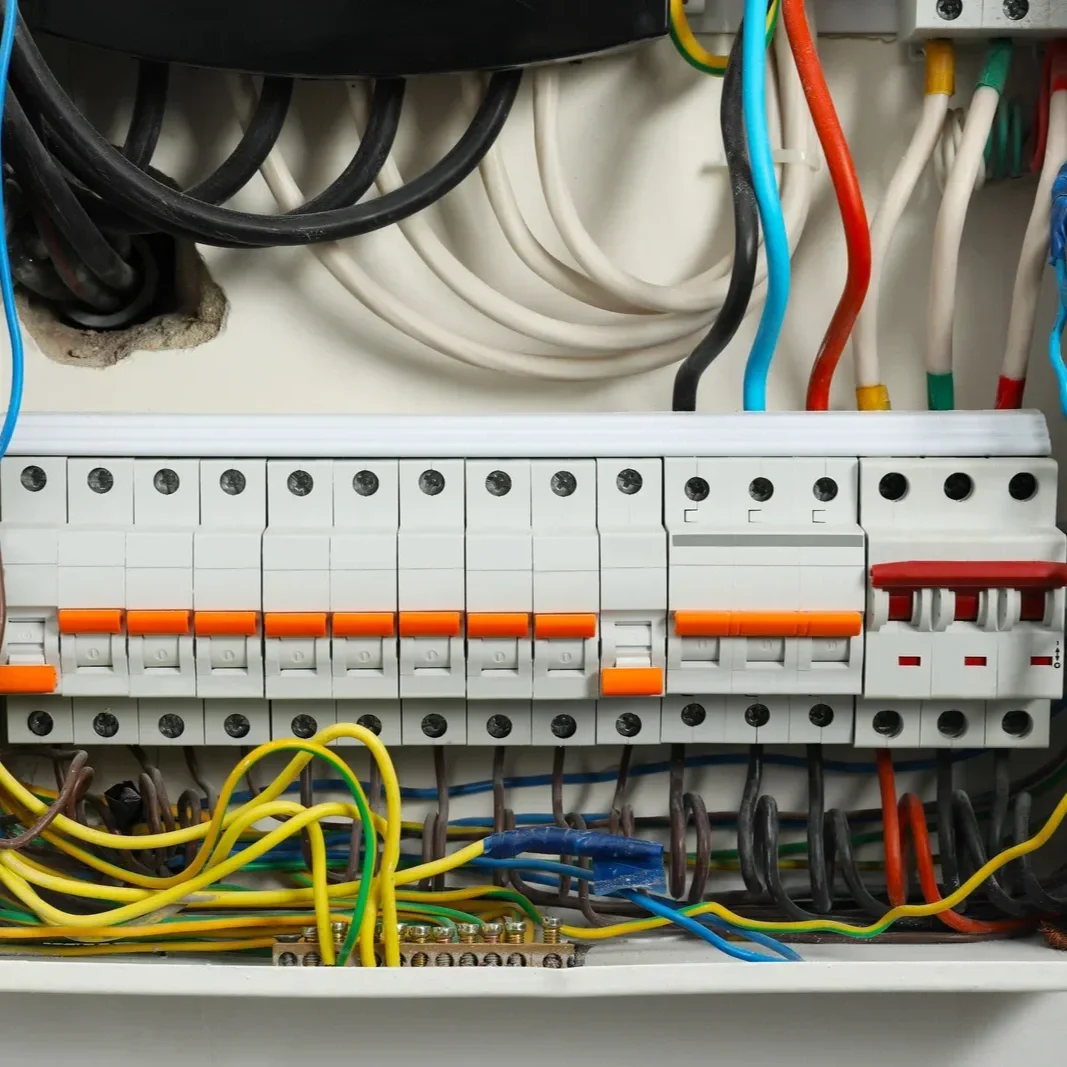
Today’s panels are safer, more organized, and able to support high-demand households, reflecting both technological improvements and the growing electrical needs of local homes.
Electrical panels serve as the central point of power distribution for every home in Virginia Beach. They take the electricity provided by the utility company and route it into branch circuits that power lighting, outlets, appliances, HVAC systems, and everything else you rely on daily. A well-functioning panel prevents overloads, handles fault conditions safely, and keeps the electrical system balanced. Over the decades, panels have evolved from fuse boxes to more advanced breaker systems with enhanced safety features, easier resets, and greater compatibility with modern appliances. Today’s panels are safer, more organized, and able to support high-demand households, reflecting both technological improvements and the growing electrical needs of local homes.
Importance of choosing the right electrical panel
Selecting the right electrical panel plays a major role in how safely and efficiently your home operates. A panel that is too small for your electrical demand may cause frequent trips, flickering lights, overloaded circuits, or even dangerous overheating. A properly sized and code-compliant panel supports today’s technology-heavy homes, from high-efficiency HVAC equipment to electric vehicles. Choosing the correct panel also affects insurance approval, home resale value, and the ability to expand your home’s electrical capacity in the future. Outdated or inappropriate panels remain one of the leading causes of electrical hazards and are often flagged during inspections.
Local codes and regulations in Virginia Beach
Virginia Beach follows the National Electrical Code along with local amendments designed to increase safety and reliability. Any new panel installation or upgrade requires permits and must pass a city inspection. These rules ensure proper grounding and bonding, approved breaker types, proper panel placement, and correct handling of AFCI and GFCI requirements. Electricians must follow strict guidelines regarding panel sizing, wiring methods, and safety clearances. Understanding and complying with these codes helps prevent costly corrections, ensures long-term system performance, and delivers peace of mind for homeowners.
Signs your electrical panel needs an upgrade
Common warning signs include frequently tripping breakers, dimming or flickering lights, warm panel covers, strange buzzing sounds, or visible corrosion. Homes with old fuse boxes or panels installed decades ago may struggle to support modern appliances, leading to inconsistent performance or safety hazards. If you notice any of these symptoms, or if you are planning renovations or adding new equipment like an EV charger or a heat pump, a panel evaluation by a licensed electrician is recommended.
Main types of electrical panels
Main breaker panels
Overview and key features
A main breaker panel is the primary control center for most Virginia Beach homes. It includes a large main breaker at the top, which can shut off power to the entire home at once. Inside, branch circuit breakers manage individual rooms or appliances. These panels include neutral and grounding bus bars, clearly organized breaker positions, and ampacity options ranging from one hundred amps to four hundred amps. They offer dependable performance for both small and large homes.
Advantages and potential drawbacks
Main breaker panels provide convenience and safety. With one switch, the entire home can be disconnected during emergencies or maintenance. They support modern loads, meet code requirements, and offer straightforward expansion when adding circuits. Potential drawbacks include higher upfront costs and limited space in older versions. When homeowners run out of breaker slots, additional upgrades or subpanels may be required.
Typical applications in Virginia Beach homes
These panels are the most common option for single-family houses, townhomes, and newly built properties. They work well with whole-home surge protectors, smart breakers, and upgraded service entrances. Main breaker panels are typically installed during major renovations, service rebuilds, or when replacing outdated fuse boxes.
Maintenance and upgrades
Routine inspections, tightening connections, and ensuring breakers operate properly all help extend a panel’s lifespan. Upgrades may involve boosting amperage capacity, adding AFCI or GFCI protection, or installing surge protection. A full replacement becomes necessary when the panel shows age, corrosion, or inadequate capacity.
Main lug panels
Definition and how they work
Main lug panels do not include a main shutoff breaker. Instead, they rely on a main disconnect located elsewhere. These panels function as secondary units fed from the main panel. Power flows through large feeder wires and is distributed through breakers in the lug panel.
Pros and cons of main lug panels
Their advantages include lower cost, flexibility, and suitability for expansion. They are excellent choices when adding circuits to garages, workshops, or accessory structures. However, the absence of a built-in main breaker requires that an accessible upstream disconnect exist. Using them as a home’s only panel may violate code unless a separate disconnect is installed.
Common locations in Virginia Beach homes
Detached garages, backyard workshops, above-garage apartments, and major additions often use main lug panels. Coastal neighborhoods with unique layouts frequently rely on these panels to extend electrical service across multi-structure properties.
Installation requirements
Installation must include proper grounding, bonding, and correct feeder sizing. The upstream disconnect must be accessible and labeled. These panels should always be installed by a licensed electrician due to complexity and code requirements.
Fuse boxes
How fuse boxes differ from modern panels
Fuse boxes contain replaceable fuses instead of resettable breakers. When a fuse blows, it physically burns through to stop the flow of electricity, requiring replacement rather than a quick reset. Fuse boxes are limited in load capacity and are not designed for today’s home electrical demands.
Identifying old fuse boxes in Virginia Beach homes
Many older neighborhoods near the oceanfront, historic districts, and older inland communities still contain homes with fuse boxes. They are often mounted in tight closets, basements, or utility rooms and include small round fuses.
Safety risks and upgrade considerations
Fuse boxes can pose fire risks due to over-fusing, outdated wiring, or degraded components. They may increase home insurance costs or trigger inspection failures during real estate transactions. Upgrading to a modern breaker panel is strongly recommended.
Steps for replacing a fuse box
A professional electrician evaluates existing wiring, chooses an appropriate breaker panel, installs a new service disconnect, transitions circuits to breakers, and arranges an inspection. The upgrade provides safer, more manageable power distribution.
Circuit breaker panels
What are standard breaker panels
Standard breaker panels are the default choice for residential applications. They offer modular breakers, simple troubleshooting, clear labeling, and compatibility with modern safety devices.
Key advantages for Virginia Beach residents
Breaker panels perform well in humid or coastal climates when properly installed. They offer reliable overload protection, easy resets, and greater support for high-demand appliances.
Layout and sizing options
Panels range from compact one-hundred-amp models to larger two-hundred-amp or four-hundred-amp units. Choosing the correct size depends on home square footage, HVAC load, kitchen appliance usage, and plans for future expansion.
Maintenance tips and upgrade paths
Routine cleaning, professional tightening, breaker testing, and inspection help prolong panel life. Upgrades may include adding AFCI or GFCI breakers or increasing panel capacity during home expansions.
Subpanels and their uses
What is a subpanel, and why add one
A subpanel extends capacity from the main panel. It supports additional rooms, garages, sheds, or home offices, distributing circuits more efficiently and reducing congestion in the main panel.
Choosing the right size and location
Subpanels must be sized according to feeder capabilities and future circuit needs. Placement must consider code clearance, moisture concerns, and convenience.
Key installation steps
Installation includes running feeders, isolating neutrals from grounds, proper breaker selection, and grounding. Subpanels must always comply with code requirements.
When to upgrade or remove a subpanel
Upgrades become necessary when the subpanel runs out of space or when newer safety technology is required. Removal happens when consolidating circuits or updating older wiring.
Specialty and high-tech panels
Smart panels for modern homes
Smart panels allow remote monitoring, breaker control, load-shifting, and real-time energy tracking. These panels are becoming more popular in tech-forward Virginia Beach households.
Surge protection panels
Surge panels protect electronics from lightning strikes and coastal storms, which are common in Virginia Beach.
Panels for solar energy integration
Solar-ready panels or add-ons manage bi-directional energy flow. With increasing interest in solar installations, homeowners often upgrade to compatible panels.
Panels with AFCI and GFCI protection
Many modern panels support built-in AFCI and GFCI protection, improving safety in areas prone to moisture or fire risk.
Upgrading and maintaining your electrical panel
When to consider an upgrade
Panels should be upgraded when demand increases, when adding major appliances, or when existing panels show signs of wear or capacity issues.
Professional vs DIY panel work
Panel installation is never recommended as a DIY project. The risks include electrocution, fire hazards, and code violations. Licensed electricians ensure proper installation, permitting, and inspection.
Cost factors in upgrading panels
Costs vary based on panel size, wiring condition, installation complexity, and labor rates. Virginia Beach averages reflect regional demand and local permitting requirements.
Maintenance checklist for homeowners
Annual checks should include inspecting for corrosion, verifying labeling, clearing obstructions, and scheduling professional inspections.
Choosing the right panel for your Virginia Beach home
Assessing household electrical needs
Homeowners should evaluate their appliance usage, HVAC load, lighting demand, and future upgrades when choosing a panel.
Evaluating panel brands and quality
Reputable brands, strong warranties, and compatibility with safety devices are important selection factors.
Safety features to look for
AFCI, GFCI, surge protection, and smart-capable designs help protect your home.
Working with licensed electricians in Virginia Beach
Hiring a local, licensed electrician ensures familiarity with Virginia Beach codes, safe installation practices, and proper permitting.
Conclusion
Electrical panels are essential to the safety, convenience, and reliability of Virginia Beach homes. From main breaker panels to fuse boxes, subpanels, smart systems, and solar-ready designs, each type serves specific purposes. Understanding the differences and recognizing when upgrades are necessary helps homeowners maintain safe, efficient electrical systems. Relying on licensed electricians and adhering to local codes ensures long-term compliance, dependable performance, and enhanced property value.
Urgent Electrical Panel FAQs Every Virginia Beach Homeowner Should Know
What are the most common electrical panels found in Virginia Beach homes?
Most homes use main breaker panels or standard circuit breaker panels, though older properties may still have fuse boxes or main lug subpanels.
How often should electrical panels be inspected or replaced?
Panels should be inspected every few years and replaced when outdated, damaged, or too small for modern electrical loads.
What are the main risks of using outdated fuse boxes?
Fuse boxes may overheat, fail to support modern appliances, and pose insurance challenges due to their higher fire risk.
Can I upgrade my electrical panel by myself, or should I hire a professional?
Only licensed professionals should upgrade electrical panels due to code requirements, safety risks, and the need for permits and inspections.