
Top 7 Electrical Panel Brands for Homeowners in 2025
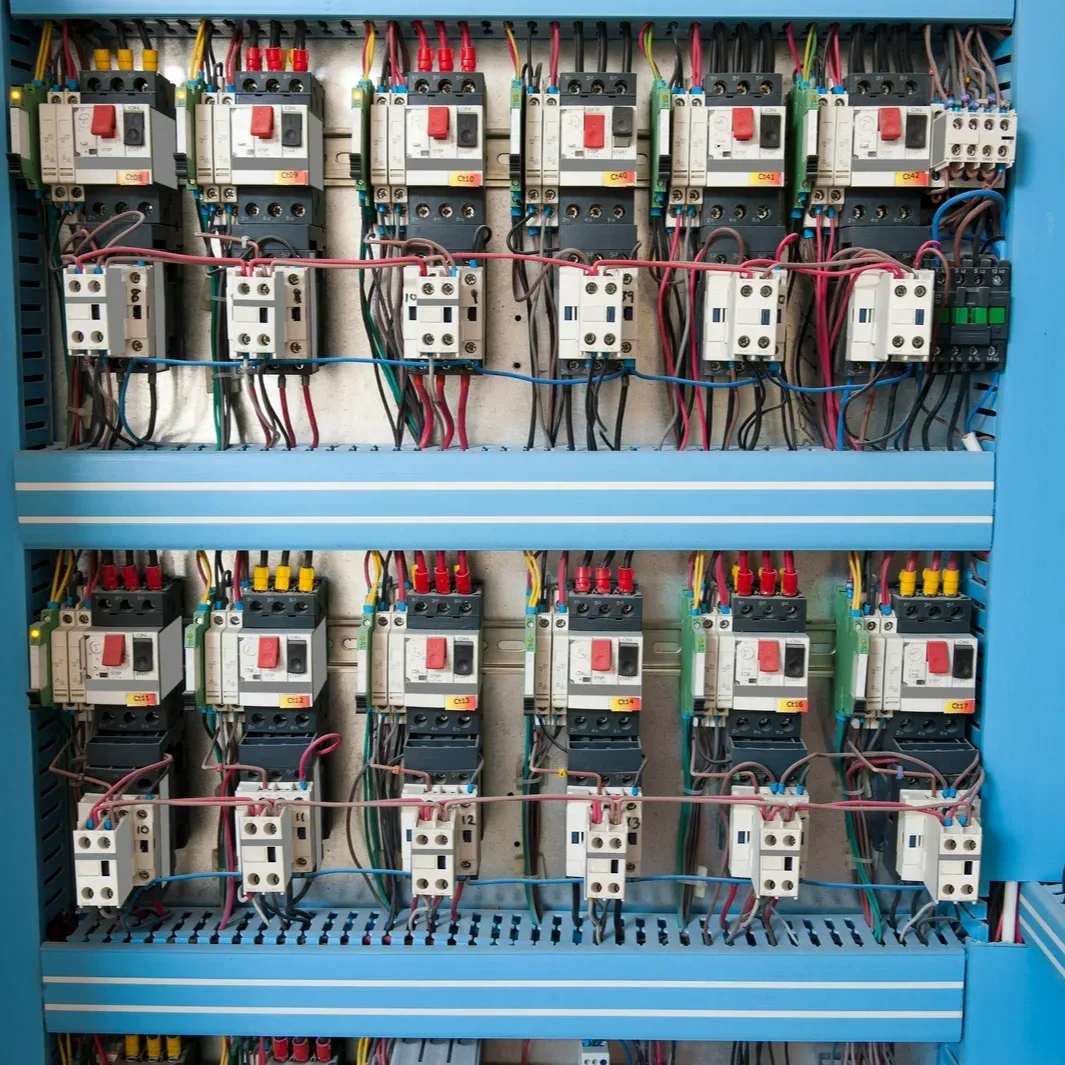
Homeowners benefit immensely from investing in a modern, reputable brand that meets or exceeds today’s safety standards and supports tomorrow’s technology.
A dependable electrical panel forms the backbone of a safe and efficient home. It governs how electricity moves throughout the property, protects circuits from overload, and helps preserve the lifespan of wires, outlets, and appliances. Selecting the right panel is more than a convenience decision. It shapes how well your electrical system handles modern loads, how protected you are from fire hazards, and how reliably your home functions over the years. A high-quality panel reduces maintenance needs, improves energy management, and gives homeowners peace of mind knowing their electrical infrastructure is backed by proven engineering.
Poor-quality or outdated panels come with a long list of risks. These may include overheating, nuisance tripping, damaged appliances, or even fire events linked to inferior breakers or worn internal components. Homeowners benefit immensely from investing in a modern, reputable brand that meets or exceeds today’s safety standards and supports tomorrow’s technology.
Key considerations for homeowners
When shopping for electrical panels, homeowners should consider compatibility with the existing electrical setup and whether the panel’s load capacity meets current and anticipated needs. Installation ease, panel layout, and overall cost also matter, especially during remodels or service upgrades. Beyond capacity and price, homeowners should evaluate safety certifications, warranty terms, and the ability to integrate advanced features such as smart monitoring or renewable-energy systems.
Consulting a licensed electrician is essential. These professionals confirm correct sizing, verify code compliance, and install panels according to local regulations, ensuring the system performs safely and efficiently.
Overview of top electrical panel brands
Criteria for selection
This list is based on several factors measured throughout 2024, including reliability, customer satisfaction, innovation, safety performance, and long-term durability. Consideration also includes how well each brand supports homeowners through customer service, availability of replacement parts, and compatibility with modern electrical expectations. Brands with strong professional endorsements and consistently positive industry reviews rank highest.
Brand comparison table
A useful comparison includes warranty terms, available panel sizes, cost range, safety and smart features, and load capacities offered by each manufacturer. This allows homeowners to evaluate which brands balance innovation and affordability while meeting the specific needs of their property.
Square D by Schneider Electric
History and reputation
Square D has served as a widely respected name in residential and commercial electrical systems for more than a century. After joining Schneider Electric, the brand expanded its reach globally and continued to refine its products. Its enduring presence and reliable performance make Square D a trusted recommendation among electricians, especially for residential upgrades and new installations.
Key features of Square D panels
Square D panels are known for sturdy construction, intuitive layouts, and advanced circuit protection technology. Many models offer compatibility with smart home systems and expansion options that make future upgrades simple. Their energy-efficient designs and high-precision breakers help prevent overheating and maintain consistent performance.
Pros and cons for homeowners
Homeowners appreciate Square D panels for their durability, strong safety record, and ease of installation. They are user-friendly and have clear labeling, which supports quick troubleshooting. The primary drawback is cost, as Square D typically sits at a higher price point. For those on tight budgets, another brand may feel more accessible.
Popular models in 2024
Common choices include the QO and Homeline series. The QO line is known for premium performance and sensitive trip technology, while Homeline panels offer a more budget-friendly option without sacrificing safety. Both series perform well in residential settings and support a wide range of breaker types.
Siemens
History and industry presence
Siemens remains one of the most recognized names in global engineering, known for precision and innovation. Their electrical panels have earned a strong reputation for safety, automation compatibility, and adaptability to modern household equipment. Siemens consistently develops new technologies aimed at improving electrical reliability and simplifying maintenance.
Key features of Siemens panels
Signature features include modular internal designs, flexible installation, and compatibility with renewable-energy systems. Siemens panels often support whole-home surge protection and include breaker options that match specific circuit needs. Recent smart panel developments offer improved load tracking and software updates.
Pros and cons for homeowners
Homeowners value Siemens for strength, affordability, and broad availability. Panels handle heavy electrical loads well and work seamlessly with many smart systems. The primary drawback is mixed compatibility in older homes, where certain panels may require retrofitting.
Popular models in 2024
Popular Siemens models include the SN and PN series. These panels provide clear layouts, support advanced breakers, and offer ample room for expansions. New releases focus on improved surge protection and simplified installation for upgrades.
Eaton
Brand background
Eaton has grown steadily as a leader in electrical distribution equipment. The brand’s attention to quality and engineering excellence makes its products common in both residential and commercial work. Eaton’s focus on safety certifications and rigorous testing contributes to its strong industry reputation.
Salient panel features
Eaton panels include advanced arc flash protection, durable enclosures, and high-quality internal components. Their panels often feature flexible configurations for different home sizes and layouts. Eaton’s enhanced compatibility with smart devices and energy management systems is another advantage for forward-thinking homeowners.
Pros and cons for homeowners
Strengths include high reliability, safety-focused engineering, and cost-effective pricing. Downsides may include occasional stock limitations in certain regions or fewer niche configurations compared to larger global brands.
Popular Eaton models in 2024
The BR and CH series remain homeowner favorites. Both lines offer strong build quality and customizable breaker selections. The CH series is especially valued for its secure breaker connection and extended warranty features.
Leviton
Innovation and market approach
Leviton has moved to the forefront of smart electrical technology, focusing heavily on design and consumer experience. Their panels incorporate modern aesthetics, real-time monitoring, and enhanced safety features. Homeowners who like modern interfaces and tech-supported maintenance find Leviton appealing.
Smart features and technology
Leviton models offer app-based access to circuit activity, load analytics, notifications about tripped breakers, and remote monitoring options. Panels include smart breakers designed for seamless integration with home automation systems. This smart support improves energy efficiency and early fault detection.
Pros and cons for homeowners
The primary advantages include user-friendly interfaces, advanced technology, and sleek designs. Drawbacks include higher initial costs and potential learning curves for homeowners new to smart electrical systems.
Leading Leviton models in 2024
The Leviton Load Center lineup remains highly popular. These models stand out due to their intuitive labeling, smart breaker compatibility, and enrollment in energy tracking systems suitable for tech-savvy households.
General Electric (GE)
Brand legacy and recognition
GE produces a diverse range of electrical equipment and maintains a strong identity in home improvement markets. Their panels often appeal to homeowners due to GE’s long history of dependable customer service and nationwide availability.
Technological features in GE panels
GE panels include modular breakers, stable internal designs, and durable materials. Newer models incorporate energy monitoring tools and enhanced safety mechanisms aimed at reducing overloads and overheating in high-demand homes.
Pros and cons for homeowners
Advantages include wide distribution, reliable component supply, and straightforward integration into existing systems. The main cons relate to fewer advanced features compared to newer smart panel competitors and more traditional layouts.
Popular GE models in 2024
The PowerMark series is among the most popular, offering solid performance and flexibility in residential installations. These panels suit homeowners who want dependable, cost-effective options without complex features.
ABB
Brand background and global impact
ABB operates worldwide in power and automation sectors and is recognized for advanced engineering. Their panels integrate industrial-grade technology into residential systems, ensuring rugged durability and excellent safety standards.
Key features of ABB panels
Features include modular mounting systems, energy-efficient internal components, and strong support for solar and renewable systems. ABB’s emphasis on sustainability appeals to environmentally conscious homeowners.
Pros and cons for homeowners
ABB panels excel in longevity and high-demand environments. The main drawbacks include higher costs and the need for trained electricians familiar with ABB installations.
Notable ABB panel models in 2024
ABB’s Pro series continues to attract attention with improved digital integration and enhanced protective devices. These panels are especially suited for new builds and luxury renovations.
Murray (Siemens)
Brand integration with Siemens
Murray panels fall under Siemens in today’s market, and the transition has created a smooth compatibility path for homeowners with existing Murray infrastructure. Many Murray products now mirror Siemens engineering standards.
Panel features and benefits
Murray panels are known for compact designs, straightforward layouts, and compatibility with pre-existing circuits in older homes. They often serve as cost-effective upgrade options.
Pros and cons for homeowners
Benefits include affordability and ease of installation. Potential challenges involve limited long-term product availability since Murray is transitioning fully under the Siemens umbrella.
Top Murray panel models in 2024
Homeowners tend to choose the LC and MP series for basic upgrades. These models offer solid performance and economical pricing, making them attractive for older properties undergoing partial modernization.
Factors to consider before buying
Load requirements and future expansion
Properly sizing the panel ensures efficient operation and prevents overloads. Homeowners should review appliance loads, upcoming renovations, or plans for EV chargers to determine the right ampacity. Building for future expansion prevents upgrading again too soon.
Safety certifications and codes
Panels should always meet UL listing requirements, NEC standards, and local building codes. These certifications ensure components have passed rigorous testing and are approved for residential use.
Warranty and support options
Warranty length varies by brand, often ranging from several years to lifetime coverage for certain components. Homeowners should check what is included and whether local support or authorized technicians are available.
Compatibility and ease of installation
Panels should match existing electrical infrastructure unless the homeowner plans a full-service upgrade. Easy-install designs reduce labor costs and simplify future maintenance.
How to choose the best electrical panel brand
Assessing budget vs features
Homeowners should weigh long-term value against upfront cost. Investing in a more advanced panel today may reduce maintenance expenses and improve energy performance over time.
Consulting with a licensed electrician
Professional advice ensures proper sizing, correct installation, and code compliance. Electricians also provide insights on the best brand based on home layout and electrical demand.
Evaluating product availability and dealer support
Local availability affects repair times and access to replacement breakers. Working with reputable suppliers helps avoid counterfeit or incompatible products.
User reviews and long-term satisfaction
Independent reviews offer insight into reliability, customer service, and real-world performance. Checking multiple sources provides a clearer understanding of long-term satisfaction.
Maintenance and safety tips
Routine inspection and preventive care
Panels should be inspected regularly for signs of wear, loose connections, or corrosion. Breakers should be tested, and the area kept clear of moisture and clutter.
Signs of trouble and when to upgrade
Recurring breaker trips, warm panel surfaces, or visible rust often indicate end-of-life conditions. Upgrades should not be delayed, as they directly affect home safety.
Keeping your home safe
Proper circuit labeling, accessible panel placement, and clean surroundings help maintain a safe environment. Emergency shutoff knowledge can make a major difference during serious electrical events.
Conclusion
Choosing a reputable electrical panel brand supports a safer, more efficient home. Each top brand in this guide offers a distinct advantage, whether it is smart-home compatibility, reliability, affordability, or advanced safety technology. By understanding the features, strengths, and potential limitations of each, homeowners can make informed decisions that enhance overall electrical performance and long-term value. Professional consultation, adherence to code, and regular maintenance all contribute to a secure, future-ready electrical system.
Urgent Electrical Panel Upgrade & Replacement FAQs for Homeowners
What is the lifespan of a typical residential electrical panel?
Most electrical panels last between twenty-five and forty years, depending on load, maintenance, and environmental conditions.
Can I replace my home’s electrical panel myself, or do I need a licensed electrician?
Panel replacement requires a licensed electrician due to safety risks, code requirements, and the need for proper permits and inspections.
How do I know if I need to upgrade my current electrical panel?
Frequent trips, overheating, added electrical demand, or outdated panel types are common indicators that an upgrade is needed.
Are smart electrical panels worth the investment for homeowners?
Yes, especially for households using significant electricity or planning future expansions. Smart panels improve monitoring, energy efficiency, and troubleshooting accuracy.