
Electrical Panel Problems: Early Warning Signs Residents Shouldn’t Ignore
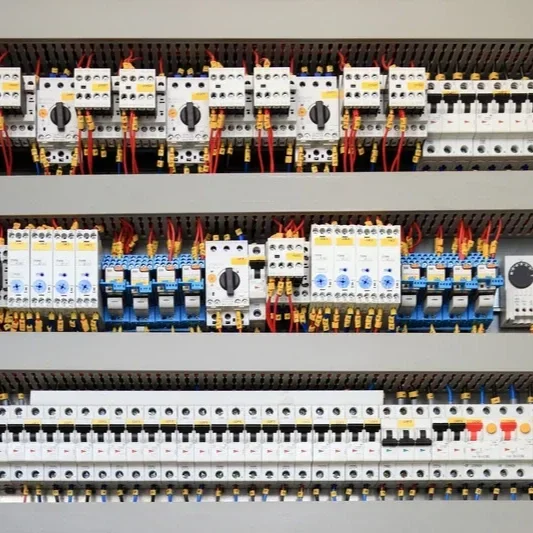
Knowing how a panel works and recognizing early trouble gives homeowners a real advantage when it comes to protecting their homes and families.
Every home depends on a steady, reliable flow of electricity to keep daily life running—from lights and appliances to heating, cooling, and everything in between. The electrical panel sits right at the center of that system, quietly managing power behind the scenes. Most people never think about it until something behaves strangely. When a panel begins to fail, the warning signs usually come one at a time. Little changes pop up first, offering a chance to fix the problem before it grows into a major safety concern. Knowing how a panel works and recognizing early trouble gives homeowners a real advantage when it comes to protecting their homes and families.
What is an electrical panel?
Overview and purpose
The electrical panel serves as the home’s main distribution point for incoming electricity. Power from the utility company enters through this box and is divided into circuits that run everything from outlets to large appliances. Inside are breakers, fuses, and bus bars that guide and control the flow of electricity so nothing gets overloaded. In simple terms, the panel keeps the electrical system organized and safe. Without it, the home would be vulnerable to outages, overheating, and dangerous surges.
Location and accessibility
Panels are typically found in basements, garages, utility spaces, or mounted on exterior walls, depending on the age of the home and local building conventions. Wherever the panel is located, it needs to remain easy to reach. Clear access is crucial during emergencies when power must be shut off quickly. It also helps electricians perform inspections without moving boxes, tools, or storage items. Keeping the area around the panel uncluttered prevents delays and reduces hazards.
Importance of maintenance
Like anything mechanical, an electrical panel benefits from routine maintenance. Dust buildup, loose screws, corrosion, and aging parts often go unnoticed until a problem develops. A neglected panel can overheat, deliver inconsistent power, or become less energy efficient. Regular professional inspections help catch small issues early, preventing costly repairs and reducing the chance of dangerous failures later on.
Signs of a faulty electrical panel
Panels that are beginning to fail often give themselves away. Lights might flicker, breakers may trip frequently, or strange odors and sounds might come from the panel area. Sometimes the panel feels warm to the touch. Noticing these symptoms early allows homeowners to schedule repairs before the situation turns more serious.
Common causes of electrical panel problems
Age and wear
Panels age like any other part of the home. Older units may contain outdated technology and components that can no longer keep up with modern electrical demands. Over time, wiring becomes brittle, connections corrode, and breakers lose their responsiveness. Once a panel reaches a few decades of service, routine evaluations become increasingly important.
Overloaded circuits
Modern homes use far more electricity than those built a generation ago. Smart devices, entertainment systems, and large appliances all pull significant power. When too many devices draw from the same circuit, breakers trip repeatedly. These overloads place stress on the panel and can eventually damage internal components. Paying attention to how often certain breakers trip helps identify overloads early.
Poor installation practices
Panels that weren’t installed by licensed professionals often reveal problems later on. Miswired circuits, loose breakers, or wires that are too small for the load create unsafe conditions. These shortcuts may not cause immediate problems, but over time, they contribute to overheating, arcing, and premature failure. Professional installation ensures the panel meets code requirements and functions safely.
Environmental factors
Humidity, pests, and dust can all affect panel performance. Moisture causes corrosion, while rodents may chew through insulation and wiring. Dust accumulation restricts airflow and raises operating temperatures. Sealing leaks, keeping the panel area clean, and monitoring for pest activity help extend the panel’s lifespan.
Early warning signs you shouldn’t ignore
Circuit breakers frequently trip
Breakers trip to protect the system from overheating or short circuits. Occasional tripping is nothing unusual, but constant tripping points to trouble—possibly damaged wiring, overloaded circuits, or failing breakers. If a breaker refuses to stay reset, an electrician should evaluate it right away.
Flickering or dimming lights
Lights that flicker or dim without an obvious reason sometimes indicate panel trouble. These fluctuations may occur when appliances turn on or may happen randomly throughout the day. Noting where and when the flickering occurs helps electricians diagnose voltage stability issues, loose connections, or panel overload.
Burning smell or visible scorch marks
Any burning smell near the panel is a serious warning. Scorch marks, melted plastic, or discoloration around breakers suggest overheating or arcing inside the panel. These situations require immediate professional attention, as they can quickly escalate into electrical fires.
Warmth or heat around the panel
A properly functioning panel should not feel warm. Heat indicates stress. It may result from overloaded circuits, failing components, or limited ventilation. Homeowners should gently check the area around the panel—not the inside—and call an electrician if warmth is noticeable.
Unusual noises from the panel
Buzzing, crackling, or popping sounds
A healthy panel runs quietly. If buzzing, crackling, or popping is heard, loose wires or overloaded circuits may be to blame. More aggressive noises, such as sharp popping, often point to active arcing, which is extremely dangerous. Homeowners should never open the panel while investigating such sounds.
When noises are normal vs abnormal
A faint hum may occur occasionally, especially when appliances draw high power. Loud, repetitive, or irregular noises are not normal. These usually signal deeper issues that need immediate attention.
Risks of ignoring sounds
Ignoring unusual sounds can lead to overheating, damaged wiring, and even electrical fires. What starts as a small noise often grows into a major hazard over time.
How electricians diagnose sounds
Professionals use thermal imaging, circuit testing tools, and voltage meters to trace the source of strange noises. They check connections, assess breaker condition, and evaluate load distribution to identify the underlying problem.
Signs of electrical panel overheating
Detecting overheating early
Homeowners can safely check for exterior warmth by placing a hand near the panel’s cover. An infrared thermometer offers an even clearer reading. Spotting rising temperatures early prevents severe damage.
Main causes of overheating
Overheating usually stems from overloaded circuits, loose or worn components, and poor electrical connections. When resistance builds up in failing parts, heat spreads throughout the panel, eventually degrading insulation.
Dangers of ignoring overheating
Ignoring a hot panel increases the risk of fire. Heat breaks down wiring insulation, weakens breakers, and ignites nearby materials more easily.
Immediate actions to take
If overheating is detected, the safest step is to shut off the main power and call a licensed electrician. No one should touch the internal components or attempt to cool the panel manually.
Visual indicators of panel trouble
Discoloration or rust
Rust and discoloration usually mean moisture is entering the panel. This often indicates leaks or condensation issues. Corrosion compromises metal components and increases resistance, making electrical problems more likely.
Loose wires or components
Loose wiring causes unstable electrical flow, which leads to arcing and heat buildup. Homeowners should never touch internal wiring, but can alert electricians if anything looks out of place.
Frayed or exposed wires
Damaged insulation exposes conductive material, posing shock and fire hazards. This problem often appears in older or pest-affected panels.
Outdated labels and missing covers
Missing labels make it difficult to identify circuits, slowing response times during emergencies. Missing covers expose live components and violate safety standards. Both issues are simple for electricians to correct, but should not be ignored.
Circuit breaker issues that signal panel problems
Breakers that won’t stay reset
When a breaker trips and refuses to remain on, there is usually a more serious electrical fault at play. The culprit may be the circuit, the breaker itself, or the panel’s bus bar.
Multiple breakers tripping simultaneously
If several breakers trip at once, the issue may involve the main panel rather than individual circuits. This situation should be investigated immediately.
Breakers feel loose or do not lock in
A breaker that doesn’t seat firmly can arc against the bus bar, creating heat and damage. These breakers must be replaced by a professional.
Breakers sparking or showing damage
Visible damage—such as cracks, scorch marks, or sparking—signals active failure. These conditions present immediate danger and should be handled urgently.
Impact of electrical panel problems on household safety
Fire hazards
Failing panels are responsible for many residential electrical fires. Overheating, stray sparks, and failing wires create conditions where fires can ignite quickly.
Power outages
Unstable panels often cause blackouts or power drops, especially during high-demand periods. These outages interrupt daily routines and can damage sensitive appliances.
Damage to appliances
Unsteady voltage harms electronics, shortening the lifespan of refrigerators, computers, televisions, and smart devices.
Risk of electrical shock
Faulty wiring or exposed conductors increases the risk of electrical shock during everyday activities.
When to call a professional electrician
DIY limitations and legal requirements
Homeowners can visually inspect their panels but should not attempt repairs. Electrical panels contain dangerous voltage and must be serviced by licensed professionals due to legal and safety requirements.
How to choose the right electrician
Look for licensed, insured electricians with solid experience and customer reviews. Electrical panel work requires skill and attention to detail.
What to expect during an inspection
Electricians check breaker function, grounding, load capacity, wiring condition, and overall safety. Afterward, they explain whether repairs, upgrades, or replacements are necessary.
Costs involved in panel repairs or upgrades
Costs depend on the panel’s age, damage level, required permits, and the nature of needed upgrades. Smaller repairs cost less than full replacements.
Preventive measures and maintenance tips
Routine visual inspections
Homeowners can check monthly for discoloration, rust, warm spots, or odd smells around the panel.
Load management and upgrading panels
Learning how much power a home uses helps prevent overloads. Homes with high electrical demand often require panel upgrades.
Environmental controls
Keep the panel area dry and clean, avoid stacking items nearby, and protect the space from pests.
Annual professional maintenance
Yearly inspections catch small issues before they become expensive repairs and help prolong panel life.
Upgrading old or unsafe panels
Signs your panel needs replacement
Recalled models, corroded parts, limited breaker space, and frequent tripping often indicate the need for a replacement.
Benefits of modern electrical panels
Modern panels improve safety and efficiency and support today’s smart-home technology and renewable-energy systems.
Upgrade process overview
Electricians inspect the current panel, schedule installation, shut off power, replace the panel, and handle final code approval.
Costs and incentives for upgrades
Upgrading may qualify homeowners for insurance discounts or utility rebates.
Legal and insurance implications
Home insurance requirements
Insurance companies often require safe, up-to-date electrical panels. Outdated systems may affect coverage options.
Building codes and compliance
Panel upgrades must comply with local safety codes. Non-compliant systems can lead to penalties or complications during home sales.
Selling or remodeling your home
A safe, modern electrical panel increases property value and speeds up real estate transactions.
Documentation and record keeping
Keeping records of upgrades helps with insurance claims, inspections, and resale disclosures.
Conclusion
Recognizing early warning signs of electrical panel failure helps homeowners take action long before small problems turn into dangerous situations. Flickering lights, repeated breaker trips, unusual smells, warm panels, and visible damage all deserve immediate attention. Timely maintenance and professional inspections protect both the home and its occupants. With proactive care, residents can keep their electrical systems running safely and reliably for years.
Urgent Electrical Panel Concerns Every Homeowner Should Know
What are the most common electrical panel issues in older homes?
Older homes often have outdated panels, limited capacity, corrosion, and aging wiring that no longer meet modern electrical needs.
Does homeowners insurance cover electrical panel repairs or replacements?
Coverage varies. Many policies help if damage occurs due to a covered event, but not from ordinary wear and tear.
How often should I have my electrical panel professionally inspected?
Every three to five years is typical, though older systems or high-demand households benefit from annual inspections.
Can I upgrade my electrical panel myself, or do I need a licensed electrician?
A licensed electrician is absolutely required. Panel upgrades involve high voltage and must meet strict code and insurance standards.
Castles Electrical offers electrical panel installation, electrical panel replacement, whole home rewiring, new construction wiring, generator installation, and backup power solutions to home and business owners in the Virginia Beach area. As a family-owned business, safety and quality are our top priorities. Call today to schedule an appointment.