
Top Signs Your Home Needs an Electrical Panel Replacement in Virginia Beach
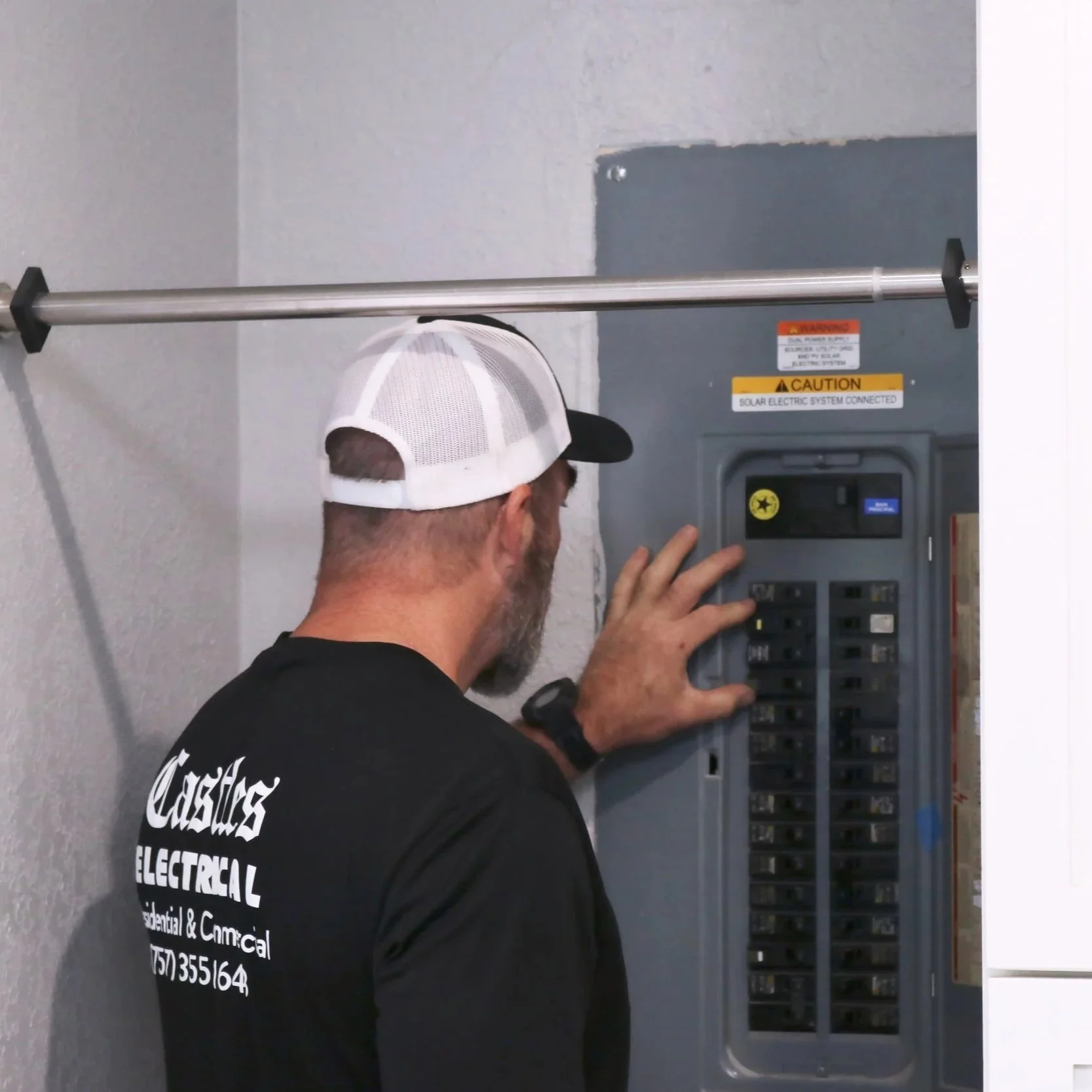
Understanding why panels matter and how they operate makes identifying the warning signs much easier.
A reliable electrical system plays a huge role in keeping a Virginia Beach home safe and functional. The coastal humidity, shifting temperatures, and heavy use of modern appliances all place added pressure on wiring and equipment. At the center of it all sits the electrical panel, which directs incoming power to lights, outlets, HVAC systems, and every plugged-in device. When the panel begins aging or struggling, the early clues may seem minor, but those small hints often lead to bigger dangers if ignored. Spotting trouble before it escalates helps prevent fire hazards, outages, and damage to the home. Understanding why panels matter and how they operate makes identifying the warning signs much easier.
What is an electrical panel, and why is it important?
Understanding electrical panels
An electrical panel is essentially a metal cabinet filled with breakers, bus bars, grounding points, and internal wiring that guides electricity throughout the home. Power coming from the utility company enters the panel and then branches out through dedicated circuits. When everything is in good shape, the breakers respond instantly to irregular power flow by shutting off before a dangerous overload occurs. Because the panel supports every device and fixture in the home, its condition directly impacts safety. Routine inspections and maintenance help confirm that wiring is snug, breakers still function correctly, and the internal components remain clean and undamaged.
Importance of panel safety
A safe electrical panel plays a major role in household protection. Worn or unreliable components increase the chances of overheating, short circuits, and electrical fires. Many older models do not include today’s improved breaker technology, which is designed to detect faults more accurately. Some outdated panels are known for unusually high failure rates, leaving homeowners at risk without realizing it. Keeping the panel updated helps lower those risks and protects the entire property.
Current electrical codes in Virginia Beach
Virginia Beach enforces statewide codes based on the National Electrical Code, along with a few additional rules related to the coastal environment. These regulations dictate minimum panel sizes, approved breaker types, grounding methods, and other installation requirements. Any panel replacement must meet these updated standards, which change periodically as safety research advances. Local inspectors verify that a new panel is grounded properly, bonded correctly, and configured according to code before final approval.
Compliance and home value
A compliant electrical panel benefits homeowners financially. During real estate transactions, inspectors evaluate electrical safety carefully. An outdated or damaged panel can discourage buyers or reduce offers. Keeping the panel up to current standards helps retain home value and reassures future owners that the system is safe and reliable.
Warning signals: when to suspect panel problems
Frequently tripped circuit breakers
Breakers that trip repeatedly often indicate more than simple overload. While a single trip may be normal, frequent issues point to deeper problems such as worn breakers, loose wiring inside the panel, or insufficient overall capacity. A licensed electrician can identify whether the problem is limited to one circuit or if the entire panel is struggling.
Flickering or dimming lights
Lights that flicker or dim whenever appliances start up are often responding to voltage fluctuations. These changes may occur when the panel can no longer regulate power consistently. Tracking where and when the flickering happens helps an electrician determine whether the issue lies within the panel or in the home’s branch wiring.
Unusual sounds or smells
Any buzzing, sizzling, or crackling coming from the panel is cause for immediate concern. These sounds suggest loose wiring or arcing, both of which can lead to fire. Burning smells or melting odors indicate that internal components are overheating. These warning signs require prompt professional attention.
Panel feels warm or hot
An electrical panel should not give off heat. Warmth usually means circuits are overloaded or internal components are failing. Homeowners should avoid opening the panel and instead let an electrician examine it. Excess heat accelerates wear and increases the risk of failure.
Outdated electrical panel brands in Virginia Beach homes
Known hazardous brands
Certain older panel brands, including Federal Pacific and Zinsco, have long been associated with safety concerns. Their breakers have a history of failing to trip when needed, which greatly increases fire risk. Many older Virginia Beach homes still contain these models, making replacement strongly advisable.
Panels older than twenty-five to forty years
Age has a significant impact on panel performance. Over decades, metal components weaken, insulation deteriorates, and breakers lose sensitivity. Even if the panel appears intact, an electrician should check panels older than twenty-five to forty years because age alone can compromise safety.
Discontinued panel models
Some panels that were widely installed decades ago are no longer supported by manufacturers. When parts are unavailable, repairs become difficult or impossible. Lack of support also usually means the panel predates modern safety improvements.
Manufacturer recalls and notices
A number of older panels and breaker types have been recalled due to documented hazards. Electricians familiar with Virginia Beach housing trends typically know which models fall into this category and recommend replacement to prevent future issues.
Electrical capacity issues and modern demands
Increased power needs for modern living
Homes today use far more electricity than in previous generations. High-efficiency HVAC units, entertainment systems, large appliances, and multiple personal devices all demand steady power. Older panels often cannot keep up, placing strain on circuits.
Signs of overloaded panels
Breakers that trip repeatedly, overheated components, and scorch marks inside the panel may indicate an overloaded system. Even if the lights stay on, long-term overload reduces the lifespan of wiring and equipment.
Importance of panel upgrades in older homes
Many older Virginia Beach properties were built with panels designed for much lower electrical usage. Upgrading helps support modern demands without stressing the wiring and reduces the chance of unsafe electrical conditions.
Effects on home efficiency and safety
A panel that cannot meet electrical demand creates voltage instability. Problems such as flickering lights, warming wires, and higher utility bills often follow. A properly sized panel distributes power more consistently and reduces unnecessary energy loss.
Physical signs of damage or deterioration
Rust and corrosion
Coastal humidity makes corrosion a common issue. Rust on or inside the panel suggests moisture intrusion, which can weaken wiring and metal connections. Once corrosion spreads, replacement is often the safest choice.
Melted or burnt components
Scorched wiring, melted insulation, or blackened areas inside the panel indicate that overheating or arcing has already occurred. These signs mean the system is unsafe and requires immediate evaluation.
Loose or sparking wires
Loose wiring can create intermittent arcing, which generates heat and increases fire risk. Any visible sparks or snapping sounds call for urgent professional intervention.
Cracked or broken panel covers
A damaged cover exposes sensitive components and allows dust or moisture to enter. This compromises safety and must be corrected quickly.
Signs of improper or outdated electrical work
Double lugging and overcrowded breakers
Double lugging occurs when two wires are attached to a breaker meant for only one. Overcrowded breakers also indicate past shortcuts or expansion attempts without proper upgrades. Both practices raise the risk of overheating.
Use of fuses instead of breakers
Fuse panels are considered outdated because they lack the safety features of modern breakers. Fuses can be replaced incorrectly, creating additional hazards.
Unlicensed or DIY electrical additions
Improper wiring methods leave behind mismatched wires, unsecured connections, or incorrect breaker sizes. Electricians often uncover these issues during inspections.
Unlabeled or poorly labeled breakers
Clear labeling is vital for safe troubleshooting and maintenance. Missing or incorrect labels create confusion and slow down emergency responses.
Safety risks and hazards of a faulty panel
Increased fire hazard
Aging panels contribute to many residential electrical fires. Loose wiring, overloaded circuits, and failing breakers generate heat that can quickly ignite surrounding materials.
Risk of electrical shock
Damaged or outdated panels may expose live components or allow erratic electrical flow, increasing the chance of shock.
Potential for power failure or blackouts
A failing panel often causes power to drop in certain areas of the home. During storms, these weaknesses become even more apparent.
Surge protection concerns
Modern panels frequently include surge protection options. Older systems without this feature leave electronics vulnerable during storms or sudden voltage changes.
When to call a professional electrician
Initial assessment and inspection
At the first sign of trouble, a professional inspection helps identify what’s happening inside the panel. Electricians document their findings and determine whether repair or replacement is the safest option.
Understanding estimates and the scope of work
A detailed estimate outlines labor, materials, grounding improvements, breaker replacement, and permit costs. Comparing estimates helps homeowners make informed decisions.
Permitting and local regulations
Panel replacements in Virginia Beach require permits. Electricians handle the paperwork, schedule inspections, and confirm that new installations meet all codes.
Importance of qualified electricians
Licensed electricians follow strict safety procedures and carry insurance, giving homeowners protection and peace of mind. Professional work also includes warranties.
How to prepare for an electrical panel replacement
What homeowners need to do ahead of time
Preparing the area around the panel, unplugging delicate electronics, and discussing electrical needs with the contractor help the project run smoothly.
Temporary power loss planning
Since panel replacement requires shutting off power, planning ahead for refrigeration, lighting, and essential devices minimizes disruption.
Communicating with your electrician
Clear communication helps both sides understand expectations, timelines, and material choices.
Post replacement inspections
After installation, a final inspection ensures the panel meets code. Homeowners can review labeling and workmanship before signing off.
Benefits of upgrading your electrical panel
Increased home safety
A modern panel reduces fire risk, improves grounding, and supports safer power flow throughout the home.
Supporting smart home upgrades
Smart devices, EV chargers, upgraded HVAC systems, and other modern features require stable electrical capacity. A new panel ensures room for growth.
Improving home value and insurance rates
Some insurance companies offer lower premiums for homes with updated electrical systems. Appraisers also consider panel condition when evaluating property value.
Enhancing system reliability
A properly sized and updated panel offers more stable voltage, fewer outages, and smoother appliance performance.
Understanding costs and financing options
Typical cost range in Virginia Beach
Pricing varies by panel size, installation site, local code requirements, and materials. Coastal conditions and older wiring may affect the total cost.
Factors that affect pricing
Amperage needs, breaker type, accessibility, and additional upgrades all play a role in the final price.
Insurance and utility rebates
Certain insurance policies or utility programs may offer assistance when upgrading outdated electrical equipment.
Financing and payment plans
Many electrical companies provide financing or payment plans to help homeowners complete essential safety improvements.
Electrical Panel Safety Questions You Shouldn’t Ignore
How do I know if my electrical panel is outdated?
Frequent breaker trips, corrosion, overheating, flickering lights, or outdated brands often signal that the panel may need replacement. Age is also a strong indicator.
Can I replace my electrical panel myself?
No. Panel replacement involves high voltage exposure, permits, and strict code requirements. Only licensed professionals should perform this work.
How long does it take to replace an electrical panel?
Most replacements take several hours to a full day, depending on the home’s wiring and the complexity of the installation.
A dependable electrical panel supports every part of everyday life in Virginia Beach. Early signs such as breaker trips, flickering lights, burning odors, or outdated components should never go unchecked. Timely upgrades improve safety, increase reliability, and prepare the home for growing electrical needs. Working with a qualified electrician helps ensure long-lasting protection and confidence in the home’s electrical system.
Castles Electrical offers electrical panel installation, electrical panel replacement, whole home rewiring, new construction wiring, generator installation, and backup power solutions to home and business owners in the Virginia Beach area. As a family-owned business, safety and quality are our top priorities. Call today to schedule an appointment.