
Volt Warriors: Upgrading Panels for Your Future Electric Car
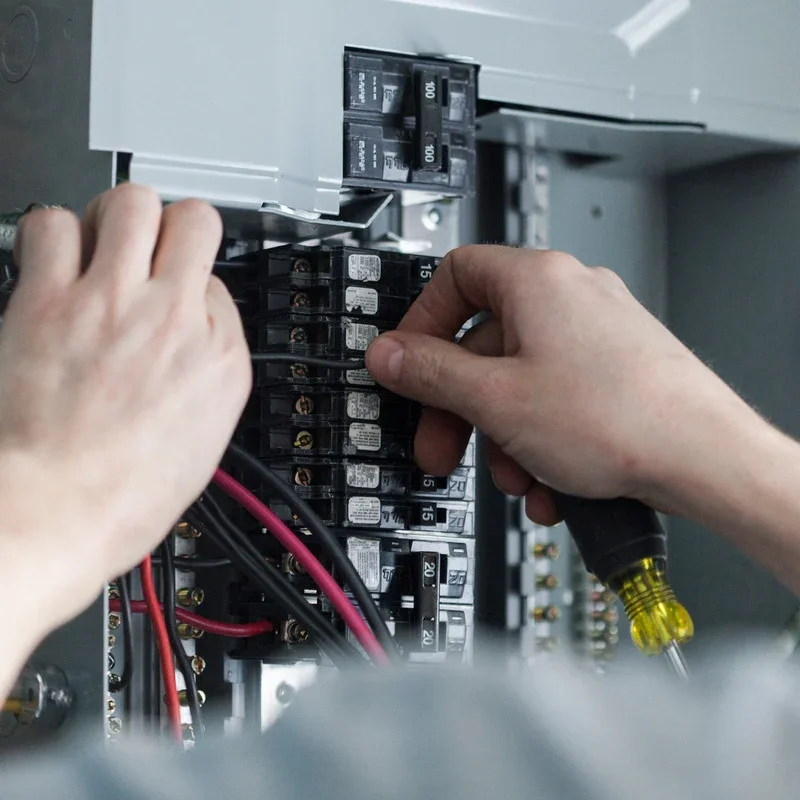
EV-ready panel upgrades have become essential for transforming outdated panels into power hubs that support modern living and electric transportation.
Your Breaker Box Is Not EV-Friendly Yet
The dream of owning an electric vehicle comes with visions of quiet drives, cleaner energy, and never revisiting a gas station. But once the EV is in the driveway, the next question usually pops up fast: where do you plug it in? The answer often leads right to the electrical panel, and in many homes, that panel is about to throw a fit.
Homes built decades ago were designed for a simpler time. A few kitchen appliances, one television, and maybe a garage light if you were lucky. Back then, the idea of plugging in a car every night wasn't even on the radar. EV-ready panel upgrades have become essential for transforming outdated panels into power hubs that support modern living and electric transportation.
Why Most Panels Aren't Ready for the EV Life
The typical electrical panel installed before the year 2000 usually supports 100 to 150 amps. That was fine when homes had standard light fixtures, fewer major appliances, and zero EVs. But a Level Two charger needs up to 50 amps on its own, often more than any single appliance in the house.
Without an EV-ready upgrade, your panel may already be approaching its capacity with just daily usage. Throwing an EV charger into the mix without proper planning can overload the system, trigger nuisance tripping, and introduce real safety risks. Trying to force it could lead to burnt wires, breaker failures, or even a panel that decides it's retiring early, permanently.
Electricians assess the full demand on your system before installing an EV circuit. If your current setup is close to its limit, the only responsible option is a full panel upgrade to accommodate the additional load safely.
How EV Chargers Interact With Your Panel
EV chargers are different from your typical plug-and-play devices. They draw sustained high current for hours. That kind of load can push older wiring and outdated panels past their comfort zone.
A professional will install the charger on its dedicated circuit with properly sized breakers and wiring. The circuit often runs on a 240V line to allow faster charging, which further increases the electrical demand. Without a panel that's ready for that load, every time you charge your car, you're inviting voltage drops and breaker stress.
EV-ready panel upgrades eliminate that strain by creating space in the panel, allocating amperage responsibly, and preparing for steady, heavy usage. The result is a safer, more efficient setup that doesn't jeopardize the rest of your home's electrical system.
Why Load Calculations Are More Than Just Math
Load calculations aren't just some formality before installing a new panel. They are the foundation of every safe and code-compliant installation. Electricians review the total square footage of the home, major appliance loads, HVAC requirements, lighting circuits, and any planned additions like hot tubs or workshops.
That detailed review determines how much amperage your home should be supplied with, and whether 200 amps is enough or if you should go higher. EV-ready panel upgrades often require not only more circuits but also more overall capacity.
In some cases, electricians will recommend installing a subpanel dedicated to EV charging and future garage circuits. This allows for even cleaner separation between high-demand systems and regular household loads.
The Real Cost of Waiting Too Long
Panel upgrades are often treated like something that can wait. Until they can't. One day, the light dims when the microwave and air conditioner run simultaneously. The next day, it's a tripped main breaker, a burning smell, or a panel that's warm to the touch.
Upgrading before problems arise gives you time to plan, budget, and schedule without the stress of an emergency repair. You also get the benefit of bundling the upgrade with other improvements, like whole-home surge protection or smart panel features.
Waiting too long often results in higher costs, delayed charger installations, and rushed jobs that compromise quality. EV-ready panel upgrades are one of those "do it right the first time" investments that pay for themselves in safety and stability.
Permits, Inspections, and Utility Company Red Tape
Upgrading a panel involves more than pulling wires and popping in breakers. It starts with permits and coordination with your city or county's building department. It also involves working with your utility company to disconnect and reconnect power at the right time.
A professional electrician manages this process end-to-end. They handle the scheduling, the paperwork, and the communication with inspectors and utilities. They also make sure your new panel complies with current codes, which is especially important if you plan to sell the home later.
EV-ready panel upgrades installed with permits and documentation add value to your home and simplify real estate transactions down the line. Lenders and homebuyers love knowing the infrastructure is solid and future-ready.
More Than Just More Amps
An upgraded panel isn't just a bigger box with more circuits. It's an opportunity to rethink how your home uses power. Many modern panels come with smart features that allow you to monitor energy use in real time from a smartphone.
EV-ready panel upgrades can include load-shedding technology that prioritizes essential loads and temporarily cuts non-critical circuits during peak demand. This means your car still charges overnight, but the garage beer fridge takes a brief nap if needed.
Professionals can also install a panel with extra space to support solar panels, battery backups, or a second EV charger. Future-forward planning now prevents costly workarounds later.
EV Chargers Love a Clean Setup
Your EV isn't fussy, but it does charge best when everything behind the scenes is working smoothly. A dedicated circuit, properly grounded wiring, and a well-organized panel make every overnight charge faster, safer, and more reliable.
Some electricians also recommend running conduit for future tech, such as bidirectional charging or vehicle-to-home systems. These technologies are evolving quickly, and an EV-ready panel sets the foundation for adopting them without tearing into your walls twice.
When paired with a smart charger and time-of-use utility rates, an upgraded panel can even help you lower charging costs over time.
What Else Is Competing for Power?
It's easy to focus on the car, but plenty of other systems in your home want a slice of the amperage pie. Think HVAC systems, electric ranges, dryers, tankless water heaters, and sometimes even outdoor kitchens. Each one competes for power during high-demand periods.
EV-ready panel upgrades give your entire home room to breathe. No more picking between laundry and charging. No more resetting breakers after running the blender and microwave at the same time. A professionally sized and installed panel handles it all without compromise.
Rebates and Incentives Make It Easier
Many local utilities and clean energy programs offer rebates for panel upgrades, especially when paired with EV charger installations. Some cities even have requirements in place for new homes and remodels to include EV-ready infrastructure.
Working with a licensed electrician means you'll receive proper documentation to apply for those rebates. It's not just about doing the job. It's about doing the job in a way that qualifies for incentives and meets inspection standards.
Professionals stay up to date on local rebate programs and can often guide homeowners through the process.
Peace of Mind Comes With a Click
One of the underrated benefits of a smart EV-ready panel is the control it offers. With mobile apps and real-time alerts, homeowners can track charging times, energy usage, and system status from anywhere. Did you leave the charger running after a partial charge? Check the app. Want to delay charging until off-peak hours? Tap a button.
That kind of visibility makes energy use feel less like a mystery and more like a system you control. It also helps identify unusual patterns early, like a breaker tripping due to a faulty charger or a sudden spike in garage usage.
Professionals install systems that are designed for real life, not just code books and ideal lab conditions.
Planning for the Next EV Too
You might only have one electric vehicle now, but things change fast. A second EV is not a far-fetched future scenario. If you install a charger now and max out your panel doing it, you'll be starting from scratch when car number two rolls in.
EV-ready panel upgrades lay the foundation for expanding your garage's charging capacity, whether it's two vehicles, a motorcycle, or an electric truck that demands serious wattage. Planning now keeps your options open and your circuits from arguing later.
The Future Is Wired and Rolling
Owning an EV is one of the smartest decisions a homeowner can make, but the electrical system behind it needs to be just as smart. EV-ready panel upgrades aren't just about capacity. They're about safety, stability, and staying ahead of tomorrow's energy needs.
When done professionally, the upgrade adds value, improves convenience, and keeps everything from your phone charger to your car battery working in harmony. The future is electric. And it starts at the panel.
Castles Electrical offers electrical panel installation, electrical panel replacement, whole home rewiring, new construction wiring, generator installation, and backup power solutions to home and business owners in the Virginia Beach area. As a family-owned business, safety and quality are our top priorities. Call today to schedule an appointment.