
Why old electrical panels are dangerous in Virginia Beach homes
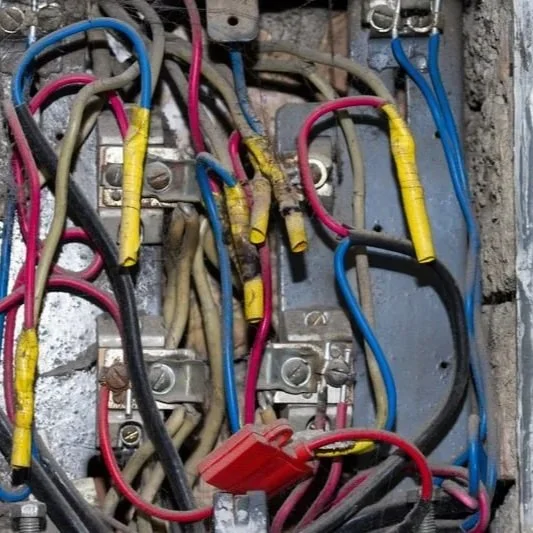
When the panel is in good shape, electricity moves smoothly and safely. When the panel becomes outdated or begins to break down, the entire home becomes vulnerable.
Introduction to old electrical panels
What are electrical panels?
An electrical panel is the main point where electricity enters a home and gets split into the individual circuits that run lights, appliances, and just about everything that plugs in. Each circuit has a breaker designed to stop the flow of power the moment something goes wrong. Modern panels can handle the steady increase in electrical demand that comes with new technology. Many homes also have subpanels for garages, additions, or backyard structures. When the panel is in good shape, electricity moves smoothly and safely. When the panel becomes outdated or begins to break down, the entire home becomes vulnerable.
Brief history of electrical panels in Virginia Beach
Virginia Beach has neighborhoods full of homes built in the 1940s, 50s, and 60s—many of which still hold their original electrical equipment. At the time, those panels were perfectly adequate. Yet they were never intended to support today’s higher electrical loads. During inspections, older fuse boxes, Federal Pacific panels, and early Zinsco models still turn up regularly. Some may look functional on the outside, but decades of wear take their toll inside. Coastal air only speeds that aging process, pushing many panels past their safe lifespan long before homeowners realize it.
Why focus on Virginia Beach?
As beautiful as coastal living is, it’s not easy on electrical systems. Humidity stays high throughout the year. Salt air travels further inland than most people realize. Storms bring flooding, heavy winds, and sudden power surges. These conditions make corrosion, oxidation, and breaker failure far more common. Local building codes have changed repeatedly over the years, leaving many older panels noncompliant. Homes that have never been updated sit at greater risk for weather-driven electrical issues and panel malfunctions. This makes it especially important for Virginia Beach homeowners to understand what’s inside their electrical boxes.
Purpose of the article
This article helps homeowners understand why older electrical panels are dangerous, how to spot the warning signs early, and what steps to take when concerns arise. Awareness alone can prevent injuries, property damage, and insurance headaches. With aging housing stock and coastal conditions working against them, Virginia Beach residents benefit from knowing what to look for and when to call a professional.
How electrical panels age
Components of electrical panels
Inside a panel are breakers, bus bars, wiring, grounding points, and the main disconnect. Breakers wear out from repeated use or frequent tripping. Bus bars can corrode from humidity or sustain damage from heat. Insulation on wiring becomes brittle, allowing cracks or loose connections to form. Any of these issues can lead to overheating or electrical arcing—both major fire hazards. The longer a panel has been in service, the more likely these invisible failures are lurking inside.
Common types of old panels
Virginia Beach homes often contain some notorious panel types. Federal Pacific Electric panels have long been criticized for breakers that fail to trip. Zinsco and some Sylvania models have structural flaws that allow breakers to overheat or weld themselves to the bus bars. Fuse boxes still turn up as well; while they once worked fine, they provide far less protection than modern systems. Electricians often recommend replacing these older units immediately because of their track record of hazards.
Signs of aging in electrical panels
Homeowners may notice rust or corrosion around the panel, which usually means moisture has gotten inside—never a good sign in a coastal climate. Buzzing sounds, flickering lights, or warm panel surfaces often point to loose connections or overloaded circuits. Breakers that trip repeatedly signal deeper internal problems. Burnt smells, charred plastic, or melted components should be treated as emergency signs. Even minor or inconsistent symptoms usually mean the panel is moving into a dangerous stage of deterioration.
Lifespan of panels
Most electrical panels last a few decades under normal indoor conditions. In Virginia Beach, however, salt air and humidity shorten that lifespan considerably. Many local homes exceed these timelines by decades. Panels that appear to be functioning can still hide degraded parts inside. That’s why judging safety based solely on appearance is risky.
Risks associated with outdated electrical panels
Electrical fires
Old panels are frequent sources of residential electrical fires. Loose connections, heat buildup, and internal arcing can ignite nearby materials. Coastal moisture worsens the issue because corrosion increases electrical resistance, which in turn generates heat. When breakers fail to trip or damaged bus bars overheat, the danger rises sharply.
Electric shocks and injuries
Aging panels with loose wires or corroded components increase the chance of electrical shock, even for someone simply resetting a breaker. In humid air, electricity can travel across surfaces more easily, making indirect contact dangerous. Older insulation and weakened breaker mechanisms add to that risk.
Power surges and appliance damage
Modern homes rely on numerous sensitive electronic devices. Older panels struggle to regulate voltage during storms, power grid fluctuations, and appliance startup cycles. As a result, refrigerators, HVAC units, televisions, and computers may experience repeated damage. After hurricanes and nor’easters, surge-related failures become especially common in this region.
Non-compliance with current codes
Electrical codes evolve to reflect updated safety standards. Many older panels cannot meet today’s grounding, fault-protection, or capacity requirements. Some insurers refuse to cover homes with outdated or known hazardous panels. Real estate sales often stall when inspectors flag these systems.
Specific hazardous panel types in Virginia Beach
Federal Pacific Electric panels
FPE panels are among the most recognized hazards in the electrical industry. Their breakers frequently fail to trip, leaving circuits dangerously unprotected during overloads. They were widely installed for years, so many Virginia Beach homes still have them. Replacement is strongly recommended due to their long history of failures.
Zinsco and Sylvania panels
Breakers in these panels often lose contact with the bus bars, preventing them from interrupting power when needed. Heat buildup is common, and in some cases, breakers fuse to the bars entirely. Homes built from the 60s through the early 80s often contain these models.
Fuse boxes
Fuse boxes were never designed for today’s electrical loads. Many homeowners accidentally use the wrong fuse size or bypass the fuse altogether when frustrated by frequent trips—both extremely dangerous practices. They also lack modern safety features and room for additional circuits.
Substandard replacement panels
Some homes contain improvised or unpermitted panel upgrades done by previous owners. These may use mismatched parts, lack proper grounding, or violate local codes. Poor workmanship increases the likelihood of fire or shock hazards.
Signs homeowners should watch for
Frequent breaker trips
Breakers that trip repeatedly are telling you something is wrong. This may point to wiring faults, overloaded circuits, or worn breakers struggling to function.
Burn marks or smells
Any smell of burning or signs of melted plastic or scorch marks suggest internal overheating or arcing. This is an urgent safety hazard.
Flickering or dimming lights
Lights that flicker during appliance startup or without a clear cause often signal loose connections or capacity issues inside the panel.
Outlets not working
If outlets stop working without an obvious explanation, the panel may be failing to deliver power correctly. Persistent problems should be evaluated by an electrician.
How weather and environment impact old panels
Humidity and corrosion
Constant humidity accelerates corrosion inside electrical panels. Rust weakens connections and increases resistance, leading to heat buildup.
Salt air and oxidation
Salt carried inland eats away at metal surfaces, breakers, and bus bars. Panels near the shoreline age faster because of this constant exposure.
Temperature fluctuations
Seasonal changes cause expansion and contraction of metal components, gradually loosening screws and terminals. Loose connections are a frequent cause of arcing and overheating.
Storms and flood risk
Virginia Beach storms bring heavy rain, surges, and flooding. Even after water recedes, moisture can remain inside the panel. Post-storm inspections are strongly recommended.
The importance of professional inspection
What happens during an electrical panel inspection?
A professional inspection includes checking breaker function, wiring condition, grounding, panel capacity, and signs of moisture, heat damage, or corrosion. Inspectors also verify code compliance. In coastal homes, extra attention is paid to humidity-related wear.
Choosing a licensed electrician
It’s important to hire someone licensed, insured, and experienced with older electrical systems. Local familiarity helps them identify regional issues quickly.
Inspection costs and frequency
Costs vary based on home size and accessibility, but inspections are far cheaper than repairing fire damage or replacing ruined appliances. In a coastal climate, an inspection every few years is wise.
Inspection reports and next steps
After the inspection, homeowners receive a summary of findings and recommendations. Urgent issues should be resolved immediately, while upgrades can be planned as needed.
Upgrading your electrical panel
When to upgrade
Upgrades are often recommended when the panel shows clear signs of age, can no longer support the home’s electrical load, or fails to meet insurance or code requirements. Renovations that add new appliances may also require a larger panel.
The upgrade process
Upgrading involves a consultation, permits, choosing a properly sized panel, installation, and a final inspection. Licensed electricians handle all required paperwork and code compliance.
Costs and financing options
Costs vary by panel size, home layout, and any wiring updates needed. Some contractors offer financing or payment plans.
Benefits of a modern panel
A new panel improves safety, supports modern appliances, meets code requirements, and increases home value. It also lowers the risk of fires and costly appliance failures.
Insurance and legal implications
Homeowner’s insurance requirements
Insurers often deny or restrict coverage for homes with hazardous panels. Upgrading reduces liability and improves eligibility.
Real estate transactions
Old panels frequently appear on inspection reports and may delay or complicate sales.
Local building codes
Virginia Beach follows state electrical codes that require proper grounding, approved breaker types, and updated safety features. Older panels rarely comply.
Permitting and compliance
Electrical upgrades require permits and inspections. Skipping these steps can cause significant legal and safety issues.
Preventive maintenance tips
Routine panel checks
Homeowners can visually inspect for rust, moisture, or unusual odors, but should never open the panel themselves.
Cleaning and moisture prevention
Keeping the panel area dry and uncluttered helps reduce moisture exposure and accidental damage.
Updating wiring and breakers
Even with a new panel, outdated wiring may still need attention. Electricians can recommend updates.
Surge protection devices
Whole-home surge protectors add a layer of protection during storms and unexpected outages.
Educating Virginia Beach homeowners
Community awareness campaigns
Local fire departments and safety organizations often share electrical safety information. Staying informed benefits entire neighborhoods.
Resources for homeowners
City websites, electricians, and national safety organizations provide helpful guidance on electrical hazards.
Training for DIYers
DIY work should never include panel repairs. Only licensed electricians can safely and legally handle these systems.
Alerting neighbors and family
Sharing information with neighbors—especially in older communities—helps reduce electrical hazards across the area.
Conclusion
Old electrical panels pose real dangers in Virginia Beach due to aging components, modern electrical demands, and the harsh effects of coastal weather. From fire risks to insurance problems, outdated panels bring challenges that shouldn’t be ignored. Professional inspections and timely upgrades help create a safer living environment. By staying proactive, homeowners protect their property, meet local requirements, and contribute to community-wide safety.
Critical Electrical Panel Questions Virginia Beach Homeowners Must Address
How can I tell if my electrical panel is outdated?
Look for brand names like Federal Pacific or Zinsco, visible rust, frequent trips, or a panel older than a few decades. Coastal wear often exaggerates these signs.
Is it dangerous to replace my electrical panel myself?
Yes. Panel work involves high voltage and legal requirements. DIY replacement is unsafe and may void insurance coverage.
What does an electrical panel upgrade typically cost in Virginia Beach?
Pricing varies based on the size of the home and the type of panel installed. Larger homes generally require higher-capacity panels, which cost more.
How often should I have my electrical panel inspected?
It is recommended every few years, and even more frequently in coastal areas where humidity and storms accelerate wear.
Castles Electrical is the one-stop destination for electrical panel installation, electrical panel replacement, whole home rewiring, new construction wiring, electrical safety inspections & code compliance and commercial electrician services in the Virginia Beach area. Serving residential and commercial customers, our licensed electricians always put customers first. Call today for a free estimate.