
How To Troubleshoot Issues After Electrical Panel Replacement
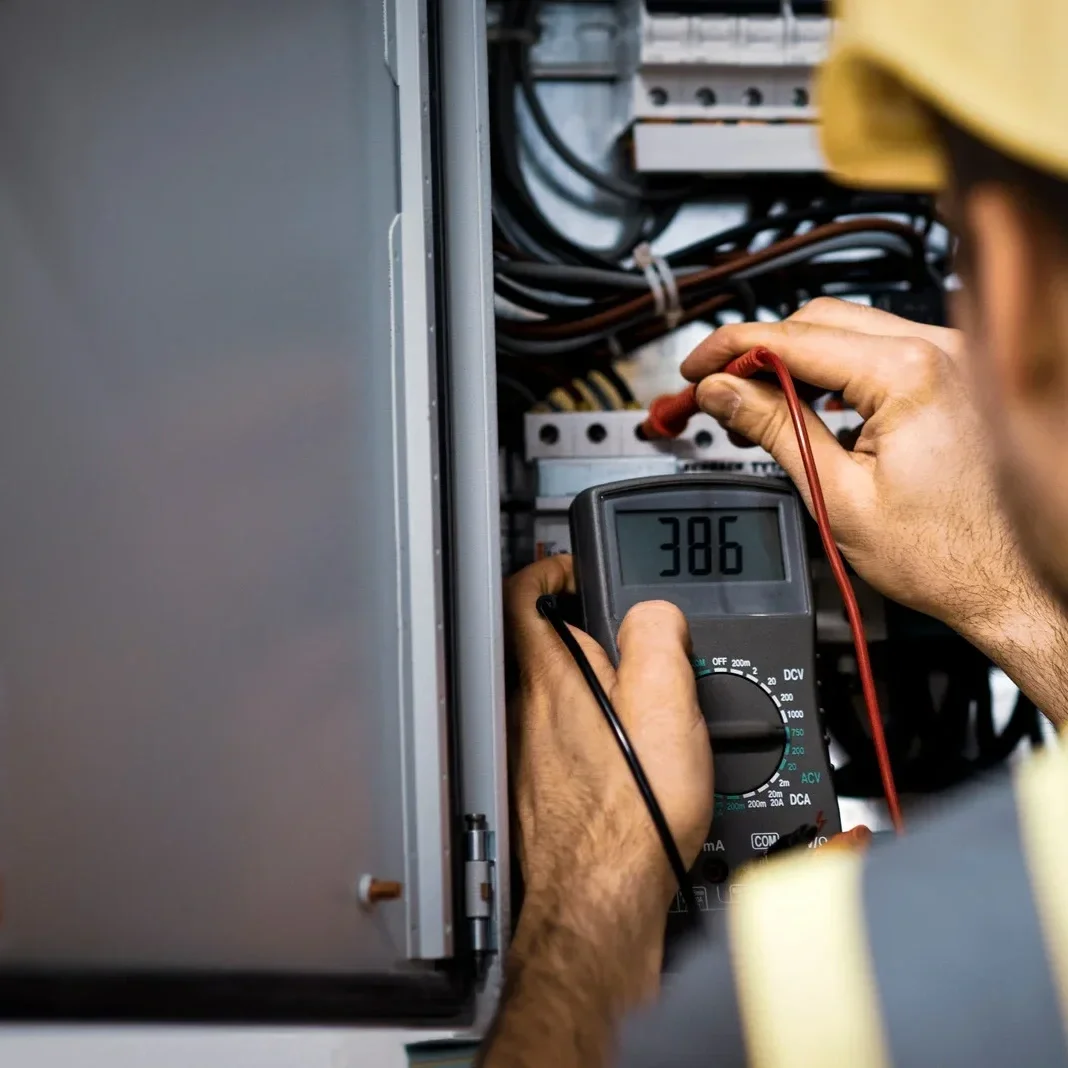
Understanding whether a symptom is isolated or widespread helps narrow the troubleshooting approach and determine whether professional assistance is necessary.
After an electrical panel replacement, certain symptoms may signal that something is not operating as expected. Flickering lights, frequently tripping breakers, dead outlets, warm switches, or buzzing noises often indicate wiring problems, loose terminations, mismatched breakers, or incorrect load distribution. Early recognition is crucial because minor symptoms may escalate into larger failures or even fire hazards. Understanding whether a symptom is isolated or widespread helps narrow the troubleshooting approach and determine whether professional assistance is necessary.
Causes of post-replacement problems
Common causes include loose wires, improperly torqued terminals, incorrect breaker types, mislabeled circuits, incompatible wiring, and installation errors. Sometimes the replacement reveals existing wiring issues that were previously hidden behind an older system. In other cases, a rushed installation or skipped safety step leads to incomplete grounding, reversed polarity, or overloaded circuits. Using the wrong breaker type for the panel or connecting circuits to incorrect terminals can also create persistent issues.
The importance of prompt troubleshooting
Electrical symptoms should never be ignored after a panel upgrade. Delays increase the risk of overheating, fire, equipment damage, or shock hazards. Timely troubleshooting not only resolves immediate concerns but also prevents long-term performance problems. Early intervention ensures proper load handling, improves reliability, and protects the investment made in the new panel.
Safety precautions before troubleshooting
Before checking any components, the main breaker must be turned off to eliminate the risk of shock. Only insulated tools should be used, and protective equipment such as gloves and eye protection should be worn. Homeowners must recognize the limits of DIY troubleshooting; anything involving internal wiring, live circuits, or breaker replacement should be handled by a licensed electrician.
Initial panel checks and visual inspection
Inspecting for loose connections
Loose terminations inside a panel can create heat, arcing, flickering lights, or inconsistent power. With the main breaker off, a visual inspection may reveal loose wires, discolored insulation, burned marks, or screws that were not properly tightened. Any sign of wire damage or overheating warrants a professional evaluation because loose connections are a leading cause of electrical fires.
Checking breaker alignment and labeling
Breakers must be securely seated in their slots to ensure proper connection to the bus bars. Misaligned breakers can cause intermittent power or overheating. Clear labeling is equally important; unlabeled breakers make troubleshooting more difficult and can delay emergency shutdowns. Ensuring labels match actual circuit locations prevents confusion and helps isolate issues quickly.
Evaluating panel cover fit and placement
A panel cover that does not fit correctly can restrict airflow, interfere with breaker function, or allow dust and pests to enter the panel. Misaligned screws or forced covers can cause stress on breakers or wiring. Ensuring a flush, secure fit protects both the equipment and the homeowner.
Assessing for physical damage or corrosion
Dents, cracks, rust, or moisture inside the panel indicate installation concerns or environmental exposure. Corrosion can compromise conductivity and weaken connections. Damage should never be ignored because it signals deeper issues that may compromise system integrity.
Troubleshooting power loss in parts of the home
Locating affected circuits
If power is lost to one area, identifying the specific circuit involved speeds up troubleshooting. Circuit maps or panel labels help narrow the search. Testing each breaker from the panel down to outlets and switches clarifies which portion of the system is affected.
Testing outlets and light switches
A voltage tester or multimeter can confirm whether an outlet or switch receives power. Both hot and neutral wires should be checked because a lost neutral can mimic a dead circuit. Testing the furthest device on a circuit sometimes isolates wiring faults between devices.
Resetting or replacing breakers
Breakers may trip after a new installation due to overloads or faulty breakers. Resetting requires turning the breaker fully off and then back on. If the breaker trips repeatedly, the issue may be an incompatible breaker, a wiring fault, or a deeper problem requiring a new breaker.
Checking for tripped GFCIs or AFCIs
GFCI and AFCI devices protect specific circuits and may cause localized power loss when tripped. Bathrooms, kitchens, garages, and outdoor outlets often rely on GFCI protection. Resetting these devices may restore power; however, frequent nuisance tripping can indicate wiring incompatibility or faulty installation during the panel replacement.
Addressing circuit breaker tripping issues
Common causes of frequent trips
Breakers trip for three main reasons: overload, short circuit, or ground fault. Overloads occur when too many appliances draw power from the same circuit. Short circuits involve direct contact between hot and neutral wires, often resulting in sparks or burning odors. Ground faults happen when electricity deviates to an unintended grounding path.
Identifying overloaded circuits
Listing all devices on a repeatedly tripping circuit helps determine whether the load exceeds the breaker rating. Rearranging devices across different circuits or upgrading wiring may be necessary to resolve persistent overloads.
Recognizing and rectifying short circuits
Signs include sparks, snap sounds, or burned smells. Troubleshooting involves unplugging all devices, resetting the breaker, and reconnecting items one by one until the source is found. Shorts may stem from damaged cords, faulty fixtures, or wiring errors inside walls.
Dealing with ground faults
Testing GFCI outlets can reveal whether a circuit includes a ground fault. Damaged wiring, moisture, or malfunctioning appliances often cause these faults. Ground fault issues should be corrected immediately because they present shock hazards.
Managing flickering or dimming lights
Identifying voltage fluctuations
Using a multimeter to measure voltage at the fixture helps determine if the issue is panel-related. Voltage that dips significantly under load often points to loose connections or insufficient feeder capacity.
Checking for loose bulbs or fixtures
Sometimes the simplest solution is tightening a bulb or inspecting a loose socket. Vibrations, aging fixtures, or incompatible bulbs can create intermittent flickering.
Evaluating dimmer switch compatibility
Older dimmers often do not work well with LED or smart bulbs. Upgrading the dimmer may eliminate flickering or dimming problems caused by incompatible technology.
Troubleshooting neutral wiring issues
Loose or shared neutrals can create uneven lighting and inconsistent performance. Inspecting the neutral bar and ensuring each circuit has properly secured neutral wiring helps restore stability.
Inspecting for hot spots or burning smells
Using infrared thermometers safely
Thermal scanning tools help identify overheating breakers, terminals, or wiring. Temperatures significantly above normal operating levels indicate loose connections or overloaded circuits.
Identifying overheated components
Burn marks, melted insulation, or recurring warm breakers signal an immediate need for repair. Overheating jeopardizes the entire electrical system and should never be ignored.
Investigating persistent burning odors
Burning odors often mean insulation damage, arcing, or faulty wiring. The main breaker should be shut off immediately, and a professional should be called to assess the situation.
Preventing fire hazards
Routine inspections after panel replacement reduce fire risks. Faulty components must be replaced, and overheating issues must be corrected promptly.
Diagnosing unresponsive or dead circuits
Verifying main breaker functionality
If multiple circuits are dead, the main breaker may be faulty. Main breaker testing requires extreme caution and should be performed by licensed electricians.
Inspecting subpanel connections
Subpanels depend on accurate feeder wiring and tight terminations. Loose feeder wires or incorrect neutral and ground configurations may cause partial outages.
Tracing circuit wiring problems
Continuity testers or wire tracers help identify broken or poorly connected wires within walls or junction boxes. Pests, nails, or aging insulation may damage wiring.
Confirming branch circuit terminations
Ensuring all wires are properly connected at outlets and switches helps eliminate miswiring issues introduced during panel replacement.
Addressing electrical panel buzzing or noises
Differentiating normal from abnormal sounds
Panels may produce faint hums from transformers or normal electrical flow. Loud buzzing, crackling, or popping indicates loose parts, arcing, or improper breaker seating.
Locating and correcting vibration issues
Vibration often stems from loose breakers, screws, or wiring. Tightening components and ensuring proper panel mounting can eliminate noise.
Investigating arcing or sparking noises
Arcing requires immediate power shutdown. It typically indicates severe wiring faults or loose bus bar connections and must be addressed by a professional.
Preventative maintenance for quiet operation
Periodic tightening of connections, cleaning debris, and ensuring moisture-free conditions help maintain silent operation.
Handling panel-related appliance problems
Spotting appliance malfunctions
After panel replacement, appliances may fail to start, run inconsistently, or reset unexpectedly. These problems often stem from incorrect circuit assignments or voltage disturbances.
Checking dedicated circuits
Large appliances require dedicated circuits. If the panel reconfiguration disrupted these circuits, troubleshooting may involve checking breaker sizes and wiring assignments.
Investigating voltage drops or spikes
Voltage fluctuations harm sensitive electronics. Testing voltage under load helps identify whether the panel or wiring contributes to irregular voltage.
Resolving grounding and bonding issues
Poor grounding affects appliance performance and may cause shocks. Ensuring solid ground and bond connections restores safe operation.
Assessing GFCI, AFCI, and surge protection devices
Verifying proper GFCI installation
Testing GFCI outlets ensures proper wiring and functionality. Incorrect line or load connections can prevent GFCIs from operating correctly.
Testing AFCI devices
AFCIs require proper pairing with circuit types. Nuisance tripping may signal wiring inconsistencies or incompatible connected devices.
Inspecting whole-home surge protectors
Surge protectors should be inspected for indicator lights or test functions. A failed surge protector may compromise appliance safety.
Recognizing device malfunctions or replacement needs
Protective devices have lifespans. If they fail tests or show signs of wear, they should be replaced.
Dealing with code compliance and inspection issues
Understanding local electrical code requirements
Code requirements may include AFCI or GFCI protection, proper labeling, bonding, and maintaining clearance. Non-compliant installations fail inspection.
Navigating the permit and inspection process
Scheduling inspections and maintaining open communication with local authorities help ensure smooth approval of panel installation work.
Correcting code violations identified post-replacement
Fixing violations quickly preserves safety and prevents delays. Prioritized corrections include grounding, breaker compatibility, and labeling updates.
Maintaining documentation for future reference
Saving permits, inspection notes, and panel diagrams helps streamline future electrical projects, insurance claims, or property sales.
Avoiding common electrical panel replacement pitfalls
Preventing double-tapped breakers
Double-tapping is not permitted and creates overheating risks. If more circuits are needed, adding a subpanel or using approved breakers is the safer choice.
Ensuring proper panel grounding
Grounding must be secure, continuous, and code-compliant to protect the system and users.
Avoiding overloaded main panels
Load calculations help determine if the panel can support current and future electrical needs.
Selecting quality replacement parts
Using off-brand or incompatible breakers creates hazards. Always match parts to the panel manufacturer.
When to call a licensed electrician
Recognizing dangerous situations
Burn smells, sparks, tripping that repeats immediately, or dead circuits after troubleshooting require professional intervention.
Understanding your DIY limits
Routine breaker checks and visual inspections may be manageable, but anything involving wiring or diagnostics should be handled by licensed professionals.
Working with electricians for complex repairs
Clear communication improves diagnosis accuracy. Provide electricians with detailed symptom descriptions and any inspection notes.
Ensuring warranty and insurance coverage
Professional work protects warranties and keeps insurance valid. Always document professional repairs for future verification.
Conclusion
Troubleshooting electrical issues after panel replacement requires careful observation, systematic testing, and a strong focus on safety. From identifying power loss to correcting wiring errors or diagnosing device malfunctions, each step helps ensure the new system functions reliably. Homeowners should always approach electrical troubleshooting cautiously and use licensed electricians for complex or hazardous problems. With proper maintenance, accurate documentation, and swift attention to warning signs, a newly replaced electrical panel can deliver safe, consistent performance for years.
Urgent Troubleshooting FAQs After Electrical Panel Replacement
What are the most common problems after electrical panel replacement?
Common issues include tripped breakers, flickering lights, dead outlets, GFCI or AFCI malfunctions, and noisy breakers.
Why do my lights flicker or dim after a new panel is installed?
Loose wiring, voltage fluctuations, incompatible dimmers, or shared neutral problems often cause flickering.
Is it safe to troubleshoot an electrical panel myself?
Homeowners can check labels, reset breakers, and inspect outlets, but internal diagnostics should be performed only by licensed electricians.
When should I call a professional after a panel replacement?
You should call immediately if you notice burning smells, sparks, repeated breaker trips, or widespread power loss.
Castles Electrical offers electrical panel installation, electrical panel replacement, whole home rewiring, new construction wiring, generator installation, and backup power solutions to home and business owners in the Virginia Beach area. As a family-owned business, safety and quality are our top priorities. Call today to schedule an appointment.