
How to Identify the Type of Electrical Panel in Your Home
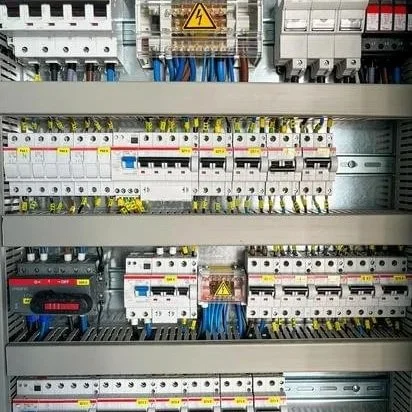
Regardless of the name, the function remains the same: to safely manage and regulate the flow of electricity inside a property.
Understanding the role of electrical panels
What is an electrical panel
An electrical panel is the central hub that receives electricity from the utility and distributes it to circuits throughout the home. It houses breakers or fuses that control and protect each circuit. Homeowners may hear several names used for this same component, including breaker box, service panel, load center, distribution board, or fuse box. Regardless of the name, the function remains the same: to safely manage and regulate the flow of electricity inside a property.
Why panel type matters
The type of electrical panel installed affects safety, insurance requirements, and compliance with electrical codes. Some older or recalled panel types pose fire risks or may fail during electrical faults. Other types are modern and support higher electrical demands. Identifying your panel helps determine whether your system is safe, whether upgrades are required, and how well your electrical infrastructure can support your home’s needs.
Basic electrical panel components
Every panel contains several key parts. The main breaker controls power entering the panel. Branch breakers protect individual circuits. Bus bars distribute power to these breakers, while neutral and ground bars provide proper return paths and grounding for safety. Although the internal layout varies between panel types, these components appear in most systems and help identify what you are looking at.
Safety precautions before inspecting
Before inspecting your panel, follow essential safety steps. Never touch exposed wires or internal components if you lack proper training. Use personal protective equipment such as insulated gloves and safety glasses. Do not stand in water or damp areas. If breakers or wiring appear damaged, burned, or loose, call a licensed electrician immediately. Avoid removing the panel cover unless a professional is present. Electrical hazards can be severe, so caution is always required.
Types of electrical panels
Main breaker panels
Main breaker panels contain a large breaker at the top or bottom that shuts off all power to the home. This breaker is the primary disconnect and provides an easy way to turn off electricity in emergencies. These panels are standard in modern residential properties. Identification is simple because the main breaker is clearly labeled and larger than branch breakers.
Main lug panels
Main lug panels do not have a main breaker. Instead, incoming electricity feeds directly to the lugs, and another panel upstream contains the main shutoff. These are often used as subpanels or in multi-unit properties. To identify this type, look for the absence of a main breaker. The top area will show large terminal lugs instead of a switch.
Fuse boxes
Fuse boxes are older electrical systems that use round, screw-in fuses rather than switch-style breakers. They typically contain several circular fuse sockets arranged in rows. Fuse boxes were standard decades ago, but are now considered outdated and potentially unsafe for modern electrical loads. Their appearance is distinct, and finding one usually signals the need for evaluation or replacement.
Subpanels
Subpanels receive power from a main panel and distribute circuits to remote areas such as garages, additions, or workshops. They do not contain a main breaker and are smaller than the main service panel. Identification features include a feed wire from the main panel and the absence of a utility service connection.
Circuit breaker panels
Modern circuit breaker panels use rectangular breakers arranged in columns. They include a combination of single-pole and double-pole breakers and often feature clear labeling. Most homes built in recent decades use this type due to its safety and convenience.
Locating your home’s electrical panel
Common locations in homes
Electrical panels are often installed in garages, basements, utility closets, laundry rooms, or exterior walls near the utility meter. In older homes, panels may be hidden behind access doors or built into recessed wall cutouts. Check areas near large appliances, service entrances, or exterior corners where conduit enters the structure.
Reading home blueprints or inspection reports
Blueprints and inspection documents often show panel locations labeled as electrical service or load center. Reviewing these documents can save time and confirm whether the home has additional subpanels.
Visual clues outside the home
Exterior signs such as the utility meter, overhead service wires, or conduit entering the home can point to the panel’s location inside. Panels are usually located near where the main service line enters the building.
Older homes vs. newer homes
Older homes may have fuse boxes, small recessed breaker panels, or multiple subpanels scattered throughout the house. Newer homes tend to use consolidated breaker panels with clear labeling and ample breaker space.
Inspecting the panel door and labeling
Manufacturer and model information
Inside the panel door, labels display the manufacturer name, model, and serial number. This information helps identify the panel type and determine whether it appears on recall lists or has known safety concerns.
Panel labeling and breaker mapping
Many panels include a diagram or legend marking which breaker controls each room or appliance. While not always accurate, these labels help identify whether the panel has been updated or expanded.
Signs of upgrades or repairs
Mismatched breakers, new labels, added circuits, or recent inspection tags may indicate repairs or upgrades. These signs can help you determine whether the panel is original or modified.
Warning stickers and inspection tags
Warning labels may identify high-voltage risk or special safety concerns. Inspection tags may display the installation date, last inspection, or required certifications.
Key identifying features of common panel types
Physical size and shape
Older fuse boxes are often smaller and square-shaped. Modern panels are larger, rectangular, and designed to accommodate more breakers.
Breaker or fuse appearance
Round fuses, pushmatic-style switches, or Federal Pacific Stab-Lok breakers help identify older or recalled models. Standard modern breakers have toggle switches with clear on-off positions.
Wiring and bus bar layout
Fuse boxes have individual sockets. Circuit breaker panels have straight bus bars running vertically. Subpanels may have isolated neutral and ground bars if configured correctly.
Door and cover features
Vintage panels often have metal rotary knobs or thick covers. Modern panels have flush-mounted doors with simple latches.
Determining electrical panel age and compliance
Manufacturer history and recall lists
Certain brands, such as Federal Pacific and Zinsco, have known safety recalls. By checking manufacturer information, you can determine whether your panel is associated with documented hazards.
Checking for code compliance
Older panels may lack grounding, proper clearances, or breaker types now required by electrical codes. Comparing panel features with current standards helps determine compliance.
Identifying obsolete or unsafe panels
Obsolete models include fuse boxes, Stab-Lok panels, pushmatic panels, and outdated split-bus systems. These may pose safety risks and require replacement.
Understanding label and stamping codes
Labels may list amperage ratings, manufacturing dates, UL listings, and compliance standards. Stamps and stickers provide clues about installation history.
Identifying subpanels and dedicated panel types
Garage and workshop panels
These subpanels serve areas with heavy equipment. They usually include double-pole breakers for tools or large appliances.
HVAC and appliance panels
Some homes have dedicated panels for air conditioners, water heaters, or pool systems. These panels may be located outdoors or near the appliance.
Solar and renewable energy panels
Solar arrays often feed into a separate panel or combiner box with clearly marked labels, disconnect switches, and photovoltaic wiring.
Generator transfer panels
Homes equipped with backup generators may have transfer switches or dedicated panels to control emergency circuits.
When to consult a professional electrician
Signs of unsafe conditions
Visible burn marks, melted insulation, rust, buzzing sounds, overheating, or persistent tripping require immediate attention from a licensed electrician.
Legal and compliance requirements
Permits and inspections may be required for any modifications, making professional involvement essential.
Panel upgrades and replacement
If your panel is unsafe or outdated, only licensed electricians should assess replacement needs.
Cost and time considerations
Professionals can provide estimates for evaluation, repairs, or upgrades and complete work safely within a reasonable timeline.
Documenting and recording panel information
Creating a panel inventory record
Record details such as panel type, brand, amperage, location, and any special features. This information is valuable for future repairs or upgrades.
Keeping maintenance and inspection logs
Track repairs, inspections, and upgrades to maintain a clear safety record. Insurance companies may also request documentation.
Photographing the electrical panel
Take clear photos of the exterior, interior layout, model label, and breaker map. These help electricians assess the system remotely if needed.
Updating home records and sharing with professionals
Keeping your records current helps inspectors and electricians make informed recommendations.
Electrical panel brands and recognizable models
Most common residential panel brands
Siemens, Square D, Eaton, Bryant, and GE are widely used in modern homes.
Brands linked to recalls or issues
Federal Pacific Stab-Lok and Zinsco panels are linked to safety risks and should be evaluated immediately.
Recognizing aftermarket and replacement brands
Some breakers may not match the original panel manufacturer. These third-party breakers may affect performance and safety.
Vintage and historic domestic brands
Older homes may contain vintage panels from companies no longer in production. These often lack modern safety standards.
What to do after identifying your panel type
Assessing next steps for safety
If your panel is modern and compliant, routine maintenance may be all that is needed. If it is outdated or recalled, consider replacement promptly.
Scheduling professional inspections
A licensed electrician can verify your identification, check for hazards, and recommend upgrades.
Routine maintenance tips
Keep the panel area dry, clean, and clear of obstructions. Check labeling regularly.
Upgrading your electrical panel
Upgrading offers improved safety, increased capacity, and compatibility with modern appliances and technologies.
Conclusion
Identifying the type of electrical panel in your home helps ensure safety, efficiency, and compliance with code requirements. By understanding panel types, locating the system, recognizing internal components, checking for recalls, and documenting information, homeowners gain valuable insight into their electrical infrastructure. When uncertain or when hazards appear, consulting a licensed electrician is essential. With proper identification and maintenance, your electrical panel will provide safe, reliable power distribution for years to come.
Electrical Panel Safety FAQs — Act Now to Prevent Serious Hazards
How can I tell if my electrical panel is outdated or unsafe?
Look for signs such as fuse-style designs, Stab-Lok breakers, rust, overheating, or frequent breaker trips.
What should I do if I discover my home has a recalled electrical panel?
Contact a licensed electrician for evaluation and replacement options as soon as possible.
Is it safe to inspect my electrical panel myself?
Visual inspection is acceptable, but opening the panel or touching internal components is not safe without professional training.
How often should I have my electrical panel professionally inspected?
Inspections every few years are recommended, or sooner if you notice unusual smells, sounds, heat, or performance issues.
Castles Electrical is the one-stop destination for electrical panel installation, electrical panel replacement, whole home rewiring, new construction wiring, electrical safety inspections & code compliance and commercial electrician services in the Virginia Beach area. Serving residential and commercial customers, our licensed electricians always put customers first. Call today for a free estimate.