
Vacuum Causing Your Breaker to Trip in Virginia Beach? Here’s the Fix
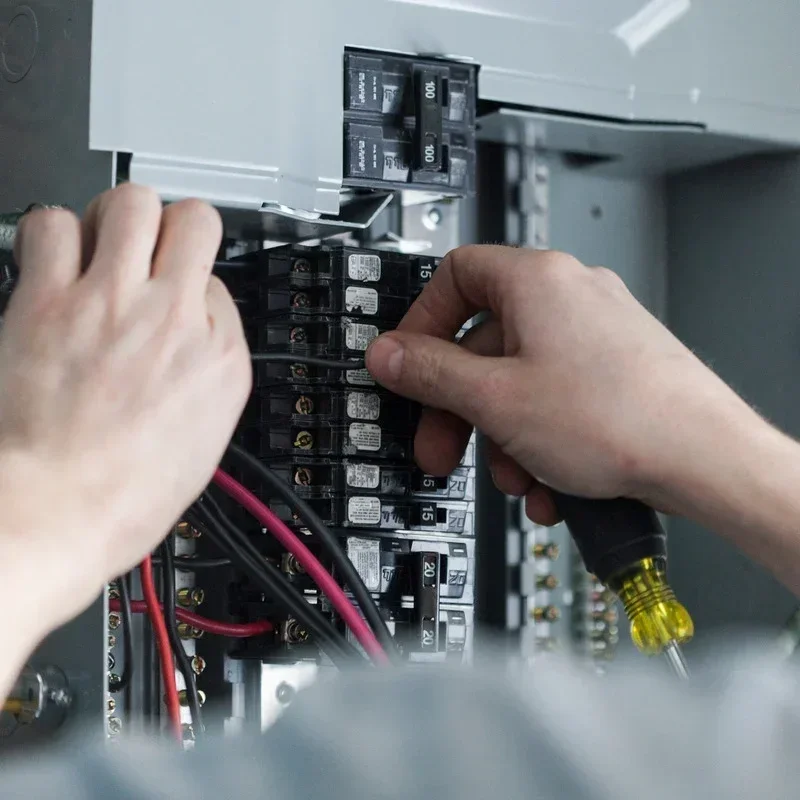
Don’t let a faulty vacuum shut down your power; expert electrical repairs can keep your Virginia Beach home running smoothly.
Why Vacuums Create Sudden Electrical Stress
Vacuum cleaners place a unique type of demand on residential electrical systems, especially during startup. When a vacuum motor turns on, it draws a sharp inrush of current that can be significantly higher than its normal running load. That surge lasts only a moment, but it is enough to test the limits of older circuits, worn breakers, and marginal wiring. In many Virginia Beach homes, electrical systems were installed long before modern, high-powered vacuums became common, which means circuits may already operate closer to their limits during everyday use.
Motor-driven appliances also behave differently from resistive loads like lamps or small electronics. As the vacuum motor spins up, current fluctuates rapidly, generating heat at weak points along the circuit. Any resistance present at outlets, switches, or panel connections magnifies that heat instantly. Coastal humidity compounds the issue by increasing corrosion on metal components, which raises resistance further. A vacuum that worked fine for years can suddenly begin tripping breakers, not because it changed, but because the electrical pathway feeding it has gradually degraded.
Shared Circuits And Hidden Load Competition
Many Virginia Beach homes rely on shared circuits that serve multiple rooms or outlets, a common design in older construction. A vacuum plugged into a hallway or bedroom outlet may share power with lighting, televisions, or even outlets in adjacent rooms. When the vacuum starts, its surge stacks on top of whatever else is already running, even if that activity is happening out of sight. Breakers respond to total demand, not individual appliances.
This load competition explains why breaker trips can feel unpredictable. A vacuum may trip the breaker in the morning but not later in the day, or it may trip only when certain lights or devices are in use elsewhere. Homeowners often focus on the outlet in front of them without realizing how much of the home shares that same circuit. Over time, repeated near-overload conditions heat wiring and outlet contacts, reducing tolerance further and making trips more frequent even when usage patterns remain mostly unchanged.
Worn Breakers And Reduced Trip Accuracy
Breakers are mechanical devices that degrade with age and repeated operation. Each time a breaker trips, internal components experience heat and mechanical stress. Over years of service, springs weaken, contact surfaces pit, and thermal elements lose precision. In Virginia Beach, humidity and salt air accelerate corrosion inside panels, which raises internal resistance and heat generation.
A worn breaker may trip more easily than intended, reacting to normal motor startup surges as if they were dangerous overloads. Vacuums often expose this reduced tolerance because their startup draw is brief but intense. Homeowners may replace the vacuum, only to experience the same problem with the new unit. In many cases, the breaker has simply reached a point where it no longer distinguishes clearly between normal transient loads and true faults, making replacement or evaluation necessary.
Outlet And Plug Resistance At The Point Of Use
Outlets used for cleaning equipment endure frequent plugging, unplugging, and movement, which gradually loosen internal contacts. As contact pressure declines, resistance increases at the plug connection. Resistance produces heat whenever current flows, and the vacuum’s high draw magnifies that effect immediately. Heat at the outlet does not always trigger visible damage right away, but it affects how current flows back toward the panel.
Virginia Beach homes experience added outlet stress from moisture and cleaning chemicals that enter receptacle openings over time. Corrosion on brass contacts raises resistance further. When a vacuum pulls current through a compromised outlet, voltage drop increases and current draw rises in response. The breaker senses the elevated current or heat and trips to protect the circuit. In these cases, the breaker responds correctly to downstream conditions rather than a problem inside the panel itself.
GFCI And AFCI Interaction With Vacuum Motors
Modern protection devices add another layer of complexity. Ground fault and arc fault protection devices monitor current behavior rather than just total load. Vacuum motors generate electrical noise and minor fluctuations as brushes wear and internal components age. In humid environments like Virginia Beach, moisture increases leakage pathways along cords and inside outlets, making protection devices more sensitive.
A vacuum with a slightly degraded cord or internal insulation may leak small amounts of current to ground, triggering ground fault protection even though the appliance still operates normally. Arc fault protection may respond to brush-related sparking inside the motor, especially during startup. These trips often confuse homeowners because the breaker resets easily and the vacuum appears functional. Understanding the role of modern protection helps explain why trips can occur even when the total load seems reasonable.
Long Circuit Runs And Voltage Drop Effects
Some homes feature long circuit runs from the electrical panel to distant rooms. Voltage drop increases along longer runs, particularly when the wiring gauge reflects older standards. As voltage drops, motors compensate by drawing more current to achieve the same power output. A vacuum plugged into a distant outlet may pull more current than expected, pushing the circuit closer to its limit during startup.
In Virginia Beach homes with additions or remodeled layouts, circuits may have been extended beyond original design assumptions. Each added connection introduces another opportunity for resistance and heat buildup. Over time, voltage drop worsens as connections loosen and corrosion develops. The vacuum becomes the visible trigger, but the underlying issue lies in circuit length and cumulative degradation rather than appliance misuse.
Why Breaker Trips Often Start Suddenly
Homeowners frequently report that a vacuum worked without issue for years before suddenly tripping breakers. Electrical systems degrade gradually until they reach a tipping point. Small increases in resistance, slight breaker wear, and incremental load changes accumulate quietly. One day, the vacuum’s startup surge finally exceeds the system’s reduced margin, and the breaker trips.
Virginia Beach’s coastal environment accelerates that timeline. Seasonal humidity changes, temperature swings, and salt exposure steadily affect electrical components. When trips begin, they often reflect long-term change rather than sudden failure. Treating the vacuum as the sole culprit overlooks the broader system conditions that allowed tolerance to erode over time.
Cord Condition And Internal Wear Inside The Vacuum
Vacuum cords experience constant flexing, dragging, and bending as they move from room to room. Over time, internal conductors can partially fracture, or insulation can thin in specific spots, especially near the plug or strain relief. These weak points increase resistance and cause uneven current flow when the motor starts. A vacuum with internal cord damage may still operate normally most of the time, yet create momentary spikes in current that stress the circuit just enough to trigger a breaker.
Internal vacuum components also change with age. Motor brushes wear down, bearings introduce additional friction, and internal wiring connections loosen slightly as materials expand and contract with heat. Each of these changes alters how the motor draws power, often increasing startup demand or prolonging high-current phases. In Virginia Beach, humidity accelerates corrosion inside small appliances just as it does in fixed wiring. A vacuum that appears mechanically sound can still behave electrically in ways that expose weaknesses elsewhere in the system.
Multiple Devices Running On The Same Circuit
Vacuuming often overlaps with other household activities, which increases total circuit demand. Lights remain on, televisions continue running, and chargers stay plugged in while cleaning happens. Even devices in adjacent rooms may share the same circuit, quietly adding load in the background. The vacuum’s startup surge then stacks on top of existing demand, pushing the circuit beyond its comfort zone.
Older Virginia Beach homes frequently rely on fewer circuits to serve more space. Homeowners may not realize that bedrooms, hallways, and living areas share power. Breaker trips may seem random because they depend on what else happens to be running at that moment. Reducing visible load does not always solve the issue because hidden load remains. Understanding how shared circuits distribute power explains why vacuum-related trips can feel inconsistent and difficult to predict.
Panel Location And Environmental Influence
Electrical panels located in garages, utility rooms, or exterior-adjacent walls experience environmental stress that influences breaker performance. Temperature fluctuations reduce cooling efficiency, while humidity and salt exposure increase corrosion on internal components. As resistance inside the panel rises, breakers heat more quickly under load and trip sooner than they once did.
Virginia Beach homes with panels in less protected locations often show seasonal patterns in breaker behavior. Vacuums may trip breakers more frequently during the summer months when ambient temperatures remain high. The appliance reveals panel sensitivity rather than causing it outright. Evaluating panel condition alongside circuit behavior provides insight into why breaker trips cluster around certain appliances and times of year.
Why Repeated Breaker Resets Make Things Worse
Resetting a breaker restores power but does not address the conditions that caused the trip. Each reset allows current to flow again through components already experiencing stress. Over time, repeated resets accelerate wear on breaker internals and downstream connections. Heat cycles intensify, insulation weakens, and contact surfaces degrade further.
In Virginia Beach homes, repeated resets allow moisture-related corrosion and heat damage to compounds. A breaker that once tripped occasionally may begin tripping more frequently as tolerance erodes. Continuing to reset without evaluation increases the likelihood of hidden damage inside the walls or the panel. Breaker trips should be treated as signals rather than inconveniences, prompting investigation rather than repeated restoration.
How Electricians Diagnose Vacuum-Related Breaker Trips
Professional diagnosis begins by identifying whether the trip results from overload, leakage, voltage drop, or breaker condition. Electricians measure circuit load during vacuum startup, inspect outlets for heat or corrosion, and test breaker response under controlled conditions. Appliance cords and plugs receive evaluation to identify resistance or insulation issues that may contribute to abnormal current behavior.
In Virginia Beach homes, inspections often include moisture assessment and panel condition review. Environmental exposure, circuit age, and layout all influence repair recommendations. Solutions may involve replacing worn outlets, upgrading breakers, redistributing loads, or adding dedicated circuits where appropriate. Addressing the system as a whole restores reliable operation rather than chasing symptoms one appliance at a time.
When Dedicated Circuits Provide The Best Fix
Modern electrical design recognizes that motor-driven appliances perform best on circuits with sufficient capacity and minimal shared load. While vacuums do not typically require dedicated circuits by code, homes with limited circuit availability often benefit from targeted upgrades. Adding or reassigning circuits reduces load competition and improves overall stability.
In Virginia Beach, upgrading circuits often pairs well with broader electrical improvements, especially in older homes. Dedicated or redistributed circuits reduce nuisance trips, extend breaker life, and protect wiring from sustained stress. Planning improvements proactively aligns electrical infrastructure with modern usage patterns rather than relying on aging systems to accommodate increasing demand.
FAQs
Vacuums draw high startup current and fluctuate during operation, which exposes weaknesses in breakers, wiring, or outlets that steady-load appliances do not trigger as easily.
Yes, worn cords, internal motor wear, or insulation breakdown can cause uneven current draw or leakage that stresses the circuit. Appliance conditions should be evaluated alongside the electrical system.
Repeated resets indicate an unresolved issue. Continuing to reset allows heat and stress to build in wiring and breakers, increasing the risk of damage or failure.
Different rooms may sit farther from the panel, share circuits differently, or have outlets with varying levels of wear. These factors influence how the circuit responds to high-draw appliances.
A professional evaluation identifies whether outlet replacement, breaker upgrades, load redistribution, or circuit improvements provide the best fix. Addressing root causes restores consistent and safe operation.