
Zap-Stoppers: The Big Benefits of Surge-Protected Outlets
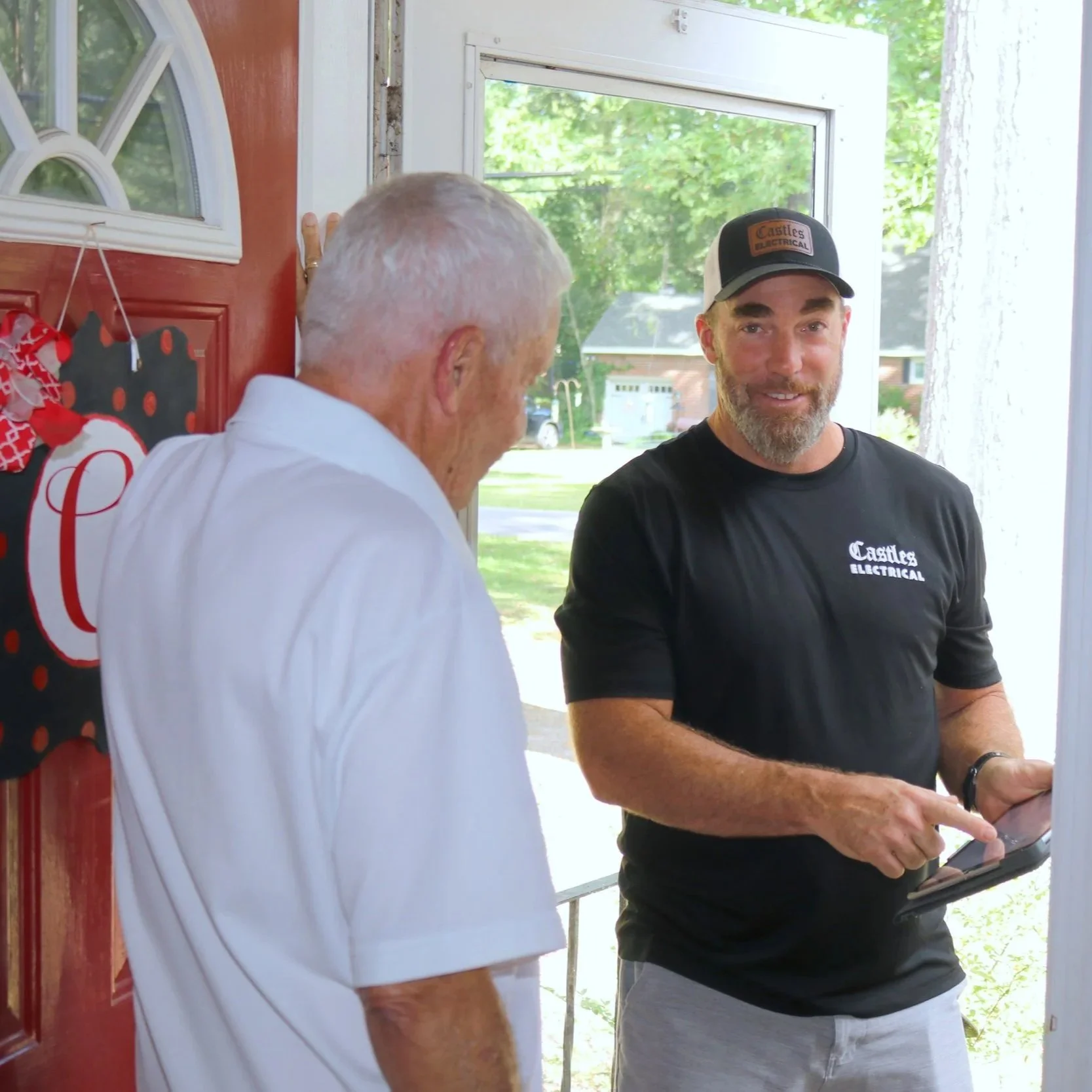
Professional electricians have swapped out hundreds of standard outlets for these upgraded versions.
The classic surge strip under the desk has seen some things. Dust bunnies. Crushed cables. The occasional coffee spill. But in homes today, especially where home offices, gaming setups, and smart appliances multiply like rabbits, there’s a better approach. Surge-protected outlet installation delivers the defense modern electronics need without the tangled mess.
Surge-protected outlets offer built-in protection against electrical spikes caused by storms, grid switching, or heavy-duty appliances cycling on and off. They look like standard wall outlets but hide some serious shielding inside. One installation protects every device plugged into that outlet, no add-ons required.
Professional electricians have swapped out hundreds of standard outlets for these upgraded versions. Homeowners appreciate the sleek look. Devices enjoy a safer ride. And everyone breathes a little easier during summer thunderstorms.
What Really Happens During a Surge
Power surges are like voltage roller coasters. Instead of the smooth 120 volts your devices expect, a spike can send hundreds or even thousands of volts through the wiring. Anything with a circuit board, power supply, or microprocessor can fry in an instant.
Surges don’t need to be dramatic. A minor spike might not toast a device outright, but can slowly degrade internal components. That means shorter lifespans, mysterious malfunctions, or odd flickering that never quite goes away.
Air conditioners, refrigerators, and vacuum cleaners can trigger small in-house surges when turned on. External sources, such as downed lines or utility switching, can send a stronger jolt. The outlet can’t stop the surge, but it can block it from reaching sensitive equipment.
Surge-protected outlets use metal oxide varistors (MOVs) to divert excess voltage away from your devices and into the ground path. Think of it like an electronic bouncer that lets good power in but tosses the bad stuff out the back door.
Why Electronics Don’t Stand a Chance Without Protection
Today’s electronics don’t just hum along with sturdy resistors and simple switches. They operate on fragile logic boards and whisper-thin transistors. That means a spike that might have merely flickered on a 1980s television can instantly fry a laptop, smart thermostat, or gaming console.
Some appliances now include built-in surge protection, but it rarely covers everything. TVs, routers, streaming boxes, LED lighting, and medical devices deserve their own line of defense. Even luxury coffee machines and bidet toilets aren’t immune.
Professionals often recommend installing surge-protected outlets in rooms with high-value electronics, such as home offices, media rooms, kids’ bedrooms, and kitchens with smart appliances. That way, the wall does the work of a power strip—without adding clutter or hazard.
One client with a smart refrigerator and touchscreen range had already replaced the control board after an unprotected surge. After installing surge-protected outlets behind every kitchen appliance, the only thing popping was the popcorn, not the circuit boards.
Wall-Mounted Convenience Beats Floor-Level Fumbling
Traditional surge protectors are typically placed on the floor, under desks, or behind furniture. They hog outlets, collect dust, and often become trip hazards. A surge-protected outlet lives where it belongs: in the wall, out of sight, and always ready.
Electricians swap out standard receptacles for surge-protected versions without reworking the wiring. Once installed, the new outlet looks just like a regular one, with some models adding a tiny LED indicator to show protection status.
Homeowners often request these outlets during panel upgrades, kitchen remodels, or whole-house rewires. But they work just as well as a targeted improvement—especially in homes with valuable tech.
A professional installation guarantees that the protection is wired correctly, grounded properly, and operating as it should. And unlike plug-in models, surge-protected outlets don’t dangle cords across rooms or compete for floor space.
Layered Defense Matters in Storm Country
In areas with frequent lightning storms or unpredictable utility grids, layered surge protection is key. A whole-house surge protector at the panel takes the brunt of large external surges. Surge-protected outlets provide fine-tuned protection for individual circuits.
Electricians often recommend combining both for full coverage. The panel protector shields the home’s backbone. The outlets protect the vital organs—computers, modems, TVs, chargers, and any device plugged into the wall.
One homeowner in a thunder-prone neighborhood had a whole-house surge protector installed, then followed up with surge-protected outlets in their office and home theater. When lightning struck a nearby pole, the panel protector tripped, but all downstream outlets remained active. Nothing inside suffered damage.
They’re Affordable, But Their Value Is Off the Charts
Surge-protected outlets cost a little more than standard models. But when you compare that to the price of replacing a smart TV, laptop, or high-end washer, the math gets friendly fast.
Insurance companies may not always cover surge damage—especially if no visible fire or external cause can be proved. With many policies treating surge damage as preventable, protection becomes the smart bet.
Professionals help clients assess which outlets need protection based on use, risk, and equipment value. Bedrooms filled with chargers, offices with docking stations, and entertainment rooms with surround sound all make the list.
In one case, a teen’s charging station included two phones, a tablet, a speaker, and a laptop. After installing a surge-protected outlet in place of the overworked power strip, the cords were tamed, and the devices finally had clean, stable current to snack on.
Outlets With USB and Surge Protection Exist, Too
Homeowners who want surge protection and charging convenience in one package can choose outlets that include both. Surge-protected USB and USB-C integrated outlet installation allows phones and tablets to charge directly from the wall without using bulky bricks or risking damage during a spike.
Professionals install these combo units in kitchens, bedrooms, and entryways where charging happens most. They look tidy and remove the clutter of multi-adapter chargers while still offering peace of mind.
One client who worked remotely loved the new outlet by the nightstand. It powered a phone, smartwatch, and reading lamp with zero adapters and complete surge protection.
Longevity Depends on Surge Activity
Surge-protected outlets don’t last forever. Each time they absorb a surge, their protective capacity decreases slightly. High-quality models include indicators to show whether protection is still active. When protection wears out, the outlet still works—but no longer offers surge defense.
That’s why electricians recommend periodic inspections, especially in homes where storms are frequent or large appliances share circuits. Professionals can test, replace, or upgrade units as needed.
A homeowner once noticed the little LED on their surge-protected outlet had turned off after a summer storm. An electrician confirmed the MOV had absorbed a significant surge and replaced the outlet. All devices plugged in remained unharmed, and the outlet returned to service with a fresh set of armor.
Sensitive Equipment Deserves Dedicated Defense
Surge protection isn’t just for gadgets. Medical equipment, aquarium systems, home automation hubs, and even sewing machines rely on steady voltage to work properly.
In homes with children, aging relatives, or people who work from home, uninterrupted access to safe electricity matters. Surge-protected outlet installation brings stability to an unpredictable grid.
One homeowner relied on an in-home oxygen machine and blood pressure monitor. The electrician upgraded their bedroom outlets to surge-protected models and added a whole-house protector at the panel. No storms interrupted care, and peace of mind increased overnight.
A Safer Home Starts at the Outlet
It doesn’t take a whole electrical overhaul to introduce modern safety into a house. Swapping one standard outlet for a surge-protected version is a small job with big returns.
Professionals make sure every upgrade meets code, fits the space, and connects to proper grounding. They can recommend outlet placement, match styles to décor, and explain how to check protection indicators at a glance.
When homes modernize, surge protection often gets left off the list. But as appliances get smarter and homes grow more tech-heavy, surge-protected outlet installation turns from luxury into necessity. It’s quiet, invisible, and always on. Like a bodyguard for your blender. A night watchman for your streaming stick. A security detail for your home’s power ports.
Outlets shouldn’t zap your stuff. They should protect it. Electricians make that happen every day, one upgrade at a time.
Trust Castles Electrical in the Virginia Beach area for professional interior lighting installation, exterior lighting installation, recessed lighting installation, security lighting installation and outlet & switch installation & repairs. We have built a strong reputation on quality workmanship and reliable services. Our licensed electricians bring years of experience and expertise. Get your free estimate today!