
Can a Home Battery Run Your House Through a Multi-Day Outage?
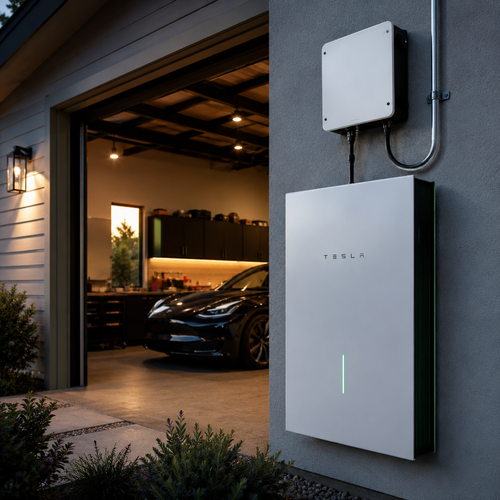
Quick Answer: A home battery can help during a multi-day outage, but on its own its runtime is limited by how much energy it stores and how much you use. Without a way to recharge, a battery alone may run down before a multi-day outage ends, especially if you're powering large loads. The key to extending it is recharging: paired with solar panels, a battery can refill during daylight and potentially run indefinitely through an outage, as long as the sun and your usage cooperate. You can also stretch runtime by reducing your loads — powering only essentials. So the honest answer is: yes, with solar and smart load management; limited, on battery capacity alone.
A home battery promises clean, silent backup power, but a fair question before relying on one is whether it can actually keep your house running through a long, multi-day outage — the kind a major storm can cause. The honest answer is nuanced: a battery can do a lot, but how long it lasts depends on its capacity, your usage, and crucially, whether it can recharge. Understanding those factors tells you what to realistically expect.
A Battery Runs on Stored Energy
The first thing to understand is that a home battery stores a finite amount of electricity. Unlike a generator that produces power as long as it has fuel, a battery delivers the energy it has stored and then needs to recharge. So its runtime during an outage comes down to two things: how much energy it has and how fast you're using it. Power-hungry loads drain it faster; modest loads stretch it. This is the fundamental difference from a fuel-based generator, and it's the key to understanding multi-day performance.
On Capacity Alone, Runtime Is Limited
If a battery can't recharge during an outage, it will eventually run down — and for a multi-day outage, capacity alone may not be enough, particularly if you're trying to power the whole house. A battery sized to run essential loads might cover a day or so on its own, but running large loads like central air can deplete it much faster. So relying on a battery's stored capacity by itself for a multi-day outage is a real limitation. The battery does great for shorter outages, but a long one can outlast its charge if there's no way to refill it.
Solar Changes Everything
The factor that changes a battery's multi-day capability the most is solar. When a home battery is paired with solar panels, it can recharge during daylight hours — refilling the energy you used overnight. This recharging cycle is what can let a battery-and-solar system ride out a multi-day outage: the panels recharge the battery each day, and the battery powers the home through the night. In effect, with enough solar and reasonable usage, the system can keep going day after day, because it's continually replenished. This is why solar pairing is the difference-maker for long outages with a battery.
| Scenario | Multi-day outage performance |
|---|---|
| Battery alone, whole-house loads | Limited; may deplete quickly |
| Battery alone, essentials only | Stretches further, but still finite |
| Battery + solar, reasonable use | Can recharge daily and run indefinitely |
| Battery + solar, heavy use or cloudy | Depends on recharge keeping up with use |
Stretching Runtime With Load Management
Even without solar, you can extend a battery's runtime during an outage by managing your loads — powering only what you truly need. Running essentials like the refrigerator, key lights, and critical devices while holding off on big loads like air conditioning, electric heat, or other heavy demands helps the stored energy last much longer. Many battery systems let you prioritize circuits so the battery feeds only the essentials during an outage. So the answer to "how long will it last" is partly in your hands: the less you draw, the further the battery goes. When combined with solar, conservative usage can considerably extend a system's endurance.
During an outage, treat your battery like a limited resource and prioritize. Keep the fridge, key lights, and essential devices running, and avoid the biggest loads like central air if you want the charge to last. If you have solar, run heavier loads during the day when the panels are recharging, and ease off at night.
Setting Realistic Expectations
So can a home battery keep your house running through a multi-day outage? Realistically, with solar to recharge it and sensible load management, yes, a battery system can sustain a home through a multi-day outage, especially for essential loads. On battery capacity alone, without recharging, it's limited and may not cover a long outage if you're powering large loads. This is exactly why some homeowners in storm-prone areas pair a battery with solar, or pair a battery with a generator — combining the battery's instant, silent operation with a recharge source or fuel-based backup for extended outages. The right setup depends on your priorities, your loads, and how long your outages tend to last. An electrician can assess your needs and design a system that delivers the multi-day reliability you want. The aim is a setup you can count on before the next storm arrives, not one you're guessing about in the dark.
Frequently Asked Questions
It can with the right setup. On its stored capacity alone, a battery's runtime is limited and may not cover a multi-day outage if you're powering large loads. But paired with solar to recharge during the day, and with sensible load management, a battery system can sustain a home through a multi-day outage, especially for essential loads. Recharging is the key factor.
It depends on the battery's stored capacity and how much energy you're using. Power-hungry loads like central air drain it quickly; running only essentials stretches it much further. Without recharging, the battery runs until its stored energy is depleted. With solar to refill it during the day, the runtime can extend dramatically, potentially through a multi-day outage.
Yes, significantly. Solar panels can recharge the battery during daylight, refilling the energy used overnight. This recharge cycle is what can let a battery-and-solar system ride out a multi-day outage — the panels recharge each day, and the battery powers the home through the night. With enough solar and reasonable usage, the system can keep going day after day.
Reduce your loads by powering only essentials — the refrigerator, key lights, and critical devices — while avoiding big draws like air conditioning and electric heat. Many battery systems let you prioritize which circuits the battery feeds during an outage. If you have solar, run heavier loads during the day when the panels recharge. Conservative usage stretches the stored energy considerably.
It depends on your setup and outage length. For the long, multi-day outages a hurricane can cause, a battery alone may not be enough without recharging. Paired with solar, or combined with a generator, it can provide reliable extended backup. Many storm-prone homeowners pair a battery with solar or a generator to ensure coverage through long outages.
Some homeowners do combine them, since each adds something: the battery provides instant, silent backup, solar recharges the battery during outages, and a generator offers fuel-based endurance for the longest outages. The right combination depends on your priorities, loads, and outage patterns. An electrician can assess your situation and recommend the setup that delivers the reliability you need.
It Depends on Recharging
A home battery can absolutely help in a multi-day outage, but on stored capacity alone, its runtime is limited — a long outage can outlast its charge if you're running large loads. The real difference-maker is recharging: paired with solar, a battery can refill each day and sustain your home through a multi-day outage, especially with smart load management. For the longest outages, pairing a battery with solar or a generator is how storm-prone homes get dependable extended backup.
Want backup that lasts through a multi-day outage? — Get a battery, solar, or combined system designed for real storm-season reliability. Castles Electrical serves Virginia Beach, Chesapeake, and Norfolk. Call (757) 765-8222.