
Plugging In With Purpose: The Power of Dedicated Appliance Circuits
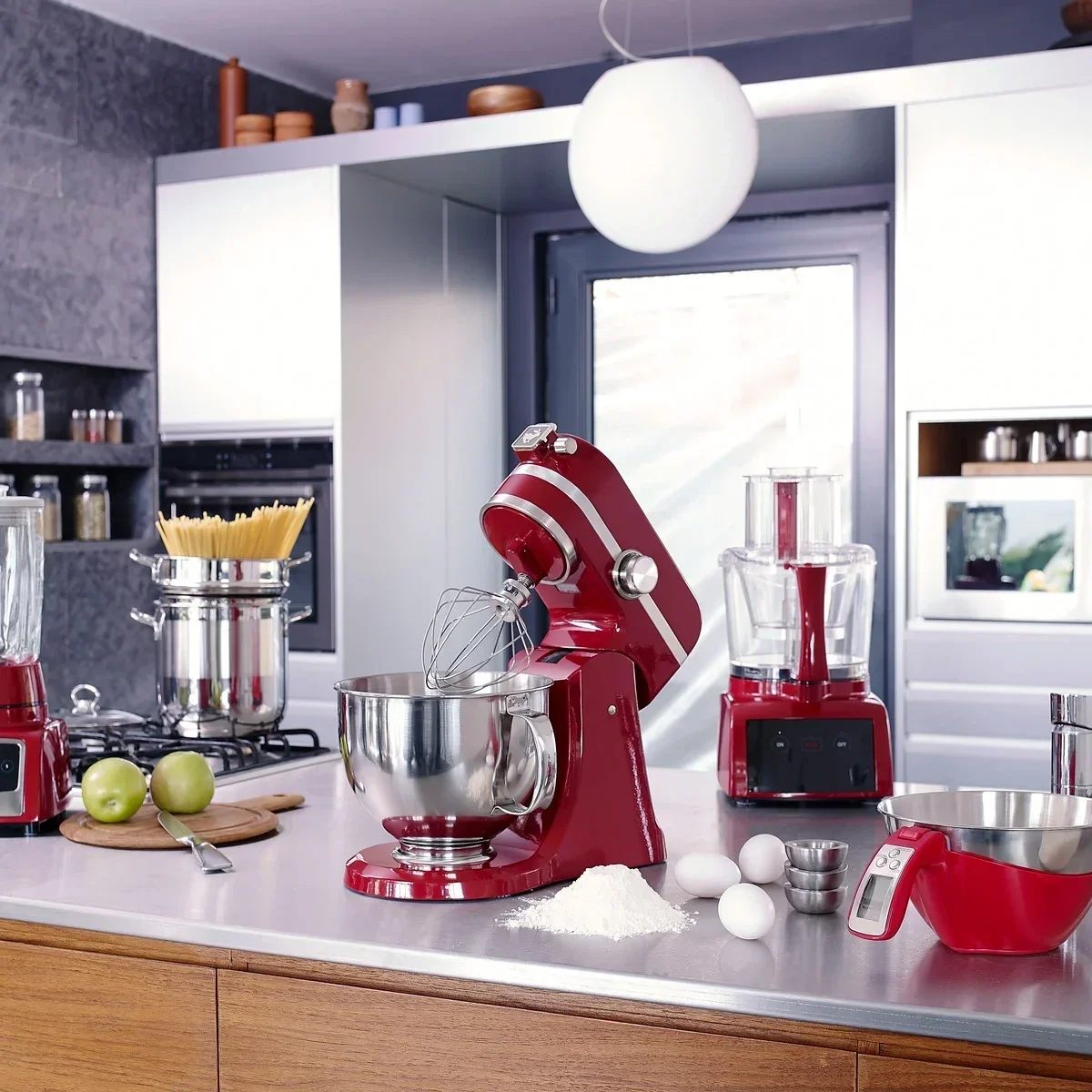
Instead of appliances sharing power like roommates splitting a utility bill, each high-demand machine receives its own line of support, straight from the panel.
Modern appliances are no longer the humble power-sippers they used to be. Between high-efficiency washers, energy-hungry dryers, dual-door refrigerators, and smart ovens that practically text you updates, the average home has become a full-fledged electrical battlefield. When all those appliances try to draw power from the same circuit, someone ends up losing, and it’s usually the breaker.
Shared circuits might have worked decades ago when households had fewer electronics, but they’re not built for today’s demand. A microwave should not be arm wrestling a toaster for power. When appliances trip breakers, flicker lights, or overheat outlets, it’s usually a red flag that the circuit is overloaded.
That’s where dedicated appliance circuit installation steps in as the peacekeeper. Instead of appliances sharing power like roommates splitting a utility bill, each high-demand machine receives its own line of support, straight from the panel.
What Counts As An Appliance Worthy Of Its Own Circuit
Not every plug-in needs a throne of its own, but plenty do. Appliances that draw a significant amount of power or run for long periods benefit from dedicated appliance circuit installation.
We’re talking about refrigerators, dishwashers, garbage disposals, microwaves, electric ranges, ovens, washers, dryers, and HVAC units. Even hot tubs, tankless water heaters, or EV chargers fall into this category. Anything that regularly calls for 1200 watts or more should have its own electrical lane.
In some cases, local code demands it. Kitchens and laundry rooms are especially circuit-sensitive areas because of moisture and power use. Professional electricians stay current with local requirements, which makes the difference between passing inspection and starting over.
The Anatomy Of A Dedicated Circuit
A dedicated circuit is exactly what it sounds like: a single circuit designed to serve a single appliance. It starts at the main panel, runs through the walls, and connects directly to the appliance’s outlet. No other devices plug into that line. It’s like having VIP service to your electrical panel, with no one else allowed on the guest list.
Dedicated circuits use the right amperage and wire gauge for the appliance they serve. A dryer, for instance, may need a 30-amp circuit, while a microwave might require a 20-amp line. The wire and breaker sizes are tailored to the appliance’s power needs.
The result is a safer, more efficient system that won’t blink, trip, or overheat when the appliance runs at full power.
Why Appliances Love Their Own Circuit
Sharing a circuit is stressful. Appliances pull current unevenly, and when one surges, others suffer. Lights may flicker. Breakers may trip. Outlets may get warm. Over time, repeated overloads can damage the appliance or create fire hazards.
With a dedicated appliance circuit, there’s no competition for power. The appliance draws what it needs without fighting over amperage. It runs more efficiently, which can even improve performance. Dryers heat faster. Refrigerators cycle more consistently. Ovens bake with stable temperatures.
Appliances also tend to live longer when they’re not constantly fighting for power. Consistent voltage protects internal electronics and motors. It’s not just about convenience, it’s about longevity.
When Circuits Play Favorites, The Panel Needs An Upgrade
Adding dedicated circuits isn’t always as simple as stringing a new wire. Many older homes have panels that are already maxed out. A 100-amp panel might not have room for another circuit, let alone five new ones.
That’s why professional electricians often assess the electrical panel before installing any dedicated appliance circuit. If the panel is outdated or undersized, an upgrade may be the first step. A 200-amp panel provides more space and flexibility for modern living, and it’s often a necessary part of larger home improvements.
Panel upgrades also improve safety. Newer panels include arc fault protection, GFCIs, and safer breaker technology. It’s the electrical version of adding more lanes to a busy highway.
Smart Kitchens Need Smart Power Distribution
Kitchens are often the most power-hungry room in the house. Between the microwave, refrigerator, oven, range hood, and dishwasher, the circuits are constantly juggling demand. Add a blender, toaster, or air fryer into the mix, and you’ve created an electrical circus.
Dedicated appliance circuits help untangle the chaos. Electricians design layouts that divide loads strategically, keeping each circuit within its safe range. GFCI protection is installed in all the right places, and appliance manuals are consulted to match breaker sizes to specifications.
For anyone planning a kitchen remodel, it’s the ideal time to reassess the wiring. New appliances deserve clean, reliable power, and a smart layout keeps everything running smoothly when dinner prep gets busy.
Laundry Rooms Are No Place For Electrical Guesswork
Washer and dryer sets are heavy-duty players in the home power game. Dryers especially require a dedicated 240-volt circuit to operate. Plugging a dryer into the wrong outlet, or sharing that circuit with something else, can lead to serious overheating or circuit failure.
Even the washer may benefit from a 20-amp dedicated line, especially if it’s paired with modern electronic controls and a built-in water heater. Professional electricians calculate total load and design wiring paths that support both efficiency and safety.
In homes where the laundry setup is located in tight corners or basement nooks, creative routing may be needed. Electricians know how to fish wires cleanly, maintain code compliance, and create access points that don’t interfere with appliances or cabinetry.
Garages And Workshops Deserve Electrical Respect Too
Power tools, air compressors, electric car chargers, and even garage refrigerators all contribute to a rising demand in home garages and workspaces. Extension cords may have worked in the past, but installing a dedicated appliance circuit is the smarter, safer choice.
Garages often house breakers, but they’re rarely equipped with enough circuits for modern use. Dedicated lines prevent overloads during peak operation. No more tripping the breaker when someone starts a circular saw while the garage freezer is running.
Electricians can install outdoor-rated outlets, GFCI protection, and even subpanels in larger garages to support future upgrades. It’s all about building flexibility and safety into your space without giving up performance.
Safety First, Style Second
While appliances get all the attention for their sleek finishes and smart features, the wiring behind them does the heavy lifting. A beautiful oven isn’t much help if it’s constantly tripping breakers or overheating the outlet. Wiring that looks good on the outside only counts when it’s safe and functional behind the scenes.
Dedicated appliance circuit installation is about protecting your investment. Appliances aren’t cheap, and neither is your home. Protecting both starts with a solid electrical foundation.
Electricians use tamper-resistant outlets, weather-rated boxes, and grounded conductors in all the right places. They also document the changes for future inspections or upgrades. When it’s time to sell or remodel again, that work speaks for itself.
Future-Proofing With Forward Thinking
Dedicated appliance circuits aren’t just for current appliances. They also prepare your home for future additions. If you’re thinking about adding a second fridge, installing a hot tub, or buying an electric car, now is the time to plan for it.
Electricians can rough in circuits during remodels or upgrades, leaving access panels or blank faceplates for later use. Planning keeps future projects affordable and avoids repeat demolition.
Homes with smart systems and automated appliances benefit even more from clear, dedicated power paths. Electricians can separate circuits by use type, time-of-day load, or even emergency power priority in case a generator is added later.
Why Hiring A Professional Makes The Difference
Dedicated appliance circuit installation might sound straightforward, but it’s a job with no room for error. Improper wire gauge, mismatched breakers, or incorrect placement can lead to costly damage, voided warranties, or even electrical fires.
Professional electricians do more than pull wire. They analyze load requirements, follow local and national codes, calculate voltage drops, and test everything before closing the panel. The result is a smooth-running home with fewer surprises and safer appliances.
Hiring the right team also adds value. A documented, code-compliant installation reassures homeowners and buyers alike. It’s the kind of work that stays invisible until something goes wrong, and when nothing goes wrong, it’s working exactly as it should.
Plug In With Confidence
Dedicated appliance circuits are one of the quiet heroes of modern home functionality. They prevent headaches, protect your investment, and keep your appliances running without drama. When power is distributed wisely, your home becomes more than just a place to live. It becomes a place that works, with purpose, safety, and just the right amount of personality.
Castles Electrical offers electrical panel installation, electrical panel replacement, whole home rewiring, new construction wiring, generator installation, and backup power solutions to home and business owners in the Virginia Beach area. As a family-owned business, safety and quality are our top priorities. Call today to schedule an appointment.