Beeping for Safety: The True Tale of Smoke Detector Installs
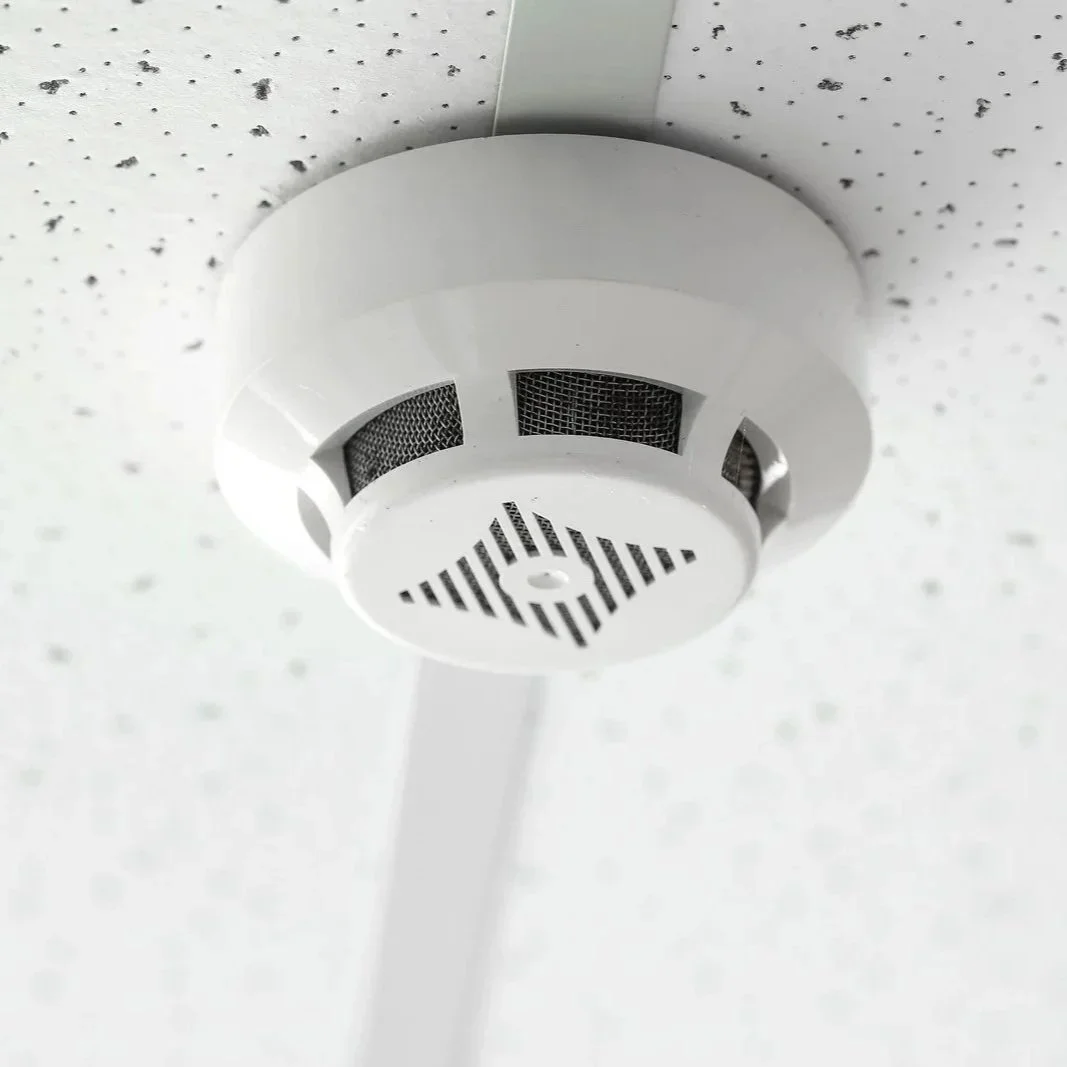
Professionals don’t just install detectors—they design systems that talk to each other, wake up the whole household when danger strikes, and meet modern fire code requirements.
Many homeowners think smoke detectors fall into the “set it and forget it” category. Mount one on the hallway ceiling, press the test button once a year, and assume all is well. Meanwhile, batteries die, dust clogs sensors, and outdated units sit quietly—offering zero protection while looking perfectly innocent.
Smoke detector installation is about more than just sticking a puck to the ceiling. It’s about coverage, wiring, interconnection, and making sure the devices actually do their job when it matters. It’s also about knowing the difference between what works in theory and what saves lives in real-world scenarios.
Professionals don’t just install detectors—they design systems that talk to each other, wake up the whole household when danger strikes, and meet modern fire code requirements.
Why One Detector Is Never Enough
A single smoke detector in the hallway is like having one security camera pointed at your front door and ignoring every other entry point. Fires don’t start where it’s convenient—they start where people least expect. Kitchens, attics, laundry rooms, and bedrooms are all prime suspects.
Modern codes call for smoke detectors in every sleeping area, outside each sleeping area, and on every level of the home. That includes basements and finished attics. The goal is full-home coverage, not hallway guesswork.
Professionals evaluate the home's layout, assess airflow patterns, and identify high-risk areas. Then they install detectors where they’ll do the most good—not just where there’s an open patch of ceiling.
Hardwired Versus Battery Operated
Battery-operated smoke detectors are better than nothing, but they come with limitations. Batteries fail. People forget to replace them. And in some cases, homeowners remove the battery after one too many middle-of-the-night chirps.
Hardwired detectors, installed by professionals, are connected directly to the home’s electrical system. They still have backup batteries in case of outages, but they’re far more reliable in the long run. They also offer one major advantage that battery-only models can’t: interconnection.
When smoke triggers one hardwired detector, every connected unit sounds off. That means a fire starting in the basement alerts the upstairs bedrooms in seconds—not minutes. In an emergency, those seconds matter more than anything else.
Interconnected Systems Save Lives
Fires move quickly, especially with modern building materials and furnishings. A small spark can escalate into a full-room blaze in under five minutes. Relying on one detector to sound the alarm across a two-story home is wishful thinking at best.
Professionally installed, interconnected smoke detector systems allow each unit to communicate with the others. If smoke triggers a detector in the garage, the one in the master bedroom starts beeping too. That kind of coordination gives everyone a better chance of responding before the fire spreads.
Interconnection can be wired or wireless. Wired connections offer strong reliability, while wireless interlinked models make installation easier in homes without attic access or existing wiring. Professionals know which system works best for each home's layout and conditions.
Smoke Versus Heat Versus CO
Not all detectors serve the same purpose. Smoke detectors sense particles in the air. Heat detectors respond to rising temperatures. Carbon monoxide detectors sniff out an invisible, odorless gas that kills without warning. Knowing which to use—and where—is part of what makes professional installation so valuable.
Kitchens and garages often trigger false alarms on smoke detectors. A heat detector in those areas provides safer coverage without nuisance beeping every time someone sears a steak or starts a cold engine.
Carbon monoxide detectors are crucial wherever gas appliances, fireplaces, or attached garages are present. CO is silent, invisible, and undetectable without proper equipment. Installing the right detector in the right location is the only way to stay protected.
Location Can Make or Break a System
Even the best smoke detector won’t work if it’s installed in the wrong spot. Too close to an HVAC vent, and airflow might blow smoke away from the sensor. Too close to a ceiling fan, which may delay detection. Mount one near a shower, and steam could trigger false alarms, leading frustrated homeowners to pull the unit down.
Professionals install detectors based on ceiling height, room volume, and airflow. They follow code guidelines and manufacturer instructions to place each unit so it responds quickly and accurately.
Spacing also matters. Installing two smoke detectors too close together can actually interfere with their sensors. Too far apart, and you risk delayed alerts. It’s all about balance—and a little bit of know-how.
Avoiding False Alarms Without Sacrificing Safety
False alarms are more than just annoying. When detectors beep unnecessarily, people start ignoring them—or worse, disabling them. That’s why it’s important to match the detector type to the space.
Photoelectric detectors are less prone to false alarms caused by cooking and steam, making them ideal for kitchens and bathrooms. Ionization detectors are more sensitive to flaming fires, which can be ideal for bedrooms and hallways.
Professionals select detectors that suit the specific environment and install them with false alarm reduction in mind. They also test the system under real conditions to confirm everything works together as it should.
Code Compliance and Peace of Mind
Local building codes dictate how many detectors a home needs, where they must be placed, and what type of power source they require. Codes change over time, and what was acceptable ten years ago might not meet today’s standards.
Professionals stay up to date with local regulations and install detectors that meet or exceed code. That’s especially important during home sales or renovations, when inspections can reveal outdated or missing smoke detection systems.
Installation is more than mounting a plastic device on the ceiling. It includes running wire, grounding the system, connecting to the panel, and labeling breakers. Every detail counts—and every connection plays a role in protecting the people inside.
Battery Backup Isn’t Optional
Hardwired detectors still rely on backup batteries. If the power goes out during a storm or emergency, the detectors need to keep working. Professionals install battery backups and show homeowners how to test and replace them regularly.
In some systems, sealed lithium batteries provide ten years of life without needing replacement. Others use standard 9-volt batteries that require annual changes. Either way, a chirping detector isn’t something to ignore. It’s a built-in reminder to keep the system ready for action.
Smart Detectors Offer More Features
Newer smoke detectors offer smart features that go far beyond a beep. Some connect to home networks and send alerts to phones or tablets. Others detect humidity levels, monitor air quality, or provide voice alerts that identify the type and location of danger.
Smart systems can be integrated with home security panels, lighting systems, or HVAC controls. When smoke is detected, lights can turn on, fans can shut off, and emergency services can be contacted automatically.
Professionals install and configure smart smoke detectors to work with existing systems. They test network connectivity, confirm proper pairing, and provide guidance on app usage and notifications. It’s not just about fancy features—it’s about smarter safety.
Replacing the Old With the New
Smoke detectors don’t last forever. Most have a recommended lifespan of ten years. After that, their sensors degrade, and response times increase. A detector that looks fine might be past its expiration date without showing any outward signs.
Professionals check manufacturing dates, replace outdated units, and upgrade systems where needed. They remove old wiring, update connections, and install devices that reflect the latest in detection technology.
Sometimes, replacing a single detector means evaluating the whole system. If only one unit is upgraded and the others remain outdated, interconnectivity may not work as intended. Professionals make sure every component speaks the same language.
Trusting the Beep Again
When a smoke detector chirps without reason or fails to respond to an actual hazard, trust breaks down. Homeowners stop relying on the system. And that’s a risk no one can afford.
Professionally installed detectors restore confidence. They beep when they’re supposed to, stay quiet when they should, and cover the home like a silent, dependable safety net.
Smoke detector installation is about more than compliance. It’s about protecting real lives, valuable homes, and peace of mind. Beeps that warn. Lights that flash. Systems that react in seconds, not minutes.
Because when it comes to fire safety, second chances don’t always come around. A properly installed system gives every household its best first chance. And that’s where professional service makes all the difference.
Castles Electrical is the one-stop destination for electrical panel installation, electrical panel replacement, whole home rewiring, new construction wiring, electrical safety inspections & code compliance and commercial electrician services in the Virginia Beach area. Serving residential and commercial customers, our licensed electricians always put customers first. Call today for a free estimate.