Power in a Pinch: Wild Stories of Generator Installations Gone Right (and Wrong)
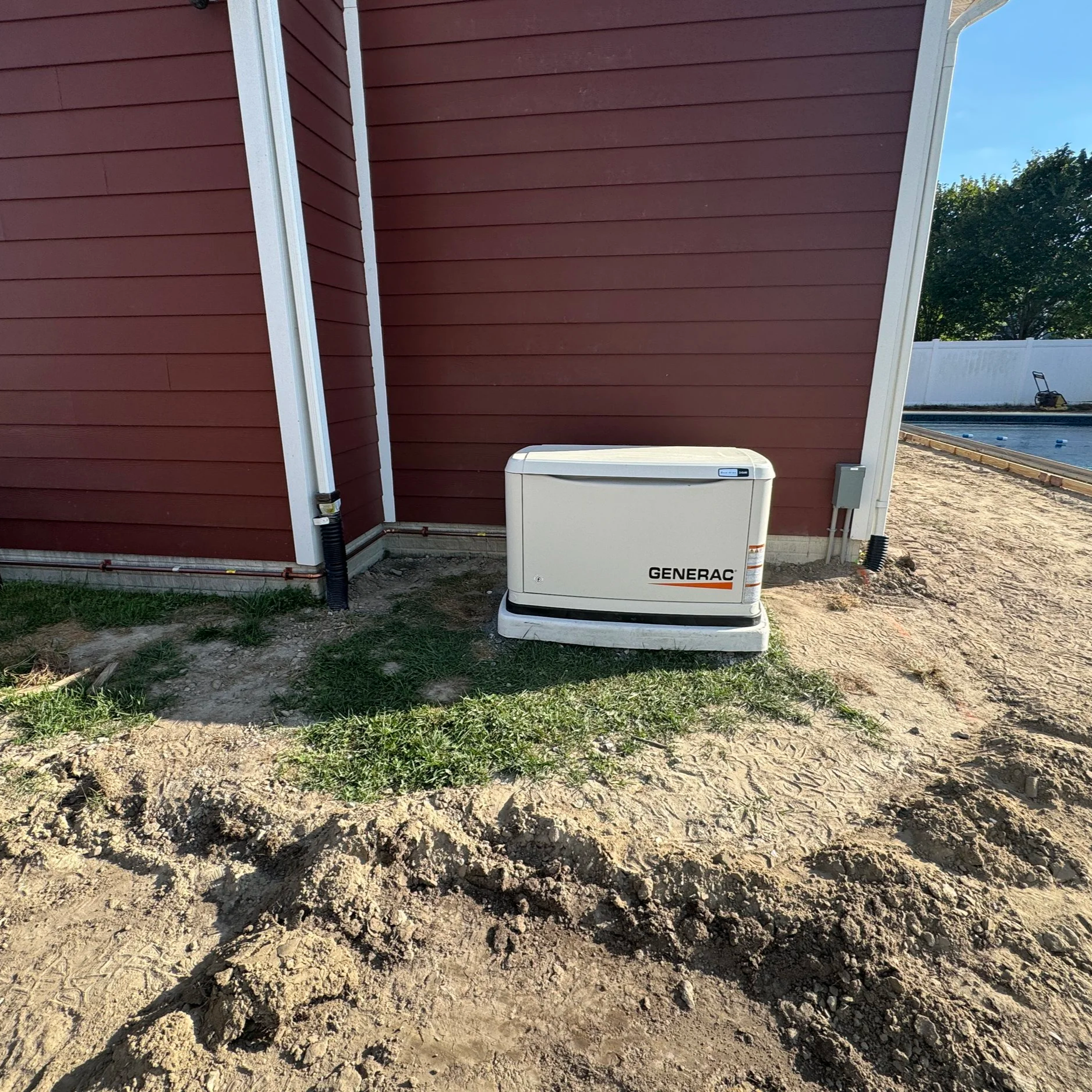
Professionally installed generators swoop in like backup quarterbacks, ready, reliable, and quietly heroic.
Nothing tests a household's or business's patience quite like a sudden power outage. Refrigerators hum their last, security systems blink off, and HVAC units throw up their hands in surrender. Whether it's a suburban home or a bustling warehouse, a power outage is an instant headache. That's where generator installation for residential and commercial properties becomes more than a convenience. It becomes survival.
Professionally installed generators swoop in like backup quarterbacks, ready, reliable, and quietly heroic. But sometimes, the road to electrical independence is less than smooth. We've seen it all. Some installations shine like a perfectly choreographed dance. Others? Let's just say duct tape and garden hoses have no place in electrical infrastructure.
The Backyard Barbecue That Nearly Barbecued the House
Let's start with a cautionary tale from a suburban home where the homeowner took on the installation of a generator himself. He bought a sizable portable generator, ran an extension cord through the kitchen window, and proudly claimed his house was "good to go."
Then came the barbecue.
He fired up the grill and, wanting ambiance, plugged in a string of outdoor lights. Suddenly, the lights flickered, the fridge groaned, and the generator began sputtering like an old lawnmower. Turns out, he overloaded the generator by simultaneously running the fridge, lights, Wi-Fi, TV, and, inexplicably, a popcorn maker.
When we arrived, his extension cord setup looked like a plate of spaghetti that had lost a fight with a squirrel. We installed a proper transfer switch, upgraded his load calculations, and hooked up a standby generator with automatic start capability. He now enjoys seamless power during outages, and we enjoy knowing no one's risking electrocution for mood lighting.
Office Chaos Averted Just In Time
One of our favorite commercial saves happened at a local law office that relied heavily on cloud-based systems and digital phone lines. Power went down on a Monday morning, and their backup generator, installed by "a guy who used to do marine engines," refused to start. Cue the chaos: clients stranded, files inaccessible, and paralegals trying to print contracts by flashlight.
We showed up, inspected the setup, and realized the wiring resembled something between modern art and a puzzle with missing pieces. The system was not grounded properly, and the transfer switch was wired backward. We replaced the whole configuration with a properly rated commercial generator, upgraded the electrical panel, and created a maintenance schedule that the office could actually follow.
Now their system kicks in without a hitch, no paralegal panic necessary.
The Silent Savior For A Family With Medical Needs
In some homes, backup power isn't just about comfort. It's about safety. One installation that left a lasting impression involved a household with a child who relied on a medical oxygen machine. When storms swept through the area and knocked out power for two days, the family had no backup. A neighbor shared their portable generator using a maze of extension cords and power strips, not ideal when life-saving equipment is involved.
We were called in for a permanent solution. We installed a residential standby generator with a whole-home automatic transfer switch. The system now starts within seconds of power loss and prioritizes essential circuits, including the medical devices, refrigeration, and HVAC.
It wasn't flashy or dramatic, but it's one of the most meaningful generator installations we've completed.
When The Business Is The Power
There's a local butcher shop that runs on cold storage and customer loyalty. When they called us about installing a commercial generator, we did a full site assessment. The twist? Their refrigeration systems had custom-built motors from the 80s and fluctuated wildly in power demand.
We designed a three-phase commercial generator system with load-shedding capabilities and a smart monitoring panel that allows the owner to remotely control usage. The generator was installed over the weekend, the switchover happened cleanly, and the steaks stayed frosty.
Now every time the grid fails, the shop stays open. And the owner swears by his "meat-powered miracle."
The Horror Show Of Mismatched Parts
Sometimes we arrive to find a previous install that reads like a list of what not to do. One homeowner had pieced together a setup using parts sourced from garage sales and online auctions. The generator was rated for camping, the inlet box had exposed wires, and the grounding system connected to a copper pipe stuck into a potted plant. The whole setup buzzed when powered on. Buzzed.
We pulled the system immediately and walked through the risks with the homeowner. He agreed to a complete overhaul. We installed a properly sized residential standby unit with dedicated wiring, permanent grounding, and a code-compliant transfer switch. He now sleeps better, the dog stopped barking at the buzzing, and no one's tripping over extension cords during a storm.
Choosing The Right Generator Isn't Guesswork
Sizing a generator involves more than plugging numbers into a calculator. We look at your total load, startup currents, critical circuits, and future expansion plans. In residential generator installations, we often recommend units that prioritize HVAC, refrigeration, and lighting. For commercial projects, we evaluate business continuity needs, data protection, and compliance requirements.
We handle everything from permits to fuel sourcing, including natural gas, propane, and diesel. Every installation includes testing, inspection, and owner training. If the power ever cuts out, your generator will know what to do even if you're halfway through a nap.
Transfer Switches: The Unsung Heroes
Transfer switches are the gatekeepers between your building and the power grid. Without them, backfeeding can occur, endangering line workers and damaging utility equipment. Automatic transfer switches (ATS) allow your generator to respond to outages instantly and safely, while manual transfer switches offer a hands-on option for smaller or more cost-conscious setups.
One of our customers, a retired engineer, was convinced he didn't need an ATS. He liked the idea of flipping breakers himself. After one storm, he forgot to switch back, leaving his generator running for four days straight while the grid power hummed quietly in the background. He now has an ATS, and his fuel bill has thanked him for it.
Generator Location Matters More Than You Think
Placement is key to a successful generator install. Too close to windows or doors, and you risk carbon monoxide intrusion. Too far from the service panel, and the wiring costs can climb. We always assess ventilation, local code requirements, decibel levels, and maintenance access.
We once had a commercial client who requested that their generator be hidden behind a decorative retaining wall. It looked great until it needed service. The wall had to be dismantled for basic oil changes. We now offer pre-install consultations that include realistic maintenance access. Beauty and practicality can absolutely share a zip code.
Maintaining Your Backup Power Isn't Optional
Once the generator is installed, it needs regular attention. We recommend biannual servicing that includes oil changes, spark plug inspection, fuel quality checks, and system testing. For commercial generator installations, we also test load capacity and simulate outages to confirm system response.
We've seen systems fail simply because they sat too long without a test run. Fuel can go bad. Rodents can chew wiring. One commercial unit was full of acorns when we opened it. Apparently, the local squirrels had strong opinions about backup power.
Scheduled maintenance keeps your generator ready for the unexpected. We offer service plans that fit both residential and commercial needs, so your system stays in peak condition.
Lessons From The Generator Trenches
After years of installations across homes, restaurants, offices, and everything in between, we've picked up a few universal truths. Every building is unique. Every outage is inconvenient. And every generator installation is a mix of engineering, planning, and trust.
From luxury homes needing whisper-quiet standby units to commercial properties that demand industrial-grade performance, we approach each project with precision and a sense of humor. Because when the power flickers and the neighborhood panics, our clients simply hear a click and a confident hum.
There's no better feeling than watching a well-installed generator power up like a superhero answering the call. Unless, of course, you're the one who made it happen.
Castles Electrical offers electrical panel installation, electrical panel replacement, whole home rewiring, new construction wiring, generator installation, and backup power solutions to home and business owners in the Virginia Beach area. As a family-owned business, safety and quality are our top priorities. Call today to schedule an appointment.