
Why Am I Getting Shocked by My Light Switch? Virginia Beach Electrical Guide
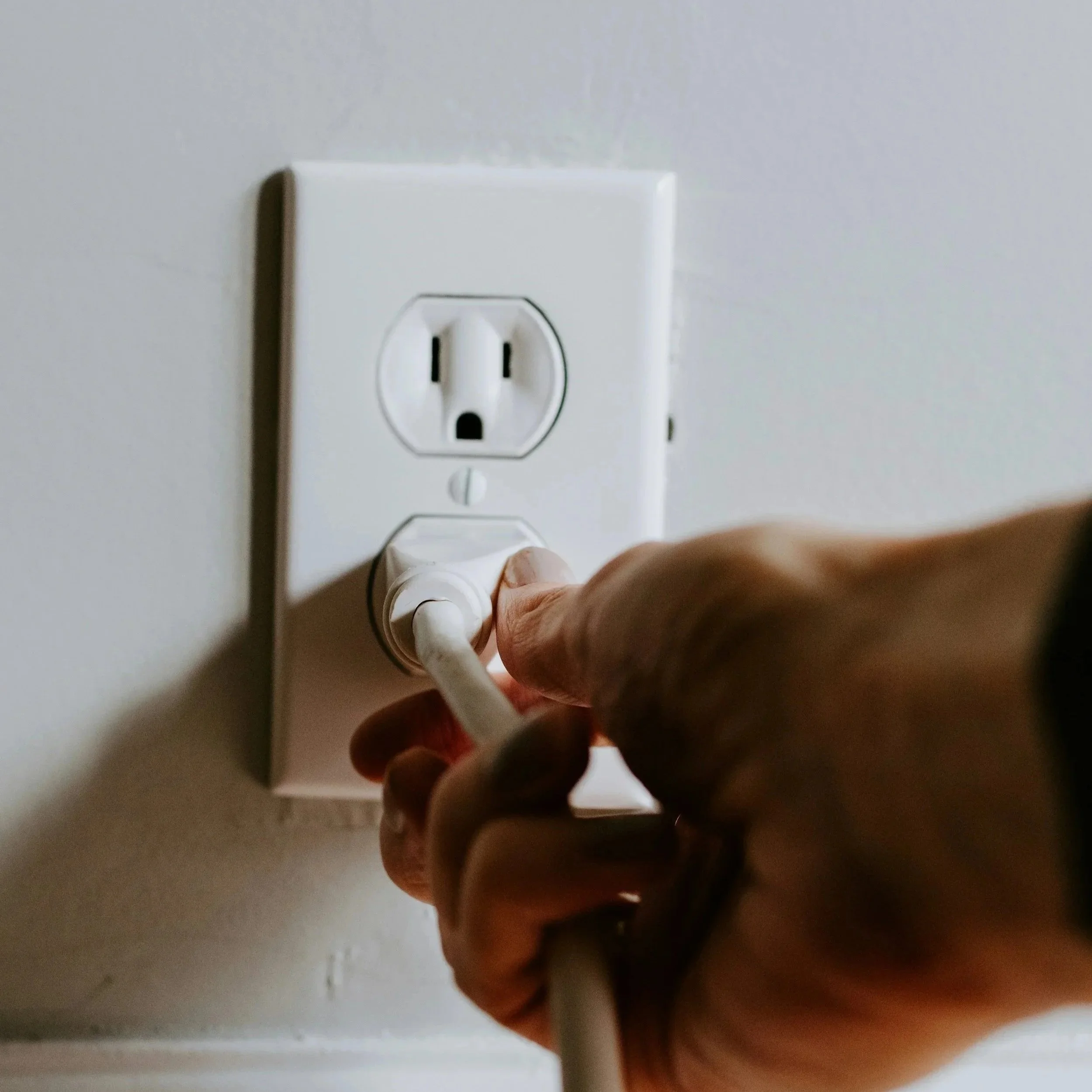
Common causes for light switch shocks include loose wiring, improper grounding, or static buildup, requiring professional inspection for home safety.
Why Electrical Shocks From Light Switches Are Never Normal
A light switch should feel inert when touched. Any sensation of shock, even a mild tingle, signals a problem that deserves attention. In Virginia Beach homes, shocks often surprise homeowners because the switch still works and the lights still turn on. That surface-level normalcy creates a false sense of safety. Electricity does not behave casually. When current escapes its intended path, something has already failed or degraded inside the system.
Electrical shocks occur when current finds a path through the body to ground. That path might form because a wire is exposed, a connection is loose, or grounding is compromised. Coastal humidity accelerates corrosion and insulation breakdown, making Virginia Beach homes especially vulnerable. Even a brief shock indicates that the electrical system no longer controls current as designed, and uncontrolled current raises the risk of fire, equipment damage, and more severe injury.
Loose Wiring Inside The Switch Box
Loose wiring ranks among the most common causes of shocks at light switches. Inside the electrical box, wires connect to the switch terminals using screws or clamps. Over time, vibration, thermal expansion, and contraction loosen those connections. Each time the switch operates, current flows through imperfect contact points, creating heat and micro arcing.
In Virginia Beach, temperature swings and moisture infiltration worsen loosening. When a wire pulls partially free, the bare conductor may contact the metal box or switch frame. Touching the switch then places the homeowner between energized metal and ground. Shocks from loose wiring often feel intermittent and unpredictable, which makes them especially dangerous because they encourage people to ignore early warning signs rather than address the underlying cause.
Damaged Or Degraded Wire Insulation
Electrical wire insulation protects users from direct contact with energized conductors. Over time, insulation dries, cracks, or becomes brittle. In older Virginia Beach homes, insulation materials used decades ago degrade faster under humid coastal conditions. Rodents, insects, or improper installation further damage insulation inside walls and boxes.
When insulation fails near a switch, exposed copper may contact the switch body or box. Plastic switch plates hide these failures until a person touches the switch and completes the circuit. Shocks from insulation damage may feel stronger during damp conditions when skin resistance lowers. Ignoring insulation degradation allows progressive exposure that increases both shock severity and fire potential.
Improper Or Missing Grounding
Grounding provides a safe path for stray electrical current. When grounding is missing or compromised, the current searches for alternative paths, sometimes through people. Many Virginia Beach homes built before modern grounding standards lack proper grounding at switches. Renovations that replace fixtures without upgrading grounding worsen the issue.
A switch without grounding may function normally until a fault occurs. At that point, the switch body or plate can become energized. Touching it then produces a shock. Grounding issues often go unnoticed because lights operate as expected. The absence of grounding removes a critical safety layer designed to protect occupants when other failures occur.
Moisture Intrusion And Coastal Humidity Effects
Moisture plays a significant role in electrical shock incidents in coastal environments. Virginia Beach homes experience persistent humidity, salt air, and occasional water intrusion. Moisture lowers electrical resistance and promotes corrosion on terminals and conductors.
When moisture enters a switch box, it creates conductive paths where none should exist. Corrosion builds on metal parts, reducing contact integrity and increasing leakage current. A homeowner touching a switch under humid conditions may feel a shock that disappears when the air dries. That inconsistency masks a growing hazard. Moisture-related electrical faults worsen over time and rarely resolve without intervention.
Faulty Switch Mechanisms And Internal Failures
Light switches contain internal components that wear with use. Springs, contacts, and moving parts degrade after thousands of cycles. Internal arcing erodes contact surfaces, increasing resistance and heat generation. Eventually, current may escape the intended path and energize the switch body.
Inexpensive or older switches fail sooner, especially when controlling heavier loads or incompatible fixtures. In Virginia Beach homes, ceiling fans, LED lighting retrofits, and outdoor lighting circuits place additional stress on switches. Shocks caused by internal switch failure often accompany buzzing, flickering lights, or warm switch plates. Replacement addresses both the shock risk and the underlying mechanical degradation.
Metal Switch Plates And Improper Installation
Metal switch plates offer durability and aesthetics but introduce additional shock risk when installed improperly. A metal plate must bond correctly to the ground. If grounding is absent or incorrect, the plate can become energized during a fault.
In some Virginia Beach homes, decorative metal plates replace plastic covers without addressing grounding requirements. Even a small fault inside the box can energize the plate. Touching it then delivers a shock. Metal components demand precise installation practices. Without them, they amplify the consequences of existing wiring defects rather than protect against them.
Voltage Leaks And Induced Current
Not all shocks feel sharp or painful. Some present as mild tingles caused by voltage leaks or induced current. Long parallel wiring runs, improper neutral connections, or shared circuits can introduce stray voltage onto switch components.
These conditions often appear in older homes where circuits have been modified repeatedly. In Virginia Beach neighborhoods with decades of incremental electrical changes, such issues surface frequently. While mild, voltage leakage shocks still indicate improper current control. Left uncorrected, leakage can escalate as insulation and connections degrade further.
Why Ignoring Switch Shocks Leads To Bigger Problems
Electrical systems rarely fail all at once. They deteriorate gradually, offering warning signs along the way. A shock from a light switch represents one of those warnings. Ignoring it allows continued degradation, increasing the likelihood of arc faults, overheated conductors, or fire inside walls.
Virginia Beach homes face an elevated risk due to humidity and salt exposure. Electrical fires often start from small, overlooked faults that progress over time. Addressing shocks early prevents larger, costlier repairs and protects both property and occupants.
Why Electric Shocks at Light Switches Happen in Virginia Beach Homes
Getting shocked by a light switch is never normal, even if it feels minor or only happens occasionally. In Virginia Beach homes, these incidents tend to confuse homeowners because the shock may appear random, seasonal, or isolated to a single switch. Electrical systems, however, behave predictably when viewed from a systems perspective. A shock indicates that electricity is escaping its intended path and finding an alternate route through a person, which only happens when something in the wiring, grounding, or environment is no longer doing its job.
Coastal conditions amplify these problems. High humidity, salt air, and fluctuating temperatures all accelerate wear inside switch boxes and wiring connections. A light switch that worked safely for years can begin delivering shocks once corrosion builds or moisture lowers resistance. The shock itself is not the problem, but rather the warning signal that protective layers within the electrical system have started to fail. Understanding why these failures occur requires looking beyond the switch faceplate and into how electricity moves through a home.
How Light Switches Are Supposed to Control Electricity
A standard light switch operates by opening and closing a circuit. When flipped on, it allows current to travel from the power source to the fixture and back along the neutral path. When flipped off, it breaks that path so electricity no longer flows to the light. In a properly wired system, the switch interrupts the hot conductor only, keeping metal components and surrounding materials free from energized voltage.
Problems arise when the wiring does not follow that design. If the neutral wire is switched instead of the hot wire, voltage can remain present at the fixture or switch even when turned off. Loose connections allow electricity to leak onto metal parts. Missing or failed grounding removes the safety pathway designed to redirect stray current safely into the ground. Any of these conditions turns a simple on-off device into a shock hazard waiting for human contact.
Why Grounding Failures Are a Common Cause of Shocks
Grounding serves as the safety net of an electrical system. When electricity escapes its intended conductor, grounding provides a low-resistance path that sends that energy safely away instead of through a person. In Virginia Beach homes, grounding problems are common due to age, corrosion, and outdated wiring methods.
Older homes may lack proper grounding entirely, especially those built before grounding standards were widely enforced. Even homes with grounding can develop issues when corrosion eats away at connections or moisture infiltrates junction boxes. Salt air accelerates this process, slowly degrading metal over time. Without an effective ground, stray voltage has nowhere to go until a person touches the switch, completing the circuit unintentionally.
How Moisture and Humidity Increase Shock Risk
Virginia Beach experiences high humidity for much of the year, and moisture plays a major role in electrical shock incidents. Moist air lowers resistance, allowing electricity to travel more easily across surfaces that would normally be safe to touch. Condensation can form inside walls, switch boxes, and conduits, especially near exterior walls or bathrooms.
Moisture also speeds corrosion, weakening wire insulation and terminal connections. A switch that feels dry to the touch may still sit inside a damp box where electricity can bridge small gaps. Shocks often occur more frequently during summer months or after storms because environmental conditions temporarily make existing faults more noticeable rather than creating new ones.
Loose Wiring and Terminal Connections
Electrical systems rely on tight, secure connections to function safely. Over time, wires can loosen due to thermal expansion, vibration, or poor installation practices. A loose wire increases resistance, creating heat and allowing voltage to escape its intended path. At a light switch, that escaped voltage can energize the metal strap or screws, which then transmit a shock when touched.
In many Virginia Beach homes, switches have been replaced or modified multiple times over the decades. Each alteration introduces opportunities for loose connections, improper torque, or damaged insulation. These issues may remain hidden for years until environmental factors or increased electrical load push the system beyond its tolerance.
Reverse Polarity and Incorrect Wiring
Reverse polarity occurs when the hot and neutral wires are connected incorrectly. While lights may still function, the safety assumptions of the system break down. Switches and fixtures can remain energized even when turned off, increasing the likelihood of shocks.
Incorrect wiring often results from DIY repairs or outdated installation practices. In homes where multiple generations of electrical work coexist, mismatched standards create unpredictable behavior. A homeowner may receive a shock from a switch that appears off because voltage is still present on components that should be neutral. These issues require testing rather than visual inspection to be identified accurately.
FAQs
The plate becomes energized when stray voltage contacts the switch strap or screws, allowing current to travel through the metal surface.
Yes. Even mild shocks indicate uncontrolled electricity, which can escalate into severe injury or fire if left unresolved.
Replacing the switch helps only if the switch itself fails. Many shock issues originate elsewhere in the circuit.
Older homes often lack modern grounding or contain aged wiring that increases shock risk, especially in coastal conditions.
Yes. Turn off the circuit and have the issue evaluated to prevent injury or further damage.
Trust Castles Electrical in the Virginia Beach area for professional interior lighting installation, exterior lighting installation, recessed lighting installation, security lighting installation and outlet & switch installation & repairs. We have built a strong reputation on quality workmanship and reliable services. Our licensed electricians bring years of experience and expertise. Get your free estimate today!