
Are Permits Needed for Electrical Panel Replacement in Virginia Beach?
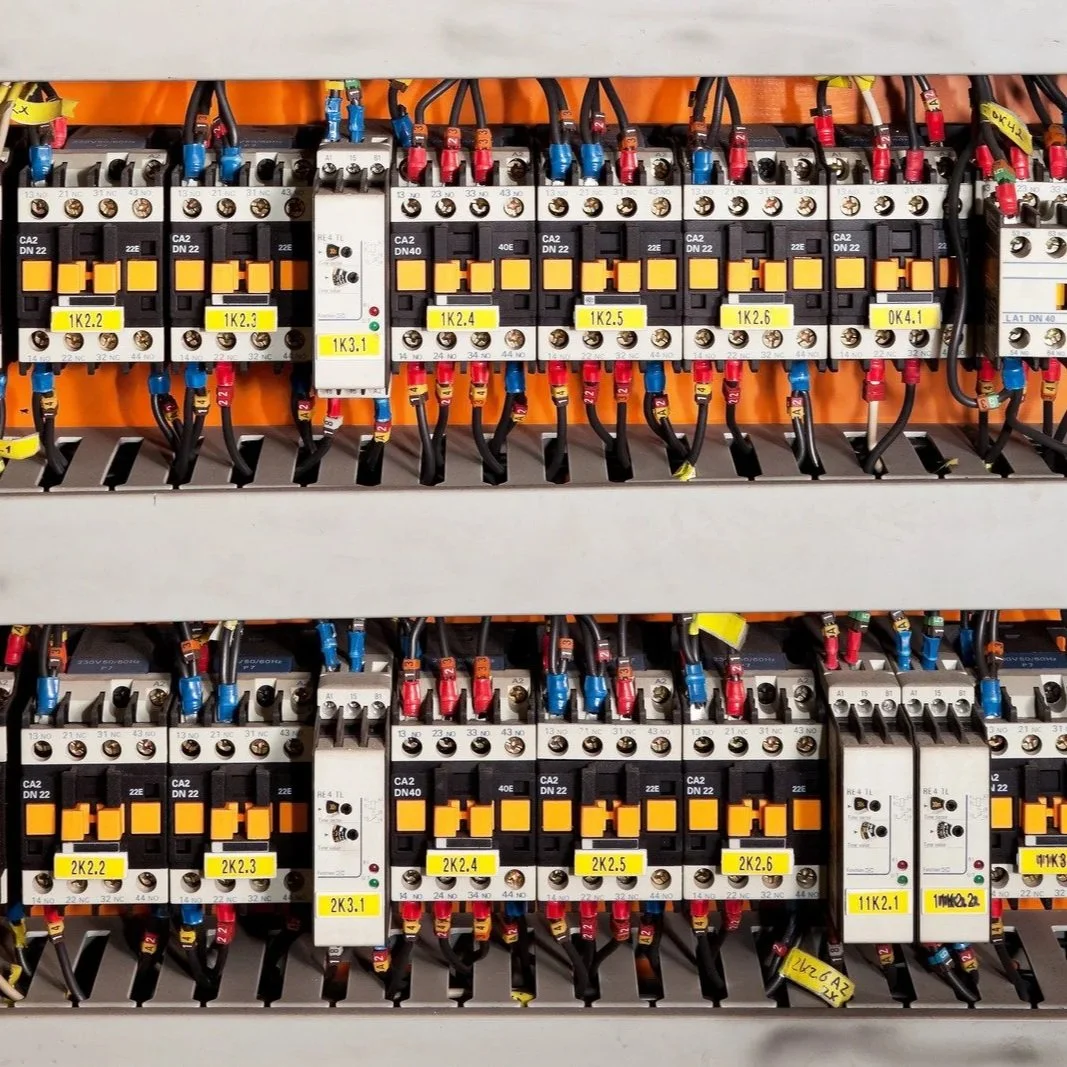
Many homeowners pursue panel upgrades to correct safety issues, increase available amperage for modern appliances, or meet code requirements during renovations.
Replacing an electrical panel means taking out an old, outdated, or unsafe panel and installing a new one that meets today’s safety codes and power demands. This applies to both homes and commercial buildings. Many homeowners pursue panel upgrades to correct safety issues, increase available amperage for modern appliances, or meet code requirements during renovations.
Common reasons for replacement
Many Virginia Beach homes still have old fuse boxes, aging breaker panels, or brands known for safety defects. Other common triggers include frequent breaker trips, not enough electrical capacity for remodeling, visible corrosion, insurance requirements, or signs of overheating. As buildings age and electrical needs grow, panels become strained and show problems that a replacement can fix.
Types of electrical panels
Homes in Virginia Beach typically use main service panels, subpanels, or older fuse-style systems. Modern breaker panels are standard in newer areas, while older neighborhoods may still rely on fuse boxes or early breaker designs. Main panels handle the distribution of electricity throughout the property. Subpanels expand capacity for garages, additions, or detached structures.
Signs your panel needs replacement
Red flags include burning smells, rust or corrosion, hot panel surfaces, buzzing sounds, discolored breakers, or breakers that won’t reset. Ignoring these signs increases the chances of electrical fires or system failures and calls for a prompt inspection.
Legal requirements for electrical work in Virginia Beach
Statewide Virginia electrical codes and local amendments
Electrical work in Virginia follows the Virginia Uniform Statewide Building Code. Cities like Virginia Beach adopt this code and add local amendments tailored to regional needs, such as moisture protection for coastal conditions. These rules help guarantee that all electrical installations meet acceptable safety standards.
What an electrical permit is
Electrical permits regulate the installation, modification, or replacement of electrical systems. They allow inspectors to review the work, document it for public records, and confirm its safety. In Virginia Beach, permits help ensure panel replacements follow the National Electrical Code, along with local requirements.
Permit requirements for panel replacement
Panel replacements almost always need a permit. Any change involving service equipment, the panel enclosure, or its amperage rating requires official approval. Small repairs, such as replacing a single breaker, may not need a permit, but full panel replacements or upgrades do.
Who can apply for permits
Licensed electricians or contractors registered with the city can request permits. While homeowners can sometimes pull their own electrical permits, panel replacements are usually restricted because of the safety risks involved.
The permit process for electrical panel replacement
Steps to apply for a permit
The process starts by collecting details about the existing system, the new panel, and contractor information. Homeowners or electricians complete and submit the application through the Virginia Beach online portal or visit the office in person. After submitting documents and paying the required fees, the application moves into review.
Documentation needed
Typical documentation includes the new panel’s model information, load calculations, a service layout diagram, proof of property ownership, and the contractor’s license information. These details help the city confirm that the project is safe before granting approval.
Fees and costs
Permit fees depend on the size of the panel, the complexity of the work, and the current city fee schedule. Additional charges may apply for service upgrades or multiple inspections. Payments can usually be handled online.
Timeline for approval
Most permits are approved within a few days. Extra review time may be needed if documents are incomplete or if the city is experiencing a high volume of applications.
Inspections and compliance after permit approval
Scheduling inspections
After the permit is issued, the electrician or homeowner schedules the required inspections. Some projects only need a final inspection, while those involving wiring changes may also need a rough-in inspection.
What inspectors look for
Inspectors check grounding and bonding, breaker types, wire sizing, panel labeling, panel height, and accessibility. They confirm that everything complies with the NEC and local amendments.
If the installation fails inspection
If something doesn’t pass, the inspector issues a correction notice. Once the issues are fixed, a re-inspection must be scheduled. The work is not considered complete until it passes inspection.
Finalizing permitted work
The permit is officially closed once the inspector signs off. Homeowners should keep a copy of the approval because insurance claims, renovations, and property sales often require proof that the work was done correctly.
Risks and consequences of skipping permits
Safety risks
Unpermitted panel work increases the risk of fires, electric shocks, and system failures. Many electrical accidents can be traced back to panels that were installed without proper grounding or breaker protection.
Legal and financial penalties
Virginia Beach can issue stop-work orders, fines, or require that unpermitted work be removed. Homeowners may be held financially responsible if unsafe electrical work causes injuries or property damage.
Impact on home insurance
Insurance companies frequently deny claims related to electrical fires or damage if the work wasn’t permitted. Most policies expect documented proof of code-compliant installation.
Problems during property sales
Unpermitted panel replacements can lead to delays, lower sale prices, or required corrections before closing. Buyers often request documentation, and missing permits can create red flags during inspections.
Working with licensed electricians in Virginia Beach
Why hiring a licensed electrician matters
A licensed professional ensures the installation is safe, sized correctly, and compliant with state and local regulations. Virginia Beach requires licensed electricians for most major electrical upgrades, including panel replacements.
How to verify an electrician’s credentials
Homeowners should confirm city registration, state licensing, proof of insurance, and references. Permit history is another way to check whether an electrician consistently completes compliant work.
Benefits of professional installation
Professionals help avoid installation errors, streamline the inspection process, and often offer warranties or service guarantees. They also handle the entire permitting process, reducing stress and delays.
How electricians handle permits
Reputable electricians manage all paperwork, work directly with the city, schedule inspections, and maintain full documentation. Their knowledge of local rules helps prevent mistakes.
DIY electrical panel replacement: is it allowed?
Virginia Beach rules for DIY electrical work
Homeowners may complete small electrical projects themselves, but panel replacement is typically off-limits because of the safety hazards and strict code requirements. Panel replacement is considered advanced work that requires professional licensure.
DIY risks and drawbacks
Even if DIY seems less expensive, it carries risks like electrocution, code violations, failed inspections, and denied insurance coverage. Mistakes can create hidden hazards that may not show up until long after the work is done.
How permitting differs for homeowners
Homeowners who pull their own permits must meet the same standards as licensed electricians. Inspections may also be stricter since the work was not done by a professional.
Insurance and warranty issues
DIY installations often void equipment warranties and can give insurers grounds to deny electrical-related claims in the future.
Conclusion
Permits are essential for electrical panel replacements in Virginia Beach. They verify that the work is safe, legal, and compliant with state and local codes. Licensed electricians handle the complex technical requirements, improve inspection outcomes, and deliver dependable installations that protect both property and investment. Attempting unpermitted or DIY panel replacement can lead to major safety hazards, insurance problems, fines, and complications during home sales. Following the city’s permitting and inspection guidelines helps homeowners achieve long-term safety and peace of mind.
Urgent FAQs About Electrical Panel Replacement Permits in Virginia Beach
Do I always need a permit to replace my electrical panel in Virginia Beach?
Most panel replacements require a permit because they involve changes to the service equipment and safety components. Only minor repairs might be exempt.
How long does it take to get an electrical panel replacement permit in Virginia Beach?
Approval usually takes a few days, although more complex projects or incomplete paperwork can slow the process.
Can I replace my electrical panel myself, or do I need an electrician?
Virginia Beach generally requires licensed electricians for panel replacements due to safety risks and code requirements.
What happens if unpermitted panel work is discovered during a home sale?
Buyers may request corrections, renegotiate pricing, or require official inspections. Missing permits can lead to delays or reduced property value.