
How to Stay Safe During Electrical Panel Replacement
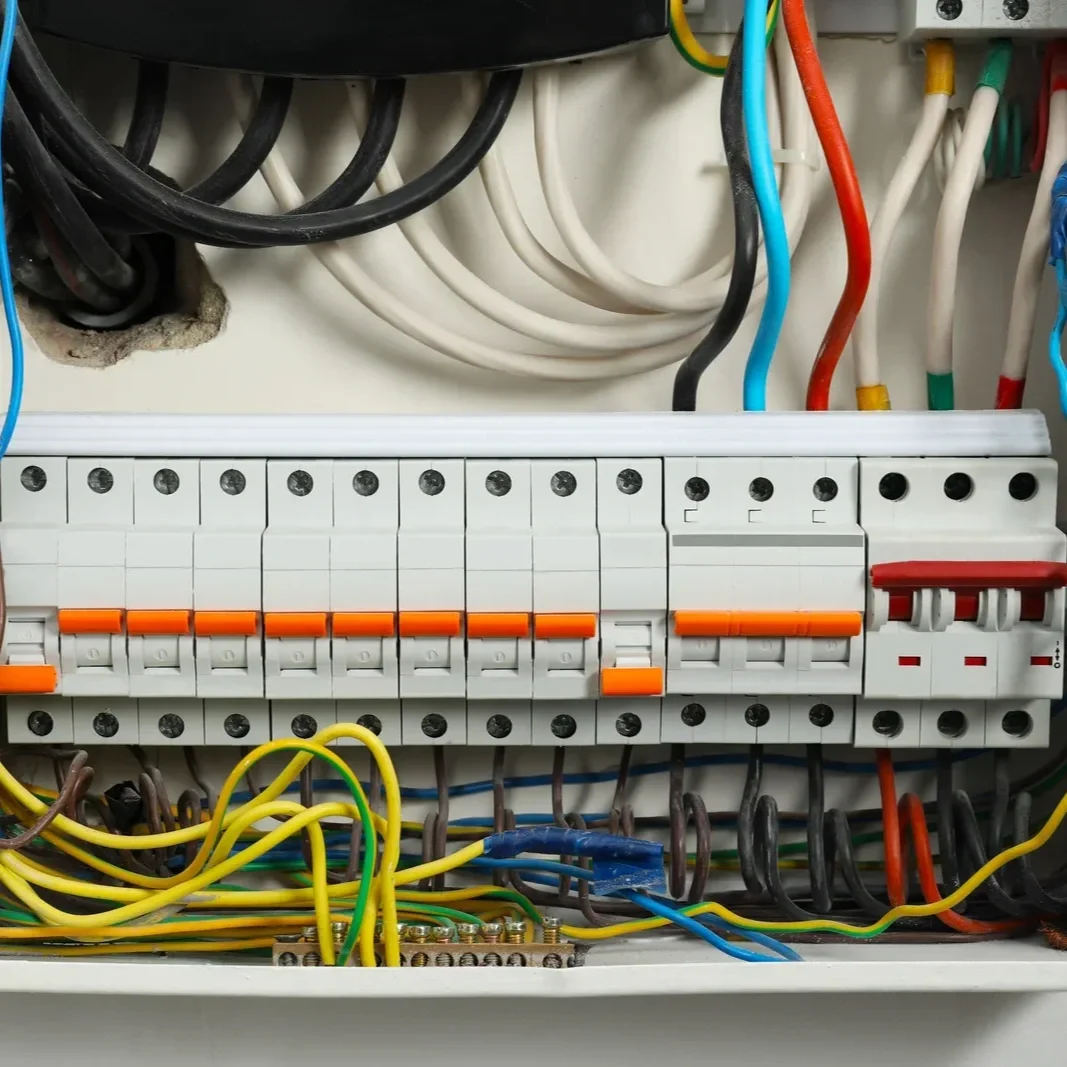
Many homeowners underestimate the complexity of panel replacement because the hardware appears simple.
Electrical panels manage and distribute power throughout a home, which means they carry enough voltage and current to cause serious injury if handled improperly. Replacing one involves working directly with circuits that may still hold residual electricity even after shutting off the main supply. Hazards include electric shocks, arc flashes, burns, and fire risks triggered by incorrect wiring or loose connections. A single misstep, such as contacting a live conductor or attaching a wire to the wrong terminal, can lead to severe outcomes.
Other risk factors include outdated electrical systems that do not meet current code, insulation that has deteriorated over time, and circuits that are already overloaded. Many homeowners underestimate the complexity of panel replacement because the hardware appears simple. In reality, the process requires precision and safety measures from start to finish.
Legal and safety regulations
National and local electrical codes exist to ensure that installations meet modern safety standards. The National Electrical Code provides baseline requirements for wiring practices, grounding, overcurrent protection, and panel layout. Virginia Beach and the surrounding regions enforce these standards through permits and inspections. Any deviation from code puts the homeowner at risk for penalties, reduced insurance coverage, and unsafe living conditions.
Non-compliance can trigger fines, force reinstallation, or void warranties on new equipment. Even experienced DIYers must recognize that certain work is legally restricted and requires a licensed professional.
When to call a professional
Several parts of the replacement process demand a licensed electrician. Homeowners can safely perform tasks like clearing workspace areas or labeling circuits before work begins, but tasks involving removing the old panel, handling service-entrance conductors, or wiring live components should be left to professionals. All work involving the main service line must be handled by a licensed electrician due to the risk and legal requirements.
Professionals are essential when homes contain older wiring types, ungrounded systems, or legacy equipment. These systems often present additional safety issues that require specialized knowledge to identify and correct.
Potential consequences of unsafe practices
Improper panel replacement has caused electrical fires, damage to major appliances, and injury. For example, failing to tighten a main lug can lead to heat buildup that eventually ignites nearby insulation. Using an incorrect breaker size can disable protective functions, allowing circuits to overheat unnoticed. Even a forgotten ground wire can create shock risks throughout the property.
Small errors in a panel replacement can create delayed hazards. Months after installation, wires may loosen, or breakers may begin to malfunction, showing that the quality of the original installation matters long after the project is complete.
Preparation before electrical panel replacement
Assessing your electrical needs
Before replacing a panel, homeowners should examine signs of panel failure, such as flickering lights, frequent trips, discolored breakers, or burning odors. A panel that is fifty years old or heavily corroded is usually due for replacement. Evaluating household electrical load helps determine whether a new panel should provide more capacity for modern appliances, HVAC systems, or future additions.
Gathering necessary tools and protective gear
Essential tools include insulated screwdrivers, cable strippers, a multimeter, torque tools, and high-quality wire connectors. Personal protective equipment includes insulated gloves, safety goggles, long-sleeve clothing, and footwear designed for electrical environments. Using properly rated gear significantly reduces the chances of injury.
Cutting corners on equipment increases the likelihood of accidents. All tools should be checked for damage before the project begins.
Shutting off power supply safely
Power must be disconnected at the main breaker before any work starts. A voltage tester should always be used to confirm the absence of power. Some homes have secondary disconnect points that also need to be shut off. Posting warning signs or informing everyone in the home prevents accidental power restoration during work.
Preparing the work environment
The workspace should be well-lit and cleared of flammable materials. Pets and children must be kept away. Panels should have clear access so that the electrician can work without navigating around obstacles. Good ventilation prevents overheating and reduces the risk of inhaling dust or fumes generated during work.
Step-by-step safe electrical panel replacement procedure
Removing the old panel
Once power is confirmed off, wires are removed one at a time. Many electricians photograph the existing layout before starting. Removing the old panel requires controlled, deliberate steps to avoid accidental contact with any energized components that may remain.
Inspecting existing wiring and components
Wiring must be inspected for heat damage, corrosion, aging insulation, or improper past repairs. If problems appear, wires must be repaired or replaced before installation continues. Continuity and insulation tests help detect hidden faults.
Installing the new panel
The new panel is positioned and secured before wires are brought in. Ground and neutral connections are attached first, followed by hot conductors. Every wire must be matched to the correct breaker size and circuit label. A poorly positioned panel can cause clearance or code issues, so alignment and mounting are vital.
Double-checking all connections
Each screw should be tightened to the manufacturer’s specifications. Loose connections are one of the most common causes of electrical failure. Breakers must be seated properly, and circuits should be clearly labeled to reduce confusion later. Testing continuity before energizing reduces the chance of error.
Safety measures during and after installation
Testing the new panel
Voltage checks confirm that circuits receive correct power. Breakers are tested individually to ensure they trip correctly and supply a stable current. Monitoring the system over the next several days reveals problems that may not show up immediately.
Grounding and bonding checks
Proper grounding reduces shock risks and prevents voltage imbalances. The bonding system ensures that metal enclosures carry fault currents safely to ground. Electricians test continuity between grounding components to confirm compliance.
System monitoring and load balancing
Once the panel is active, circuits should be checked for unusual heat, noise, or behavior. Load balancing distributes electrical demand evenly to prevent overloading a single phase of the system. Large appliances may need redistribution if breakers show early signs of strain.
Cleaning up and debris management
All old wires and panel parts must be disposed of properly. Metal scrap, broken breakers, and insulation debris should be removed from the area to prevent fire hazards. Tools should be accounted for and stored safely.
Emergency preparedness and response
Fire and electrical shock protocols
If an electrical fire occurs, only a fire extinguisher rated for electrical use should be used. Water must never be used. In the case of shock, power must be cut immediately and emergency services contacted. Quick responses save lives.
First aid for electrical injuries
Minor burns should be cooled and covered. Severe injuries require medical attention. Having a stocked first aid kit and knowledge of basic treatments supports immediate response.
Documenting and reporting issues
Homeowners should record any unusual behavior after installation, such as repeated breaker trips or odd noises. Documentation supports troubleshooting and protects warranty rights.
Setting up regular maintenance schedules
Panels should be inspected annually or whenever electrical changes occur in the home. Regular checks prevent minor issues from becoming major risks.
Tools, equipment, and their safe use
Overview of essential tools
Voltage testers identify live circuits, insulated tools prevent accidental contact, and torque devices ensure breaker terminals are tightened correctly. Each tool plays a specific role in preventing injury.
Personal protective equipment guidelines
Gloves, goggles, fire-resistant clothing, and protective boots reduce shock and burn hazards. PPE must be inspected before each use and replaced when worn.
Safe handling and storage tips
Tools should be stored dry and away from children. Electrical panels are heavy and awkward, so proper lifting techniques prevent injury.
Using testers and meters correctly
Meters must be set to the correct range before testing. Misuse, such as testing with damaged leads, can cause incorrect readings or injury.
Working with professionals: tips and best practices
How to hire a licensed electrician
Homeowners should verify state licenses, insurance, and references. Comparing multiple quotes and reviewing customer feedback helps identify reputable professionals.
What to expect during a professional replacement
Electricians evaluate the existing system, handle permits, replace the panel, and coordinate inspections. Communication before and during the job ensures the homeowner understands the process.
Communicating safety concerns
Discussing any concerns encourages transparency. Homeowners should ask about grounding, breaker selection, and inspection schedules.
Understanding service contracts and warranties
Contracts outline the scope of work and warranties. Homeowners should obtain written documentation for all services.
Conclusion
Electrical panel replacement requires careful planning, safety awareness, and adherence to code. By understanding hazards, preparing the work environment, using correct tools, and involving licensed professionals when necessary, homeowners can ensure a safe and successful installation. Regular inspections, ongoing maintenance, and documented checks provide long-term confidence in the electrical system.
Critical Safety FAQs About Electrical Panel Replacement
What are the main dangers when replacing an electrical panel?
Major risks include electric shock, arc flashes, burns, fire hazards, and wiring mistakes that can compromise long-term safety.
Do I need a permit or inspection for panel replacement?
Most jurisdictions require both since panel replacement affects the home’s electrical integrity and must meet code.
Can I do an electrical panel replacement myself, or should I hire a professional?
Only licensed electricians should complete this level of work due to legal requirements and safety risks.
How often should my electrical panel be inspected after replacement?
Panels should be inspected at least once a year or anytime electrical changes are made in the home.