
Crackling Behind an Outlet in Virginia Beach? Here’s What It Might Mean
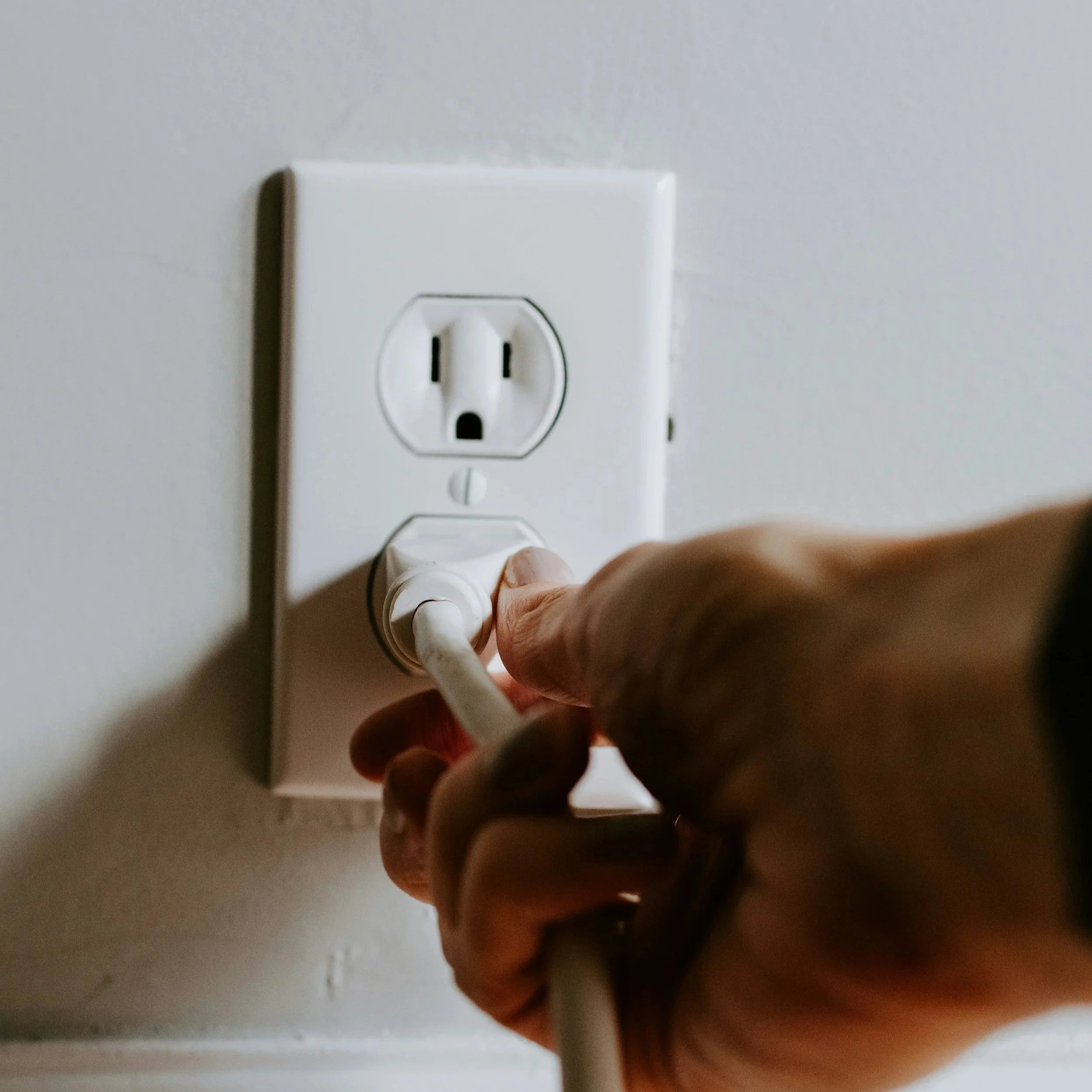
A crackling outlet is often a sign of dangerous arcing caused by loose wiring, posing a serious fire hazard.
Crackling Sounds And What They Reveal About Electrical Activity
Crackling behind an outlet almost always signals abnormal electrical activity. Electricity should move silently through wiring, so any audible noise suggests resistance, arcing, or movement where none should exist. Crackling often occurs when electricity jumps across small gaps created by loose connections, damaged conductors, or deteriorated insulation. That sound represents energy escaping its intended path, releasing heat and light in tiny bursts that are usually hidden inside walls.
In Virginia Beach homes, crackling frequently coincides with environmental stress. Humidity, salt air, and seasonal temperature swings accelerate corrosion and loosen terminations over time. What starts as a faint sound may grow louder as metal contacts degrade further. Crackling rarely resolves on its own because electrical systems do not self-correct. Instead, resistance increases, heat builds, and the conditions producing the sound intensify with continued use.
How Loose Outlet Connections Develop Over Time
Loose connections remain the most common cause of crackling sounds. Outlets rely on tight metal-to-metal contact at terminals to carry current efficiently. Over years of use, normal expansion and contraction from electrical load and temperature changes gradually loosen screws and internal clamps. Once a connection loses tension, electricity encounters resistance and begins to arc microscopically.
Many Virginia Beach homes contain outlets installed decades ago using push-in backstab connections. Those connections degrade faster than screw terminals, especially under higher loads from modern devices. Crackling often appears when appliances draw power, then quiets when the load stops. That intermittent behavior masks the severity of the issue while allowing damage to continue inside the wall.
Why Arcing Behind An Outlet Is Especially Dangerous
Arcing represents electricity jumping through the air rather than flowing through a conductor. Each arc produces intense localized heat capable of charring insulation, melting plastic, and igniting nearby materials. Crackling sounds frequently accompany arcing, making them one of the few warning signs homeowners receive before serious damage occurs.
Behind outlets, arcing remains hidden by drywall and electrical boxes. Heat accumulates without visible smoke until ignition occurs. In Virginia Beach homes, insulation and framing near exterior walls may already hold moisture, lowering ignition thresholds. Arcing combined with humidity creates especially unpredictable fire risk, since moisture alters how electricity travels across damaged surfaces.
How Outlet Wear And Device Use Contribute To Crackling
Frequent plugging and unplugging wear out outlet contacts internally. Over time, spring tension weakens, allowing plugs to sit loosely. Loose contact increases resistance at the connection point between plug and outlet, producing heat and sometimes audible noise. Crackling may occur even when the outlet appears intact externally.
Homes with heavy device usage experience this problem more often. Space heaters, window AC units, and kitchen appliances place a sustained load on outlet contacts. In older Virginia Beach neighborhoods, original outlets were not designed for modern electrical demand. Crackling often reflects the mismatch between contemporary usage and aging hardware rather than a single defective device.
Why Moisture Makes Crackling Worse In Coastal Homes
Moisture dramatically affects electrical performance. Humid air seeps into wall cavities and electrical boxes, especially in coastal climates. Moisture creates conductive paths across insulation and terminal surfaces, allowing electricity to leak where it should not. That leakage increases arcing and intensifies crackling sounds.
In Virginia Beach, salt-laden air accelerates corrosion on copper and steel components. Corroded surfaces increase resistance and create uneven contact points that spark under load. Crackling may worsen during humid weather or after storms, then diminish temporarily during drier periods. Those fluctuations often mislead homeowners into thinking the issue resolved itself.
What Crackling Indicates About Wiring Condition
Crackling behind an outlet sometimes points beyond the outlet itself to broader wiring issues. Brittle insulation, spliced conductors, or aging cable jackets allow movement and exposure that create noise under load. Wiring that shifts slightly when current flows produces sounds as it heats and expands.
Many older Virginia Beach homes contain wiring methods that no longer meet modern standards. Cloth-insulated cable, aluminum branch circuits, or mixed-material splices increase the likelihood of crackling. The outlet becomes the audible point, but the problem may extend deeper into the circuit, requiring thorough inspection rather than simple replacement.
Why Crackling Often Appears Before Other Warning Signs
Electrical systems usually degrade quietly. Crackling stands out because it engages hearing rather than sight or smell. Heat and arcing begin long before visible discoloration or burning odors appear. By the time smells develop, damage has already progressed significantly.
Crackling often emerges when loads increase, such as during evenings when multiple devices operate simultaneously. That timing leads homeowners to dismiss the sound as house noise or settling. Recognizing crackling as an electrical warning allows intervention earlier in the failure process, reducing risk and repair scope.
How Electrical Boxes And Installation Practices Affect Noise
The electrical box itself influences crackling behavior. Metal boxes conduct sound more readily than plastic, making arcing and movement easier to hear. Poorly secured boxes allow outlets to shift when plugs move, stressing connections and producing noise.
In many Virginia Beach homes, boxes were installed before modern fastening standards. Loose boxes amplify the effects of worn outlets and loose wiring. Crackling in those cases reflects both mechanical and electrical issues interacting together. Addressing only the outlet without stabilizing the box may reduce but not eliminate the sound.
Why Crackling Should Never Be Ignored
Crackling represents active electrical failure rather than a cosmetic nuisance. Each sound indicates energy escaping its intended path, generating heat and damaging components incrementally. Continued operation allows that damage to compound until insulation fails or materials ignite.
Electrical fires often originate from small, unresolved issues that escalate silently. Crackling serves as an early alert that conditions supporting ignition already exist. Prompt evaluation prevents escalation and restores predictable electrical behavior rather than relying on chance.
Why Professional Inspection Matters More Than Quick Fixes
Temporary fixes rarely address the underlying causes of crackling. Tightening visible screws or replacing an outlet may reduce noise briefly while leaving damaged wiring untouched. Professional inspection evaluates connection integrity, conductor condition, box stability, and circuit loading together.
In Virginia Beach environments, inspections also account for moisture exposure and corrosion patterns that affect long-term reliability. Electrical issues rarely exist in isolation. Crackling often reflects multiple contributing factors that require coordinated correction rather than isolated repairs.
Why Crackling Patterns Can Change Over Time
Crackling may start faint and infrequent, then become louder or more persistent. Changes reflect worsening contact quality, increased load, or environmental factors. Sounds may occur only when specific devices operate, then expand to constant noise as damage progresses.
Homeowners sometimes report crackling that disappears for weeks, then returns suddenly. That pattern indicates unstable electrical conditions rather than resolution. Each recurrence usually reflects incremental deterioration that increases fire risk if left unaddressed.
Why Early Action Preserves Wiring And Reduces Risk
Electrical components degrade faster once damage begins. Heat from arcing accelerates insulation breakdown and corrodes metals further. Early intervention limits damage to localized components rather than entire circuits or wall cavities.
In Virginia Beach homes, early repair also minimizes secondary damage from humidity and salt exposure. Addressing crackling promptly preserves wiring integrity and reduces the likelihood of invasive repairs later.
How Circuit Load And Device Behavior Trigger Crackling
Crackling behind an outlet often becomes noticeable only when certain devices operate, which points directly to circuit load behavior. Electrical circuits respond dynamically to demand. When high-draw devices turn on, current increases rapidly, stressing weak connections and damaged conductors. That sudden demand exposes flaws that remain quiet under lighter loads. Crackling appears because electricity begins arcing across loose or compromised contact points as resistance spikes.
In many Virginia Beach homes, circuits originally intended for lighting now serve multiple outlets, electronics, and appliances due to renovations or room repurposing. That shift increases baseline load throughout the day. Crackling may appear only during peak usage hours, such as evenings or weekends, misleading homeowners into thinking the outlet itself behaves unpredictably. In reality, the sound reflects how close the circuit already operates to its limits, with the outlet acting as the most audible failure point.
Why Crackling Can Occur Without Tripping A Breaker
Homeowners often assume that dangerous electrical conditions trigger breakers immediately. Crackling challenges that assumption. Breakers respond to overcurrent, not resistance or arcing at normal current levels. A loose connection can arc repeatedly while drawing the same amount of current as a healthy connection, allowing breakers to remain engaged.
That distinction explains why crackling feels unsettling yet confusing. Electricity behaves abnormally, but protective devices do not intervene. In Virginia Beach, homes with older breaker panels may have response sensitivity that is even lower due to wear or outdated designs. Crackling persists because the system technically remains within current limits while generating heat and damage through resistance and arcing, conditions that breakers were never designed to detect reliably.
How Outlet Crackling Interacts With Wall Materials
The materials surrounding an outlet influence both the sound and the danger associated with crackling. Drywall, insulation, and framing absorb heat differently. When arcing occurs inside an outlet box, heat transfers outward, drying nearby wood and degrading insulation. That process lowers ignition thresholds gradually, creating conditions where even minor arcs become dangerous.
In coastal Virginia Beach homes, wall cavities often retain moisture that alters how heat and electricity behave together. Moisture can delay ignition initially while accelerating corrosion and insulation breakdown. Over time, that balance shifts, and materials ignite more easily once sufficiently dried and weakened. Crackling represents that transitional phase where damage advances invisibly while fire risk increases steadily.
Why Replacing The Outlet Alone May Not Stop The Noise
Replacing an outlet sometimes reduces crackling temporarily, but that outcome can be misleading. New outlets restore tight contact at the device level, masking deeper issues within wiring or junctions upstream. Crackling may return weeks or months later as heat and load stress shift to other compromised points.
In Virginia Beach, homes with aging wiring, damage rarely isolates itself to one location. Corrosion, insulation wear, and loose splices often exist throughout the circuit. An outlet replacement treats the symptom rather than the cause. Comprehensive evaluation identifies whether conductors, splices, or circuit configuration contribute to the noise, allowing repairs that restore long-term stability rather than short-term silence.
Why Crackling Sounds Sometimes Travel Through Walls
Sound transmission can confuse diagnosis. Crackling heard at one outlet may originate elsewhere along the circuit. Electrical boxes, studs, and conduit transmit vibrations, making arcing at one location audible several feet away. Homeowners may replace the wrong outlet while the real issue continues unseen.
Virginia Beach homes with metal conduit or older metal boxes experience this effect more frequently because metal carries sound efficiently. Crackling may seem to move or change location depending on the load. Accurate diagnosis requires tracing the circuit rather than relying solely on sound location. Understanding sound transmission prevents misdirected repairs and unresolved risk.
How Crackling Signals Escalating Fire Conditions
Crackling marks a phase where electrical failure accelerates. Each arc damages metal surfaces, increasing resistance and making future arcing more intense. Heat builds faster, insulation deteriorates more quickly, and carbonized paths form that conduct electricity unpredictably.
Electrical fires often originate after long periods of unnoticed arcing rather than sudden overloads. Crackling provides a rare early warning while damage remains limited in Virginia Beach environments, where moisture and corrosion already strain systems; crackling indicates that escalation may occur faster than expected. Acting during this phase dramatically reduces fire risk compared to waiting for visible signs.
Why Electrical Inspections Matter After Hearing Crackling
Electrical inspection following crackling focuses on identifying resistance sources, arcing points, and environmental contributors. Inspectors evaluate outlet connections, wiring condition, box stability, grounding integrity, and circuit load behavior together. That holistic approach addresses the interaction of factors rather than isolating one component.
In Virginia Beach homes, inspections also consider moisture intrusion, corrosion patterns, and historical modifications that influence electrical behavior. Crackling rarely has a single cause. Effective resolution requires understanding how age, climate, and usage combine to produce audible warning signs.
FAQs
Crackling indicates abnormal electrical activity that increases fire risk over time. While immediate ignition may not occur, continued operation allows damage to escalate.
Humidity contributes to promoting corrosion and conductive paths that increase arcing and resistance, especially in coastal environments.
Reducing use lowers stress temporarily, but inspection remains necessary because damage persists even when the outlet is idle.
High-draw devices can expose weak connections, making crackling appear only when specific appliances operate.
Breakers respond to excess current, not resistance or arcing at normal current levels, so crackling can occur without tripping protection.