
Life in the Fast Lane: Installing Level 3 EV Superchargers
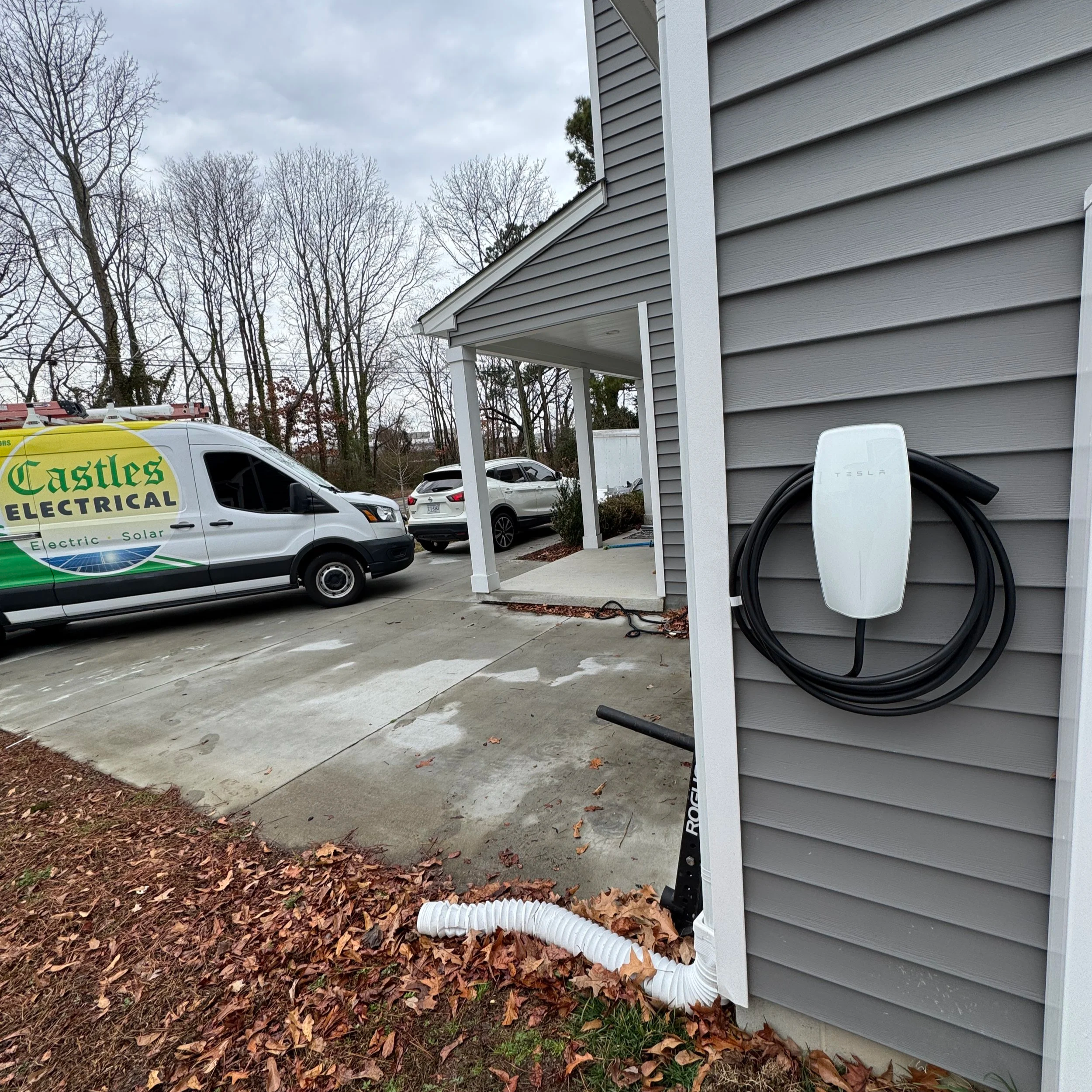
It’s a project for seasoned electricians and planning pros who know how to make a high-voltage vision into a plug-and-play reality.
Level 3 charging, also known as DC fast charging, is where speed meets high-voltage ambition. These chargers don’t just top off batteries—they power up electric vehicles in minutes, not hours. Unlike Level 1 and Level 2 chargers, which use alternating current (AC), Level 3 chargers convert electricity to direct current (DC) before it ever reaches the car. The result? Rapid energy transfer and a big smile on the face of any EV driver with places to be.
A typical Level 3 charger can deliver 150 to 350 kilowatts of power, translating to an 80 percent battery charge in roughly fifteen to forty-five minutes, depending on the vehicle’s capacity. That kind of speed is a game-changer for long-distance travelers, commercial fleet drivers, and businesses that want to keep traffic moving rather than trickling.
Setting up a Level 3 EV charging station is no small feat. It involves industrial-grade equipment, advanced grid connections, and power management systems designed for heavy demand. It’s a project for seasoned electricians and planning pros who know how to make a high-voltage vision into a plug-and-play reality.
Not Every Site Can Support Level 3 Charging
The first step in any Level 3 EV charging station setup is evaluating the power infrastructure. These chargers demand more than a few extra amps—they require massive electrical service, often at 480 volts or higher. Most residential panels don’t come close. Commercial and industrial properties are better candidates, but even then, upgrades are common.
A site assessment identifies what’s available and what needs to be added. Transformers, switchgear, and service upgrades may all be part of the plan. Utility coordination becomes essential, especially when adding a new service or expanding capacity. The power company needs to sign off, supply equipment, and sometimes reroute feeders or install a dedicated meter.
Professionals navigate those hurdles and manage communications with utility providers. They know the local grid limitations, permitting requirements, and lead times for infrastructure upgrades. They also understand the importance of not overloading existing systems and creating power stability across the site.
Placement and Site Design Matter
Installing a Level 3 charger in the wrong spot is like building a gas station where cars can’t reach the pump. Thoughtful site planning is critical. Chargers need clear access, visible signage, proper lighting, and enough room for vehicles ranging from compact cars to full-sized trucks.
The electrical infrastructure must reach the charger location without unnecessary trenching or complicated routing. That means planning for conduit runs, transformer placement, and equipment access points. Safety bollards, protective curbing, and traffic flow patterns all contribute to creating a functional and attractive charging station.
Some businesses also factor in canopies for weather protection, solar integration for energy offset, and nearby amenities to encourage longer visits. EV drivers appreciate a snack and restroom option while charging. The charger may be fast, but no one minds a little comfort during those few minutes of wait time.
Permitting, Codes, and Compliance
Level 3 EV charging station setup involves strict adherence to national and local codes. High-voltage equipment requires strong grounding, surge protection, overcurrent devices, and fire safety planning. Installations must meet NEC standards and often undergo multiple inspections.
Permitting for Level 3 chargers may include zoning reviews, environmental impact studies, and utility signoff. Professionals manage the paperwork and maintain communication with inspectors and city planners. They work with AHJs (Authorities Having Jurisdiction) to make sure each installation meets all local requirements before energizing the system.
Failure to follow permitting procedures doesn’t just delay the project—it can shut it down entirely. Certified installers with commercial experience know what to file, who to contact, and how to move projects forward without hitting bureaucratic potholes.
Charging Speed Depends on More Than the Charger
Level 3 chargers come with impressive numbers on the box, but their performance depends heavily on the supporting infrastructure. If the site doesn’t provide enough power, the charger throttles output. The result? Slower charging and frustrated drivers.
To deliver full-speed charging, the installation needs adequate utility service, correctly sized transformers, and cable runs that minimize loss. It’s not just about raw power. Temperature regulation, voltage stabilization, and real-time monitoring systems must all work in harmony to keep the charger operating at peak performance.
Professionals design installations with charging consistency in mind. They plan for load sharing between chargers, redundancy in critical systems, and integration with energy management platforms that monitor usage and automatically adjust flow.
Smart Technology and User Experience
Modern Level 3 chargers are smart, connected, and often app-controlled. They offer RFID access, remote diagnostics, dynamic pricing, and integration with loyalty programs or fleet management tools. Installing the hardware is only one part of the equation. Making sure the software works seamlessly with the physical infrastructure is another.
Professionals coordinate with software providers to activate, test, and calibrate each charger. That includes verifying network connectivity, load balancing between units, and user interface customization. Some sites even include dynamic signage that displays availability, pricing, and estimated wait times.
User experience also includes payment systems. Credit card readers, mobile app interfaces, and contactless options must be installed securely and function without hiccups. Electrical professionals work hand in hand with software integrators to connect the dots between kilowatts and customer satisfaction
Grid Impact and Energy Management
Level 3 chargers pull enormous loads in short bursts, which can create ripple effects on the local power grid. Managing those demands requires more than just installing bigger wires. It calls for energy management systems that smooth out spikes, schedule usage, and integrate with renewable sources when possible.
Some installations include battery storage to offset peak demand or solar arrays to reduce utility costs. Others implement time-of-use programming that adjusts charger output based on grid availability and pricing. Those solutions take planning, coordination, and a deep understanding of how electrons behave under pressure.
Professionals design systems that play well with the grid. They identify demand charges, work with utility engineers, and install power conditioning systems that keep everything humming, even during peak traffic and when all chargers are in use.
Fleet Applications and Commercial Demand
Level 3 EV charging is a natural fit for fleet operations. Delivery vans, service vehicles, taxis, and transit buses benefit from fast turnaround times and predictable charging cycles. Downtime means lost revenue, so charging must be reliable, efficient, and strategically located.
Fleet operations often install multiple Level 3 units with load-sharing capabilities, usage monitoring, and built-in redundancy. Vehicles can rotate through chargers on a timed schedule or plug in during shift changes. Smart scheduling software can even prioritize vehicles based on range, route, and urgency.
Commercial sites need rugged, tamper-resistant equipment designed to withstand heavy use. Mounting hardware, protective housings, and access control systems all contribute to the long-term success of the installation. Professionals know how to select components that hold up under constant use and create a streamlined process for maintenance and upgrades.
Planning for Future Expansion
EV adoption is accelerating, and what works today may not cover tomorrow’s demand. Forward-thinking installations include space for additional chargers, conduit pathways for expansion, and scalable software platforms.
A well-designed Level 3 EV charging station setup leaves room for growth. That means sizing panels and transformers to accommodate future upgrades, reserving space for new units, and documenting installations clearly for future teams.
Professionals create site maps, maintain as-built drawings, and label all components for easier modifications down the road. The goal isn’t just to install a charger—it’s to build an adaptable energy hub ready for whatever tomorrow’s vehicles demand.
Maintenance and Ongoing Support
High-performance charging stations need regular attention. Wear and tear, environmental exposure, and heavy usage can lead to faults if left unchecked. Professional installers often provide maintenance contracts or support services that keep the system running at peak efficiency.
Routine checks include inspecting connectors, updating firmware, verifying power output, and checking all communication systems. Technicians also monitor analytics dashboards to flag underperforming units or detect unusual usage patterns.
Reliable maintenance reduces downtime and extends equipment life. It also builds trust with users who depend on fast charging and consistent performance.
Making Fast Charging Part of the Landscape
Level 3 chargers are changing how people travel, work, and think about refueling. They’re popping up at shopping centers, rest stops, business parks, and multi-use developments. They’re becoming part of the infrastructure, not just roadside novelties.
Installing a Level 3 EV charging station is more than just dropping in a high-powered box. It’s about planning, coordination, precision, and purpose. From the first site assessment to the final voltage test, every step counts. The speed might be in the charger, but the success comes from the slow, careful work of professionals who know how to build systems that deliver power, safety, and reliability.
The licensed electricians at Castles Electrical in Virginia Beach offer electrical safety inspections & code compliance, EV charging station installation, and commercial electrician services. We are committed to delivering excellence at straightforward pricing. We offer prompt services to quickly restore your electrical system functioning. Call now!