
Why Your Outlet Might Buzz in Virginia Beach and When It’s an Emergency
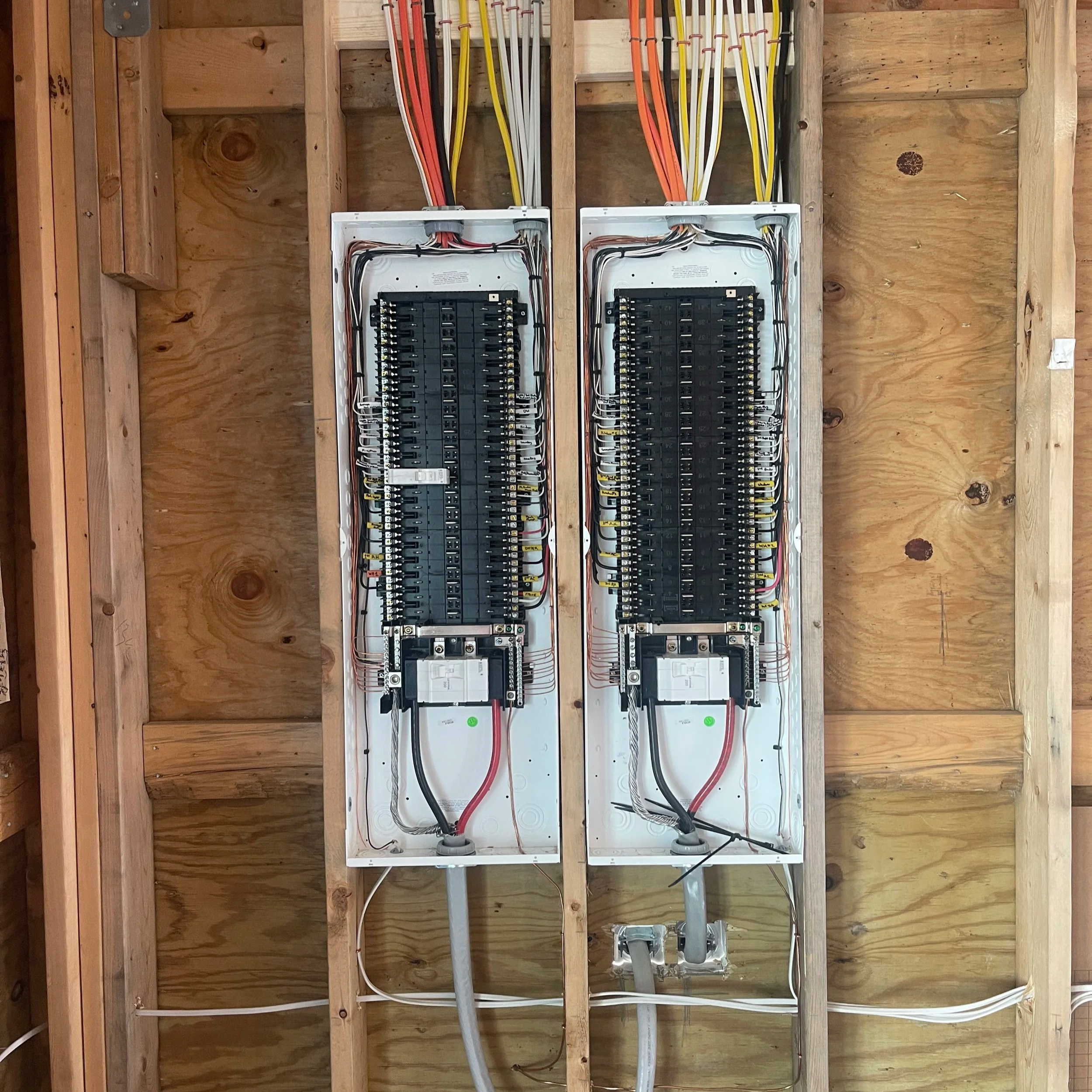
A buzzing outlet can signal dangerous loose connections or overloaded circuits—don’t ignore the sound; contact a professional electrician immediately.
What A Buzzing Outlet Is Revealing Beneath The Surface
A buzzing outlet often catches attention because it introduces sound into something people expect to be silent. Electrical systems operate quietly when current flows cleanly through solid connections. Noise indicates disruption. When an outlet buzzes, electricity is no longer moving smoothly from the wiring to the device. Instead, it vibrates across imperfect contact points, loose connections, or damaged components. That vibration produces audible sound and heat at the same time, which makes buzzing more than a minor annoyance.
In Virginia Beach homes, buzzing outlets appear more frequently than many homeowners expect due to humidity, salt air, and aging infrastructure. Coastal conditions accelerate corrosion and degrade metal contacts inside outlets long before visible damage appears. Buzzing represents active electrical instability, not a passive condition. Every second, an outlet buzzes, and resistance converts electrical energy into heat inside the wall. Understanding why that noise exists helps homeowners recognize when the situation moves from inconvenient to dangerous.
Electrical Arcing And Why It Produces Noise
Buzzing often originates from electrical arcing inside the outlet. Arcing occurs when electricity jumps across a small gap rather than traveling through a solid connection. That gap may form due to loose wiring, worn contact surfaces, or corrosion buildup. As the current jumps repeatedly across the gap, it creates a rapid vibration that produces a buzzing or humming sound.
Arcing also generates heat intense enough to damage outlet components and surrounding insulation. Each arc erodes metal contact points slightly, increasing resistance and making subsequent arcing worse. Over time, the buzzing grows louder or more frequent. In Virginia Beach environments, moisture intrusion accelerates this process by promoting oxidation and reducing the effective contact area. Arcing never corrects itself. Left unchecked, it escalates until failure or ignition occurs.
Loose Wiring Inside The Outlet Box
Loose wiring remains one of the most common causes of buzzing outlets. Inside every outlet box, conductors attach to terminals that require firm mechanical contact. Thermal expansion, contraction, vibration, and previous improper installation can loosen those connections gradually. When electricity flows through a loose connection, resistance increases sharply, producing both heat and vibration.
Buzzing caused by loose wiring often worsens when devices draw more current. Homeowners may notice the sound intensifies when appliances turn on or when cords move slightly. Each vibration further loosens the connection, creating a compounding effect. In older Virginia Beach homes or properties with past DIY electrical work, electricians frequently find loose terminations that buzz long before breakers trip or outlets fail completely.
Worn Outlet Contacts And Internal Degradation
Outlet receptacles rely on spring tension to grip plug blades securely. Over years of use, those internal springs weaken. As contact pressure drops, electricity concentrates at smaller contact points rather than spreading evenly. Concentrated current produces vibration and noise as electrons struggle to move through a limited contact area.
Buzzing outlets caused by worn contacts often accompany other symptoms like loose plugs, flickering devices, or warmth around the outlet face. The outlet may still deliver power, which leads homeowners to underestimate the risk. In coastal Virginia Beach conditions, corrosion accelerates contact wear even without heavy use. Once contact tension declines, buzzing becomes a warning sign that the outlet has reached the end of its reliable service life.
Humidity And Corrosion Effects In Coastal Homes
Virginia Beach’s coastal climate introduces unique electrical challenges. Salt carried in the air infiltrates homes and settles on metal components inside outlets. Combined with high humidity, salt promotes corrosion that reduces conductivity and increases resistance. Corrosion does not need to be visible to cause problems. Microscopic oxidation layers disrupt electrical flow enough to produce buzzing under load.
Outlets near exterior walls, garages, kitchens, bathrooms, or beachfront facing rooms experience greater exposure. Buzzing in these locations often appears sooner than in interior rooms. Electricians working along the coast routinely find corrosion-related outlet failures that inland homes might not experience for decades. Buzzing serves as an audible clue that environmental factors are actively degrading the electrical connection.
Improperly Rated Devices And Load Mismatch
Outlets and connected devices must match in terms of electrical demand. When devices draw current beyond what the outlet contacts handle comfortably, vibration and buzzing occur. High-draw appliances, space heaters, window air conditioners, and certain electronics stress outlets continuously. Standard outlets not designed for sustained heavy loads struggle to maintain stable contact.
Load mismatch also appears with specialty devices like smart plugs or adapters that alter current flow characteristics. The outlet may buzz only when certain devices operate, confusing homeowners. Over time, repeated stress damages contacts and wiring. Electricians evaluate outlet ratings and usage patterns to determine whether buzzing reflects an inappropriate load rather than defective components alone.
Backstab Connections And Buzzing Behavior
Outlets wired using backstab connections rely on internal spring clips rather than screw terminals. While code-compliant in many situations, backstab connections lose tension over time. As grip weakens, resistance increases at the connection point. That resistance produces vibration when current flows, resulting in buzzing or humming sounds.
Buzzing associated with backstab wiring often fluctuates based on load. It may appear intermittently, then become constant. Electricians frequently correct buzzing by relocating conductors from backstab terminals to screw terminals, restoring solid mechanical contact. Backstab-related buzzing rarely resolves without intervention and typically worsens as internal clips fatigue further.
Shared Circuits And Electrical Noise Transmission
Some buzzing originates not from the outlet itself but from electrical noise traveling along shared circuits. When multiple devices operate on the same circuit, electromagnetic interference and load fluctuation can induce vibration in weakened outlets. Buzzing may coincide with nearby equipment cycling on and off, such as refrigerators or HVAC components.
Shared circuits amplify minor weaknesses. An outlet with marginal contact quality may buzz only when other loads activate. Homeowners often misattribute the noise to the device plugged in rather than the outlet serving as the weak link. Electricians trace circuit behavior to identify how shared load interaction contributes to audible symptoms.
Why Buzzing Should Never Be Ignored
Buzzing represents active energy loss in the form of heat and vibration. That energy damages electrical components continuously while the outlet remains energized. Each moment of buzzing advances wear on contacts, wiring, and insulation. Unlike visual damage, sound indicates ongoing activity rather than past wear.
In Virginia Beach homes, where humidity and heat already stress electrical systems, ignoring buzzing accelerates deterioration. What begins as a mild hum can escalate into charring, melting, or ignition behind the wall. Buzzing outlets often precede breaker trips, flickering lights, or burning odors. Addressing the noise early prevents far more invasive repairs later.
When A Buzzing Outlet Becomes An Immediate Emergency
A buzzing outlet crosses into emergency territory when sound combines with other warning signs. Heat felt at the outlet face, discoloration on the cover plate, flickering power, or a faint burning odor all indicate that electrical energy is escaping control. Buzzing paired with warmth suggests resistance has reached a level where insulation and surrounding materials absorb excess heat. At that point, the outlet no longer operates within a safe margin, even if power continues to flow.
Virginia Beach homeowners should treat buzzing outlets as urgent when noise persists without a device plugged in or when the sound changes pitch under load. Persistent buzzing signals that internal arcing or loose wiring remains active regardless of usage. Emergency conditions also include buzzing outlets located near moisture sources such as bathrooms, kitchens, garages, or exterior walls. Moisture combined with arcing increases the likelihood of short circuits or ground faults that escalate rapidly.
Outlet Buzzing Linked To Aluminum Or Mixed Wiring
Some older Virginia Beach homes contain aluminum wiring or mixed copper and aluminum systems. Aluminum expands and contracts more than copper under electrical load, which loosens connections over time. Loose aluminum connections generate heat and vibration that often present as buzzing outlets long before catastrophic failure occurs.
Buzzing in aluminum-wired systems represents a higher risk because aluminum oxidation increases resistance significantly. That resistance accelerates heat buildup faster than in copper systems. Electricians evaluating buzzing outlets in these homes pay close attention to conductor material and connection methods. Ignoring buzzing in aluminum wiring scenarios allows oxidation and loosening to compound, increasing fire risk behind finished walls.
Outlet Box Damage And Vibration Transfer
Outlet boxes themselves can contribute to buzzing when damaged or improperly secured. Loose boxes allow outlets to move slightly when current flows or when plugs shift. That movement transfers vibration to the outlet body and wiring connections, amplifying noise. Buzzing may appear intermittent and worsen when cords move or nearby doors close.
Damaged boxes also restrict proper mounting of outlets, preventing even pressure on contact terminals. Over time, vibration degrades connections further. Electricians often discover cracked plastic boxes, loose fasteners, or undersized boxes during buzzing outlet investigations. Correcting box stability reduces vibration and improves long-term electrical reliability.
Why Breakers Do Not Always Trip With Buzzing Outlets
Homeowners often assume breakers will trip before dangerous conditions develop. Buzzing outlets challenge that assumption. Breakers protect against overcurrent, not resistance-based heat generation at localized connection points. An outlet can buzz, arc, and overheat without drawing enough current to trigger a breaker.
That gap in protection explains why buzzing outlets deserve attention even when circuits remain energized. Resistance-driven heat concentrates at the outlet, not along the conductor length, where breakers measure current flow. Electricians rely on sound, heat, and visual indicators rather than breaker behavior alone when assessing outlet safety.
How Electricians Identify The Source Of Buzzing
Professional electricians diagnose buzzing outlets by isolating variables systematically. They test outlet load behavior, inspect wiring terminations, and examine internal contact conditions. Infrared scanning reveals heat patterns that confirm resistance points. Voltage and current measurements identify irregular flow that produces vibration.
In Virginia Beach homes, electricians also assess environmental exposure and historical usage patterns. They consider whether buzzing coincides with seasonal humidity, heavy appliance use, or recent modifications. Accurate diagnosis prevents unnecessary replacements while targeting the true cause of electrical noise.
Preventive Repairs That Stop Buzzing Long Term
Stopping buzzing permanently requires addressing mechanical and electrical factors together. Tightening connections, replacing worn outlets, correcting box stability, and matching device ratings restore stable current flow. In some cases, redistributing circuit loads reduces stress that contributes to vibration.
Preventive repairs focus on eliminating resistance rather than masking sound. Electricians choose components rated for coastal environments when appropriate, reducing corrosion risk. Proactive repairs not only silence buzzing but also extend system lifespan and reduce future emergency scenarios.
FAQs
Buzzing indicates electrical instability. While severity varies, any sustained buzzing reflects resistance and heat generation that should be evaluated promptly to prevent escalation.
Yes. Buzzing often results from arcing or loose connections that generate heat. Continued operation increases the chance of ignition inside the wall cavity.
Unplugging devices reduces load temporarily, but buzzing may continue if wiring or contacts remain damaged. Turning off the circuit and scheduling an inspection improves safety.
Specific devices draw higher current or alter load characteristics. Buzzing under those conditions reveals marginal outlet contacts or loose wiring stressed by increased demand.
High humidity and salt air accelerate corrosion and reduce contact quality. Coastal conditions increase the likelihood of buzzing as outlets age.
Get reliable and lasting EV charging station installation, interior lighting installation, exterior lighting installation, recessed lighting installation, security lighting installation, and outlet & switch installation & repairs with Castles Electrical in the Virginia Beach area. We ensure prompt response time during emergencies and complete projects on time and within budget. Call today to learn more about our services.