
Is a Buzzing Outlet Dangerous? Electrical Safety Tips for Virginia Beach Homes
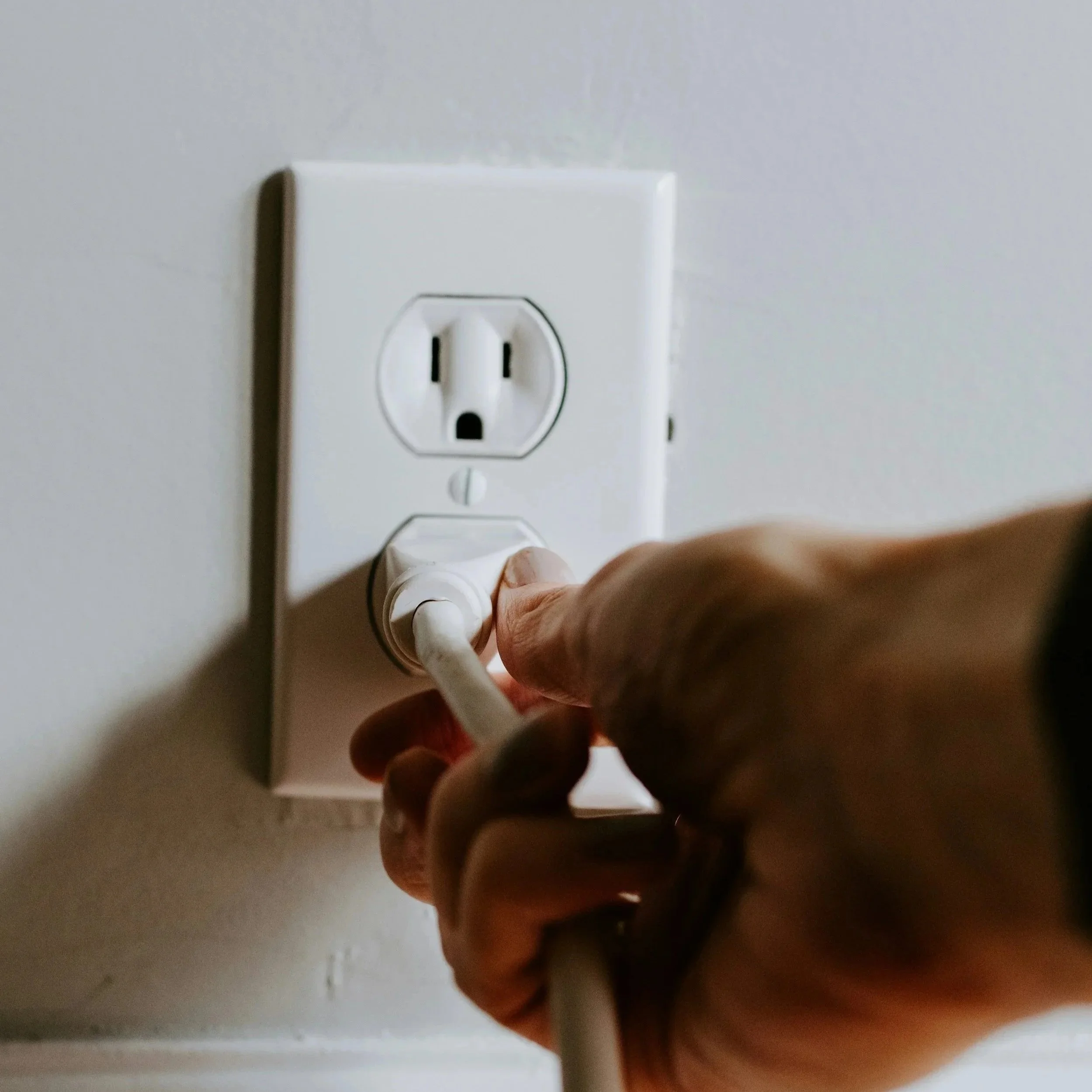
A buzzing outlet can signal loose wiring or overloaded circuits; schedule a professional inspection to keep your coastal home safe.
What A Buzzing Outlet Is Actually Telling You
A buzzing outlet never happens without a reason. Electricity should move silently through wiring and devices when everything functions correctly. Audible noise indicates electrical energy escaping its intended path in some way. Buzzing most often comes from vibration created by electricity jumping across small gaps, struggling through resistance, or interacting with loose components inside the outlet or electrical box. That sound may seem faint or intermittent, but it represents active electrical stress rather than harmless background noise.
In Virginia Beach, Virginia, environmental conditions amplify these issues. Humidity, salt air, and temperature swings accelerate corrosion and material fatigue inside outlets. Even a properly installed outlet can begin buzzing years later as metal contacts weaken or oxidize. Buzzing may change in volume depending on appliance use, time of day, or weather conditions. Those changes reflect shifts in electrical load and environmental influence, reinforcing that the outlet responds to stress rather than operating normally.
The Difference Between Buzzing, Humming, And Crackling
Not all electrical noises indicate the same condition. Buzzing typically signals vibration from electrical arcing or resistance at contact points. Humming often relates to magnetic fields interacting with loose components, especially when current flows through coils or transformers nearby. Crackling suggests active arcing, where electricity jumps visibly or invisibly through air gaps or damaged insulation.
In Virginia Beach homes, buzzing outlets appear most commonly due to corrosion and moisture interacting with loose internal contacts. Crackling represents a more advanced stage of failure and often precedes visible damage or breaker trips. Distinguishing between these sounds helps identify urgency. Buzzing may exist for some time before escalating, while crackling demands immediate attention due to higher ignition risk.
Common Internal Causes Of A Buzzing Outlet
Several internal conditions create buzzing sounds. Loose wire connections at terminal screws allow electricity to move unevenly, producing vibration as current struggles to pass. Worn contact springs inside the outlet body fail to grip plug blades firmly, creating micro gaps that encourage arcing. Corrosion on metal surfaces increases resistance, converting electrical energy into heat and sound.
In coastal Virginia Beach environments, moisture intrusion worsens each of these conditions. Even indoor outlets experience elevated humidity that condenses inside electrical boxes during temperature changes. Salt residue accelerates oxidation on copper and steel components. Over time, outlets that once operated silently begin buzzing as resistance rises and internal movement increases. These internal failures rarely improve without intervention.
Why Buzzing Outlets Often Appear Under Load
Many homeowners notice buzzing only when devices are plugged in or turned on. Increased load pushes more current through already compromised connections. That additional current amplifies vibration and arcing, making the sound noticeable. When the load disappears, buzzing may fade, creating the illusion that the issue is resolved.
This pattern proves especially common in Virginia Beach homes where appliances like window air conditioners, dehumidifiers, or space heaters cycle frequently. Each cycle stresses the outlet slightly more. Buzzing under load indicates that the outlet struggles to handle current reliably. Continued use under these conditions accelerates wear and increases fire risk over time rather than stabilizing.
How Moisture Turns Minor Issues Into Serious Risks
Moisture transforms small electrical imperfections into larger hazards. Damp air lowers resistance across surfaces that should remain insulating. When outlets buzz due to loose or corroded connections, moisture allows electricity to leak into surrounding materials more easily. That leakage may not trip breakers immediately, but creates sustained heat within the outlet box.
Virginia Beach’s coastal climate promotes this progression. Humid summers, salt carried inland, and frequent storms all contribute moisture to wall cavities and electrical boxes. Buzzing outlets in these conditions represent a higher risk profile than similar sounds in dry climates. Heat generated inside damp boxes dries materials temporarily, then moisture returns, creating repeated stress cycles that worsen internal damage steadily.
Why Buzzing Does Not Always Trip Breakers
Breakers protect against excessive current, not localized heat or resistance. A buzzing outlet may draw normal current while generating dangerous heat at a single connection point. Because total current remains within acceptable limits, breakers remain engaged even as internal damage progresses.
This behavior explains why buzzing outlets can persist unnoticed for long periods. In Virginia Beach homes, corrosion increases resistance without increasing overall current. Electricity struggles through damaged contacts, producing sound and heat without triggering protective devices. Understanding this limitation helps explain why buzzing deserves attention even when breakers do not trip, or outlets continue functioning.
Buzzing And The Risk Of Electrical Arcing
Arcing represents one of the most dangerous electrical behaviors associated with buzzing outlets. When electricity jumps across gaps rather than flowing through solid contact, temperatures rise dramatically at the arc point. These temperatures exceed those produced by normal resistance heating and can ignite nearby insulation or debris quickly.
Buzzing often accompanies low-level arcing that occurs intermittently as contacts shift or vibrate. Each arc damages contact surfaces further, enlarging gaps and increasing arc intensity over time. In Virginia Beach homes, moisture and salt residue make arcing easier to sustain. What begins as occasional buzzing can evolve into sustained arcing events that create serious fire hazards behind walls or inside boxes.
Why Buzzing Outlets Often Feel Warm
Heat and sound frequently appear together in compromised outlets. Resistance converts electrical energy into heat, warming outlet bodies and faceplates. Buzzing may increase as materials expand slightly under heat, altering contact pressure further. Homeowners sometimes notice warmth only after touching the outlet, long after buzzing started.
In coastal environments, warmth may feel less obvious due to ambient humidity and temperature. Still, warm outlets signal active heat generation that should not exist under normal conditions. Combining sound and warmth strongly indicates internal failure rather than harmless vibration. Addressing buzzing outlets before heat becomes noticeable reduces the chance of ignition or component failure.
High Risk Locations For Buzzing Outlets In Virginia Beach Homes
Certain outlet locations experience a higher buzzing risk. Kitchens and bathrooms expose outlets to steam and moisture regularly. Garages introduce temperature swings and airborne contaminants. Exterior wall outlets face insulation, moisture, and air infiltration. Bedrooms and living rooms near windows may also experience humidity fluctuations that affect internal components.
In Virginia Beach homes, outlets near HVAC equipment or dehumidifiers face sustained load combined with moisture exposure. These conditions accelerate internal wear and increase the likelihood of buzzing. Identifying high-risk locations helps homeowners prioritize inspection and replacement before issues spread to less obvious areas.
Why Ignoring A Buzzing Outlet Is Never Neutral
Electrical systems do not self-correct. Buzzing outlets indicate active degradation that progresses with continued use. Each cycle of heating, cooling, and moisture exposure worsens the internal condition. What begins as a nuisance sound evolves into arcing, heat damage, and eventually ignition risk.
In Virginia Beach’s climate, progression occurs faster than in drier regions. Moisture accelerates corrosion, while salt air compounds material fatigue. Ignoring buzzing allows these forces to work unchecked behind walls. Treating buzzing as an early warning rather than a curiosity shifts response from reactive to preventive, reducing long-term safety risk.
What Homeowners Should Avoid Doing When An Outlet Buzzes
Homeowners often attempt quick fixes when buzzing appears. Tightening faceplates, unplugging devices temporarily, or tapping outlets may reduce sound briefly, but do not resolve internal failure. These actions can worsen conditions by shifting damaged components or masking symptoms until damage escalates.
Using extension cords to bypass buzzing outlets introduces additional risk by shifting the load to other circuits. In humid Virginia Beach homes, the added load accelerates degradation elsewhere. Avoiding use of the outlet without addressing the cause delays proper repair while allowing underlying damage to persist.
How Outlet Age Influences Buzzing Likelihood
Outlets wear out over time. Contact springs weaken, metals oxidize, and plastic components fatigue. High-use outlets reach this stage faster, especially where plugs remain inserted constantly. Older homes in Virginia Beach often contain outlets installed decades ago, long before current material standards existed.
Age alone does not cause buzzing, but it lowers tolerance for environmental stress. Older outlets in humid coastal environments reach failure thresholds sooner than newer components. Replacing aging outlets proactively reduces the chance of buzzing and associated hazards throughout the home.
Why Buzzing Outlets Deserve Prompt Attention
Buzzing represents audible evidence of electrical stress occurring inside walls. Even when power continues flowing, conditions remain abnormal. Addressing buzzing early limits damage scope, reduces fire risk, and preserves system reliability.
In Virginia Beach homes, where moisture and salt exposure accelerate failure, early action matters even more. Buzzing should prompt evaluation rather than observation. Treating the sound as a warning signal rather than background noise helps prevent escalation into more dangerous electrical events.
How Professional Evaluation Identifies The Source Of Buzzing
Identifying the exact cause of a buzzing outlet often requires more than surface inspection. Electrical noise can originate at the outlet itself, within the wiring connected to it, or even upstream at junction points or the panel. Professional evaluation focuses on how electricity behaves under load rather than relying only on visible damage. Testing reveals whether resistance, arcing, or loose connections exist behind the wall where sound travels outward through the outlet body.
In Virginia Beach homes, environmental factors complicate diagnosis. Moisture can cause intermittent buzzing that disappears during dry periods, only to return during humid weather. Testing under controlled conditions helps isolate whether moisture intrusion, corrosion, or mechanical failure drives the sound. Thermal imaging may reveal heat buildup invisible to the eye, while circuit testing identifies irregular current flow. Accurate diagnosis prevents unnecessary outlet swaps when the root cause lies elsewhere in the circuit.
When Buzzing Indicates A Wiring Issue Beyond The Outlet
Sometimes buzzing originates from wiring rather than the outlet itself. Loose splices inside wall cavities or junction boxes can transmit vibration through connected devices. Buzzing may appear at the outlet because it acts as a resonant point rather than the actual failure location. In these cases, replacing the outlet alone provides temporary relief at best.
Virginia Beach houses with older wiring layouts often contain hidden junctions where multiple cables meet. Moisture intrusion at these points increases resistance and vibration. Electrical noise travels along conductors until it becomes audible at outlets or switches. Recognizing that buzzing does not always equal outlet failure prevents incomplete repairs and repeated issues that frustrate homeowners.
Why Aluminum Wiring And Buzzing Often Appear Together
Homes with aluminum wiring face an elevated buzzing risk due to material properties. Aluminum expands and contracts more than copper during temperature changes. That movement loosens connections over time, increasing resistance and vibration. Aluminum also oxidizes differently, creating insulating layers that interfere with electrical flow.
In Virginia Beach, humidity accelerates oxidation on aluminum conductors. Buzzing outlets in aluminum-wired homes often indicate connection degradation rather than device failure alone. Specialized connectors and maintenance techniques reduce this risk, but buzzing signals that corrective action matters sooner rather than later. Ignoring sound in these systems increases fire risk due to aluminum’s sensitivity to heat and connection quality.
The Role Of Outlet Quality In Noise Prevention
Not all outlets perform equally over time. Standard residential outlets wear faster under repeated use and environmental stress. Commercial-grade outlets feature stronger contact springs and more durable materials designed for high-cycle use. In coastal environments, material quality plays a larger role in long-term reliability.
Virginia Beach homes benefit from outlets that resist corrosion and maintain tension longer. Buzzing often appears first in lower-quality outlets that lose contact integrity early. Upgrading outlet quality in high-use or moisture-exposed areas reduces recurrence. Selecting components based on environment rather than cost improves performance and safety over time.
FAQs
Buzzing indicates abnormal electrical behavior that should not continue. While not always immediately dangerous, it represents active stress that can escalate quickly, especially in humid environments like Virginia Beach.
Humidity worsens existing weaknesses but rarely causes buzzing by itself. Moisture lowers resistance and accelerates corrosion, making underlying issues audible sooner.
Reducing use limits stress temporarily, but evaluation and repair remain necessary. Continued use under load increases heat and arcing risk.
Replacement often resolves buzzing when internal wear exists. If wiring or environmental issues contribute, additional corrective work may be needed.
Load changes from appliance use and environmental shifts affect electrical behavior. Increased current or humidity makes existing issues more noticeable.