
Is a Small Spark When Plugging Something In Normal? Virginia Beach Guide
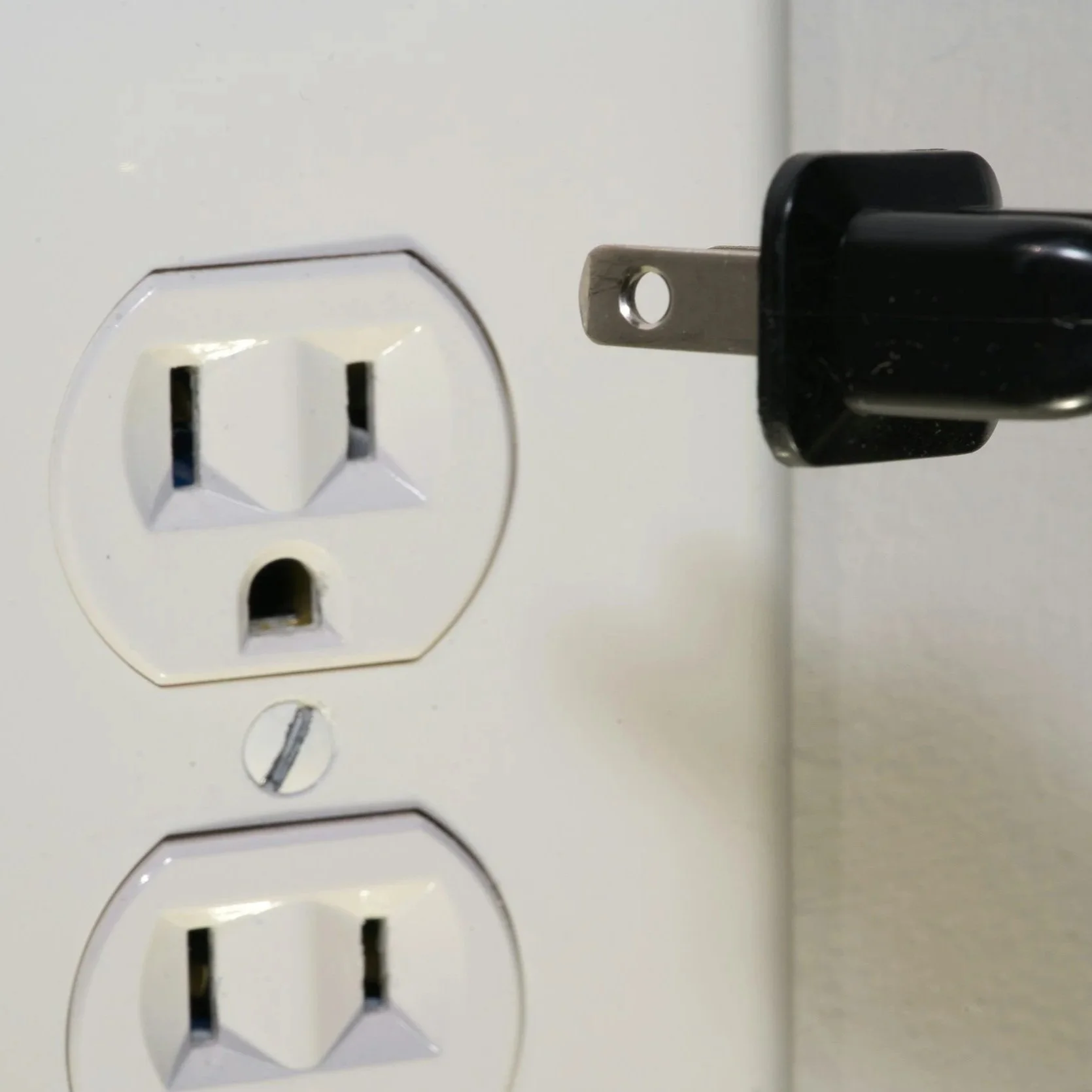
A brief spark during plug insertion is often a normal result of electricity jumping to complete a fast-moving circuit.
Why Sparks Happen When A Plug Meets An Outlet
Seeing a small spark when plugging something into an outlet catches most homeowners off guard. The instinctive reaction ranges from mild concern to immediate alarm, especially when the outlet appears otherwise normal. A spark represents electricity jumping from the plug blade to the outlet contact as the circuit completes. That jump happens in a fraction of a second, producing a brief flash of light. Electricity always seeks the fastest path, and during insertion, contact happens unevenly before the plug seats fully.
In Virginia Beach, Virginia, environmental conditions influence how noticeable this effect becomes. Humidity, salt in the air, and temperature variations alter how easily electricity moves through the air. Moist air lowers resistance slightly, allowing sparks to appear brighter or more frequent than in drier climates. While a spark does not automatically signal danger, it always indicates electrical activity occurring outside a perfectly smooth connection, which deserves context and evaluation rather than dismissal.
The Difference Between A Tiny Flash And A True Arc
Not all sparks carry the same meaning. A tiny, quick flash that occurs once as a device plugs in and never repeats under use often reflects normal inrush current. Many appliances draw a brief surge of power the moment they energize. That surge creates a small discharge as contacts meet. Devices with motors, heating elements, or capacitors exhibit this behavior more than low-draw electronics.
A true arc behaves differently. Arcing produces a louder snap, visible sustained light, or repeated flashes even after the plug seats fully. Arcing reflects electricity jumping across gaps repeatedly rather than settling into stable contact. In Virginia Beach homes, moisture and corrosion increase the likelihood that a harmless-looking spark crosses into arcing territory. Distinguishing between a momentary flash and ongoing arcing helps determine whether observation or action becomes appropriate.
Why Some Appliances Spark More Than Others
Certain appliances spark more frequently when plugged in due to how they manage electricity internally. Devices with inductive loads, such as refrigerators, power tools, vacuum cleaners, and window air conditioners, draw higher initial current when starting. That initial surge happens before internal resistance stabilizes. The resulting spark often appears brighter even though it lasts only an instant.
In contrast, electronics like phone chargers or lamps rarely produce visible sparks because their power draw ramps up more gradually. In Virginia Beach households, high humidity magnifies spark visibility from high-draw appliances. What looks alarming may reflect normal behavior under local environmental conditions. Understanding appliance characteristics prevents unnecessary worry while still remaining attentive to abnormal patterns.
How Outlet Condition Influences Sparking
Outlet condition plays a major role in how sparks appear. New outlets maintain strong contact pressure between internal springs and plug blades. That firm contact allows current to settle quickly with minimal discharge. As outlets age, internal springs weaken, corrosion forms, and contact surfaces degrade. Those changes create small gaps during insertion, increasing the chance of visible sparks.
In coastal Virginia Beach environments, outlet aging accelerates. Salt air and moisture promote oxidation even indoors. Outlets near kitchens, bathrooms, garages, and exterior walls experience faster degradation. A spark that appears brighter or more frequent over time often signals outlet wear rather than appliance behavior alone. Recognizing this trend helps homeowners understand when sparking shifts from normal to concerning.
The Role Of Humidity And Coastal Air
Humidity influences electrical behavior more than many homeowners realize. Moist air conducts electricity better than dry air. That difference allows electricity to jump small gaps more easily, making sparks more visible. In Virginia Beach, consistently elevated humidity levels create conditions where sparks appear more pronounced even at normal outlets.
Salt carried inland from ocean air compounds the issue. Salt residue settles on surfaces, attracting moisture and lowering resistance further. That combination allows electricity to travel through the air more readily during plug insertion. A spark that seems alarming may reflect environmental amplification rather than dangerous current flow. Still, humidity also accelerates corrosion, meaning visible sparks deserve attention over time rather than immediate dismissal.
Why Sparks Often Appear At Night Or In Low Light
Many homeowners notice sparks more often at night simply because visibility improves. In low light conditions, even a tiny flash becomes obvious. During the daytime, the same spark may go unnoticed entirely. This perception difference leads some homeowners to believe sparking suddenly started, when it may have been occurring consistently without notice.
In Virginia Beach homes, nighttime humidity often increases as temperatures drop. Higher moisture levels further enhance spark visibility. Recognizing that perception plays a role helps homeowners assess patterns objectively rather than reacting to a single observation. Evaluating frequency and intensity matters more than noticing a one-time flash in the dark.
When A Spark Indicates A Developing Problem
While some sparking can be normal, certain patterns indicate emerging issues. Sparks that occur every time a plug is inserted, appear larger over time, or accompany buzzing sounds suggest internal wear. Sparks that occur when unplugging devices may indicate contact erosion inside the outlet or plug.
In Virginia Beach, environmental stress accelerates these developments. Corrosion reduces contact quality, increasing discharge during insertion and removal. Sparks paired with warmth at the outlet faceplate, discoloration, or odor indicate resistance heating rather than normal inrush current. These signs suggest the outlet struggles to manage current reliably and requires evaluation.
Why Sparks And Breakers Behave Independently
Many homeowners expect breakers to trip if a spark represents danger. Breakers respond to excessive current, not brief discharges or localized resistance. A spark during insertion often occurs without exceeding breaker thresholds. Even developing problems may not trip breakers immediately.
In coastal environments like Virginia Beach, resistance increases without increasing total current. Electricity struggles at the contact point while the overall load remains acceptable. Sparks and heat build locally while breakers remain engaged. Understanding this separation explains why sparks deserve attention even when breakers do not trip.
The Difference Between Plug Sparks And Switch Sparks
Sparks at outlets differ from sparks at switches. Outlet sparks usually relate to insertion current and contact quality. Switch sparks often indicate internal wear, arcing, or improper load handling. Switches controlling heavy loads without an appropriate rating spark more visibly and degrade faster.
In Virginia Beach homes, humidity affects both devices similarly, but outlet sparks tend to appear earlier due to frequent mechanical interaction. Recognizing device-specific behavior helps isolate causes accurately rather than assuming a system-wide issue.
Why Cheap Power Strips Increase Spark Frequency
Power strips often lack the same contact quality as permanent outlets. Lower-grade materials, thinner contacts, and reduced spring tension increase resistance. Sparks appear more frequently when plugging into power strips than wall outlets, especially under load.
In humid coastal homes, power strips degrade faster due to corrosion and moisture exposure. Homeowners may notice sparks at strips while wall outlets remain quiet. Treating power strip sparking as normal ignores the fact that these devices wear out quickly and represent common ignition points under sustained load.
How Repeated Sparking Changes Outlet Behavior Over Time
Each spark erodes contact surfaces slightly. Metal transfers, pits form, and contact resistance increase incrementally. Over time, that erosion turns occasional sparks into frequent events. Heat generation increases, and the outlet becomes less reliable.
In Virginia Beach homes, moisture accelerates erosion by promoting oxidation between events. What starts as normal inrush sparking may evolve into problematic arcing if the outlet condition degrades. Monitoring changes over time provides better insight than reacting to a single spark event.
Why Children And Pets Increase Outlet Risk
Homes with children and pets experience more outlet interaction. Frequent plugging and unplugging, accidental cord movement, and physical stress loosen contacts faster. Safety plugs inserted and removed repeatedly also stress internal components.
In coastal environments, these mechanical stresses combine with humidity to shorten outlet lifespan further. Sparks may appear sooner in high-activity homes. Recognizing usage patterns helps homeowners understand why certain outlets spark more often than others.
Why Sparks Are More Common With Ungrounded Or Worn Plugs
Plug condition matters as much as outlet condition. Bent blades, worn surfaces, or missing grounding pins increase resistance and uneven contact. Ungrounded plugs lack a stabilizing contact that helps current settle smoothly.
In Virginia Beach homes, plug corrosion occurs faster due to humidity. Appliances stored in garages or outdoor areas often develop blade oxidation. Plugging these devices into outlets increases the likelihood of sparks even if the outlet remains in good condition. Evaluating both sides of the connection matters when assessing sparking behavior.
Why Ignoring Sparks Can Create Long-Term Risk
Occasional sparking may fall within normal behavior, but ignoring repeated or worsening sparks allows degradation to continue unchecked. Each event contributes to heat, erosion, and instability. Over time, sparks become arcs, arcs generate sustained heat, and heat damages insulation and surrounding materials.
In Virginia Beach’s climate, progression occurs faster due to moisture and salt exposure. Early attention prevents escalation. Viewing sparks as data rather than drama allows homeowners to make informed decisions before issues become hazardous.
How Normal Behavior Becomes Abnormal Over Time
Electrical behavior exists on a spectrum rather than a fixed rule set. A spark considered normal today may not remain so as conditions change. Outlet aging, environmental stress, and usage patterns shift thresholds gradually.
In Virginia Beach homes, the transition from normal to concerning happens quietly. Monitoring frequency, intensity, and associated symptoms helps identify that shift early. Treating sparks as something to observe rather than ignore supports proactive electrical safety rather than reactive repair.
What Homeowners Should Watch For Moving Forward
Observing sparking patterns provides valuable information. Sparks that grow brighter, occur more frequently, or accompany sound or heat suggest progression. Sparks limited to specific outlets point toward localized wear rather than system-wide issues.
In coastal homes, periodic outlet inspection matters more than in drier climates. Salt and humidity shorten component lifespan. Awareness of how the environment affects electrical behavior empowers homeowners to act before risks escalate.
The Value Of Context Over Fear
A small spark does not automatically signal danger, but it never happens without cause. Context determines whether that cause reflects normal electrical behavior or emerging failure. Understanding environmental influence, outlet condition, appliance characteristics, and usage patterns provides clarity.
In Virginia Beach, context includes humidity, salt air, and aging infrastructure. Evaluating sparks within that framework replaces fear with informed awareness, allowing homeowners to respond appropriately rather than react impulsively.
FAQs
A tiny, brief spark during plug insertion can occur under normal conditions, especially with high-draw appliances. Patterns matter more than single events. Repeated, growing, or noisy sparks indicate wear developing over time.
Humidity and salt in coastal air lower resistance, making electrical discharge more visible. The spark may not carry more energy, but environmental conditions amplify its appearance.
Occasional brief flashes may fall within normal behavior, but increasing frequency or brightness suggests outlet wear. Monitoring changes over time provides guidance on replacement timing.
Yes. Sparks represent momentary discharge, while heat develops gradually from resistance during normal operation. An outlet may spark yet feel cool initially as internal degradation progresses quietly.
Faster insertion reduces the time electricity jumps across air gaps, often minimizing visible sparks. Slow insertion increases spark duration, especially in humid environments.