
Are Loose Outlets Dangerous? Advice from Virginia Beach Electricians
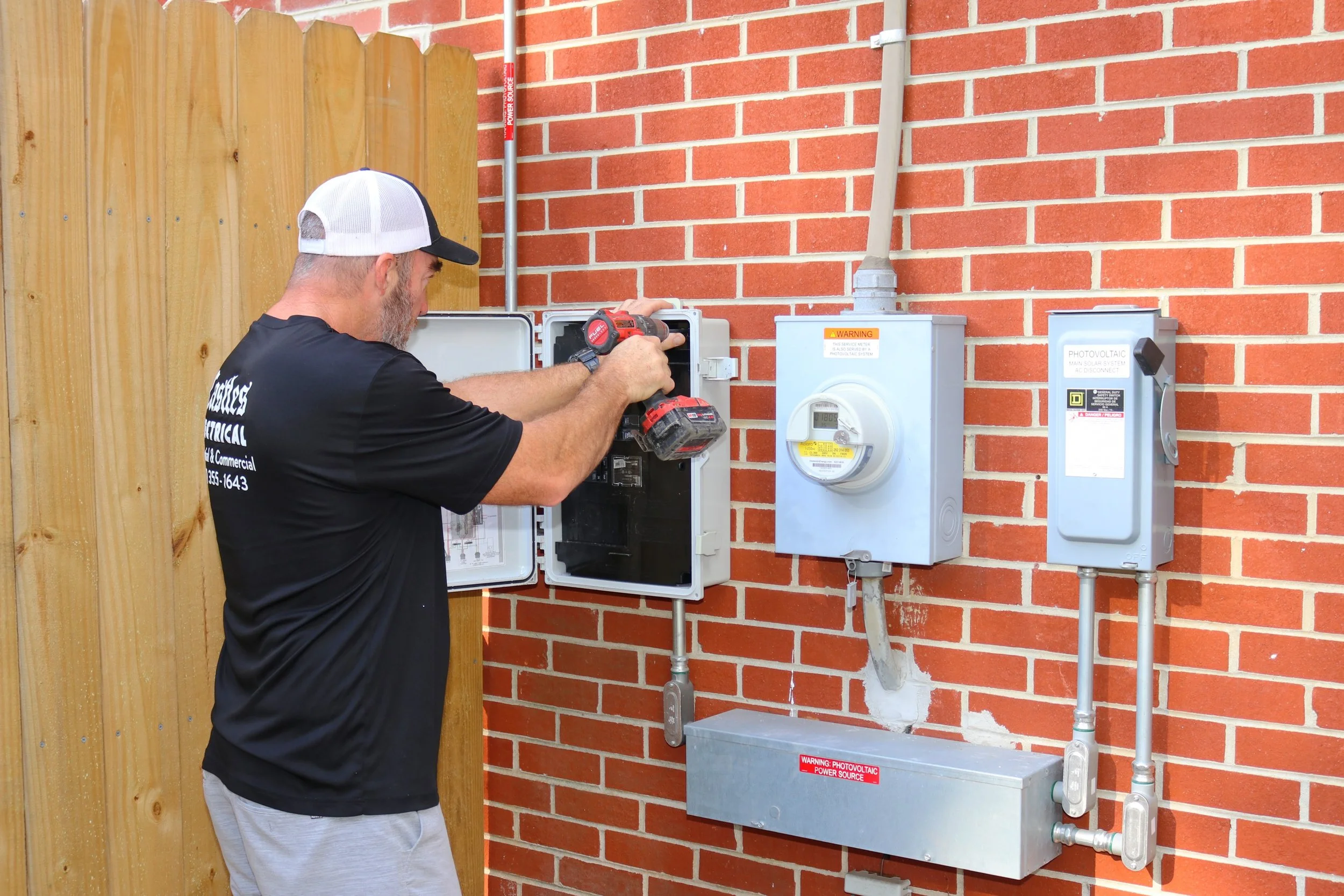
Loose outlets are significant fire hazards; ensure your home's safety by having a licensed electrician secure any unstable electrical connections.
Why Loose Outlets Are Common In Virginia Beach Homes
Loose outlets show up in Virginia Beach, Virginia homes far more often than most homeowners expect, and the reasons usually trace back to a combination of age, construction practices, and environmental stress. Many neighborhoods include homes built decades ago when outlet boxes were nailed directly to framing without the stabilizing brackets and adjustable mounts used today. Over time, normal daily use pulls against those outlets as plugs are inserted, removed, and sometimes yanked sideways by cords under tension. Each small movement transfers force to mounting screws and internal wiring connections, gradually loosening the entire assembly inside the wall.
Coastal conditions accelerate the problem. Humidity causes wood framing to expand and contract seasonally, while salt air encourages corrosion on metal components. Those factors subtly weaken mounting points and screw threads, making it easier for outlets to shift forward or backward. Homeowners often notice the problem when a plug refuses to stay seated or when the outlet moves as they try to unplug a device. That movement feels minor, but it signals that mechanical stability inside the electrical box has already been compromised, setting the stage for deeper electrical issues that develop quietly behind the wall surface.
What A Loose Outlet Indicates About Internal Wiring
A loose outlet rarely exists in isolation. When an outlet moves freely, internal wiring connections are often under stress as well. Electrical conductors are designed to remain stationary once installed, with firm contact at terminal screws or push-in connections. Movement at the receptacle face transfers motion directly to those conductors, especially when outlets are pulled forward repeatedly. Over time, wires can loosen at their connection points, increasing resistance where electricity flows from the wire to the outlet.
Increased resistance creates heat. That heat may not be noticeable at first, but it slowly degrades insulation and weakens metal contacts. Electricians in Virginia Beach frequently find discoloration, brittle insulation, or minor arcing marks inside boxes behind loose outlets. Homeowners rarely see these warning signs until the outlet fails completely or a breaker trips unexpectedly. The danger lies in the gradual nature of the damage, where heat builds incrementally during normal use rather than through a dramatic event that prompts immediate attention.
Fire Risks Associated With Loose Outlets
Loose outlets pose a legitimate fire risk, particularly in homes with older wiring or higher electrical demand. When wiring connections loosen, electricity must jump small gaps to continue flowing. That jumping creates arcing, a process that produces intense localized heat. Arcing does not always trip breakers because the total current draw may remain within acceptable limits, even as temperatures rise at the connection point.
Inside wall cavities, combustible materials such as wood framing, insulation, and dust sit inches away from electrical boxes. Repeated arcing or overheating can char surrounding materials over time. Electricians responding to fire investigations often find evidence of long-term heat exposure behind outlets that appeared only slightly loose on the surface. In Virginia Beach, where homes may rely heavily on space heaters, dehumidifiers, and entertainment equipment, loose outlets feeding these loads face higher thermal stress, increasing the likelihood that a small mechanical issue evolves into a serious hazard.
Shock Hazards From Unstable Receptacles
Beyond fire risk, loose outlets increase the chance of electric shock. When an outlet shifts as a plug is inserted or removed, metal prongs may partially disengage while still energized. That condition exposes live metal surfaces momentarily, especially if a user touches the plug blades during removal. Children and pets face a greater risk because they may interact with outlets unpredictably or pull on cords without understanding the danger.
Moisture compounds shock risk in Virginia Beach homes. Higher humidity levels reduce skin resistance, making shocks more severe when contact occurs. Kitchens, bathrooms, garages, and outdoor-adjacent rooms experience even greater exposure. A loose outlet in these spaces creates a scenario where normal use becomes unsafe, even if the outlet appears to function correctly most of the time. The absence of immediate shock incidents often delays repairs, allowing conditions to worsen until a more serious event occurs.
Why DIY Fixes Often Fall Short
Homeowners frequently attempt to fix loose outlets themselves, assuming the problem involves nothing more than tightening a screw or replacing a faceplate. While securing the outlet screws can help temporarily, it often fails to address deeper issues inside the box. Stripped screw holes, cracked outlet ears, or undersized boxes prevent outlets from anchoring properly, even after tightening. In older homes, boxes may have shifted within the wall, leaving nothing solid for screws to bite into.
Improvised fixes such as stuffing cardboard, wood shims, or folded paper behind outlets introduce new hazards rather than solving the original problem. These materials are combustible and can interfere with airflow around electrical components. Electricians regularly encounter such fixes during service calls and often find heat damage where makeshift spacers were used. Proper repair involves stabilizing the box, replacing damaged components, and confirming that wiring connections remain tight and correctly positioned, tasks that require more than surface-level adjustments.
How Loose Outlets Affect Modern Electrical Loads
Modern households place far greater demand on outlets than homes did decades ago. Multiple devices often share a single receptacle through power strips, chargers, and adapters. Each additional device increases current flow through outlet contacts that may already be compromised by looseness. Loose contacts generate more heat under load, accelerating wear and increasing failure risk.
Virginia Beach homes frequently add high-draw devices such as air purifiers, gaming systems, and home office equipment without upgrading the underlying electrical infrastructure. Loose outlets feeding these devices become stress points within the system. Over time, homeowners may notice flickering power, intermittent device shutdowns, or warm outlet covers. These symptoms often indicate that the outlet can no longer handle the mechanical and electrical demands placed upon it, even if the circuit itself remains functional.
Why Outlet Movement Should Never Be Ignored
Outlet movement provides valuable information about the condition of the electrical system. Electricians treat any movement as a signal that something inside the wall requires attention. Ignoring that signal allows small problems to escalate silently. What begins as minor looseness can lead to conductor damage, insulation breakdown, and eventual circuit failure.
Addressing loose outlets early limits repair scope and cost. Stabilizing an outlet before wiring connections deteriorate often requires minimal intervention. Waiting until outlets fail or show burn marks typically means replacing wiring sections or repairing damaged boxes. In Virginia Beach homes, where access behind walls may involve tile, plaster, or exterior sheathing, delayed repairs often become more disruptive than necessary. Recognizing outlet movement as a safety concern rather than a cosmetic nuisance helps homeowners act before risks multiply.
How Electricians Properly Diagnose Loose Outlet Problems
When electricians evaluate loose outlets in Virginia Beach homes, the process goes far beyond tightening screws and restoring surface appearance. A proper diagnosis begins by shutting down power and examining how the outlet sits within the electrical box. Movement often reveals whether the box itself has shifted, cracked, or pulled away from the framing. Older plastic boxes may become brittle over time, while metal boxes can loosen as nails back out or corrode. Identifying the root cause matters because securing an outlet to a failing box only delays recurrence rather than resolving instability.
Electricians also inspect internal wiring connections for signs of stress caused by repeated movement. Conductors may show copper deformation, insulation thinning, or discoloration near terminal screws. Push-in connections, which were common in certain construction periods, are especially vulnerable because they rely on spring tension that weakens with motion and heat. Diagnostic testing may include checking for voltage drop under load, which can reveal resistance issues invisible to the naked eye. That deeper evaluation distinguishes a cosmetic repair from a corrective one that restores long-term safety and reliability.
The Relationship Between Loose Outlets And Electrical Panels
Loose outlets often reflect broader system conditions tied to the electrical panel and circuit design. Circuits that operate near capacity generate more heat throughout their length, including at outlet connections. Heat accelerates metal expansion and contraction, which loosens terminals over time. Electricians frequently find that loose outlets appear most often on heavily used circuits feeding kitchens, living rooms, or home offices where multiple devices draw power simultaneously.
In Virginia Beach homes with older panels or limited circuit capacity, load balancing issues may contribute indirectly to outlet looseness. Circuits shared by multiple rooms distribute electrical stress unevenly, causing certain outlets to experience more wear. Without addressing circuit distribution or panel limitations, repairing individual outlets treats symptoms rather than underlying contributors. Evaluating outlet issues alongside panel condition provides context that helps prevent recurring problems across the home.
Environmental Factors Unique To Coastal Virginia Beach Homes
Coastal environments create electrical challenges that differ from inland regions. Salt carried by ocean air settles on metal surfaces, promoting corrosion even inside walls. Corroded screws, terminals, and box fasteners lose grip strength, allowing outlets to shift over time. High humidity levels further influence material behavior, swelling wood framing and softening drywall anchors that support outlet boxes.
Seasonal temperature swings compound these effects. As materials expand and contract, mounting points loosen incrementally. Electricians working in Virginia Beach routinely account for these conditions when selecting replacement components, favoring corrosion-resistant hardware and secure mounting methods. Addressing loose outlets without considering environmental exposure risks, repeating failures, especially in homes near the shoreline or with poor climate control.
Why Outlet Box Type Matters More Than Most Homeowners Realize
The type of outlet box installed plays a critical role in outlet stability. Older homes may contain shallow boxes that barely accommodate modern outlets and wiring. Tight spacing forces conductors into awkward bends, increasing tension on terminals when the outlet moves. Boxes mounted flush decades ago may now sit recessed due to wall finishing changes, leaving outlets unsupported at the front.
Modern repair solutions often involve installing box extenders or replacement boxes that bring outlets flush with the wall surface and provide solid anchoring points. Electricians select these solutions based on wall construction, box material, and wiring method. Addressing box adequacy transforms outlet repairs from temporary fixes into structural corrections that stabilize both mechanical and electrical connections long-term.
Long-Term Maintenance Considerations For Outlet Safety
Electrical systems benefit from periodic evaluation rather than reactive repairs alone. Loose outlets frequently signal that a home has reached a stage where proactive maintenance pays dividends. Inspecting outlets during renovations, appliance upgrades, or routine service visits identifies problems before they create hazards. Electricians often recommend replacing older outlets with modern, heavy-duty receptacles designed to grip plugs firmly and resist wear.
In Virginia Beach homes, maintaining outlet safety also involves managing moisture through ventilation, dehumidification, and exterior sealing. Reducing ambient humidity slows corrosion and material degradation, indirectly preserving outlet stability. Coordinating electrical maintenance with broader home upkeep creates conditions where repairs last longer and risks decline over time.
FAQs
Loose outlets represent a safety concern because movement stresses wiring connections and increases the risk of overheating, arcing, and shock. While the outlet may continue working, internal damage can develop quietly, making early attention important.
Loose connections can generate heat and arcing without exceeding breaker limits. That localized heating can damage insulation and nearby materials over time, creating fire risk without obvious warning signs like tripped breakers.
Using a loose outlet increases stress on internal wiring and raises the chance of shock or overheating. Continued use allows damage to accumulate, making repair more involved and riskier the longer it is delayed.
Older homes often use outdated boxes, mounting methods, and wiring that were not designed for modern usage patterns. Environmental exposure and decades of plug use gradually loosen components that were never reinforced for current demands.
Minor looseness may appear simple, but underlying causes often involve box stability, wiring condition, or corrosion. Professional evaluation identifies and corrects those deeper issues, restoring safety rather than masking symptoms.