
Is It Safe to Tape Over Exposed Wires in Your Virginia Beach Home?
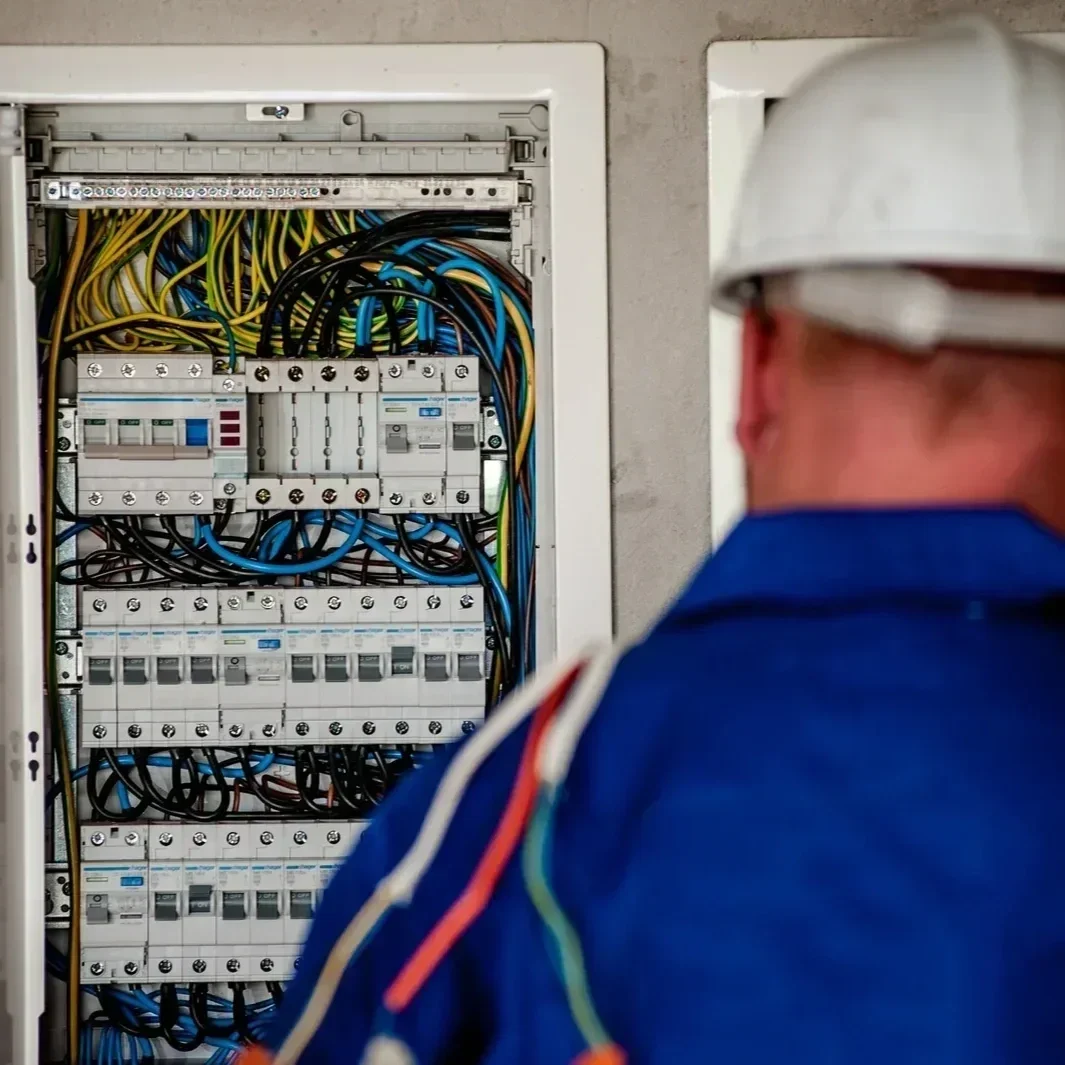
While electrical tape can temporarily patch minor insulation nicks, significant wire damage requires professional repair to ensure home fire safety.
Why Electrical Tape Can Create A False Sense Of Completion
Taping over exposed wiring often satisfies the emotional need to “close the problem.” Visually, copper disappears. Mentally, danger feels removed. That sense of completion becomes the most hazardous part of the tape fix. Once the wire looks covered, the issue drops out of active awareness, meaning no follow-up inspection, no monitoring for heat, and no urgency to complete a proper repair. Electrical hazards thrive when attention fades.
In Virginia Beach homes, where electrical issues already compete with salt corrosion, moisture intrusion, and aging infrastructure, attention matters more than appearance. A taped wire may sit unnoticed behind a fixture or inside a wall cavity while conditions continue degrading. When a failure finally happens, it feels sudden, even though the progression started long before the tape went on.
Why Tape Breaks Down Faster Than Expected
Electrical tape degradation accelerates under normal operating conditions, not extreme ones. Heat from current flow softens adhesive. Cooling cycles stiffen it again. That expansion and contraction happens every time a circuit turns on and off. Over weeks and months, the adhesive loses elasticity and grip, especially in warm coastal air.
Humidity compounds the problem by weakening adhesive bonds and allowing microscopic moisture migration under the tape. Once moisture reaches copper, oxidation begins. Tape traps that moisture against the conductor, creating a corrosive microclimate. The wire underneath degrades faster than it would if left exposed, which reverses the intended purpose of the tape entirely.
Why Taped Wires Inside Walls Are Especially Risky
Exposed wiring inside walls introduces an additional layer of danger. Wall cavities restrict airflow, preventing heat from dissipating. A taped conductor that begins generating excess heat has nowhere to release it. Insulation materials nearby may dry out or degrade silently as temperatures rise incrementally.
Virginia Beach homes often contain older insulation types that react poorly to sustained heat. Combined with coastal moisture, those materials can become brittle or combustible at lower thresholds. Because the tape conceals the wire, visual cues never appear until damage reaches a critical stage, which explains why some electrical fires seem to start “without warning.”
Why Tape Does Not Replace Junction Boxes Or Enclosures
Electrical enclosures serve multiple functions beyond insulation. Junction boxes isolate splices, contain heat, prevent physical contact, and limit fire spread if a fault occurs. Tape replaces none of those safeguards. Even a neatly wrapped splice remains vulnerable to movement, impact, and environmental exposure when left unenclosed.
In garages, crawl spaces, and attics common in Virginia Beach homes, wires experience incidental contact from storage, pests, or maintenance activity. A taped splice offers no protection against abrasion or pressure. Over time, those forces work through the tape and compromise the conductor underneath, often without visible disturbance from outside.
Why Rodents And Insects Make Tape Repairs Worse
Rodents are drawn to wiring insulation, especially when salt residue or food odors linger in coastal environments. Tape does not deter chewing. In some cases, it attracts attention by introducing a different texture. A taped wire may become the first target rather than the last.
Insects also exploit tape seams. Moisture trapped beneath tape creates conditions favorable for ants and other pests that migrate through wall cavities. Once insects disturb the tape edge, unraveling accelerates. The exposed conductor beneath often ends up in worse condition than before the tape was applied.
Why Temporary Fixes Become Permanent By Accident
Most tape repairs begin with the intention of being temporary. Homeowners plan to “come back to it later.” Life intervenes. Weeks turn into months. Months turn into years. The repair becomes permanent through inaction rather than decision.
Because the taped wire often functions normally, no urgency develops. That delay increases risk exposure over time. Electrical systems punish complacency more than ignorance. Knowing something needs repair but postponing it repeatedly introduces a different category of risk altogether.
Why Professional Repairs Address Multiple Failure Paths
Proper electrical repair closes several failure paths at once. Damaged insulation is removed entirely rather than covered. Conductors are reterminated or spliced using listed connectors. Mechanical strain is relieved. Moisture exposure is reduced. Fire containment is restored through enclosures.
In coastal areas like Virginia Beach, professionals also account for environmental stressors by selecting materials rated for humidity and corrosion resistance. The goal extends beyond restoring function. It focuses on restoring resilience, which tape alone cannot provide.
Why Safety Depends On What You Cannot See
Electrical safety is governed by internal conditions rather than visible ones. Tape improves appearance while leaving internal stress unchanged. Heat buildup, corrosion, and conductor fatigue occur invisibly until failure manifests suddenly.
Homes reward solutions that prioritize unseen stability over cosmetic closure. When repairs address root causes rather than symptoms, systems remain predictable instead of surprising. That predictability forms the foundation of long-term electrical safety.
Why Tape Fails Under Normal Electrical Load Conditions
Electrical tape does not fail because something extreme happens. It fails because normal electrical load places constant stress on materials that were never designed to act as primary insulation. Every time a circuit energizes, current generates heat. That heat expands the copper conductor slightly, then contracts when power cycles off. Tape stretches unevenly during those cycles, especially when wrapped over damaged or irregular insulation. Over time, that uneven movement creates microscopic gaps between tape layers and the conductor surface.
In a Virginia Beach home, where ambient temperatures remain high for much of the year, those heat cycles happen against a warmer baseline. Tape adhesives soften sooner and remain pliable longer, which accelerates slippage. Once the tape loses uniform contact, it stops functioning as even a temporary barrier. At that stage, the wire underneath experiences higher resistance and increased oxidation, creating conditions that raise failure probability without producing obvious visual clues.
Why Electrical Tape Does Not Restore Insulation Integrity
Wire insulation is engineered to meet specific thickness, temperature tolerance, and dielectric strength requirements. When insulation is damaged, those properties are compromised. Electrical tape does not replicate the original insulation profile. Even multiple layers fail to provide uniform dielectric protection because tape stretches inconsistently and compresses at edges.
That inconsistency matters because electricity seeks the path of least resistance. Thin spots created by tape overlap or edge curling become focal points for heat and potential arcing. In humid environments like Virginia Beach, moisture collects at those thin points more readily. Tape disguises insulation loss but does not reverse it, which means the wire remains vulnerable even if it appears fully covered.
Why Tape Over Splices Is Especially Unsafe
Splices introduce additional complexity beyond exposed conductors. A splice already represents a transition point where resistance increases slightly by design. When insulation damage occurs near a splice, tape compounds the risk by masking heat generation at the exact location most prone to failure.
Without a junction box, heat has nowhere to dissipate safely. Tape traps warmth around the splice, raising conductor temperature during normal operation. Over time, that heat loosens connections further, increasing resistance again. The cycle continues quietly until insulation fails completely or nearby materials ignite. Tape does not interrupt that chain reaction. It conceals it.
Why Tape Does Not Prevent Accidental Contact Reliably
One reason exposed wires create concern involves accidental contact. Tape feels like a barrier, but it provides limited protection against pressure, abrasion, or movement. A taped wire brushed by stored items, tools, or insulation can lose coverage without notice.
In Virginia Beach homes, garages and crawl spaces often serve multiple purposes over time. Seasonal storage shifts, pest activity, and maintenance work increase contact risk. Tape offers no mechanical defense against those interactions. A proper enclosure prevents contact entirely, regardless of movement or incidental pressure.
Why Tape Can Complicate Future Repairs
Taped wires often create more work later. Adhesive residue attracts dust and debris, obscuring conductor condition. Tape removal may strip remaining insulation or expose brittle wire that would have otherwise stayed intact. What began as a small repair becomes a larger intervention.
Professionals frequently encounter taped wiring where original damage is difficult to assess because tape altered the environment. Moisture trapped beneath tape accelerates corrosion, meaning repairs must extend farther along the conductor than initially necessary. Tape rarely preserves a problem at its original size.
Why Code Violations Matter Even When Things Work
Electrical systems can function while violating safety standards. Power flows regardless of code compliance. The purpose of code lies in controlling failure outcomes rather than daily operation. Tape-only repairs ignore those principles by prioritizing short-term continuity over long-term safety.
In Virginia Beach, inspections often reveal tape used where enclosures, connectors, or replacement wiring should exist. While the circuit may operate, liability and risk remain unresolved. Code exists to anticipate worst-case scenarios rather than reward temporary success.
Why Fire Investigations Often Trace Back To Improvised Repairs
Electrical fire investigations frequently identify improvised repairs as contributing factors. Tape repairs rarely appear in isolation. They coexist with overloaded circuits, aging wiring, and environmental stress. Tape becomes the weak link that fails first under compounded conditions.
Because tape hides the original defect, homeowners often remain unaware of escalation. When failure finally occurs, it feels sudden. In reality, the failure path was predictable and gradual. Understanding that pattern reframes tape not as a fix but as a delay mechanism.
Why Coastal Homes Require More Conservative Electrical Decisions
Coastal environments shorten the margin for error. Moisture, salt, and heat accelerate degradation across all materials. Repairs that might last longer inland deteriorate faster near the coast. Tape performance degrades more quickly under those conditions, making reliance on it riskier in Virginia Beach than in drier climates.
Conservative electrical decisions reduce cumulative risk. Choosing repairs that restore original design intent rather than cover damage improves system stability. Tape does not meet that threshold under coastal stress.
Why Exposed Wiring Should Trigger Evaluation, Not Coverage
Exposed wiring signals that something changed. Insulation failed, movement occurred, or materials aged beyond tolerance. Covering exposure without evaluating cause leaves the system vulnerable to repeat failure.
Evaluation identifies whether insulation loss resulted from heat, abrasion, pests, or installation issues. Addressing causes prevents recurrence. Tape addresses appearance only, which leaves underlying conditions intact and active.
Why Professional Repairs Cost Less Over Time
While proper repairs cost more initially, they reduce repeat intervention. Tape fixes often require revisiting as conditions worsen. Each revisit expands scope and cost. Long-term expense grows through delay rather than action.
Professional repairs restore predictability. Systems behave as expected, inspections pass cleanly, and risk stabilizes. That reliability offsets upfront investment over the lifespan of the home.
FAQs
Electrical tape may serve as a very short-term protective measure to prevent accidental contact until proper repair occurs. It does not qualify as a permanent solution for exposed wiring under normal residential conditions.
Electrical failures often develop slowly. Tape can hide progression by masking visual signs while corrosion, resistance, and heat buildup continue internally until failure reaches a critical point.
Additional layers do not restore insulation integrity or mechanical strength. Multiple layers often worsen moisture trapping and uneven thickness, which increases long-term risk.
Electricians use tape to supplement proper connections, not replace them. Tape may secure wire nuts, protect insulation during installation, or mark circuits, but it never serves as primary insulation repair.
Turn off the affected circuit, avoid loading it, and prevent contact. Plan for proper repair using appropriate connectors, enclosures, or wire replacement rather than relying on tape as a solution.