
How Common Are Electrical Fires in Virginia Beach? Homeowner Awareness Guide
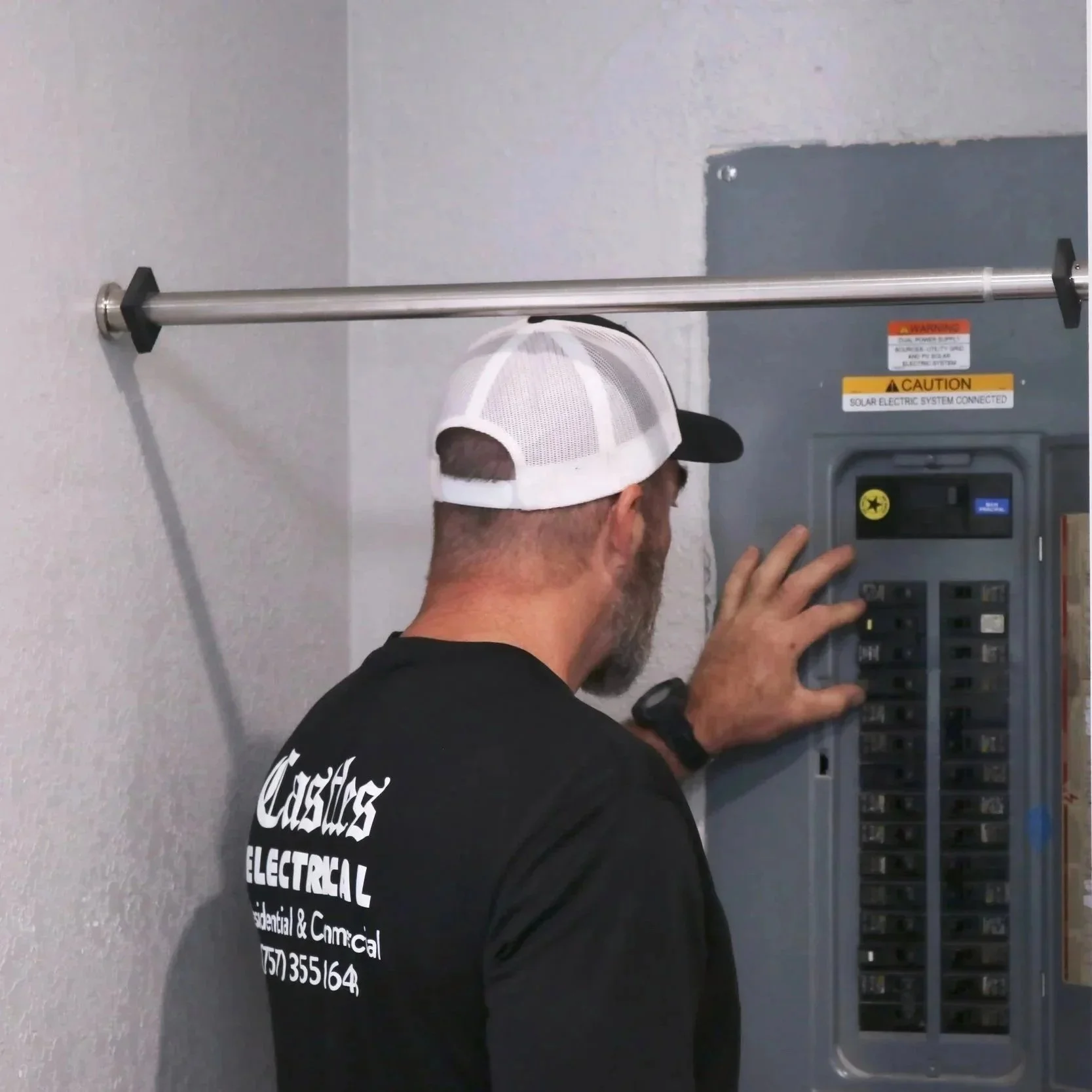
Regular electrical inspections and panel upgrades are essential steps for Virginia Beach homeowners to identify hazards and prevent devastating house fires.
Why Electrical Fires Remain A Real Concern In Coastal Homes
Electrical fires remain a persistent risk in residential properties, even in communities where building codes and inspection standards have improved over time. In Virginia Beach, Virginia, that risk carries unique characteristics tied directly to the coastal environment. Salt air, elevated humidity, frequent storms, and an aging mix of housing stock create conditions where electrical systems experience more stress than many homeowners realize. Electrical fires rarely start with dramatic failures. Most develop quietly, often behind walls, inside panels, or within outlets where warning signs go unnoticed until damage escalates.
Homes in coastal regions experience faster material degradation than inland properties. Moisture works its way into electrical components through tiny gaps, condensation cycles, and air movement within walls. Over time, insulation weakens, metal connections corrode, and resistance increases. Resistance converts electrical energy into heat, and heat becomes the primary driver behind electrical ignition events. Many electrical fires begin long before smoke or flames appear, smoldering slowly as materials degrade incrementally under everyday electrical use.
How Aging Infrastructure Influences Fire Frequency
Virginia Beach includes neighborhoods built across many decades, from mid-century developments to newer coastal construction. Older homes often rely on wiring methods and materials that no longer align with modern electrical demand. Systems designed for minimal appliance use now support air conditioning, home offices, entertainment systems, and high-draw kitchen equipment. That mismatch places sustained stress on circuits that were never intended to carry such loads continuously.
Aging wiring also suffers from decades of thermal cycling. Every time current flows, conductors heat slightly, then cool when loads shut off. Over the years, repeated expansion and contraction loosen connections and stiffen insulation. In humid environments, those effects accelerate. Electrical fires linked to older infrastructure often trace back to loose terminations, worn outlets, or deteriorated insulation rather than obvious overloads. As homes age, fire risk increases unless systems receive updates that reflect modern usage patterns.
The Role Of Moisture And Salt Air In Electrical Degradation
Moisture plays a central role in electrical fire development, particularly in coastal cities like Virginia Beach, Virginia. Even without direct water intrusion, humidity alone affects electrical performance. Moist air lowers resistance across surfaces that should remain insulating. Dust and debris inside panels or outlets absorb that moisture, creating conductive pathways where none should exist.
Salt carried inland from the ocean accelerates corrosion on metal components. Corroded surfaces increase resistance and generate heat during normal operation. That heat damages surrounding materials, further reducing resistance and creating a feedback loop. Over time, connections that once operated safely begin producing enough heat to ignite nearby insulation or framing. Moisture-driven degradation explains why electrical fires occur even in homes without obvious water damage or recent electrical work.
Outlets And Switches As Common Ignition Points
Outlets and switches represent some of the most common ignition points for residential electrical fires. These devices act as transition points between fixed wiring and movable loads. Every plug insertion, switch flip, or device removal introduces minor mechanical stress. Over years of use, contact springs lose tension, screws loosen, and internal surfaces wear unevenly.
In Virginia Beach homes, outlets installed on exterior walls or near moisture-prone areas face additional stress. Steam from kitchens and bathrooms infiltrates electrical boxes repeatedly. Corrosion develops on contact surfaces, increasing resistance. As resistance rises, heat builds inside the outlet box. Fires linked to outlets often begin as smoldering events behind walls or faceplates, spreading slowly before detection. These fires rarely occur immediately after a device fails, making them difficult to trace back to a single moment or cause.
Electrical Panels And Fire Risk Concentration
Electrical panels concentrate multiple high-current connections within a confined space. When components inside a panel degrade, the consequences affect multiple circuits simultaneously. Loose breakers, corroded bus bars, and aging main connections all contribute to elevated fire risk. In Virginia Beach, panels located in garages or utility rooms experience greater humidity exposure, accelerating internal corrosion.
Panel-related fires often begin with overheating at a single connection point. Heat damages nearby components, allowing arcing to develop. Once arcing begins, temperatures rise dramatically, increasing ignition potential. Many homeowners remain unaware of panel degradation because power continues flowing normally until failure occurs. Humming, buzzing, or warm surfaces often precede panel fires, but these signs may go unnoticed or dismissed as harmless operational noise.
Appliance Demand And Modern Load Patterns
Modern appliances draw far more power than devices from previous generations. Hair dryers, space heaters, air fryers, and electric vehicle chargers introduce sustained high loads that stress residential circuits. In Virginia Beach, air conditioning systems run for extended periods during warm months, increasing baseline electrical demand throughout the home.
When circuits operate near capacity for long durations, wiring and connections heat continuously rather than cycling briefly. Continuous heat accelerates insulation breakdown and loosens connections faster. Appliances rarely cause fires directly, but their demand exposes weaknesses in wiring systems. Electrical fires linked to appliances often originate at outlets, junction boxes, or panels rather than within the appliance itself, reflecting the system’s inability to handle sustained load safely.
Improper Modifications And DIY Electrical Work
Home improvements introduce additional risk when electrical modifications occur without a proper understanding of system capacity. Homeowners may add outlets, lighting, or equipment without accounting for existing circuit load. Improvised splices, undersized conductors, or overloaded breakers increase fire potential significantly.
In coastal environments, small installation errors carry greater consequences. Moisture intrusion and corrosion amplify the effects of marginal workmanship. Electrical fires tied to improper modifications often appear years after the work occurred, making the connection difficult to recognize. What seemed functional initially degrades gradually until conditions align for ignition. Awareness of how small changes affect long-term system behavior helps explain why fire risk increases over time rather than immediately after modification.
Seasonal Patterns In Electrical Fire Incidents
Electrical fire risk fluctuates seasonally. In Virginia Beach, summer introduces higher humidity, heavier air conditioning use, and greater appliance demand. These conditions raise baseline electrical stress throughout homes. Winter brings portable heaters, holiday lighting, and longer periods of closed windows that trap humidity indoors.
Seasonal transitions also involve frequent weather changes. Storms introduce moisture intrusion and power fluctuations that stress electrical systems further. Many electrical fires occur during or shortly after peak usage periods rather than during mild conditions. Seasonal patterns highlight how environmental factors interact with existing electrical limitations rather than acting as isolated causes.
Early Warning Signs Homeowners Often Miss
Electrical fires rarely occur without warning. Signs often appear weeks or months beforehand but go unrecognized. Flickering lights, warm outlets, frequent breaker trips, burning odors, or buzzing sounds all indicate abnormal electrical behavior. In Virginia Beach homes, humidity can mask these symptoms by making conditions feel normal even as degradation progresses.
Homeowners sometimes address symptoms individually without identifying the underlying issue. Replacing bulbs, resetting breakers, or swapping appliances may provide temporary relief while allowing deeper problems to continue developing. Recognizing patterns rather than isolated incidents helps identify elevated fire risk early. Electrical systems communicate stress through subtle changes long before ignition occurs.
Why Electrical Fires Are Often Underreported
Electrical fires often go underreported because many incidents resolve before full involvement. Smoldering events may self-extinguish or remain confined within walls, causing damage without obvious flames. Homeowners may notice charred outlets or wiring during renovations rather than experiencing a full fire event.
In Virginia Beach, quick emergency response and modern smoke detection reduce catastrophic outcomes, but underlying incidents still occur. Underreporting leads to the perception that electrical fires are rare, even though near misses happen regularly. Understanding frequency requires looking beyond headline events and considering the cumulative impact of small failures that never make official statistics but still represent significant risk.
How Building Materials Influence Fire Spread
The way homes are built influences how electrical fires develop and spread once ignition occurs. Many Virginia Beach, Virginia homes use wood framing combined with modern insulation materials that react differently to heat than older construction methods. When electrical components overheat behind walls, surrounding materials may smolder for extended periods before open flames appear. Insulation can trap heat, allowing temperatures to rise gradually without obvious external signs. That slow progression often delays detection, giving fires time to grow before alarms activate.
Coastal construction also favors tighter building envelopes to improve energy efficiency. While beneficial for climate control, tighter envelopes reduce airflow inside wall cavities. Reduced airflow allows heat from electrical faults to build more rapidly around wiring and devices. Once ignition occurs, fire may travel along wire paths through walls and ceilings, spreading beyond the original fault location. Understanding how building materials interact with electrical heat helps explain why seemingly minor electrical issues can escalate into larger fire events.
The Impact Of Electrical Panels Located In Garages
Garages serve as common panel locations in many Virginia Beach homes, especially in newer developments. While convenient, garages expose electrical panels to harsher environmental conditions than interior spaces. Temperature swings, humidity from vehicles, lawn equipment, and open doors all affect panel longevity. Corrosion develops faster in these environments, increasing resistance at critical connections.
Garages also introduce combustible materials near panels. Cardboard boxes, cleaning supplies, and stored items often sit close to electrical equipment. When panel components overheat or arc, nearby materials increase fire spread potential. Fires originating in panels located in garages often grow more quickly due to available fuel sources. Panel placement alone does not cause fires, but environmental exposure and surrounding conditions significantly influence severity once a fault develops.
Multi-Family Housing And Shared Electrical Infrastructure
Electrical fire risk behaves differently in multi-family housing, which is common throughout Virginia Beach. Shared walls, interconnected wiring pathways, and centralized electrical infrastructure create conditions where a fault in one unit can affect others. Aging apartment complexes often rely on original wiring systems that serve multiple units through shared panels or feeders.
When electrical degradation occurs in shared systems, heat and arcing may develop out of sight of individual occupants. Fires may spread through shared cavities before detection. Residents may notice intermittent issues like flickering lights or outlet warmth without realizing the broader system is experiencing stress. Multi-family housing underscores the importance of system-wide awareness rather than focusing solely on individual units when assessing electrical fire risk.
The Role Of Overcurrent Protection In Fire Prevention
Overcurrent protection plays a central role in limiting fire severity, but it does not prevent all electrical fires. Breakers and fuses respond to excessive current, not localized heat caused by resistance or loose connections. In many electrical fire cases, current remains within acceptable limits while heat builds at a single compromised point.
In Virginia Beach homes, corrosion and moisture increase resistance without increasing overall current draw. Breakers remain engaged while outlets, switches, or panel connections overheat. Understanding this limitation helps explain why electrical fires still occur despite functional breakers. Protection devices represent one layer of safety rather than a complete solution. Mechanical integrity and environmental protection remain equally important for long-term fire prevention.
FAQs
Electrical fires occur regularly enough to represent a real concern, especially in coastal environments where moisture and corrosion accelerate electrical degradation. Many incidents never become full-scale fires but still cause damage and risk.
Humidity and salt air increase corrosion and resistance within electrical components. These conditions promote heat buildup at connections and devices, even when systems appear to function normally.
Newer homes benefit from updated codes and materials, but they still face environmental stress and modern load demands. Fire risk depends more on system condition and usage patterns than age alone.
Outlets, switches, and panel connections represent frequent ignition points due to wear, loose connections, and heat buildup rather than appliance failure.
Yes. Minor symptoms like warm outlets or flickering lights often precede electrical fires. These signs indicate underlying degradation that can escalate if left unaddressed.